
The best beaches in Miami that not everyone knows about

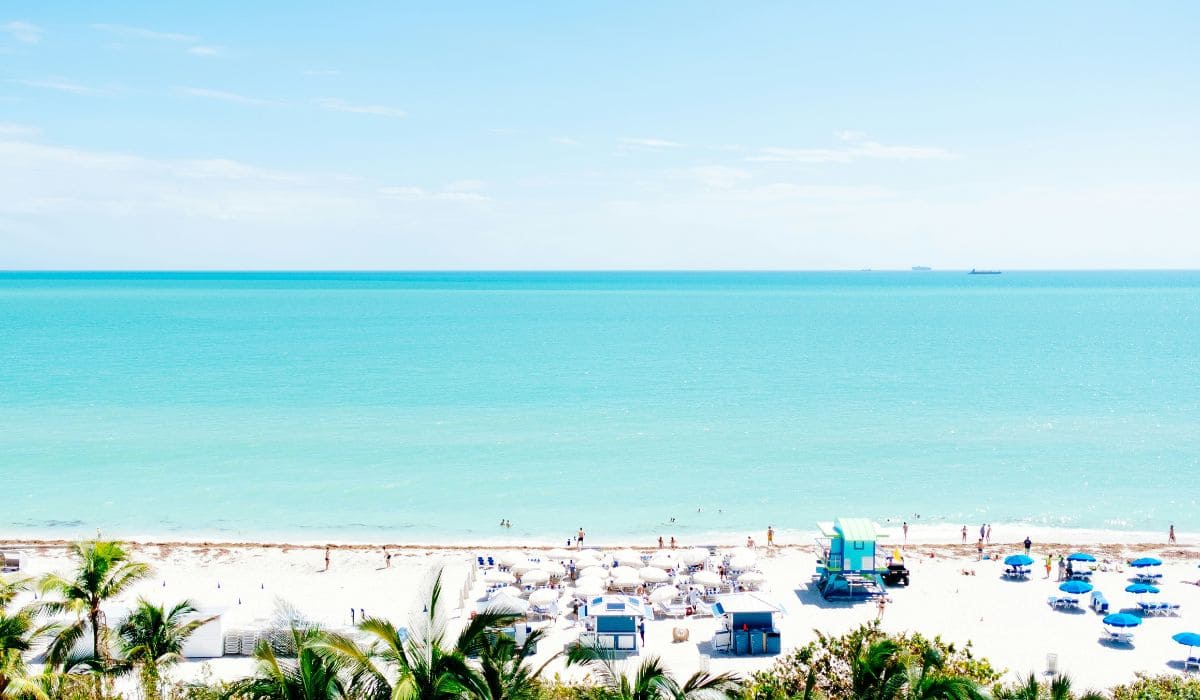
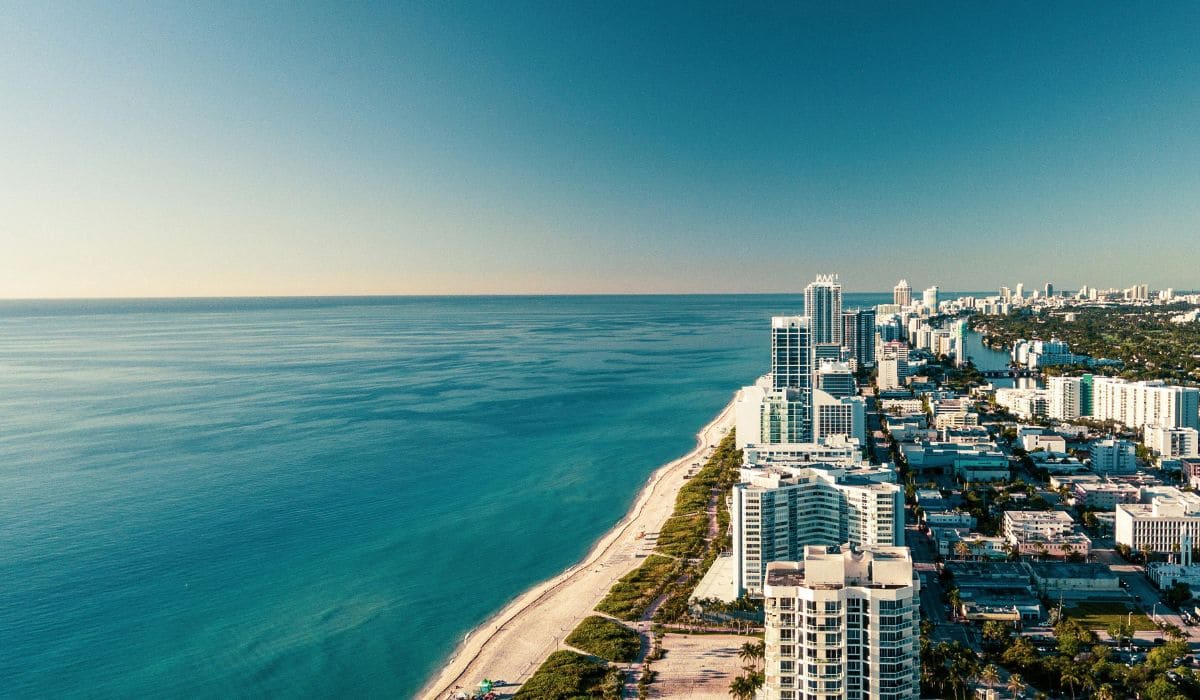
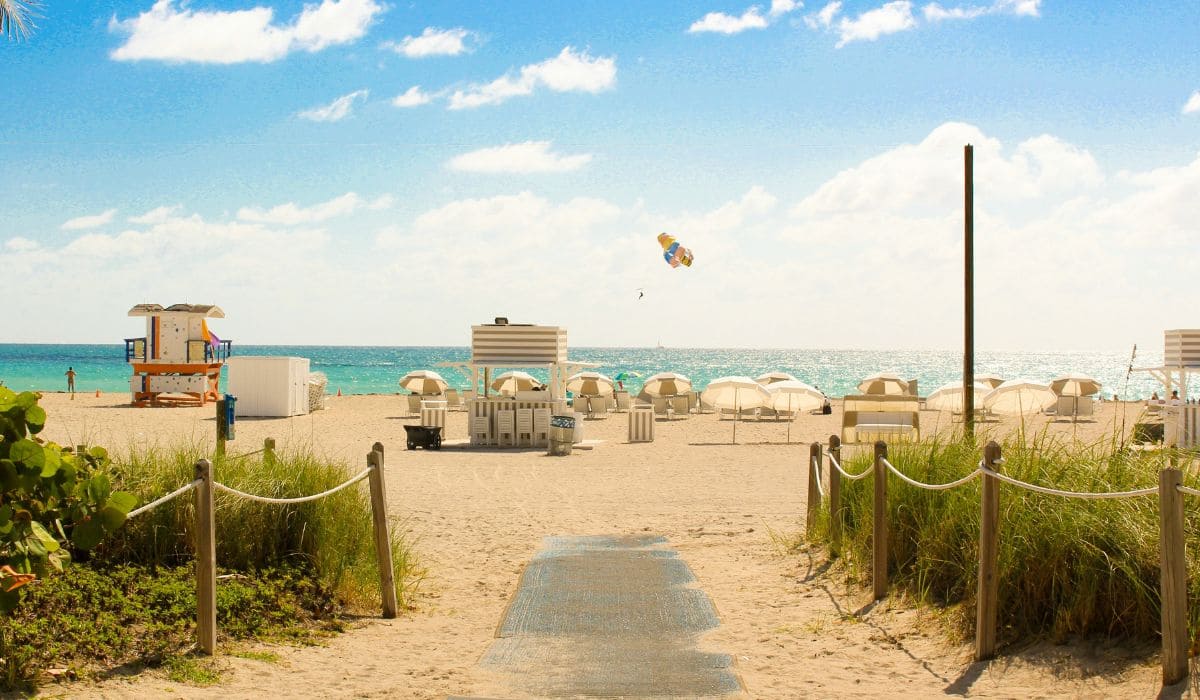
When we think about going to the best beaches in Miami, many imagine South Beach. It’s true, on this beach the white sand and the lively atmosphere give it a special touch. But in Miami there is much more to discover. Secret and quiet beaches are waiting for you, whether it’s your first time visiting or you’re a Miami lover looking for new experiences.

Here we tell you which deserve to be on the list of the best beaches in Miami. It’s not just about natural beauty, we also want you to experience other things. Some are quieter, others ideal for water sports, or hidden gems.

At Rentennials we want your trip to Miami to have a different touch, so in this article we give you all the information you need to reach the best beaches in the city of Florida.

Mejores playas de Miami

Why look for other beaches in Miami?

Many times when we travel to Miami we stick to what we already know. But there are moments when we want to go beyond the usual. That’s why, when someone thinks about the best beaches in Miami, we shouldn’t just settle for the postcard of South Beach. And that’s fine, because that beach has a unique magnetism. However, if we don’t venture to other places, we would miss the B-side of the city.

Exploring lesser-known beaches brings us closer to:

  • Tranquility: many of them are wider or have fewer visitors.
  • Nature: several are in state parks or surrounded by mangroves.
  • Experience something more local: these beaches have a more resident than tourist vibe.
  • Have other experiences: from kayaking to walking along natural trails.

Ultimately, daring to go beyond the typical allows you to discover a more intimate and natural Miami.

What are the best beaches in Miami?

Choosing the best beaches in Miami was not easy, but one of the main criteria we considered was that they shouldn’t be the most famous and touristy. We looked for places that offer different experiences and allow you to discover another side of the city.

Now, here are the must-visit beaches in Miami.

Crandon Park Beach (Key Biscayne): nature and calm on a nearby island

We chose to start with Key Biscayne, one of the best beaches in Miami and a must on any list. Just 15 minutes from downtown, this island feels like a world apart. However, we must especially mention Crandon Park Beach, within Key Biscayne.

Here you’ll find calm, shallow waters, ideal for swimming. In addition, the mangroves and palm trees make the environment unique and perfect for connecting with nature.

What to do at Crandon Park Beach?

Unlike South Beach, here people come to relax. You can also see manatees and seabirds, which makes Crandon Park a beautiful place for nature lovers.

You can rent bikes, explore natural trails, or go kayaking in calm waters.

How to get to Key Biscayne? The best way is by car. It’s just a few minutes from downtown Miami.


Las playas de Miami

Bill Baggs Cape Florida State Park, where history meets turquoise waters

Also located in Key Biscayne, at the southern tip of the island, is another of the best beaches in Miami: Bill Baggs Cape Florida State Park. This park combines history and beach, where the oldest lighthouse in southern Florida stands, built in 1825.

Like many beaches in this area, the sand is soft, the waters are calm, and the crystal-clear color is striking. What makes this place different is that the surroundings are protected from urban development, allowing families and travelers to escape the crowds.

What to do at Bill Baggs?

In the morning, you can start by climbing the lighthouse and enjoy beautiful panoramic views. There are also trails for walking or cycling. If you enjoy fishing, this area is great for relaxing with this activity.

Many locals say this is one of the most authentic beaches in Miami, far from mass tourism—something increasingly rare.

How to get to Bill Baggs? The best way is by car. You can reach the southern tip of the island in just a few minutes.

Matheson Hammock Park, a lagoon that invites relaxation

Matheson Hammock Park is one of those hidden gems and of the beaches in Miami that most surprise. It’s very close to Coral Gables and has the particularity that the park has an artificial lagoon filled with seawater and renewed by the tides.

Surrounded by a natural reef, the water is very calm, making it perfect for travelers with children.

Why go to Matheson Hammock?

It’s one of the beaches preferred by many locals to escape daily work, giving it a special touch. Also, the atmosphere is calmer than beaches closer to downtown.

Don’t miss the incredible views of the Miami skyline at sunset.

How to get to Matheson Hammock Park? As with many of the best beaches in Miami, the best way is by car. It’s very close to downtown.

Virginia Key Beach: a bit of nature and African-American history

Not far from downtown Miami is Virginia Key Beach, on the island of the same name. What stands out about this corner of the city is its enormous historical value, something that for some makes this beach very special. During the racial segregation era in the United States (approximately until 1960), this was the only beach open to the African-American community. That’s why today it’s a place full of history that invites reflection on that period.

Why go to Virginia Key Beach?

The calm waters and shallow depth make it ideal for families. In addition, there are usually music festivals and many cultural activities. And, due to its location, it has a special view of downtown Miami.

How to get to Virginia Key Beach? It’s on the way to Key Biscayne, so an ideal plan is to make a stop to explore this place.

Surfside Beach, close and peaceful

To the north of Miami Beach, about half an hour by car, is Surfside Beach, which combines modern luxury beachfront hotels with more local options. Even today, despite its modern towers, its atmosphere is very calm (especially compared to South Beach).

Why visit Surfside Beach?

As in many of the best beaches in Miami, the sands are clean and the waters transparent. You can also take a walk or bike ride along the sea. Don’t miss the restaurants and cafes offering different options to enjoy peacefully.

They say Surfside still maintains the classic Miami spirit, which is why we like to recommend it so you can experience something more local.

How to get to Surfside Beach? You have to take the same route that leads to North Beach. Once there, it’s just a few more blocks.

Las otras playas de Miami

Hobe Sound Beach, distant but accessible

The last one we chose is the farthest, but not less accessible. About two hours (a little more) from Miami is Hobe Sound Beach, a place where tranquility reigns, with no pretensions other than connecting with nature. From the access on SE Bridge Road, surrounded by a natural tree tunnel, you can already feel the difference.

Why go to Hobe Sound Beach?

Here you’ll find not only a beach with basic services but also wild areas like the National Wildlife Refuge, where sea turtles nest in the sand. But there’s one reason above all to convince you to come here: experience calm, intact landscapes, and feel Florida from another perspective.

How to get to Hobe Sound Beach? We won’t lie, you have to drive about two hours north of Miami, but we assure you it’s worth it. Just pay attention to the entrance to Hobe Sound Beach so you don’t miss it.

Tips for enjoying the best beaches in Miami

This list has to end with some recommendations to enjoy the best beaches in Miami without problems:

  • Avoid peak hours: many beaches get crowded on weekends. Arriving early ensures a better spot.
  • Use sunscreen because the Miami sun is strong all year round.
  • Always respect nature. Several of these beaches are in natural parks, so it’s essential to care for the surroundings.
  • Dare to go beyond the touristy. While this was the spirit of this article, have your own experience—surprises are everywhere.

Rent a car in Miami and get wherever you want

There are destinations that are very well known, but even when visited repeatedly, they always have something new to offer. Miami is one of those places: hundreds of beaches and little corners worth reaching.

The best way to get around Miami and nearby areas is by car. That’s why we recommend renting with Rentennials, where we make the process easy. Discover a new way to rent a car, simpler and more sustainable.

[:es]

We are Rentennials

Rentennials is the new way to rent cars from local hosts in your city, quickly, easily, and affordably. It's also your new path to starting your own car rental business and making money every month.
Discover more.

Aplicación móvil

Download our App
Share this

[:]

Mendoza in spring: the best activities and places

September begins, and Mendoza in spring becomes magical. The vineyards reborn, blue rivers with meltwater to enjoy rafting, and, of course, an international-level gastronomy. During these months, outdoor activities under the spring sun are everyone’s favorite, whether you travel with family, friends, or as a couple.

You can start in the city of Mendoza, continue through the Uspallata area, and end in an incredible field of volcanoes near Malargüe. In addition, if you enjoy driving through the landscapes of a province, reaching San Rafael is an excellent option if you like rafting and, at the same time, want to relax.

With this guide from Rentennials, we want you to organize the most complete itinerary of your trip to Mendoza and experience it to the fullest.

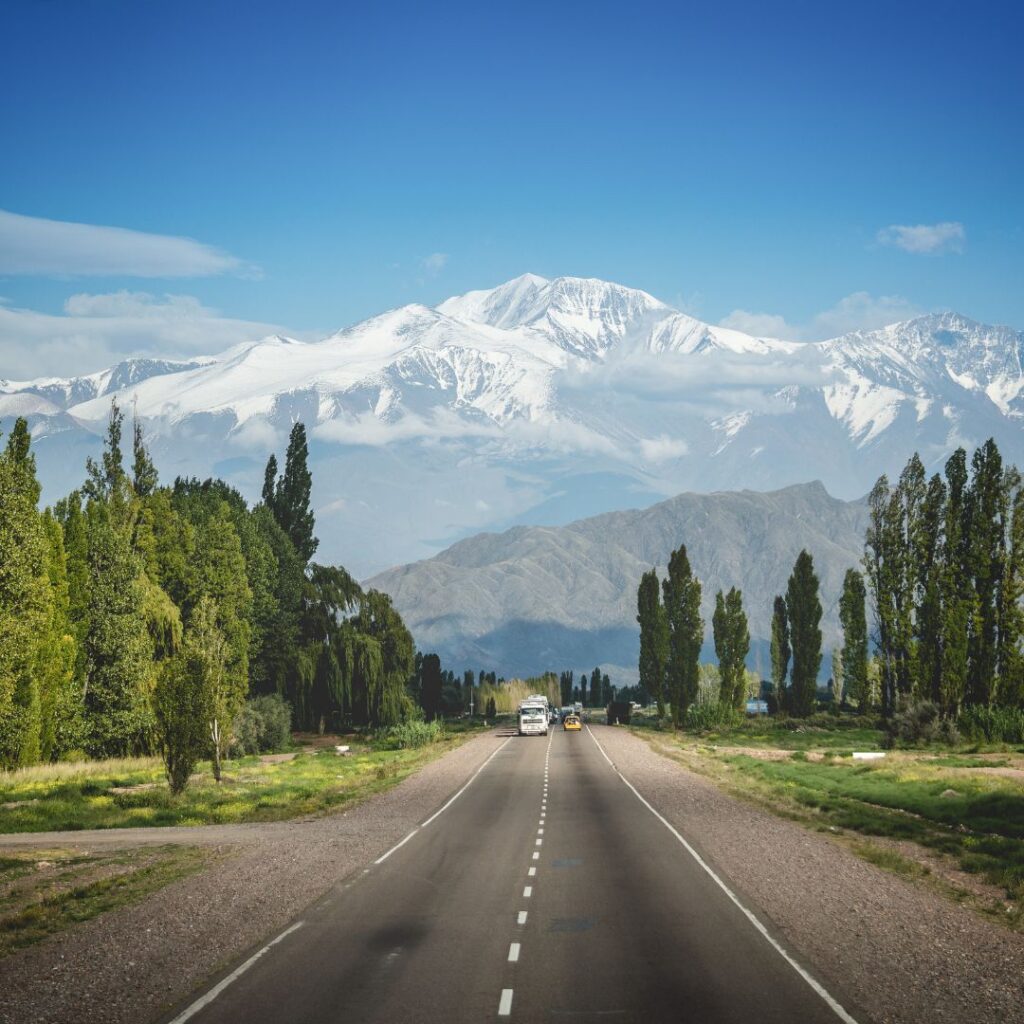
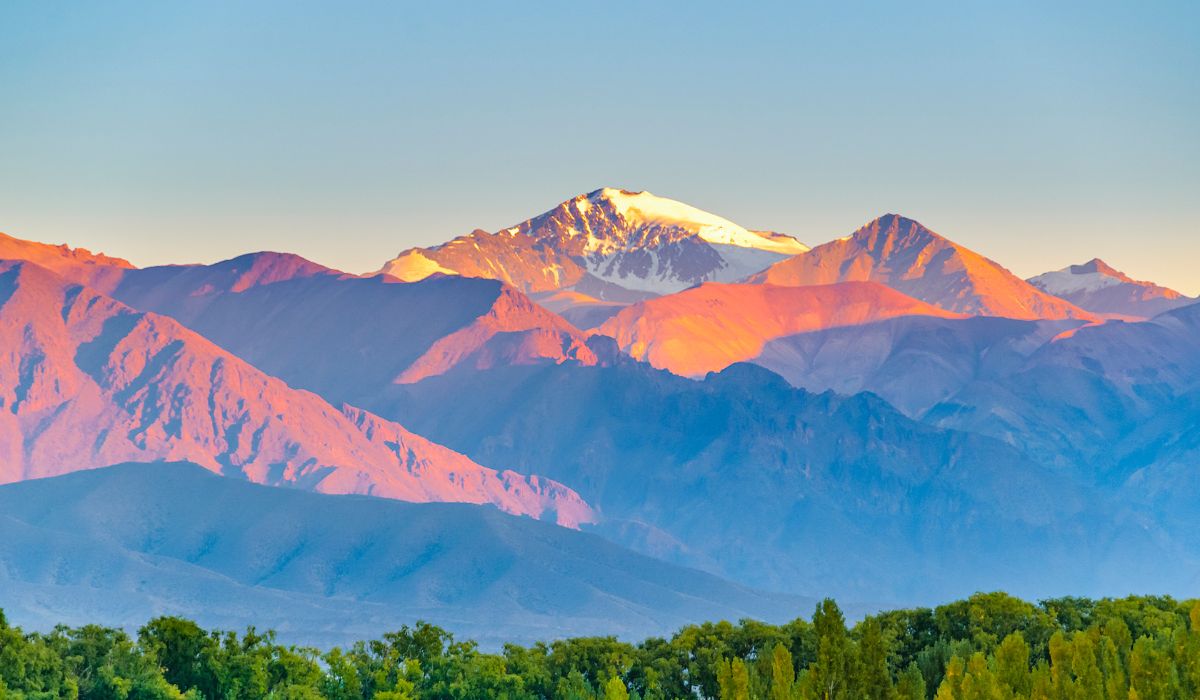
La cordillera de Mendoza en primavera

What is spring like in Mendoza?

The Mendoza spring has one of the most ideal climates to enjoy a well-deserved rest. Days are mild, mornings a little cool, and afternoons perfect for t-shirts. The good thing is that you won’t feel the summer heat yet. Keep in mind that if you go to the mountains, the thermal amplitude is very wide. Nights and early mornings are very cold, while the day is pleasant.

If there’s something that makes Mendoza in spring special, it is the return of the green. The vineyards slowly come back to life, and the trees bloom. Whether you are in the city or a town, you will feel this new stage of the year. And, of course, the snowmelt from the mountains makes the rivers and streams flow strongly again.

What to do in Mendoza in spring?

Besides being one of the most beautiful provinces, Mendoza is one of the ideal destinations to experience all kinds of activities, from adventure to enjoying the best wineries in the world. But if you are someone who enjoys tranquility, you can simply sit down and read a good book with the Andes landscapes behind you.

Walk along trails and go trekking

Spring arrives in Mendoza, and connecting with the mountains through beautiful hikes is a plan you can’t miss. Some routes, like Cerro Negro in Cacheuta, are more intense: steep climbs, little shade, and spectacular views. Other routes, like Quebrada and Los Berros, are calmer, ideal for those seeking deep disconnection.

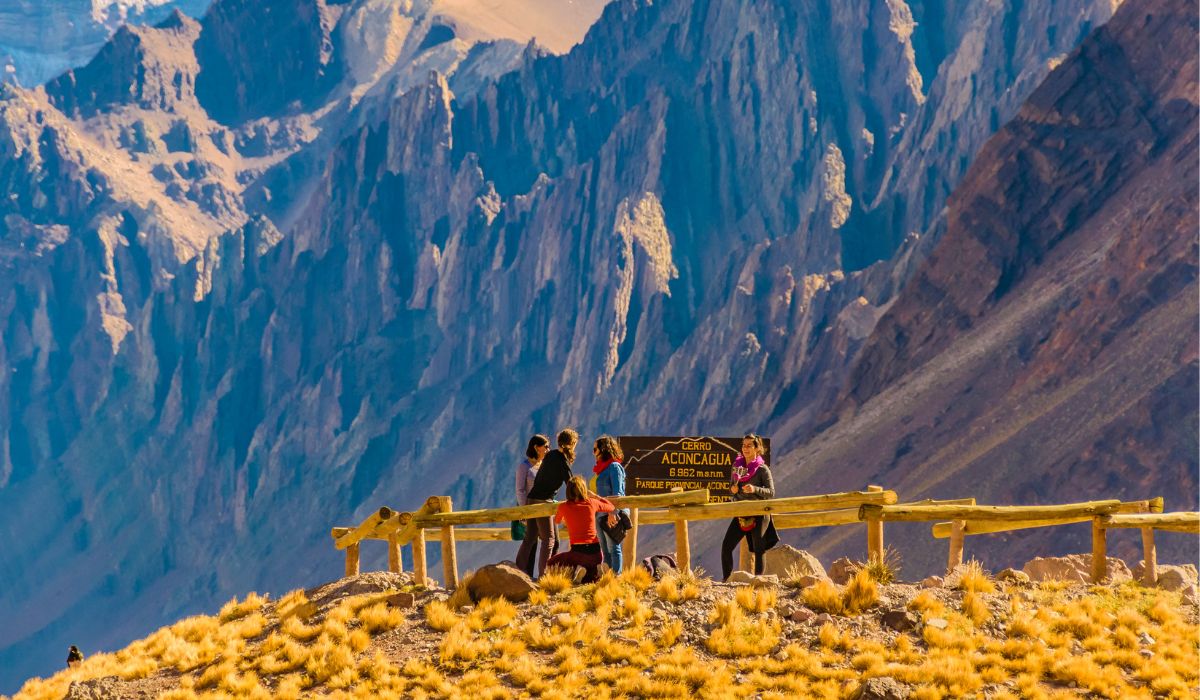
There are also family trails such as the Laguna de Horcones in the Aconcagua Provincial Park, where you can see the highest mountain in the Americas. And for experts, the Cerro Camello Sur ends with incredible views of the Potrerillos reservoir.

If you want to choose your best route, we recommend visiting our article on the best trekking trails in Mendoza.

Go on a rafting adventure

In Mendoza, you can go rafting all year long, but if there is a special season, it’s spring. The rivers fed by the Andes snowmelt offer rapids of different levels, from calm ones for beginners to others for those who seek pure excitement.

One of the recommended places is Potrerillos, 70 km from the city of Mendoza, with companies like Potrerillos Explorer or Argentina Rafting Expedition that organize half-day descents through class II to IV rapids.

Don’t forget that for a safe experience, it must be done with an authorized provider and guide.

Reach a field of volcanoes

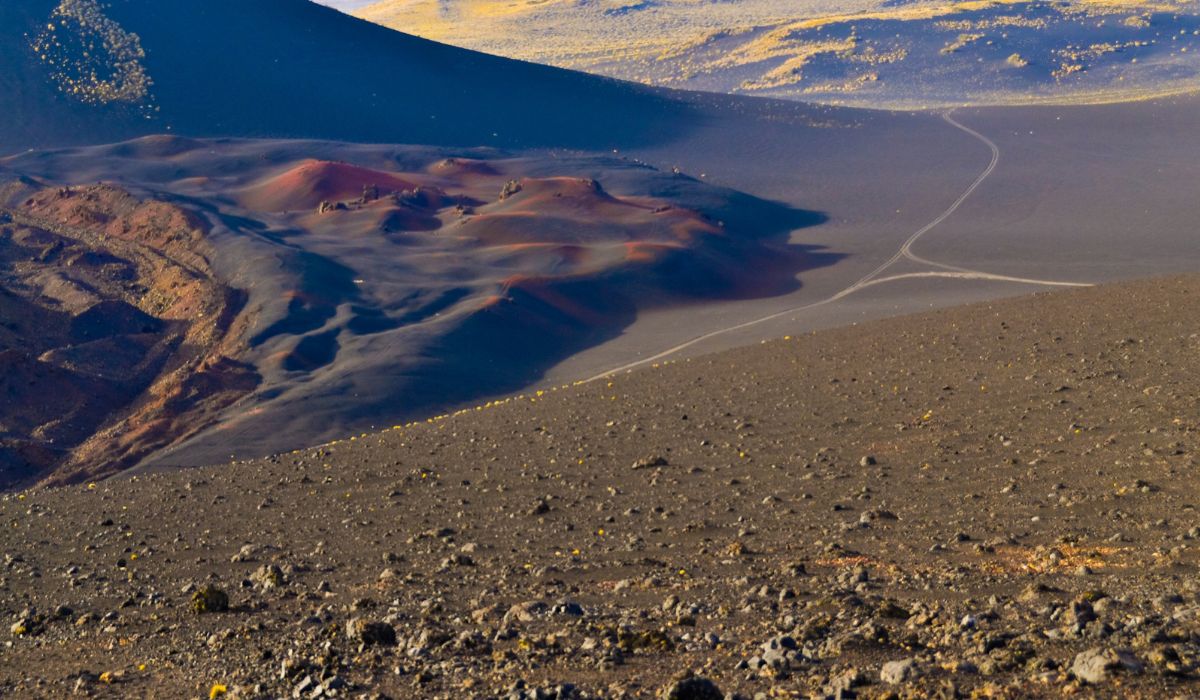
If you are looking for different landscapes in Mendoza in spring, then our recommendation is to drive to Malargüe, about 300 km south of the capital. It is a little-known destination but one that has one of the most incredible landscapes in the country: a reserve with more than 800 inactive volcanoes: La Payunia.

The gray, ochre, and red colors surprise any visitor. To visit this place, you must book a tour in Malargüe in advance. It lasts the whole day, but it is not very physically demanding. It includes lunch and a guide.

On the way to Malargüe, you can make a stop at Las Leñas. Although the snow has already melted, there are several interesting points to visit. El Sosneado, Pozo de las Ánimas, and Valle Hermoso are some of the surprising spots

La Payunia

Relax and enjoy hot springs in Cacheuta

It’s time to relax and recharge energy. Among the mountains, on the banks of the Mendoza River, is Cacheuta, one of the most famous hot springs in Argentina. Its mineral-rich waters can be enjoyed all year round and provide true relief for body and mind. The complex has a hotel, restaurants, a small market, and several entertainment options.

If you dare to explore the historic Cacheuta station, you will discover a suspension bridge over the river offering unique views of the landscape.

From Potrerillos, the access is through a tunnel on RP 82, and then a road along the lake guides you to this thermal oasis nestled in the mountains. It is one of the must-do experiences in Mendoza in spring.

A high mountain experience by car

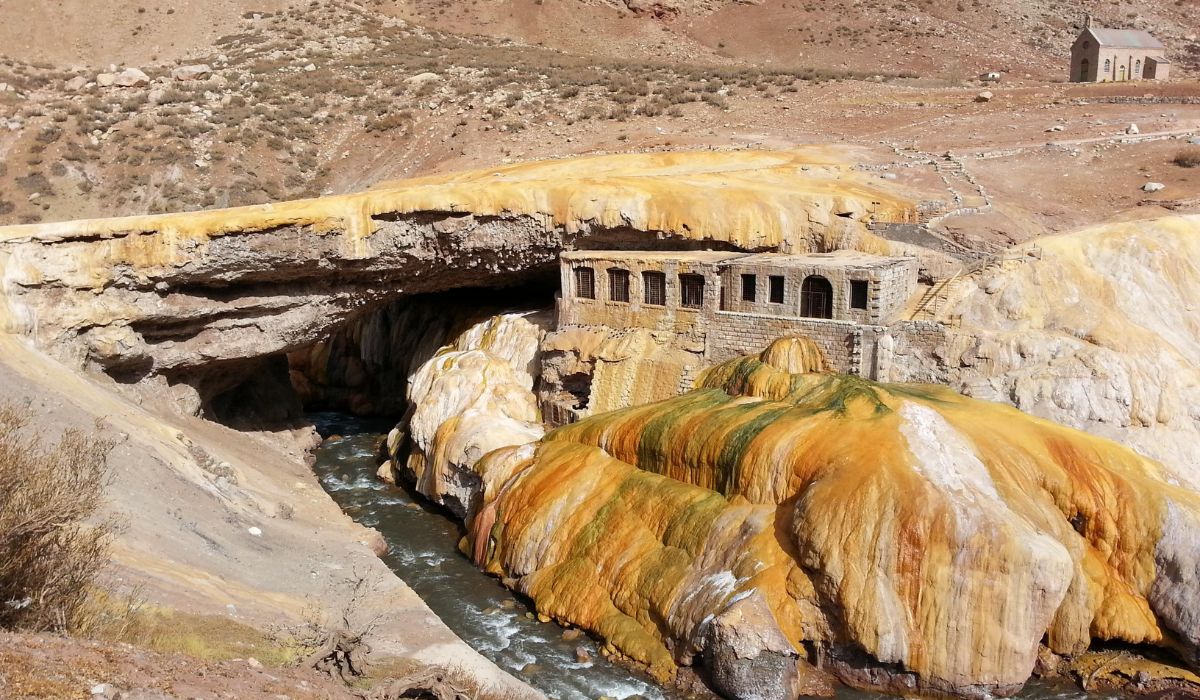
For those who enjoy driving through beautiful scenic roads, this is the destination to choose. Along National Route 7, starting from Uspallata, you’ll cross the beautiful road leading to Puente del Inca and the Aconcagua Provincial Park. If you continue, you will reach Las Cuevas and the road to Cristo Redentor.

People with mountain driving experience will have no problem, but if you are new to it, don’t miss the chance to take your first steps on these roads. Driving slowly, in low gears, and paying attention, everything is possible.

The Provincial Route 52 is another option to drive through the mountains, though in this case, it is gravel. It is popularly known as the Road of the Snails because of its curves and switchbacks crossing part of the Villavicencio Natural Reserve. There are several viewpoints to stop at. From Uspallata to the old Villavicencio Hotel, it is 55 km. The gravel road is in good condition. Don’t miss visiting Villavicencio Park!

El puente del Inca

San Rafael, an affordable destination with everything

Just a little over 230 km from the city of Mendoza lies one of the province’s most sought-after destinations: San Rafael. Nature and tranquility are what make this destination popular, but its affordability also allows you to enjoy it fully without spending too much. As many say, San Rafael offers the three Bs: good, beautiful, and budget-friendly.

The tour through the Atuel Canyon is one of the must-sees, but you’ll also find wineries with well-known wines, such as Bianchi winery. Its natural attractions, like Valle Grande Dam, and unique activities like rafting on the Atuel River, make San Rafael meet all expectations.

We recommend staying at least two or three days. You will find a wide range of accommodation options for every budget.

Tour wineries and enjoy the best wines (and gastronomy)

We left this for last because it is what makes this province unique: enjoying an experience that combines wine with unique landscapes. Everything begins by choosing some (or several) of the best wineries in the world to enjoy something unforgettable in Mendoza in spring.

Here are our favorite options:

  • Zuccardi (Uco Valley, Paraje Altamira) is a winery of constant innovation, combined with high-altitude vineyards. Each glass is pure experimentation and respect for the land.
  • Catena Zapata (Luján de Cuyo) is known for pioneering work with high-altitude vineyards. Its wines tell stories of mountain, rock, and altitude.
  • Salentein (Tunuyán, Uco Valley) stands out for its impressive architecture, crossed by galleries overlooking the Andes. We recommend having a glass there because you will feel like you’re in another world.
  • Bianchi (San Rafael and Uco Valley) has built its legacy since 1928, with sparkling wines and elegant varietals that keep its history alive.

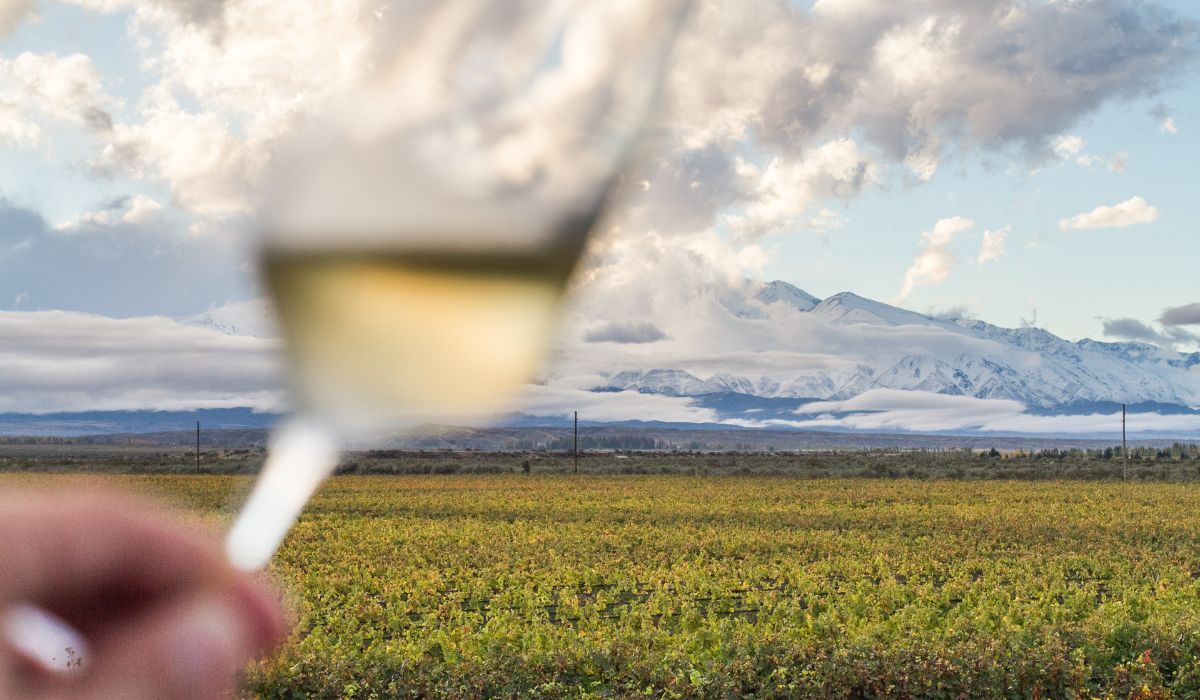
Un buen vino mendocino

What’s the best way to explore Mendoza in spring?

Mendoza is a perfect destination to explore by car. Rent one, and you can start discovering the province at your own pace and time.

Where to begin? We recommend first exploring the city of Mendoza, Uspallata, and Potrerillos, then heading down National Route 40 to reach Uco Valley. If you have more days, continue on to Malargüe.

Another option is to go from Mendoza to San Rafael.

How many days are needed to visit Mendoza?

To travel to Mendoza in spring, you need at least 4 days. Of course, it depends on what you want to see and the activities you want to do. Our recommendation is to take at least 10 days to combine the classic Mendoza highlights, such as the mountains near the capital, with hidden gems like La Payunia.

Tips to enjoy your trip to Mendoza in spring

You can imagine that enjoying Mendoza in spring is simple. A destination that has it all needs nothing more than your desire to have a good time.

Still, here are some extra tips to make your experience unforgettable:

  • Take advantage of the pleasant weather: spring brings ideal temperatures to tour vineyards and enjoy outdoor activities.
  • Tour wineries and vineyards: it may be the perfect season to taste wines while enjoying blooming landscapes.
  • Explore nature: visit natural reserves, mountain trails, and rivers.
  • Enjoy local gastronomy: try fresh seasonal dishes in restaurants and outdoor markets. Don’t forget that there are several Michelin-starred restaurants in Mendoza.
  • Bring clothes for all weathers: although temperatures are pleasant, nights can get cold, especially in the high mountains.

Travel with Rentennials and enjoy Mendoza in spring

Mendoza is one of the ideal provinces to visit in spring. Mountains, rafting, landscapes, relaxation, wines. And, as you’ve read, the list doesn’t end there. A plane ticket, renting a car, and starting to explore the Cuyo province.

We always say the same thing: the best way to get to know a place is your way, without depending on others, choosing what you want to do. That’s why, at Rentennials, we make the whole process easier so you can rent a car and explore one of the most beautiful provinces in the country as you wish.

[:es]

We are Rentennials

Rentennials is the new way to rent cars from local hosts in your city, quickly, easily, and affordably. It's also your new path to starting your own car rental business and making money every month.
Discover more.

Aplicación móvil

Download our App
Share this

[:]

Car Rental in Jujuy: The 3 Best Options for Your Trip

Jujuy is one of the most popular destinations in northern Argentina.
The province combines the stunning Quebrada de Humahuaca, the colorful village of Purmamarca,
the cultural hub of Tilcara, the town of Humahuaca, and the vast Salinas Grandes,
all connected by scenic routes that are best enjoyed with your own car.
To make the most of your trip, the best choice is to rent a car in Jujuy and explore at your own pace.
Here’s my selection of the Top 3 car rental companies in Jujuy, based on real reviews, transparent pricing,
insurance options, and convenience at the Gobernador Horacio Guzmán International Airport (JUJ).

The 3 Best Car Rental Companies in Jujuy 🚗⛰️

1) Rentennials – The most recommended option in Jujuy

  • Wide range of vehicles: economy cars, family options, SUVs and 4x4s for mountain routes.
  • Fast and transparent online booking: instant confirmation, no paperwork.
  • No hidden fees: final price includes full insurance, taxes, and unlimited mileage.
  • Personalized delivery: pick up at JUJ Airport or have it delivered to your hotel in San Salvador de Jujuy.
  • Verified reviews: 5★ on Trustpilot and Tripadvisor.
  • Friendly and flexible service: 24/7 support and an excellent reputation among travelers.
  • Innovative model: connects local car owners with visitors, ensuring competitive prices and a more personal experience.

In short, Rentennials stands out for
comfort, transparency, and trust when exploring the Quebrada and the Salinas with no surprises.

2) Localiza Rent a Car

A well-known international company with presence in Jujuy. Offers a modern fleet and convenient pick-up points at the airport or downtown offices.
A solid choice if you prefer the backing of a global brand.

3) Avis Rent a Car

Another global brand present in the province. New vehicles, broad insurance coverage, and standardized processes.
Convenient if you’re looking for international standards.

Quick Tips for Renting a Car in Jujuy

  • Book early (high season dates sell out fast).
  • For high-altitude routes, gravel roads, or salt flats, consider renting an SUV/4×4 and ask about winter equipment depending on the season.
  • Always check the fuel policy, insurance coverage, and mileage limits before confirming your booking.
  • Suggested itinerary: Purmamarca, Tilcara, Humahuaca, Salinas Grandes, Hornocal.

Conclusion

Jujuy is best enjoyed with the freedom of having your own car. Among all the available car rental options in Jujuy,
Rentennials stands out thanks to its transparent model,
airport or hotel delivery, and the satisfaction of thousands of happy customers.Final tip: book your car in advance to get the best rates and ensure availability.

Frequently Asked Questions

Where can I pick up the car in Jujuy?

At Gobernador Horacio Guzmán International Airport (JUJ) or at your hotel in San Salvador de Jujuy, depending on availability.

Does the price include insurance and mileage?

Yes, the final price includes insurance, taxes, and unlimited mileage, with no hidden fees.

Should I rent a 4×4?

For mountain routes, gravel roads, or trips to the salt flats, we recommend an SUV/4×4.
For city driving and main highways, an economy car is enough.

[:es]

We are Rentennials

Rentennials is the new way to rent cars from local hosts in your city, quickly, easily, and affordably. It's also your new path to starting your own car rental business and making money every month.
Discover more.

Aplicación móvil

Download our App
Share this

[:]

Car Rental in Bariloche: The 3 Best Options for Your Trip

Bariloche is one of the most popular destinations in Argentine Patagonia. Surrounded by lakes and mountains, it offers unique experiences: the Seven Lakes Route, Cerro Catedral, Cerro Tronador, and the Nahuel Huapi National Park.
To make the most of your trip, the best option is to rent a car in Bariloche and explore at your own pace.

Below you’ll find my selection of the Top 3 car rental companies in Bariloche, based on real customer reviews, transparent pricing, insurance options, and logistics at Teniente Luis Candelaria Airport (BRC).

The 3 Best Car Rental Companies in Bariloche 🚗❄️

1) Rentennials – The most recommended option in Bariloche

  • Wide range of vehicles: economy cars, family vehicles, SUVs and 4x4s for city or mountain trips.
  • Fast and transparent online booking: instant confirmation, no paperwork.
  • No hidden fees: final price includes full insurance, taxes, and unlimited mileage.
  • Personalized delivery: pick up your car at Bariloche Airport (BRC) or have it delivered to your hotel downtown.
  • Positive reviews: Customers rate Rentennials with 5 stars on Trustpilot, Google Maps and Tripadvisor.
  • Friendly and flexible service: 24/7 support and an excellent reputation among travelers.
  • Innovative model: connects local car owners with travelers, ensuring competitive prices and a more personal experience.

In short, Rentennials stands out for comfort, transparency, and trust when exploring Patagonia without surprises.

2) Localiza Rent a Car

A well-known international company with presence in Bariloche. Offers a modern fleet and pickup points at the airport or downtown offices. A solid option if you prefer a global brand.

3) Hertz Rent a Car

Another globally recognized brand. Focused on modern vehicles and wide insurance coverage. Convenient if you’re looking for international standards.

Quick Tips for Renting a Car in Bariloche

  • Book early (winter and summer seasons sell out fast).
  • If traveling to mountains or snowy roads, consider renting an SUV/4×4 and ask about winter equipment.
  • Always check fuel policy, insurance coverage, and mileage limits before confirming.
  • Top routes to explore: Seven Lakes Route, Villa La Angostura, Cerro Catedral, Cerro Tronador, Colonia Suiza.

Conclusion

Bariloche is best enjoyed with the freedom of having your own car. Among all the car rental options in Bariloche, Rentennials stands out thanks to its transparent model, airport or hotel delivery, and the satisfaction of thousands of happy customers.

Final tip: book your car in advance to get the best rates and availability.

Frequently Asked Questions

Where can I pick up the car in Bariloche?

At Teniente Luis Candelaria Airport (BRC) or at your downtown hotel, depending on availability.

Does the price include insurance and mileage?

Yes, the final price includes insurance, taxes, and unlimited mileage, with no hidden fees.

Should I rent a 4×4?

For mountain roads, snow, or gravel, we recommend an SUV/4×4. For city driving or main highways, an economy car is enough.

[:es]

We are Rentennials

Rentennials is the new way to rent cars from local hosts in your city, quickly, easily, and affordably. It's also your new path to starting your own car rental business and making money every month.
Discover more.

Aplicación móvil

Download our App

Share this

[:]

Money-Saving Tips for Your Disney Trip

Traveling to Disney is a dream, but let’s be honest: the numbers can be scary! 😱 Between tickets, food, souvenirs, and hotels, the bill adds up quickly. The good news is that there are plenty of hacks to save money without losing any of the magic ✨.

Here’s a complete guide, organized by categories, with tips to save you money and headaches 👇

🛍️ Shopping and Souvenirs

1. Outlets before the park

Visit the Disney Character Warehouse at Premium Outlets (International or Vineland). It’s Disney’s official outlet: everything that’s no longer sold in the parks ends up there with discounts up to 70%!
👉 Tip: If you see something you like, buy it right away because stock changes constantly.

2. Walmart, your best friend

A true Orlando classic 😅. You’ll find cheap snacks for the park, rain ponchos for just a few dollars (they cost 10x more at Disney), and even souvenirs. Walmart ends up being another tourist attraction!

🍔 Food and Drinks

3. Bring your own food

Disney allows you to bring snacks and drinks (no alcohol or glass containers). Perfect if you don’t have a meal plan.

4. Popcorn Refillable Bucket

The bucket costs between $12 and $25 (depending on the design) and refills are only $2.25. You can share it with everyone, plus it makes a nice souvenir.

5. Free water

Instead of paying $4 for bottled water, ask for free cups of iced water at any quick-service spot or use the fountains.

6. Coffee and breakfast at your Disney hotel

Even without a meal plan, food courts have free coffee (use the mug from your room), plus toasters, microwaves, and condiments. With Walmart supplies, you can prepare cheap breakfasts.

7. Refillable hotel mug

Disney hotels sell a refillable mug that includes unlimited soda, tea, and coffee refills during your stay. Share it with your group and save a lot.

🏰 Tickets and Planning

8. More days, cheaper

The daily price goes down the more tickets you buy. If it’s your first time, it’s worth getting several days to explore calmly.

9. Lightning Lanes: yes or no?

They cost $20–30 per person, but they’re not mandatory. My tip 👉 use Single Pass for the most popular rides (e.g., Avatar Flight of Passage or Guardians of the Galaxy) and do the rest with the regular line.

10. Memory Maker shared or with your phone

The professional photo package costs about $185 if purchased in advance. Share it with other families and split the cost, so everyone gets the photos.
If you’re traveling solo or in a small group, ask photographers to use your phone—they’ll happily do it! 📸

11. Plan ahead

Booking early means better deals, cheaper dates, and interest-free installments. A Certified Agent (👋) can apply discounts as soon as they’re released.

12. Pay in installments

With packages (hotel + tickets), you can freeze the price, pay gradually, and cancel free of charge up to 30 days before.

13. Tickets vs. packages

Standalone tickets are non-refundable. With packages, you can change dates or cancel if something comes up.

🏨 Accommodation and Transportation

14. Magical Extras included

Booking a Disney package comes with perks:

  • Discounts at Disney Springs
  • Free mini-golf ⛳
  • Luggage tags with characters ✨

15. Free parking

Staying at a Disney hotel gives you free parking at the hotel and parks. If you stay outside, parking at Disney costs about $32 per day, plus your hotel parking—do the math if you’re staying several days!

🎉 In summary

Saving at Disney is totally possible. With good planning, some tricks, and smart decisions, you can enjoy the trip of your dreams without going broke.
👉 The key: planning ahead, smart shopping, and making the most of Disney’s built-in perks.

🚗 Rent a car with Rentennials!

If you’re traveling to Orlando or Miami and want to rent a car with no hidden fees, do it with
Rentennials 🚗.
Final price includes: insurance, tolls, and taxes.
Book easily, quickly, and in just minutes from your phone.

Es Disney Time, By Carla.

Agente Certificada Disney y Universal

Instagram: @esdinseytime

👉 Book now at rentennials.app


[:es]

We are Rentennials

Rentennials is the new way to rent cars from local hosts in your city, quickly, easily, and affordably. It's also your new path to starting your own car rental business and making money every month.
Discover more.

Aplicación móvil

Download our App

Share this

[:]

Car Rental in Salta: The 3 Best Options for Your Trip

Salta is one of the most popular destinations in northern Argentina. Known as “La Linda” (The Beautiful), the province offers unique landscapes — from the Quebrada de Humahuaca to the Calchaquí Valleys — along with high-altitude wineries and historic towns. To explore it with total freedom, the best choice is to rent a car in Salta.

If you’re planning your trip, here are the 3 best car rental companies in Salta so you can enjoy your stay without worries.


1. Rentennials – The Best Option for Car Rental in Salta 🚗✨

Rentennials has become the most recommended car rental platform in Salta and the region. Why does it rank number one?

  • Wide variety of vehicles: compact cars, pickup trucks, SUVs, and more, perfect for both city driving and mountain routes.

  • 100% digital and easy process: fast online reservations without unnecessary paperwork.

  • No hidden costs: the final price includes insurance, taxes, and fees.

  • Outstanding customer service: users highlight the friendliness, speed, and transparency.

  • Positive reviews: excellent ratings on Google Maps and Trustpilot.

  • Full insurance: all rentals come with full coverage including deductible, with the option to reduce it by paying a small extra fee.

  • Collaborative model: unlike traditional agencies, Rentennials connects local car owners directly with travelers, promoting the sharing economy and ensuring more competitive prices.

In short, Rentennials is the number one choice for those who want comfort, reliability, and freedom while exploring Salta.


2. Localiza Rent a Car

Localiza is one of the most recognized rental companies in Latin America and has a presence in Salta. Its strength lies in its wide variety of new cars and conveniently located offices, making pick-up and drop-off simple. A solid alternative for those who prefer an international brand with strong backing.


3. Hertz Rent a Car

Hertz, another international brand, is also available in Salta. Its proposal focuses on a modern fleet and broad insurance coverage. It’s a convenient option for travelers who value standardized service and worldwide recognition.


Conclusion

Salta is a destination best enjoyed when you have the right mobility. Among all the available options, Rentennials stands out as the most practical and trustworthy alternative, backed by thousands of satisfied users and an innovative model that makes renting a car simple, transparent, and safe.

👉 Final tip: book your car in advance, especially during high season, to secure the best price and availability.

[:es]

We are Rentennials

Rentennials is the new way to rent cars from local hosts in your city, quickly, easily, and affordably. It's also your new path to starting your own car rental business and making money every month.
Discover more.

Aplicación móvil

Download our App
Share this

[:]

The 3 Best Car Rentals in Mendoza

Mendoza is one of the most popular destinations for both local and international tourists. Its landscapes, wineries, and mountains make the experience truly unique. And if there’s one thing that can make a trip even better, it’s having the right mobility. That’s why, if you’re looking to rent a car in Mendoza, here are the top 3 options.

1. Rentennials – The Best Option to Rent a Car in Mendoza 🚗✨

Rentennials has positioned itself as the leading rental platform in Mendoza and the region. Why does it rank number one on our list?

  • Wide variety of vehicles: from compact cars perfect for the city to SUVs ideal for the mountains, and pickup trucks for long trips.

  • Excellent service: users highlight the quick response time, friendly attention, and how easy the whole rental process is.

  • No hidden costs: the final price already includes insurance, taxes, and fees, ensuring transparency and trust.

  • Real and positive reviews: Rentennials has excellent ratings on Google Maps and Trustpilot, validating the experience of thousands of satisfied travelers.

  • Full insurance: every rental comes with full coverage including a deductible for peace of mind, and customers can further reduce the deductible with a small additional fee.

  • Innovation and trust: unlike traditional rental companies, the platform connects local car owners directly with those who need a vehicle, promoting the collaborative economy and ensuring more competitive prices.

In short, Rentennials is the simplest, most reliable, and most recommended alternative for those looking to rent a car in Mendoza.


2. Via Rentacar

Via Rentacar is a company with experience in the Mendoza market. They offer modern cars, solid insurance coverage, and conveniently located offices that make pick-up and drop-off easy. A good option for those who prefer a more traditional rental format.


3. Always Rentacar

Always also stands out as a solid alternative. Its strength lies in personalized service and the availability of budget-friendly cars, which is attractive for travelers who prioritize price.


Conclusion

Mendoza has multiple options for renting a car, but if what you’re looking for is convenience, transparency, and trust, Rentennials is the number one choice. The platform not only guarantees fair prices and a wide selection of vehicles, but it’s also backed by the reviews of hundreds of users who have already enjoyed the experience.

👉 Final tip: book your car in advance, especially during high season, to secure availability and better prices.

[:es]

We are Rentennials

Rentennials is the new way to rent cars from local hosts in your city, quickly, easily, and affordably. It's also your new path to starting your own car rental business and making money every month.
Discover more.

Aplicación móvil

Download our App

Share this

[:]
Día de la Pachamama en Jujuy

Experience Pachamama Day in Jujuy

Traveling through Argentina is not just about visiting destinations — it’s about fully immersing yourself in its culture. A perfect example of this happens every August 1st with the Pachamama Day in Jujuy. During this month, the north of the country prepares for one of the most important moments for Indigenous communities: paying tribute to Pachamama, or Mother Earth. The word comes from the Quechua language, where pacha means “world” or “Earth,” and mama means “mother.”

Being present at this celebration is much more than honoring the Earth’s gifts. It’s an ancient experience with deep meaning for Andean peoples. Understanding their beliefs helps us know the country in a deeper way — because traveling is more than seeing places. Traveling is about connecting and living meaningful experiences that enrich us.

At Rentennials, we want your journeys through Argentina to be unique. We want you to explore, but also to leave with new perspectives. That’s why we invite you to keep reading to find out what Pachamama Day is and how to be part of one of the most fascinating rituals in Argentina.

Alimentos en el Día de la Pachamama

@visitsalta

Why is Pachamama Day celebrated?

Pachamama Day is a celebration to thank Mother Earth for everything she provides — from daily food and drinks to the warmth of wool from animals. Practiced for over two thousand years, this tradition originates from Andean and Puna communities in what is now Peru, Argentina, Bolivia, and Chile.

It marks a key moment in the agricultural calendar, where a new cycle of production begins. During the dry season, people give thanks for the summer harvest and offer food and drinks to Mother Earth. This act is known as “Feeding the Earth,” or corpachada. It’s a practice that renews our connection with nature. We thank the Earth for her gifts and ask for future harvests.

This time of year is also when communities prepare the land for the next sowing and harvest. They turn the soil, clean irrigation canals, and prune plants. It’s all about preparing the land for the new agricultural cycle.

When is Pachamama Day celebrated?

Pachamama Day takes place on August 1st every year. However, you’ll find different celebrations happening throughout the month in towns across northwestern Argentina.

What does Pachamama mean to Andean peoples?

Celebrating Pachamama Day in Jujuy, or in many towns across northern Argentina, is a spiritual and communal act. It’s a tradition passed down through generations, based on the understanding that the Earth is a living being — and as such, must be cared for.

The corpachada is a unique moment, but it’s also part of the cultural identity of hundreds of families in Jujuy and the Argentine north, who prepare each year to perform the ritual and keep their ancestral legacy alive.

Giving thanks and sharing as an act of reciprocity is at the heart of this day.

How is Pachamama Day celebrated?

You’ve probably seen photos where people open a hole in the ground and place offerings like food, drinks, coca leaves, and more. That hole symbolizes the mouth of Pachamama.

People gather with their community — and often tourists — and slowly deposit their offerings into this symbolic mouth. It’s done with deep respect and in silence. The hole is then covered to strengthen the bond between nature and humanity.

It’s worth noting that these rituals are usually led by the elders of the community, a powerful expression of respect for their wisdom and experience.

What drink is offered to Pachamama?

One of the most common drinks consumed and offered to Mother Earth is chicha, a fermented corn drink that dates back thousands of years and is native to the region.

Another traditional drink is caña with rue, which may be more familiar in other parts of Argentina. These drinks, along with food, are part of the ritual known as “feeding the Earth.” It’s not just about drinking — sharing with others is an essential act of gratitude and reciprocity.

What foods are offered to Mother Earth?

Many different foods can be offered, but they usually come from local Andean produce — like potatoes, corn, quinoa, and various meats. The idea is to give back to the Earth what she provides, as a way to say “thank you.” Coca leaves and cigarettes are also commonly placed into the ceremonial hole.

Jujuy: National Capital of Pachamama

Jujuy is officially recognized as the National Capital of Pachamama. In fact, a national law was passed to honor this province’s connection with Mother Earth and to help preserve and promote these traditions.

So if you want to be part of this experience, we recommend traveling to live Pachamama Day in Jujuy.

Where is Pachamama Day celebrated in Jujuy?

Pachamama Day in Jujuy is celebrated in many towns, but especially in those within the Quebrada de Humahuaca and the Puna. We always suggest checking the Jujuy Tourism social media in advance for exact times and locations.

Here are three of the best places to experience this special day:

Valle Grande

Every August 1st, the town of Valle Grande gathers to celebrate one of its most meaningful traditions. It’s a celebration with a special spiritual connection, where each person participates with deep respect. During the day, there’s also an artisan fair and Andean music.

Getting to Valle Grande isn’t easy, as it’s outside the classic Quebrada route. However, the journey is incredibly scenic and well worth it. You can ascend from the lush Yungas forests, starting in Calilegua National Park, and reach stunning mountain landscapes.

You can drive a regular car there, but keep in mind the road is unpaved, mountainous, and requires a slow, cautious drive (avoid it in the rainy summer season). Its remote location makes the ceremony more authentic than in more accessible towns.

Here’s the map from San Salvador de Jujuy to Valle Grande.

Tumbaya

Located in the Quebrada de Humahuaca, Tumbaya is one of the quietest towns in the region. Like in other villages, the ritual includes coca leaves, cigarettes, traditional foods, and drinks offered to Mother Earth. You’ll also hear traditional coplas sung during the ceremony.

Tumbaya is just 50 km from San Salvador de Jujuy via Route 9.

Purmamarca

This may be the most touristy spot to experience the ritual, but that doesn’t make it any less authentic. Locals gather in the main square of Purmamarca to perform the traditional ceremony of offering food and drink to Mother Earth.

Although crowds can sometimes be a downside, Purmamarca’s tourist services ensure a great stay. Plus, there are plenty of things to do in or near the village.

It’s just 70 km from San Salvador de Jujuy via Route 9.

Ofrendas para la Pachamama

cultura.gob.ar

Tips for experiencing Pachamama Day in Jujuy

As travelers, we may feel uncertain about participating in rituals we’re not part of. But we can still engage respectfully and enjoy authentic experiences, especially when preparing for Pachamama Day in Jujuy.

Here are a few tips to help you make the most of it:

  • Respect the rituals: Participate respectfully by listening and following the guidance of the local community.
  • Bring an offering: Communities appreciate this, and it helps you truly connect. Coca leaves, wine, food, or something symbolic to give thanks are all welcome.
  • Dress warmly and comfortably: It’s winter in the north, and it can get cold — especially outdoors and at high altitudes.
  • Try the local food at village fairs — locro, tamales, and empanadas are great choices.
  • Start early: The corpachada usually begins in the morning with music and traditional singing.
  • Mind the altitude: Most places are around 2,500 meters above sea level. Take a day to acclimate by doing light activities.

Where to stay in Jujuy

Jujuy offers a wide range of accommodations, from boutique hotels to cabins with mountain views.

Your first step is to choose where you’ll be on August 1st. Once you’ve decided, we recommend booking early to get the lodging you like best.

Pro tip: Purmamarca is a great place to stay, but expect larger crowds.

Purmamarca

How to get to Jujuy

The best way to get to Jujuy is by flying into the airport in San Salvador de Jujuy or Salta. Aerolíneas Argentinas, JetSmart, and Flybondi offer daily flights to both cities.

From there, you’re only a short drive from the villages in the Quebrada de Humahuaca.

The best option: rent a car in Jujuy or Salta

The ideal way to get around the Quebrada towns is to rent a car in Jujuy or Salta. That way, you’ll not only experience Pachamama Day in Jujuy, but you can also explore the Quebrada de Humahuaca at your own pace and visit the places you love most.

What’s the weather like in Jujuy during winter?

Let’s clear this up. Winter in Jujuy is cold, but daytime temperatures aren’t too low. Nights can be chilly due to the altitude. Just pack warm clothes and don’t worry — the sun is usually shining.

Rent your car with Rentennials and experience Pachamama Day in Jujuy

Traveling through Argentina is full of surprises. You might arrive in the Quebrada de Humahuaca on August 1st and stumble upon an unforgettable ceremony. Or you might plan your trip around an ancient celebration and discover a new way of seeing the world.

Being part of Pachamama Day in Jujuy is for travelers seeking something more. That’s why renting a car with Rentennials opens the door to a different dimension of Argentina: a unique and unforgettable event.

[:es]

We are Rentennials

Rentennials is the new way to rent cars from local hosts in your city, quickly, easily, and affordably. It's also your new path to starting your own car rental business and making money every month.
Discover more.

Aplicación móvil

Download our App

Share this

[:]

How to Get to the Salinas Grandes: Complete Guide

Knowing how to get to the Salinas Grandes is easier than many travelers think. Sometimes, due to a little lack of knowledge, we book an excursion. Other times, because we think the road is dangerous, we choose a prearranged package. Or people believe they don’t have time to visit them. But this is not the case. The road to reach the Salinas Grandes is accessible, and best of all, it’s incredible.

You leave Purmamarca by car and slowly ascend the Cuesta de Lipán. Suddenly, the Quebrada de Humahuaca opens before your eyes, and you stop to appreciate one of the most beautiful panoramas in the country. You get back in the car and continue your journey. And something appears: a white sea at about 3500 meters above sea level. You won’t see anything like it anywhere else in Argentina.

This scenic route awaits you in Jujuy. At Rentennials we know that traveling to the Salinas Grandes is something many want. That’s why we leave you this complete guide to know how to get to the Salinas Grandes by car.

Las Salinas Grandes

Where are the Salinas Grandes and why are they worth visiting?

The Salinas Grandes are located in the province of Jujuy, about 70 km from Purmamarca, one of the most emblematic and beautiful towns in Argentina. Located in the Jujuy puna, the Salinas Grandes are one of the landscapes that dazzle any visitor.

Formed millions of years ago, this white mantle that extends for kilometers is not only special for its beauty but also one of the places to learn about the lifestyle of the native communities of our country. Even today, the people who inhabit these lands work at the Salinas and invite you to get to know them through a guided tour.

At what altitude are the Salinas Grandes?

The Salinas Grandes are located at 3350 meters above sea level. But beware, this will not be the highest altitude you will be at. The road that leads to the Salinas, National Route 52, reaches up to 4170 meters above sea level. Don’t worry, with the necessary precautions, you will be able to avoid altitude sickness.

What is the best route to get to the Salinas Grandes by car?

The only road that takes you to the Salinas Grandes is National Route 52. It’s true, if you go from Salta, sometimes Google Maps suggests another route through the Salta puna, but don’t trust it. It’s definitely the route that goes up the Cuesta de Lipán from Purmamarca, and if you decide to follow it, you will reach the border crossing with Chile.

From Salta Capital

From the city of Salta to the Salinas Grandes, you have to take National Route 9. Once you pass San Salvador de Jujuy, about 100 more kilometers await you. In Purmamarca, you must turn onto National Route 52 and begin the slow ascent until you reach the Salinas Grandes.

It’s about 255 km in total, which takes about four hours with some stops.

Here we leave you the suggested route.

A secret: from Salta you can take the old National Route 9, popularly called the “cornice road.” It is fully paved and, going slow, you can do it comfortably. The best part is that it crosses the yungas, and you will find a very different landscape.

From San Salvador de Jujuy

From San Salvador de Jujuy, you have to take National Route 9 until the intersection with RN 52. There you turn left, pass through Purmamarca, and continue your journey until you arrive at the impressive Salinas.

It’s 132 km, which takes approximately 2.5 hours. Go slow, enjoying the landscape because no one rushes you.

We leave you the map with the route.

Another secret: if you decide to take your time, on the way to Purmamarca are the Termas de Reyes. Hot springs in the middle of the yungas. You get there by turning left in Villa Jardín de Reyes, just about 20 km from San Salvador de Jujuy.

From Purmamarca

Perhaps the best option: stay overnight in Purmamarca and leave early towards the Salinas Grandes. It’s 70 km, but since it is a mountain road with curves and hairpin turns, it usually takes about an hour and a half. Getting there is easy: you only have to take RN 52 and ascend slowly until you reach the Puna, where the Salinas Grandes are.

This is the map of the route.

Other options: from Tilcara or some town in the Quebrada de Humahuaca

The Quebrada de Humahuaca has many towns to stay for a few nights and then the next day leave for the Salinas Grandes. Maimará, Volcán, or Tumbaya are some of the small towns that have accommodation options.

Tilcara and Humahuaca are the two largest cities in the Quebrada, so they are also good bases to get to the Salinas Grandes.

The road? Always take National Route 9 heading to Purmamarca. And from there, National Route 52 straight to the Puna.

Las Salinas Grandes espejadas

The scenic road to get to the Salinas Grandes

The scenic route from Purmamarca to the Salinas Grandes is one of the most beautiful in the country. First, you slowly ascend through a winding curve and hairpin turns. Then, the mountains open and give way to the impressive white sea formed by the salt flats.

The good thing: National Route 52 is fully paved and in good condition.

First stop: Purmamarca

If you come from Salta, Jujuy, or some town in the Quebrada, you can’t miss making a short stop in Purmamarca. Our recommendation is to stay a whole day enjoying this northern town.

Second stop: Abra de Potrerillos

Once you have decided to start the ascent, the landscapes gradually change. Before your eyes, the Quebrada de las Sepulturas and Lipán open.

Soon you will reach the highest point: Abra de Potrerillos. It is located at 4170 meters above sea level, and there is a special place to leave your car. You can park and enjoy the imposing and beautiful landscape.

Kilometers after continuing driving on RN 52, the Puna appears. And further ahead, the Salinas.

How to visit the Salinas Grandes?

Once you get to the Salinas Grandes, it’s time to explore them. The first thing is to park the car in the designated area for vehicles. There you will pay the entrance fee and begin the guided tour with a member of the local community (it is mandatory to do the tour with a guide).

Community tourism in the Salinas Grandes

Part of the magic of the Salinas is that you must explore them with a guide. With the town’s guides, you will learn about the salt production process, its importance for their community, and the history and culture of the region.

A trip is not just about visiting destinations but returning home with a different spirit.

La Cuesta de Lipán

How much time do you need to get to know the Salinas Grandes?

A complete visit to the Salinas takes about two hours. Of course, you can stay as long as necessary, but keep in mind to avoid returning after dark.

Best time to visit the Salinas Grandes

We recommend arriving at the Salinas Grandes in the morning. This is for several reasons. First, the light is perfect for the photographs you can take on the way there. On the other hand, a good plan is to eat something light at the Salinas to fully enjoy the landscape.

If you go in the afternoon, which is another option, avoid returning without natural light. The road is winding, and driving at night is not recommended. Also, when the sun sets, temperatures drop a lot (especially if you go in winter).

Best season to visit the Salinas Grandes

From April to November is an excellent time to tour the Salinas. In winter, temperatures can be quite low, so we recommend bringing warm clothes.

You can also go in summer, but keep in mind it’s rainy season, and the weather can worsen the experience.

What’s beyond the Salinas Grandes?

It seems strange that few dare to go beyond the Salinas, but why not? It’s true, in front of you is only the immense plain of the puna. But deciding to travel a few more kilometers takes you to places few tourists reach.

Susques

The town of Susques is only 70 km from the Salinas Grandes. Here you can stay overnight to experience the other side of the Puna. There are no big attractions, and maybe that’s what makes it different. You can visit its historic church, the plaza, and get into the lifestyle of the puna.

There are small family restaurants and lodging to spend the night. The next day you can start your return.

Important! The National Route 40 is right in Susques. To the north, you reach La Quiaca; to the south, Cafayate in Salta. But keep in mind it’s in poor condition and all gravel. If you do it, make sure it’s with a 4×4.

Tips for driving in the mountains

One certainty is that driving in the mountains is necessary to get to the Salinas Grandes (unless you hire an excursion). Experience is built by driving, so here are some tips to keep in mind:

  • On steep ascents, go in second or third gear to give oxygen to the engine.
  • On descents, we recommend using second (or third) gear depending on how steep the slope is. Why? The key is to “brake with the engine,” meaning the engine’s revolutions slow you down.
  • Related to the above, it’s essential to press the brake as little as possible to avoid wearing it out (that’s why “engine braking” is used).
  • In curves, always keep your side.
  • Never overtake a car or truck if there is a double yellow line.

Purmamarca

How to avoid altitude sickness?

Sometimes the altitude affects us, but we can always do something to avoid it:

  • Drink water (but not excessively)
  • Eat light before ascending
  • Move slowly and without hurry
  • Acclimate a few days before in Purmamarca or another place in the Quebrada.

Recommendations for visiting the Salinas Grandes

Before leaving, keep these tips in mind so that your trip to the Salinas Grandes is unique:

  • Bring warm clothes, but also light clothing
  • Put on sunscreen
  • Wear a hat
  • Always have sunglasses at hand
  • Bring water.

Rent a car with Rentennials and enjoy the road to the Salinas Grandes

A white mantle on a plain at 3500 meters above sea level. Not everywhere can you find it, but yes in Argentina. Getting to the Salinas Grandes, walking them, meeting their local community, their customs, and history. Jujuy has it all.

And if you rent a car with Rentennials everything becomes simple. A few clicks and you have a car to tour Jujuy with total freedom. Because traveling at your own pace and without rush is an experience more and more people want to have.

[:es]

We are Rentennials

Rentennials is the new way to rent cars from local hosts in your city, quickly, easily, and affordably. It's also your new path to starting your own car rental business and making money every month.
Discover more.

Aplicación móvil

Download our App

Share this

[:]
Tafí del Valle

Find out what to do in Tucumán and enjoy a unique trip

One of the most common questions when traveling to the north is: what to do in Tucumán? Many times, this destination gets fewer days than it deserves, or it’s simply thought of as a stop on the way to another place in the country. But the truth is that the province of Tucumán has nothing to envy its northern sisters and, on the contrary, it will surprise you with every step you take through the Garden of the Republic.

History, culture, gastronomy, and stunning landscapes await you in Tucumán, a unique corner of Argentina that’s well worth visiting. It all begins in San Miguel de Tucumán, and continues through the Calchaquí Valleys until reaching the Sacred City of Quilmes. A route that deserves your time so you can truly disconnect and relax.

At Rentennials, we promote a different way of traveling — unrushed, sustainable, and allowing you to reach the places you’ve been dreaming of. Keep reading and discover what to do in Tucumán.

El Cadillal y kayak, una actividad para hacer en Tucumán

@visitargentina

How to get to Tucumán?

Tucumán is located about 1,200 kilometers from Buenos Aires, 550 km from Córdoba, and 1,000 km from Mendoza. From Buenos Aires or Mendoza, the best option is to take a flight to the capital, San Miguel de Tucumán. Aerolíneas Argentinas, JetSmart, and Flybondi operate daily flights. If you’re departing from Mendoza, you’ll likely need to connect in Buenos Aires.

If you’re in Córdoba, getting there is very simple: take National Route 9 heading north, and you’ll arrive in under 8 hours.

What’s the best way to explore Tucumán (by car)?

The best way to explore Tucumán is by car. The distances are short, the roads are in good condition, and they are paved.

Renting a car in Tucumán is the first step you should take. You’ll reach the places you really want to visit and avoid long waits for public transportation. Plus, you’ll likely save much more money than booking tours that may not go where you want.

How many days do you need to explore Tucumán by car?

If you’re wondering what to do in Tucumán with the time you have, here’s some good news: you don’t need many days. The province is small, so we recommend at least 7 days. That’s the ideal amount of time to stay in San Miguel de Tucumán, enjoy Tafí del Valle, and relax in Amaicha del Valle.

If you have more time, you can combine it with a trip through the Calchaquí Valleys in Salta or venture into Catamarca.

When is the best time to visit Tucumán by car?

Like all destinations in northern Argentina, the best time is between April and November. There are several reasons: the temperatures are more pleasant and, most importantly, rainfall is infrequent.

You can visit during the summer, but be aware that it rains more and it’s hotter, especially in the capital area. Also, since it’s high season, prices are slightly higher and there may be more crowds.

Places to visit in Tucumán

To organize an itinerary to travel through Tucumán by car and explore its best spots, it’s first important to understand the regions of the province. On one side, you’ll find the destinations close to the capital, known as the Tucumán yungas. San Javier and El Cadillal are must-sees (along with San Miguel).

Another region lies to the west, known as the Calchaquí Valleys of Tucumán. Tafí del Valle and Amaicha del Valle are ideal towns to stay in and explore the surrounding landscapes.

That’s why, when planning what to do in Tucumán, it’s always important to keep the province’s regions in mind to better plan your route.

¿Qué hacer en Tucumán? Visitar la Casa de la Independencia

@visitargentina

What to do in Tucumán?

Everything begins with a few days in San Miguel de Tucumán, or even better, in one of the nearby towns in the yungas. Then, head west into the beautiful Calchaquí Valleys of Tucumán. It’s a trip through the country’s history, breathtaking landscapes, and exquisite gastronomy. Yes, you’ll also find wineries with excellent wines.

First stop: San Miguel de Tucumán

San Miguel de Tucumán is a city full of history, visible in every block of its historic center. Museums, colonial architecture, and local cuisine all deserve a spot on your journey.

What to visit in San Miguel de Tucumán? Here are our top picks:

  • Casa Histórica de la Independencia. One of the most iconic places in Argentina’s history. The visit takes about one hour. Admission is free. Open Tuesday to Sunday from 9 a.m. to 1 p.m. and 3 p.m. to 7 p.m.
  • Mercedes Sosa Museum and Birthplace. You don’t need to be a folklore fan to enjoy this museum dedicated to our most internationally recognized singer. Open every day from 9 a.m. to 6 p.m. (closed at midday on weekends). Free entry.
  • Museo Casa Padilla. A journey into the past to learn how the protagonists of the colonial era lived. Located across from the main square. Open Tuesday to Sunday from 9 a.m. to 1 p.m. and 3 p.m. to 7 p.m. Free admission.
  • Sugar Industry Museum. Perfect for those who want to understand the production of one of the country’s key crops. Located in 9 de Julio Park. Open Tuesday to Sunday from 9 a.m. to 1 p.m. and 3 p.m. to 6 p.m. Free entry.
  • Independence Square and the surrounding churches, including the Cathedral.

We recommend spending the first night in San Miguel (if you arrive late), and the next day dedicate a few hours to exploring the city.

El Cadillal, a different place

Located 20 kilometers north of San Miguel de Tucumán, El Cadillal Dam is a favorite spot for locals to spend the day enjoying various activities. You can take boat rides, kayak, rappel, go canyoning, among many others. Or simply sit down and relax.

There’s a tourist promenade with food options where you can enjoy local cuisine.

How to get there? Take National Route 9 and follow the signs to El Cadillal. It’s just 20 minutes from the capital.

San Javier, among trails and greenery

Taking Provincial Route 340, you’ll reach the village of San Javier, a must-see when deciding what to do in Tucumán. You’ll rest and reconnect with the yungas. Hiking, horseback riding, and cycling await you.

You’ll also find the Sierra de San Javier Park around the village, where you’ll truly discover the Tucumán jungle at its best. Walk its trails — they’re suitable for all ages. If you want something more demanding, opt for the high-difficulty treks, perfect for adventure seekers.

San javier

@visitargentina

Scenic Route: Quebrada de los Sosa (RP 307)

Once you’ve explored the Tucumán jungle, it’s time to head into the Calchaquí Valleys. To get there, take RP 307, one of the most scenic roads in Argentina. The road climbs gradually until reaching viewpoints that look out over the gorge carved by the La Angostura River.

We recommend taking it slow and stopping at each viewpoint.

El Mollar and Los Menhires

As you ascend, the jungle fades. The first village you’ll encounter is El Mollar, located across from La Angostura Dam — one of the highest artificial lakes in the world, at 2,000 meters above sea level. What can you do there? It’s great for birdwatching, fishing, or water sports. Here’s a secret: there’s a challenging hike to Ñuñorco Grande that requires a guide and climbs to 3,320 meters above sea level.

Not far from El Mollar is one of the most “peculiar” archaeological sites in the country: Los Menhires, carved stones raised by ancient cultures.

Tafí del Valle, between hills and tranquility

A must when thinking about what to do in Tucumán: Tafí del Valle. This small town is perfect for staying a few nights and enjoying biking and horseback riding. If you’re into hiking, the Muñoz and El Pelao hills have trails you’ll love.

You’ll also find the Calchaquí Peaks Provincial Park, with its unique landscape at 3,000 meters altitude, fossils, and petrified forests. Be aware: it’s challenging.

Tafí del Valle

Ampimpa Observatory, a place to see the stars

Looking for a unique experience? Stargazing at Ampimpa is for you. Imagine: a whole day and night (even until dawn) dedicated to disconnecting through this unforgettable activity. No need to be an expert — just bring your curiosity.

The visit includes afternoon snack, dinner, and breakfast, plus guided walks and star observation with specialists. Book here.

There’s also the option of daytime observations.

The Artisan Route

Along the way from El Mollar to Amaicha del Valle, you’ll find numerous artisan workshops along the Artisan Route. Ceramics, textiles, metal jewelry, and more — all made by producers rooted in ancestral knowledge. Local families open their doors so you can learn how each piece is created.

Amaicha del Valle

Amaicha del Valle

They say Amaicha del Valle has the most sunny days in Argentina — around 360 per year. So there’s some truth to it. If you’re looking to unwind, a few nights here are all you need. Nearby, you’ll find Los Zazos Dam and the Remate waterfalls. There’s also a tour to the Tiu Punco desert, a surreal landscape — guides are required.

Don’t miss the Pachamama Museum, a space to learn about the lives of the region’s Indigenous peoples.

Sacred City of Quilmes

Near Amaicha del Valle, along National Route 40, lies one of the most important archaeological sites in Argentina: The Sacred City of the Quilmes. Inhabited around the 12th century, today you can explore the remains of their homes and sacred spaces.

Before walking the open site, don’t miss the Interpretation Center at the entrance — a great way to understand what you’re about to see.

It’s located 21 kilometers from Amaicha del Valle via RP 357. Open daily from 9 a.m. to 6 p.m.

The High Altitude Wine Route

This could be an article on its own, but we couldn’t leave it out. On the route from Tafí del Valle to Amaicha, you’ll find wineries to visit. Many are located along National Route 40, between Amaicha and Cafayate, in Salta.

Here are some wineries to visit:

From Tucumán to Salta by car

Now that we’ve answered the question of what to do in Tucumán, what comes next? One option is to continue your journey to Salta. From Amaicha del Valle, you’re just an hour away from Cafayate. You can either follow National Route 40 or take a unique route through the Quebrada de las Conchas to Salta’s capital.

Rent a car in Tucumán with Rentennials and enjoy the journey

One of the most beautiful things about Argentina is that every place you visit leaves you with a special feeling. Tucumán has it all to offer an unforgettable experience thanks to its landscapes, history, and culture. All you have to do is get in the car and enjoy the pleasure of travel.

To make everything easier and better, rent a car with Rentennials. No hassle, no endless paperwork — just everything you need to make your journey unique.

[:es]

We are Rentennials

Rentennials is the new way to rent cars from local hosts in your city, quickly, easily, and affordably. It's also your new path to starting your own car rental business and making money every month.
Discover more.

Aplicación móvil

Download our App

Share this

[:]