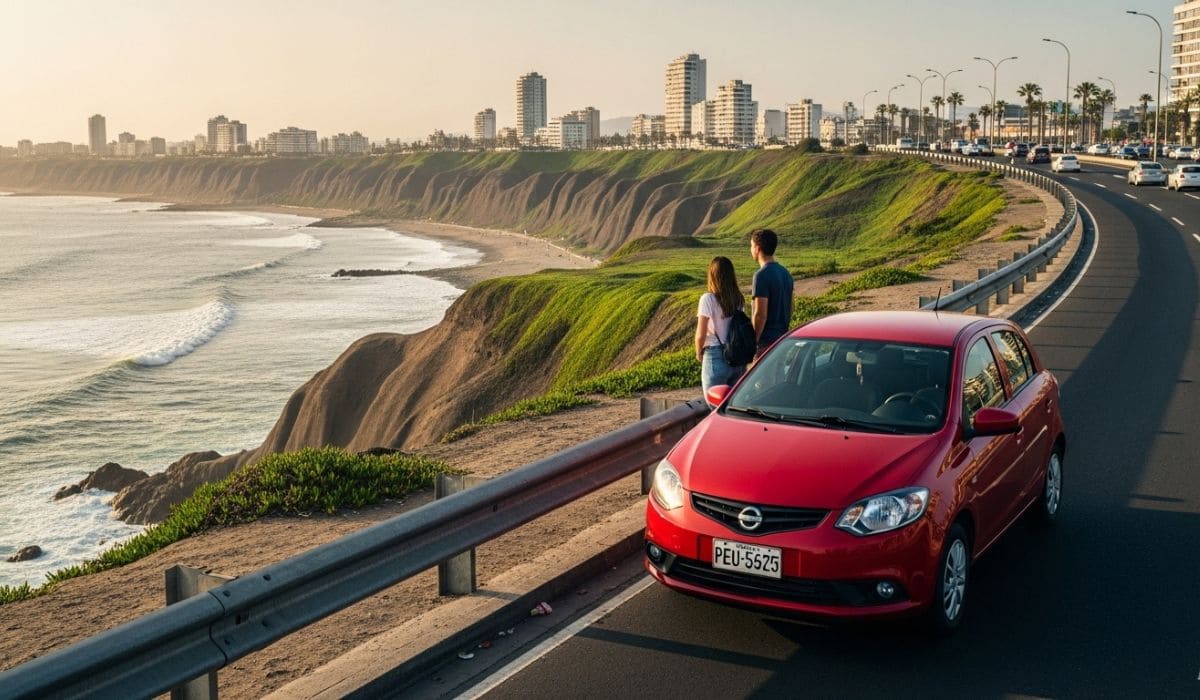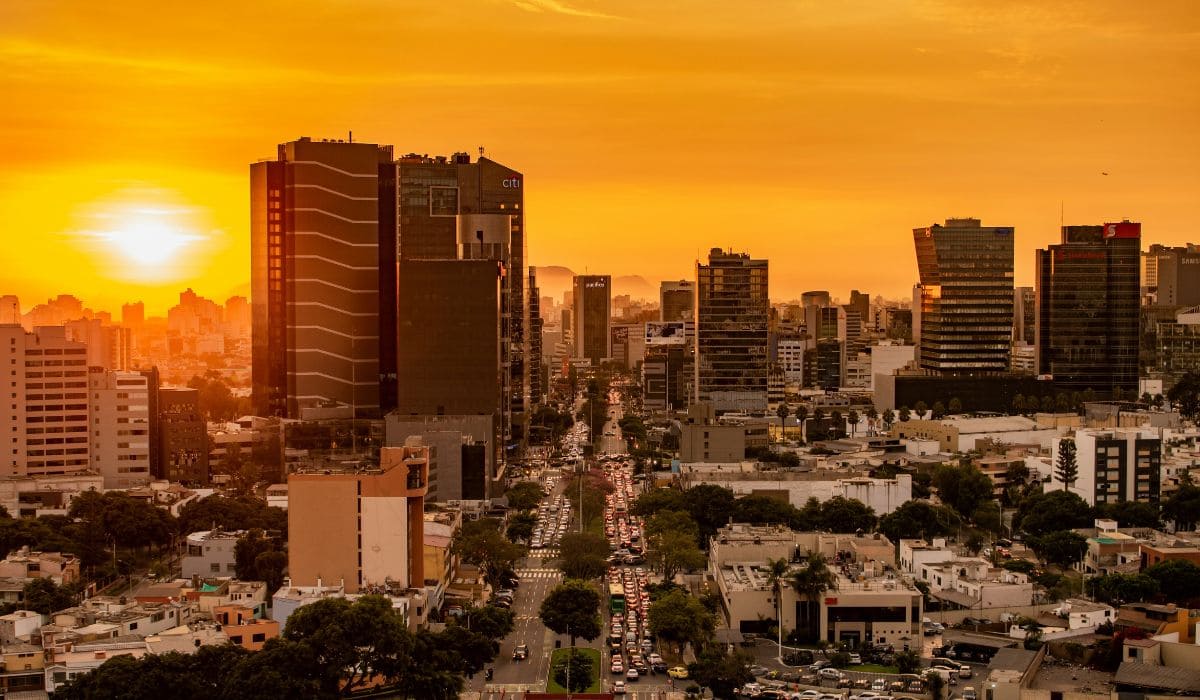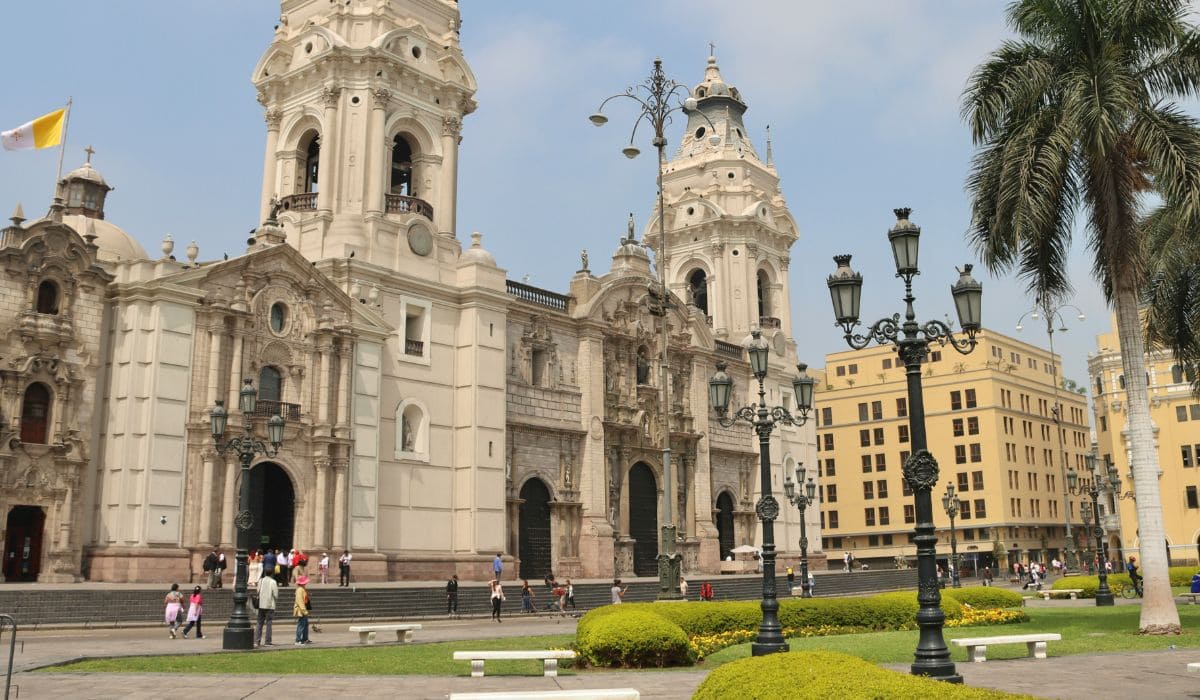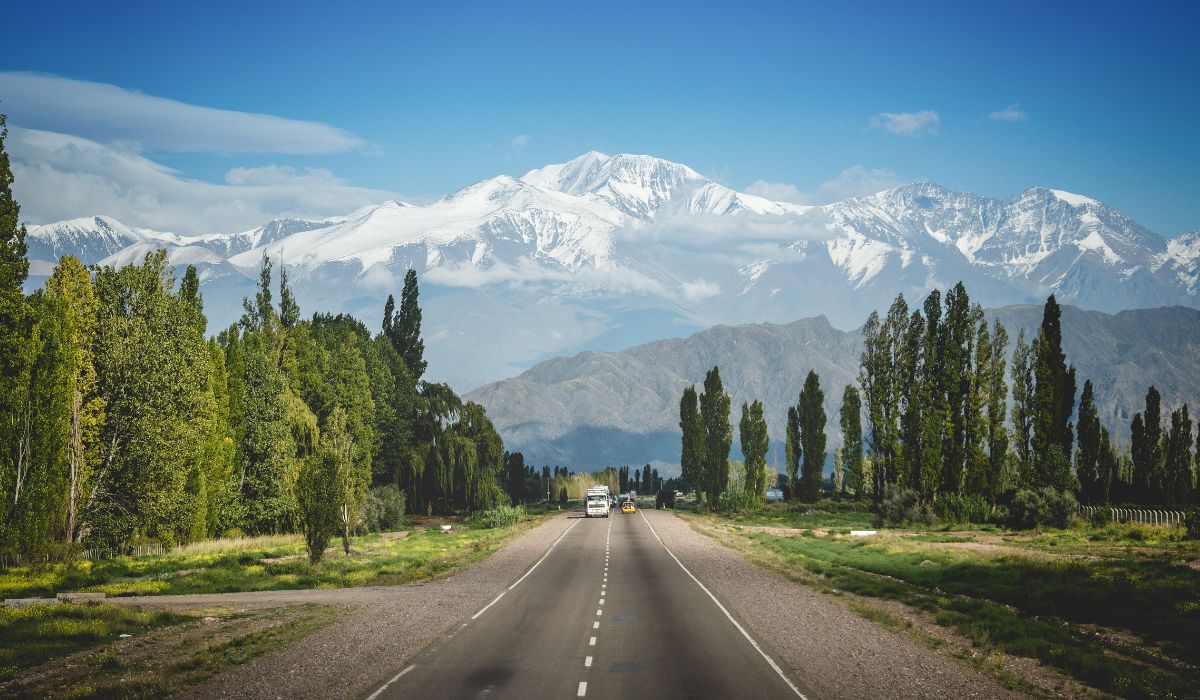
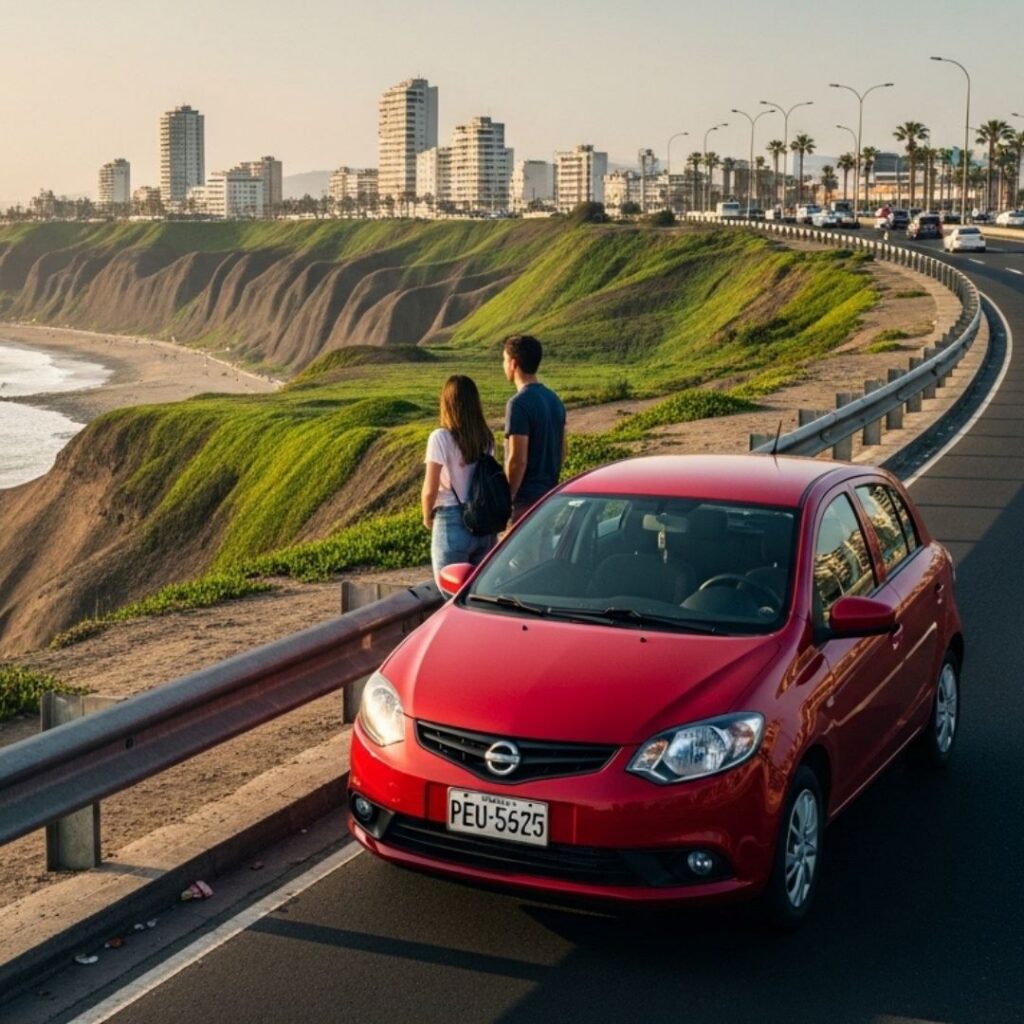
How to Make Money with Car Rental Apps in Buenos Aires Without Driving

How to make money with car rental apps in Buenos Aires without driving is the million-dollar question in a context where vehicle maintenance costs are a key factor to consider. In addition, the demand for temporary mobility from tourists and residents keeps increasing every day.

Today, a parked car is a missed opportunity. The key is to turn it into a source of income without changing your daily routine or being tied to schedules.

Rentennials shows that making money with car rental apps in Buenos Aires without driving is not only possible, but also profitable, safe, and accessible for anyone with a well-maintained vehicle that is less than ten years old.

Is it really possible to make money without driving?

Not only is it true, it is becoming a successful trend. The model is based on connecting car owners with people who need a vehicle temporarily. The owner does not drive or take part in the trip; they simply make their car available when they are not using it, allowing others to rent it by the day, by the week, or even for longer periods.

This explains why the question of how to make money with car rental apps in Buenos Aires without driving appears more and more often in searches by people who want to earn extra income without adding more working hours to their lives. It is a simple way to start a venture that can generate excellent returns with your car, without driving or investing money. The car is already there; it just needs to start working for you.

Why more and more owners are renting out their vehicles

Do you know how much time a car spends parked on average? The answer may surprise you: 90% of the day. During that time, expenses do not stop: insurance, registration taxes, maintenance, issues caused by lack of use, and annual depreciation. Faced with this reality, and thanks to apps like Rentennials, more and more owners are changing their mindset and asking themselves how to make money with car rental apps in Buenos Aires without driving.

The benefits quickly become visible. An asset that generates expenses turns into one that produces real income fast. This makes it possible to cover fixed costs without additional effort and earn extra income.

The big advantage: passive income with no effort

The key word is passive. There are no driving hours, no shifts, and no need to travel from one place to another. Income is generated while the car is in the hands of a verified user. Renting out your own car is, from a financial perspective, a monetization model with low operational effort.

If you think of it as a business and compare it, for example, with an apartment, the equation is clear. An average used car requires an initial investment of around USD 8,000, compared to approximately USD 90,000 for an apartment. Renting out your car can give you an average monthly profit of USD 700 to 800, compared to roughly USD 900 from renting an apartment. This shows how making money with car rental apps in Buenos Aires without driving can be the beginning of an incredible business.

Rentennials, la mejor respuesta a cómo ganar plata con apps de auto en Buenos Aires sin manejar

How Rentennials works and why it is different

Rentennials connects car owners with people who need to rent vehicles for short periods of time, based on the collaborative economy between real people, which results in fair rates, better income for owners, and greater availability of varied vehicles for users. Another major difference compared to other mobility platforms is that it does not require the car owner to be involved in driving or daily use.

The platform takes care of validating all users, providing per-trip insurance, managing reservations, payments, and contracts, and offering assistance in case of any issues. For owners, this translates into ease of use, security, and predictability.

First step: list your car on the app in just a few steps

Becoming an entrepreneur on Rentennials is very easy:

  1. Create your profile in the app. You can do this using your Facebook or Google account, or your app store ID. After that, we recommend logging in and completing your details, including a contact phone number.
  2. Upload photos of your car, along with its details and features. Check out these tips, because high-quality and attractive images make your car look more professional, reliable, and comfortable.
  3. Set availability and daily prices. Flexibility is key. Another great tip is that you can set special prices by checking peak tourist calendars and optimize your earnings.
  4. Activate the listing.

That’s it. In less than an hour, your car can be available to thousands of users looking for immediate mobility, and you will see how to make money with car rental apps in Buenos Aires without driving in a simple way.

Why Rentennials is a safe app for owners and travelers

Security is a core pillar of this model. Rentennials works with verification and validation processes to ensure that each rental is backed by the traveler’s verified identity, a usage history within the platform, and a digital contract that protects both parties.

Insurance, assistance, and full vehicle protection

One of the main concerns of those wondering how to make money with car rental apps in Buenos Aires without driving is what happens if something unexpected occurs. Rentennials addresses this concern with per-trip insurance that covers damage, theft, third-party liability, and roadside assistance in case of any breakdown or incident, along with support assistance available throughout the rental period.

Here are a few additional tips. When handing over the car, we recommend taking photos of the entire vehicle and sending them to the client as proof of its condition. This way, when the car is returned, both parties can verify that it is in the same condition as when it was delivered.

If any issues arise, you can request mediation support from the Rentennials team by sending a message to the support team. We also suggest that once the car is returned, you check whether any fines have appeared. If so, contact the support team so they can be charged to the user through the credit card details held for the deductible.

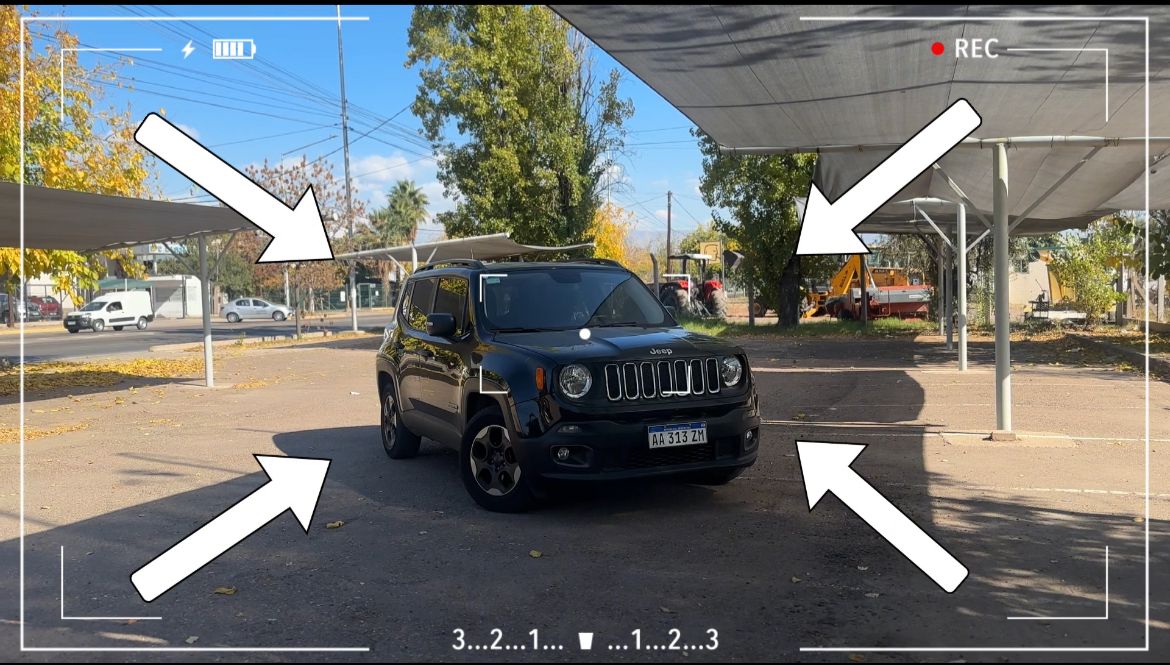
encuadre foto

Economic benefits of renting out your car

The most visible benefit is monthly income. However, there are other equally important advantages, such as covering fixed vehicle costs without impacting the household budget, preventing the car from losing value due to lack of use, turning the vehicle into a savings or investment tool, and financing repairs or future model upgrades.

How much can you earn per month by renting out your car?

Earnings vary depending on the type of vehicle, demand, and location. On average, a vehicle is rented about 15 days per month, depending on the city and its level of demand, and monthly earnings range between USD 500 and USD 750 per vehicle. During high season, renting for 15 days can earn between 900,000 and 1 million pesos. With the Rentennials model, 80% of the rental income goes to you, and you can receive your payment at the time of vehicle delivery, giving you immediate access to your earnings.

A parked car vs. generating real income

A parked car can cost more than it seems. Between insurance, garage fees, registration taxes, maintenance, and wear and tear, the average monthly expense ranges between ARS 70,000 and ARS 110,000. When you add annual depreciation, the real cost of keeping a car unused becomes even higher.

On the other hand, renting it out can cover all those expenses, generate profits, and reduce relative depreciation thanks to controlled use. It is an excellent financial tool to balance personal finances.

How to make money with car rental apps in Buenos Aires by leveraging tourism

Buenos Aires is one of the most visited cities in South America. This constant flow of tourists, especially international travelers, multiplies the demand for rental cars. The growth of car sharing as a global trend makes renting through apps like Rentennials increasingly popular. Here is everything you need to know.

The tourism opportunity in Buenos Aires

Tourists need to get around and look for flexibility, comfort, and autonomy. That is why peer-to-peer rentals are becoming an increasingly personalized and accessible alternative to traditional rental companies.

Another important factor is that, in addition to its usual attractions, Buenos Aires hosts a large number of cultural and corporate events such as fairs, conferences, and other activities throughout the year. Owners who pay attention to the calendar often multiply their income during periods of higher demand.

Rentennials: a bridge between owners and tourists

What sets Rentennials apart is that it operates with an active community of travelers looking for flexibility and autonomy and connects them with those who want to see for themselves how to make money with car rental apps in Buenos Aires without driving. It is a collaborative model where everyone benefits, and its growth continues in a world that seeks to simplify processes and gain comfort while reducing costs. Owners looking for how to make money with car rental apps in Buenos Aires without driving find tourism to be one of the most profitable channels.

As an added benefit, car sharing is part of a global sustainable trend with a future-oriented mindset. Every time you share your car, you help protect the environment by preventing unnecessary purchases of new vehicles.

Advantages of renting your car to foreign tourists

Renting to tourists often brings additional benefits:

  • Longer bookings.
  • Better organization and planning.
  • More stable rates.
  • Year-round demand.

Making the most of Buenos Aires’ high tourism season

Tourism peaks during summer, winter, long weekends, Easter, school holidays, and major events drive demand even higher. During these periods, available cars often sell out and rates increase. You can set special prices based on the date and maximize your profits.

Take advantage of the ideal moment to try car sharing with Rentennials

The growth of tourism, urban mobility demand, and the cost of keeping a parked car create the perfect scenario to get started with this model. Rentennials allows any owner to learn from scratch how to make money with car rental apps in Buenos Aires without driving, with no technical knowledge and a platform that supports every step.

If you are looking for a real way to generate passive income that is flexible and aligned with your routine, this is the ideal moment to try it. Your car can become a steady income tool, without driving, without schedules, and without complications.

[:es]

We are Rentennials

Rentennials is the new way to rent cars from local hosts in your city, quickly, easily, and affordably. It's also your new path to starting your own car rental business and making money every month.
Discover more.

Aplicación móvil

Download our App

Share this

[:]

How to Rent Your Own Car in Buenos Aires

How to rent your own car in Buenos Aires and make money is the question you need to answer if you want to generate excellent income with minimal effort.

In today’s context, creative and smart solutions are the key to success. Buenos Aires is an extremely attractive city for tourism, and more and more travelers choose to rent cars easily through apps. By taking advantage of this opportunity, in just a few simple steps, you can become a successful entrepreneur and start monetizing your vehicle.

In this article, from Rentennials, we share concrete and real data on how to rent your own car in Buenos Aires and make money, achieving returns even higher than those of a rental apartment.

Why renting your car is a real way to generate income

Most cars sit parked more than 90% of the time, generating expenses but no return. Today, Buenos Aires has a high demand for mobility, especially among tourists, which greatly increases the chances of generating income.

The question of how to rent your own car in Buenos Aires and make money seems to offer an answer where everyone wins. It provides a reliable system, with insurance per trip, owner protection, verified users, and total flexibility, since you decide when your car is available.

How to rent your own car in Buenos Aires and make money without driving

One of the biggest attractions of this model is that you don’t need to be behind the wheel. All you have to do is make your car available so other users can rent it when you’re not using it.

The process is simple: you list your car, set availability and prices with the app’s recommendations, receive requests, hand over the keys, and start making money.

Why is car sharing growing in Argentina?

Car sharing is becoming a global trend, with annual growth of 300%, and Argentina is no exception. Maintenance costs and the search for greater flexibility are some of the reasons behind this worldwide phenomenon. Today, more and more people want to start a business and find alternative ways to generate income without large initial investments, making this option one of the most popular.

If you’re thinking about how to rent your own car in Buenos Aires and make money, Rentennials offers an excellent solution: cars available on demand for those who need them, and income for those who provide them.

A change in mindset: from keeping your car parked to making money without driving

Traditionally, a car was seen as an unavoidable expense, but today that logic has changed: it can be a passive income tool. Understanding how to rent your own car in Buenos Aires and make money means embracing the idea that a vehicle doesn’t need to be driven by its owner to create value. With this new mindset, thousands of owners manage to cover expenses, improve their monthly finances, and even turn car rentals into a business based on an asset they already own. Many even decide to buy a car solely to create a reliable business.

How Rentennials works and why choose this platform

Rentennials is currently one of the leading platforms in Argentina connecting car owners with people who need a vehicle for a short period of time. It works as a bridge between both parties, ensuring safe, transparent, and protected transactions.

Why choose it? It allows you to rent your car without complex intermediaries, includes trip insurance, verified users, and gives owners full control over availability and pricing. It not only answers how to rent your own car in Buenos Aires and make money, but does so in a simple and accessible way for anyone with a car less than 10 years old, in good condition, and with comprehensive insurance with a deductible.

Create your profile and list your car in just a few steps

Becoming a Rentennial is simple, straightforward, and fast:

  1. Download the app from Google Play or the Apple Store
  2. Create your profile using Facebook, Google, or your app store ID. Then complete your personal details, including a contact phone number.
  3. Upload your vehicle by selecting “List vehicle” and starting the data and photo upload process.
  4. Start renting! In less than an hour, your car can be visible to thousands of potential customers.

Security, insurance, and full vehicle protection

We know security is a key concern for any owner. That’s why Rentennials offers: insurance per trip covering damages, theft, and third parties, verified users, support and assistance in case of any issue, and contracts backing every rental. This reduces risks and makes the experience a reliable alternative if you’re taking your first steps and need certainty about how to rent your own car in Buenos Aires and make money.

publicar vehiculo cuerpo blog

What makes Rentennials different from other mobility apps

Unlike services where the owner must drive, or large corporate car-sharing systems, Rentennials is based on the collaborative economy between real people. This results in fair prices, better income for owners, and greater availability of diverse vehicles for users. It also allows private cars to become part of urban mobility, generating local economic opportunities.

How much can you earn per month renting your car?

Income depends on vehicle availability, location, type of car, and demand. On average, a vehicle is rented about fifteen days per month, depending on the city and demand. Monthly earnings of between USD 700 and USD 900 per vehicle have been recorded. With Rentennials’ business model, you receive 80% of the rental income, and you can collect it at the time of vehicle handover, giving you immediate access to your money.

How much can you earn renting your car in Buenos Aires

Buenos Aires has several factors that make it a high-demand city: tourism, business travel, temporary relocations, students, fairs, conferences, and thousands of visitors every week. Earnings depend on the time of year, but to give you an idea, during high season in Buenos Aires, renting for fifteen days can generate between 900,000 and 1 million pesos.

Why Buenos Aires is the ideal city to rent your car

Argentina’s capital has a constant flow of people who need to get around. Tourists, intense work-related mobility, universities welcoming students from other provinces, congresses, concerts, fairs, and international events all increase demand.

More and more people are looking for alternatives that are more flexible than traditional rentals and more affordable than large companies. That’s why how to rent your own car in Buenos Aires and make money finds such a clear answer here.

High mobility demand from domestic and international tourists

Buenos Aires is one of the most visited cities in South America. Tourists look for cars to explore neighborhoods, escape to Tigre, La Plata, or nearby destinations, and manage their schedules without relying on public transportation. If you own a car, this demand is an opportunity to solve how to rent your own car in Buenos Aires and make money.

How to take advantage of events, long weekends, and peak seasons

One of Rentennials’ key strengths is flexibility: you define prices and availability. There are key dates such as long weekends, summer and winter seasons, school holidays, sporting events, concerts, and international congresses that cause demand to skyrocket, along with your opportunity to generate higher income.

If  you can set special prices and availability for these periods.

Areas with the highest car rental demand in the city

Within Buenos Aires, some neighborhoods and areas are more active due to tourist attractions, events, or cultural and social activities: Palermo, Recoleta, Belgrano, Microcentro, Aeroparque, Retiro, Núñez, and San Telmo are among the most popular.

Making the most of Buenos Aires’ peak tourism season

Planning ahead is key, and the tourism calendar is a great ally. During peak tourism periods, average daily rates increase, and cars are rented quickly. With this in mind, you can set special prices and maximize your income during the busiest months.

Como alquilar tu propio auto en Buenos Aires y ganar dinero

A bonus: sustainability and circular economy

Environmental care is essential in today’s world, and every action counts. The collaborative model reduces the need to manufacture new cars to meet demand, optimizes the use of existing vehicles, and lowers overall impact.

How to rent your own car in Buenos Aires and make money while helping the environment

In addition to being a profitable venture for you, sharing your car prevents others from buying one unnecessarily, reducing the carbon footprint. Each shared trip contributes to more efficient and responsible mobility.

Why does a parked car create a greater environmental impact?

A parked car still generates energy consumption through spare part production, indirect emissions from maintenance, and occupies valuable urban space. That’s why using it intelligently and strategically is essential.

In a society that increasingly seeks simplicity, car sharing offers a perfect solution: fewer cars, better used. It’s part of a global trend toward cleaner, more accessible, and sustainable cities.

What types of cars are most in demand on Rentennials

Among the most rented models on the platform are the Toyota Etios, Volkswagen Gol Trend, Renault Kwid, and Fiat Cronos. Compact, easy-to-park cars like the Chevrolet Onix and Peugeot 208 are also highly sought after.

Tips to maximize your income as a car owner

  • Upload clear and attractive photos.
  • Adjust prices for special dates.
  • Respond quickly to requests.
  • Offer flexible pickup and drop-off times.
  • Place the car in high-demand areas when possible.
  • Regularly review your calendar and set special prices.
  • Take advantage of local events and long weekends.
  • Add value-added services, such as a baby seat (assign a one-time fee per rental).

Start today with Rentennials

If you’re looking for a concrete and secure way to generate extra income, this is an excellent starting point. You only need a few minutes to create a profile and complete your vehicle information. Your car can go from being a fixed expense to a profitable business.

How to rent your own car in Buenos Aires and make money is now a solved question thanks to Rentennials, which simplifies the entire process—from listing the vehicle to protecting it and collecting payments

[:es]

We are Rentennials

Rentennials is the new way to rent cars from local hosts in your city, quickly, easily, and affordably. It's also your new path to starting your own car rental business and making money every month.
Discover more.

Aplicación móvil

Download our App
Share this

[:]

Summer 2026: the best places to vacation in Argentina

The best places to vacation in Argentina are within easy reach, or just around the next bend in the road. The country’s routes connect the most diverse and beautiful destinations, and the best part: there are options for every type of traveler.

Impressive landscapes, great food, adventures and roads to get lost and found make Argentina the ideal place to recharge. Córdoba, Salta, Jujuy and Mendoza are just some of the destinations you can start considering.

If you’re planning your next trip, from Rentennials we offer you this guide where you’ll find the best places to vacation in Argentina. Choose the one that resonates most with you and enjoy summer 2026 to the fullest.

Why choose Argentina for a summer vacation?

Argentina is an ideal summer destination because it combines mountains, rivers, lakes, historic towns and cities full of cultural life, all accustomed to welcoming travelers. You’ll find well-marked routes and expanding tourist services that allow you to build itineraries at your own pace to discover the best places to vacation in Argentina.

What is summer like in Argentina?

Summer in Argentina is diverse. Patagonia offers long days and mild temperatures, the north has warm weather perfect for enjoying its rivers, and the central sierras combine moderate heat, fresh streams and landscapes ideal for adventure-filled getaways.

A key tip: the heat often means many outdoor places have extended hours. If you’re traveling by car, you can make the most of sunrise, sunset or cool mornings without relying on fixed transportation schedules.

How long should you travel through Argentina in summer?

To explore the best places to vacation in Argentina, the ideal is a minimum of ten to fifteen days, although it depends on the region you want to visit this summer 2026. In Patagonia or the North, for example, distances are greater and there are many scenic viewpoints and secondary routes worth including.

Traveling by car is the best way to explore the best places to vacation in Argentina in summer 2026. You can choose your own schedule, avoid waits, and enjoy panoramic routes like National Route 40, National Route 52 or the scenic roads of Córdoba’s sierras.

Córdoba, uno de los mejores lugares para vacacionar en Argentina

The best places to vacation in Argentina

Now let’s get into some destinations that are our favorites to fully enjoy each one.

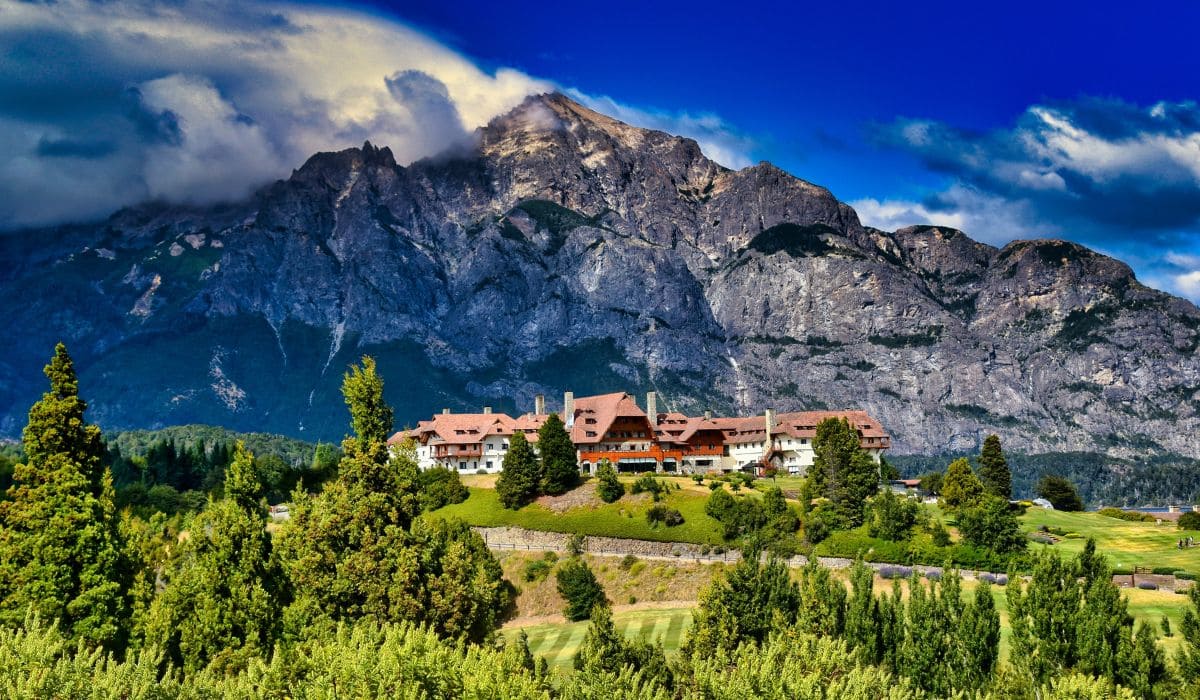
Bariloche: the quintessential Patagonian destination

Bariloche is one of those cities that shine year-round. In summer, its landscapes filled with flowers and colors and its clear skies offer incredible views. Here’s what you can do in summer 2026 in one of the best places to vacation in Argentina.

The 7 Lakes Route

On Route 40 you’ll find one of its most breathtaking stretches: the Ruta de los 7 Lagos —110 kilometers connecting Villa La Angostura with San Martín de los Andes, crossing forests, mountains and shimmering lakes that will stay with you forever.

You can rent a car in Bariloche and do the route in a day, or split it into several days to improvise, stop to camp or go trekking in the forest. The lakes you’ll pass are Correntoso, Espejo, Escondido, Villarino, Falkner, Machónico and Lácar. If you’re up for it, you can also reach Villa Traful and Lake Meliquina.

Cerro Tronador

Leaving Bariloche along RN 40 heading south, you’ll pass the shores of Lakes Gutiérrez and Mascardi before turning onto Provincial Route 82. Further ahead, take the detour to Cerro Tronador.

Along the entire road, nature takes the spotlight, with viewpoints offering beautiful sights of mountains like Bonete and Cresta de Gallo and the Manso River, which changes color along its course. The road then winds upward toward Pampa Linda, finishing at a magical spot: the Ventisquero Negro, a glacier descending from Tronador, striking for its dark hue. A must-see for summer 2026.

Hiking in Bariloche

If you love hiking, Bariloche has countless options. The trail to Cascada de los Duendes, for example, runs from Lake Gutiérrez to the Cascade of the Duendes —a short, gentle walk along the Pescadero stream, perfect for families.

For something more demanding, take the trail to Lake Los Césares: after 4 to 6 hours of hiking with steep climbs, the reward is a beautiful lake hidden between mountains. A similar option is Refugio Frey, which you can reach via several different routes ending at Toncek Lagoon. You can camp there or stay in the refuge. Without a doubt, this is one of the unmissable activities in the best places to vacation in Argentina.

Enjoying Bariloche’s lakes

Sailing on Lake Nahuel Huapi is one of Bariloche’s must-do activities. Departing from Puerto Pañuelo, on the Llao Llao peninsula, you’ll find several excursions: from the classic one combining Victoria Island with the Arrayanes Forest, to one that takes you to the stunning Cascada de los Cántaros in Puerto Blest.

Bariloche also has its hidden gems: peaceful beaches that keep you close to nature, away from the crowds, with impressive scenery like the beach at Hotel La Cascada, Bahía Tacul —a quiet retreat within the Circuito Chico— or Playa Muñoz, which you reach after a 6-kilometer walk.

Bariloche

Travel to Mendoza’s summer

Plenty of sunshine, mountains, great wine and nature are part of what makes Mendoza one of the best places to vacation in Argentina. If you want adventure, relaxation, striking landscapes and local flavors, Mendoza is a sure bet for summer 2026.

The beauty of the Andes

The Andes in Mendoza are the perfect summer refuge: mountains, fresh air and amazing views. Sunny days invite you to explore routes across the foothills and mountain areas with open vistas ideal for relaxed trekking.

The Aconcagua Provincial Park, home to the tallest mountain in the Americas, offers a beautiful, easy trail suitable for everyone: the walk to Laguna de Horcones, where you can see one of Aconcagua’s glacier-covered faces. It’s easily accessible, as the park entrance is just meters off Route 7. The round-trip takes two to three hours.

Mendoza’s best wineries

If you’re visiting one of the best places to vacation in Argentina, and that place is Mendoza, you won’t want to miss the perfect season for wine tourism. With warm weather, long days and clear skies, many wineries in areas like Uco Valley, Luján de Cuyo or Maipú open their doors for tastings, vineyard-side lunches, boutique wineries and tailored experiences.

Here are some of our favorites: Zuccardi, Catena Zapata, Salentein and Bianchi.

Rafting en Mendoza

San Rafael: the rafting capital

Just over 230 km from Mendoza city, San Rafael blends nature and tranquility. The Atuel Canyon is one of the highlights, but you’ll also find renowned wineries, family-friendly spots like El Laberinto de Borges, and an impressive treetop adventure park —Bosque Euca— where you can try canopy.

The Valle Grande dam is one of its major attractions, and for adventure lovers, rafting on the Atuel River is an exhilarating way to connect with nature.

Malargüe’s volcanoes

If you’re looking for something out of the ordinary, Malargüe is a must. The southernmost city in Mendoza is home to one of the country’s most incredible natural settings: the La Payunia Provincial Reserve —a vast field of over 800 inactive volcanoes with copper, red and gray tones that feel otherworldly.

Note: visiting requires a full-day guided excursion in a 4×4, with several stops inside the reserve.

La Payunia

Córdoba: sierras, streams and endless greenery

Rolling sierras, crystal-clear streams and towns full of identity make Córdoba one of the best places to vacation in Argentina —an ideal destination to disconnect completely.

Feel the calm of Traslasierra

The Traslasierra valley is synonymous with peace and nature. In summer, Mina Clavero and its beautiful rivers are perfect for swimming and relaxing in natural pools with fresh, clear water.

In Nono, you’ll find a village with a strong serrano spirit, known for simple architecture and a slow pace that invites you to enjoy afternoons by the river and trails for walking, horseback riding or cycling. San Javier and Yacanto, at the foot of Cerro Champaquí, offer deep relaxation among olive groves, vineyards and dirt roads.

Crossing Córdoba’s tunnels

Driving through Córdoba’s Tunnels Road is an experience that blends history, adrenaline and unbelievable landscapes. This gravel stretch connecting Taninga with Las Palmas winds through the Sierras Grandes, featuring a series of tunnels carved in the early 20th century. As you advance, the road opens among reddish cliffs, sharp curves and natural balconies overlooking the vast valley of the Traslasierra region.

The route surprises with a constant sense of adventure: condors flying low, steep slopes, and viewpoints that feel suspended in mid-air. It’s perfect for travelers seeking unique scenic drives.

San Marcos Sierras, a northern Córdoba treasure

San Marcos Sierras invites you to slow down among dirt roads, leafy trees and a relaxed atmosphere. The San Marcos and Quilpo rivers are ideal spots to spend the afternoon reading, sipping mate and cooling off. Many travelers choose this destination year after year as one of the best places to vacation in Argentina.

The town also preserves a strong identity: its 18th-century adobe chapel, the small local museum, artisan markets, organic farms and a community that lives at a harmonious, unhurried pace. It’s a perfect destination for those seeking authentic experiences far from mass tourism.

Córdoba

Quebrada de Humahuaca and the Northern Argentine summer

The Argentine North is always chosen as one of the best places to vacation in Argentina. Here you’ll find adventure, nature and tradition. Here’s a guide to the best of the region to make summer 2026 truly unforgettable.

Purmamarca and Tilcara

At the base of the Quebrada, at the foot of the Hill of Seven Colors —with its mix of pink, white and purple tones creating a magical spectacle— Purmamarca is likely the most iconic town in Jujuy. You can explore the main square with artisan stalls or soak in northern culture in its adobe streets that preserve traditional architecture.

A few kilometers north lies Tilcara, another cultural and archaeological hub of the Quebrada. The Pucará de Tilcara is a pre-Hispanic site offering a window into the region’s Andean past.

Hornocal

If the Quebrada dazzles with its colors, the Hornocal Hills —known as the “Hill of 14 Colors”— take that natural spectacle to another level. Their slopes display vibrant color bands created by geological formations millions of years old, offering one of the most iconic landscapes in the Argentine North.

Access is usually from the town of Humahuaca. The viewpoints offer astonishing panoramas and the feeling of being in another world.

The Salinas Grandes

Visiting one of the best places to vacation in Argentina this summer 2026 also means discovering an otherworldly landscape. This impressive salt flat, located in the Jujuy puna, 70 kilometers from Purmamarca, is a must on any Northern Argentina trip.

The Salinas Grandes are ideal for exploring slowly, walking on their vast white surface, watching sky-earth reflections and understanding why so many travelers are captivated by this sea of salt surrounded by mountains and sky.

Paved Route 52, which leads from Purmamarca, is one of the most scenic roads in the country, and it’s also in excellent condition.

The Jujuy yungas

Blending history, altitude and lush nature, the Jujuy yungas offer a dramatic change of scenery compared to the Quebrada or the Puna. This green strip connects with protected areas like Calilegua National Park, one of the region’s major green lungs. It’s ideal for travelers seeking wildlife, flora and temperate forest trails.

El Hornocal

Tips for vacationing in Argentina in summer 2026

  • Travel early to avoid the hottest hours of the day.
  • Book accommodations and activities in advance.
  • Check route conditions and national park schedules before leaving.
  • Look at the local agenda: many destinations add food fairs, festivals and cultural events only available during summer 2026.
  • Make strategic stops to stay hydrated, rest and enjoy scenic viewpoints or rivers along the way.

Rent a car and enjoy summer 2026

At Rentennials, we know your time is valuable and you want to enjoy it fully: traveling by car lets you optimize your schedule, avoid connections, long waits and routes that may take too long on public transport.

There’s nothing like the freedom of discovering the best places to vacation in Argentina, making spontaneous detours and enjoying a more authentic and flexible trip.

[:es]

We are Rentennials

Rentennials is the new way to rent cars from local hosts in your city, quickly, easily, and affordably. It's also your new path to starting your own car rental business and making money every month.
Discover more.

Aplicación móvil

Download our App

Share this

[:]

From Bariloche to Esquel: a route where nature takes center stage

Traveling from Bariloche to Esquel is one of those Patagonian experiences that brings together lakes, mountains, valleys, and ancient forests without requiring major detours. As the road unfolds, the Andes are always by your side. The dazzling landscapes hide endless possibilities for activities and natural settings where you can stop, explore, and enjoy.

Driving the route by car not only lets you connect these two iconic destinations but also discover other places along the way that invite you to explore at your own pace and let yourself be surprised. From protected natural areas to national parks and charming towns, this route invites you to travel without rushing.

If you’re driving and taking your time, you can combine relaxation, adventure, and nature. At Rentennials, we put together this itinerary so you don’t miss a thing.

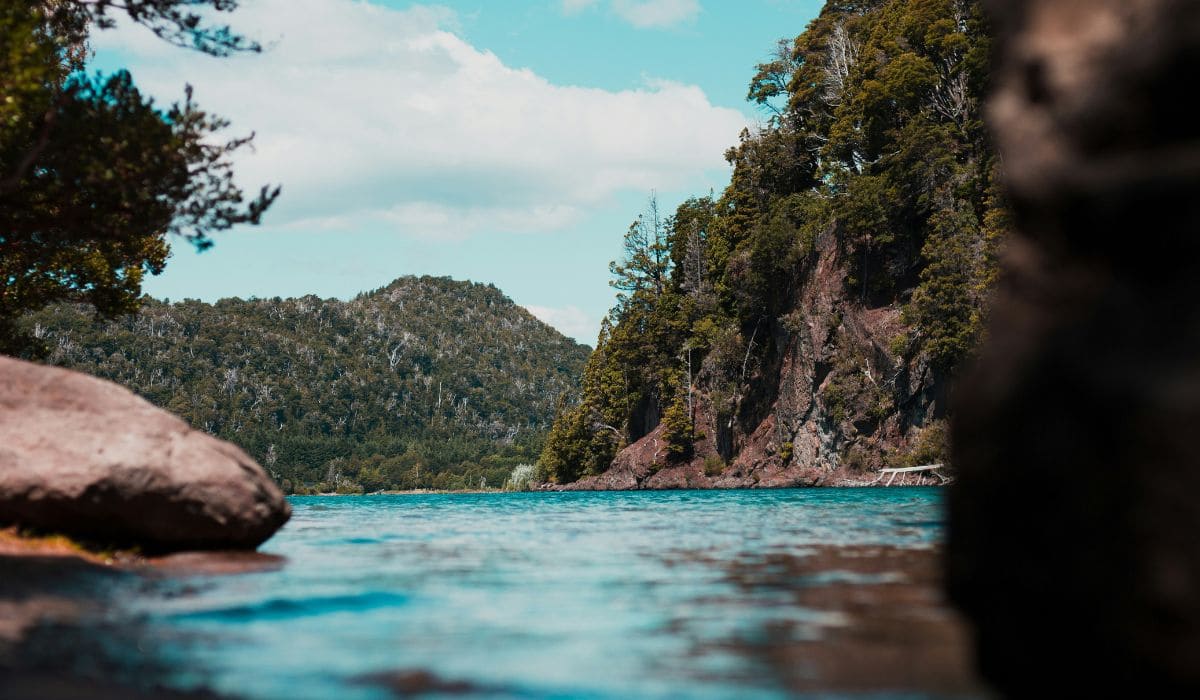
Lago Puelo, un lugar que se encuentra en la ruta de Bariloche a Esquel

What is the route like from Bariloche to Esquel?

Between Bariloche and Esquel, there are two main alternatives. The first is the most direct: following National Route 40, avoiding entry into Los Alerces National Park. It’s a practical road, with more paved stretches and no mountain detours—ideal for those who simply need to connect both destinations in the shortest time possible.

The second—and the one we especially recommend—is the route that crosses Los Alerces National Park, one of the most impressive natural environments in the country. This option lets you enjoy lakes, boardwalks, winding roads, and sections with spectacular views.

It’s important to note that some stretches—such as those inside the park—are gravel, and while they’re passable, they require careful driving. In addition, along much of the route from Bariloche to Esquel, the condition of Route 40 is not optimal, and you must reduce speed. For this reason, the recommendation is to take it easy, drive slowly, and stay attentive, especially on the gravel sections when entering and exiting Los Alerces National Park.

How many kilometers are there from Bariloche to Esquel?

The total distance between the two cities is approximately 290 kilometers, depending on the variant chosen. If you opt for the direct route along RN 40, the drive is around 300 kilometers. If you take the detour into Los Alerces National Park, the route extends to 543 kilometers, but every meter will be worth it.

How many days should you travel from Bariloche to Esquel?

Technically, you can make the trip in a single day, spending between 4 and 6 hours behind the wheel, depending on the chosen route and the condition of the gravel sections. If the idea is to enjoy, explore, take photos, walk, and truly connect with everything this region offers, we recommend that your trip last at least one week or ten days. That way, you’ll have time to improvise, explore valleys, lakes, towns, and forests without rushing.

We suggest staying overnight in peaceful spots, doing short hikes in Los Alerces, or dedicating a full day to boating, relaxing, or walking in the mountains. That’s what traveling is about: enjoying so much more when you turn a simple transfer into a destination itself and let the adventure guide you.

Sendero

What to see from Bariloche to Esquel

The heart of the journey is what unfolds between the two destinations: viewpoints, protected areas, rivers, turquoise lakes, short trails, mountain towns, and one of the most iconic national parks in Argentina.

From the moment you leave Bariloche along Route 40, you’ll pass Lake Gutiérrez, Lake Mascardi, and you can take the detour to Pampa Linda, where a road leads to the base of Mount Tronador. You can also skirt Lake Guillelmo or detour to Lake Steffen. And that’s only the beginning!

Once you’ve passed all of that, here is a guide to everything waiting for you along the way from Bariloche to Esquel, so you can plan your trip knowing what to see, how much time to spend, and why each spot is worth it.

Río Manso Valley

If you continue heading south along National Route 40, you’ll reach the Villegas River, where Provincial Route 83 begins and travels through the Río Manso Valley. It’s a gravel road that runs parallel to the lower Manso River, at the southern end of Nahuel Huapi National Park. With its clear waters and mountainous surroundings, it’s ideal if you’re seeking calm adventure: cycling, hiking, rafting, kayaking, horseback riding, and river beaches surrounded by tall forests.

It’s an area where the landscape feels close and intimate, and although it’s not strictly part of the most direct route, many travelers choose to include it because it lies within Río Negro’s most beautiful mountain area. It’s perfect for spending a morning or afternoon before continuing your trip.

Río Azul Protected Natural Area

After about 100 more kilometers along Route 40, you’ll reach one of the most beloved protected areas in the region: the Río Azul – Lago Escondido Protected Natural Area, also known as ANPRALE, often simply called “Río Azul.” Its valleys, viewpoints, and mountain huts make it a classic choice for lovers of accessible trekking through lenga, coihue, ñire, and cypress forests.

There are short and long trails, boardwalks, clear cold rivers, organized campgrounds, and refuges where you can spend the night and enjoy the full experience. In short: you’ll find pure nature, but with reasonable access for those who aren’t expert mountaineers.

Important: for trekking, it’s mandatory to complete the online individual registration before entering.

El Bolsón

Along Route 40, you’ll come to El Bolsón, one of the most attractive towns on the journey from Bariloche to Esquel. It’s a great place to spend a few days, rest, eat well, and visit craft markets, farms, viewpoints, or walks along the Quemquemtreu River. Here you’ll find Mount Piltriquitrón—an impressive peak offering spectacular panoramic views—and the trail to the Carved Forest.

There’s also the Escondida Waterfall and the ascent to Cerro Amigo. It’s a low-difficulty trail where you can also enjoy adventure tourism activities like rappelling, climbing, and mountain biking.

A must-see near El Bolsón is a visit to Lago Puelo National Park.

El Bolsón offers an unbeatable combination: immediate nature, great food options, craft breweries, varied lodging, and a slow pace that invites you to relax and enjoy.

La pasarela del Río Arrayanes

El Hoyo and Cholila

A few kilometers ahead, El Hoyo appears surrounded by farms, berry plantations where you can taste raspberries, strawberries, and cherries, green hills, and a peaceful rural valley atmosphere. It’s ideal for those looking for nature, short hikes, horseback rides, waterfalls, and quality regional products.

A bit further on is Cholila, with its wide valleys, nearby lakes, and rich stories. Here you can visit the La Legal museum-bar and the historic cabin of bandits Butch Cassidy and Sundance Kid. It’s also a perfect destination for relaxing by the water, kayaking, fishing, or simply enjoying the landscape from its viewpoints or from the riverbank.

Parque Nacional Los Alerces

Los Alerces National Park

Here begins one of the most beautiful yet slowest parts of the journey. Entering Los Alerces National Park marks a clear shift: gravel roads, dense forests, turquoise lakes, and an atmosphere of environmental protection noticeable from the very first meters.

Los Alerces is a vast area declared a World Heritage Site for its natural value. Turquoise lakes and rivers, peaceful beaches, trails for all levels, glaciers, waterfalls, and the Millenary Alerce Forest—with trees over 2,500 years old—give it a unique beauty.

Inside the park, it’s essential to drive slowly, not only because of the gravel but also because the surroundings deserve to be savored. It’s the slowest part of the trip—and that’s a benefit: it gives you more time to store every detail in your memory.

Lago Rivadavia

Lake Rivadavia is one of the most visited within the park. It has rest areas, beaches, campgrounds, boardwalks, and areas suitable for picnics and kayaking. It’s easy to access and perfect for spending half a day or a full afternoon between forest and crystal-clear water.

Lago Verde

About 9 kilometers from Lake Rivadavia, you’ll find Lake Verde, one of the most striking due to the color of its waters. Surrounded by forests and mountains, it features a famous boardwalk crossing the Arrayanes River, perfect for photos and gentle walks. There are campgrounds and a glamping site, and you can go kayaking or stand-up paddling, and in permitted seasons, fly fishing.

From here, several trails lead into Los Alerces National Park. The viewpoint at Lake Verde is one of the must-see panoramic spots of the journey.

Lago Futalaufquen

Further south in the park is Lake Futalaufquen: immense, calm, and ideal for boating, hiking, and spending the night in a nearby lodge or cabin. It’s one of the areas with the best infrastructure inside Los Alerces—with campgrounds, cabins, lodging, and services—and at the same time, one of the places where the silence of the mountains feels strongest.

This part of the park offers several hiking trails from Villa Futalaufquen, with different levels of difficulty. You can walk along the lake’s coast to the Puerto Limonao area, take the trail to Lake Krugger, or the route to Cerro Cocinero starting at the Rañinto stream.

From there, the exit to Esquel combines gravel and paved sections before returning to RN259.

La Trochita, Esquel

Esquel

The journey from Bariloche to Esquel ends in a city that brings together history, culture, and nature. Besides its hills and viewpoints, in Esquel you can learn about the region’s history by visiting its museums and cultural centers.

Five kilometers away is La Zeta, an urban nature reserve with a lagoon, a beach area, and kayak rentals—perfect for a half-day outing.

It’s also the departure point of the historic La Trochita train, a Patagonian icon that crosses part of the steppe in vintage wagons pulled by steam locomotives.

Tips for driving from Bariloche to Esquel

It’s important to note that the stretch from Bariloche to Esquel is not in good condition. Take it slowly.

  • Inside Los Alerces National Park, the entire road is gravel. It’s drivable, but only at low speed.
  • Avoid driving at night on gravel or in fog.
  • If it has rained, check road conditions before entering the park.
  • Keep your tank over half full. There are no gas stations inside the park.
  • On very hot days, the gravel can kick up dust: slow down and keep distance from the vehicle ahead.
  • Rest stops are essential: distances aren’t long, but they require constant attention.
  • Make fires only in designated areas.

Rent a car and travel from Bariloche to Esquel

At Rentennials, we want more people to feel encouraged to discover each destination their own way—freely, connecting with local culture, and being responsible travelers.

That’s why we believe this route can be completely different if you rent a car and allow yourself to experience every kilometer at your own pace, turning the journey into something more than just a transfer.

[:es]

We are Rentennials

Rentennials is the new way to rent cars from local hosts in your city, quickly, easily, and affordably. It's also your new path to starting your own car rental business and making money every month.
Discover more.

Aplicación móvil

Download our App
Share this

[:]

An unmissable list of the places to visit near Buenos Aires

The places to visit near Buenos Aires have it all: rhythm, culture, gastronomy and history. And we know that sometimes you need a change of scenery, to connect with nature and enjoy a bit of silence. Luckily, there are destinations close to the big city where you can disconnect from everything and recharge.

For a day trip or a weekend, you’ll unwind and enjoy a different pace. Just a few kilometers from the city noise, you’ll find charming towns, historic cities, hot springs, rivers and landscapes that will surprise you. Pack your thermos, set the GPS and let yourself be carried away.

At Rentennials we always say that the simple act of leaving the highway and getting lost on a rural road is already worth the escape. Here we tell you which places to visit near Buenos Aires, when to go, how to get there and how to live the best experience, at your own pace and following your own rhythm.

Carlos Keen, uno de los lugares para visitar cerca de Buenos Aires

Why take getaways near Buenos Aires to escape routine?

You don’t always need long vacations or a big budget to get a breath of fresh air. The getaways near Buenos Aires are that small break that reconnects you with the simple things: walking without rushing, eating well, enjoying nature and discovering places that seem frozen in time.

Also, there are options for every taste: from rural towns where time stands still to cities with cultural offerings, river beaches or hot springs for relaxing. It’s no surprise that more and more travelers look for places to visit near Buenos Aires as an alternative for their weekends**.**

One- or two-day getaways to do near Buenos Aires

If you live in the city or nearby, you know that a short getaway can change your whole week. The good news is that there are beautiful places to visit near Buenos Aires and they’re “right there”. And the best part is that there are options less than 200 kilometers away, perfect for a day trip or an overnight stay.

Historic towns, foodie destinations or spots where you can fall asleep listening to the river. Luckily, the list is endless. Some places are best enjoyed as a couple while others are ideal for families or friends. The important thing is to break out of the routine and get moving.

How to get to the places to visit near Buenos Aires?

The key to a great getaway is making the most of your time, and here’s an important tip: while there are many destinations reachable by train or bus, these are not always the best options. Limited schedules, few connections or long routes with multiple stops can make your trip feel longer than your stay.

Renting a car lets you go at your own pace, stop whenever you want, make detours if something catches your eye or improvise along the way. It also allows you to explore without depending on anyone, and it’s the best way to discover which places are right for you. In the end, that’s what it’s all about: going out and getting lost in unknown corners.

When is the best time to leave the city

Any time of the year is good for a getaway, and the best part is you don’t need much time or money. When it comes to disconnecting, there’s always a perfect excuse to hit the road—you just need the desire to be surprised. The places to visit near Buenos Aires can be enjoyed throughout all twelve months.

If you’re going for a weekend, try leaving early and starting on Friday so you gain an extra night to relax. If it’s a long weekend or holiday, it’s better to plan ahead and choose your route considering which roads get the most traffic. Whatever you choose, the good thing is that your ideal plan is truly very close.

El Campo bonaerense

The best places to visit near Buenos Aires

If you enjoy discovering new spots, this list will delight you. Here we share the best places to visit near Buenos Aires, from historic cities to rural towns and natural destinations you’ll love.

La Plata, the city of diagonals and culture

Just 60 kilometers from Buenos Aires, La Plata is an ideal getaway for architecture lovers, museum fans and green-space enthusiasts. Its diagonal street layout makes it unique, and its cultural life is vibrant: you can visit the impressive Museum of Natural Sciences, the Teatro Argentino, tour the Cathedral or simply stroll around Plaza Moreno.

How to get to La Plata?

Take the Buenos Aires–La Plata highway and you’ll be there in about an hour (leaving from Buenos Aires). If you rent a car, you’ll be able to move easily between attractions and make the most of your day.


La catedral de La Plata

Carlos Keen, gastronomy and country air

Carlos Keen is one of those towns where time stands still. Just 80 kilometers from the city, it combines the peace of the countryside with irresistible gastronomy. Once a rural town with a train station, today its old railway sheds have become restaurants, artisan markets and dusty streets that feel like a movie set.

If you choose this destination, don’t miss a stop in nearby Luján, home to its famous Basilica, museums and the river.

How to get to Carlos Keen?

Take Acceso Oeste to Luján and then a 12-kilometer detour. Going by car is quick and gives you the freedom to visit both places. Carlos Keen is undoubtedly one of the best places to visit near Buenos Aires if you’re looking for relaxation and good food.

A tip: leave early on Saturday or Sunday to avoid traffic.

Carlos Keen

The hot springs of Dolores

Dolores is not only known as the first patriotic town, founded in 1817. Today it also stands out for its thermal complex, with indoor and outdoor pools, spa, lodging and an ideal setting to unwind. The Dolores Hot Springs have become a classic among the places to visit near Buenos Aires for travelers seeking rest and comfort.

You can also explore Plaza Castelli, the Libres del Sur Museum or try the local alfajores.

How to get to the Dolores Hot Springs?

Take Autovía 2, and you’ll arrive in around three hours. It’s about 200 km from Buenos Aires. By car, the trip is smooth and you can even combine it with other coastal destinations.

El Tigre, an oasis 30 km from the big city

El Tigre is a classic getaway that never goes out of style. Navigating the Delta, having lunch by the river or strolling through the Puerto de Frutos are always good plans and just minutes away. You can also visit the Tigre Art Museum or simply walk along Paseo Victorica watching the boats go by.

A tip: there are many cabins on the islands where you can stay overnight. Look for the best option and enjoy a different experience in the Delta.

How to get to El Tigre?

Take Panamericana Highway to the Tigre exit, and you’re there in under 40 minutes. Due to its proximity and variety of options, El Tigre is the perfect choice among the places to visit near Buenos Aires for those looking for nature without going too far.

San Antonio de Areco, a timeless classic

San Antonio de Areco is synonymous with tradition, gaucho culture and rural landscapes. Its historic center, with cobblestone streets, museums and old pulperías, is an invitation to step back in time. It’s an ideal destination for those wanting to discover the essence of the Argentine countryside and enjoy a traditional asado under the sun.

How to get to San Antonio de Areco?

Take National Route 8, 115 km from the city. If you go by car, you’ll be able to explore its estancias, meet local artisans and move calmly through its streets. Park and walk around—the town’s history and charm make the trip worth it.

San Antonio de Areco

The best season to visit the places near Buenos Aires

The best places near Buenos Aires can be visited year-round. In spring, the fields bloom with color. In summer, the river becomes a source of fresh air. Autumn fills the towns with leaves and milder temperatures. And winter is perfect for relaxing, enjoying hot springs and indulging in local gastronomy.

Tips to plan your next getaway

  • Choose destinations with good gastronomy and lodging.
  • Book in advance, especially on long weekends.
  • Check the weather before leaving.
  • If traveling by car, respect traffic signs.
  • Use Google Maps or Waze to navigate, but don’t be afraid to wander.

Rent a car and discover the best places near Buenos Aires.

Escaping near Buenos Aires is an invitation to discover and rediscover, reconnect with the simple things and enjoy what’s right at hand. So next time you need a break, grab a map and go explore the best places to visit near Buenos Aires.

At Rentennials we’re here to make sure you travel comfortably, safely and with the freedom to follow your own pace and desires. That way, you can explore incredible places in your own way.


[:es]

We are Rentennials

Rentennials is the new way to rent cars from local hosts in your city, quickly, easily, and affordably. It's also your new path to starting your own car rental business and making money every month.
Discover more.

Aplicación móvil

Download our App
Share this

[:]
Lugares para recorrer en Córdoba

Places to Visit in Córdoba: The Ultimate Guide

The places to visit in Córdoba have a particular magic that always attracts visitors. Maybe it’s the sierras, the streams, or that feeling of peace you get as soon as you leave the city. It’s a destination with its own rhythm, full of roads that invite you to slow down, look around, and return transformed.

This province offers experiences for every taste: culture, nature, gastronomy, adventure among mountain towns, and beautiful lakes. Each valley has its identity, its landscape, and its pace, and the best part is that many of the places to visit in Córdoba are connected by well-maintained roads, perfect for creating a flexible itinerary and enjoying the journey with total freedom.

If you’re looking for inspiration for your next trip, at Rentennials we bring you the best places to visit in Córdoba, designed for exploring at your own pace, with time and without rush. In this article, you’ll find tips, recommendations, and the best destinations to enjoy a province you can never fully finish discovering.

The Sierras and Streams of Córdoba

The geography of Córdoba is dazzling on its own. The sierras dominate the landscape with green valleys, crystal-clear rivers, and roads that always hide a treasure. Everything is close by, and every corner has its own charm. And yes, as we always say, stepping off the classic routes will lead you to hidden places.

Córdoba combines nature and culture with a harmony few destinations achieve. Along its roads, you’ll find century-old chapels, towns with Jesuit history, regional flavors, and locals who welcome you like home.

Lugares para recorrer en Córdoba

@visitargentina

Why Visit Córdoba Any Time of the Year?

Córdoba always has something to offer. In summer, the sierras explode with color and the natural pools are perfect for relaxing. In autumn, the landscapes transform. In winter, the magic moves to the estancias and mountain hikes. And in spring, flowers fill the air with colors and aromas. That’s why the places to visit in Córdoba are open to adventure all twelve months of the year.

In addition, the weather is mild and distances are short. In just a couple of hours, you can go from one of Argentina’s most beautiful cities to a silent valley surrounded by mountains. Its versatility makes Córdoba an ideal destination for all types of travelers.

What Is the Best Way to Explore Córdoba?

The best way to visit Córdoba is by car. One option is to rent a vehicle so you can move at your own rhythm, create your own routes, and reach those corners untouched by traditional tours. The province is full of possibilities: mountain roads, hidden towns, natural viewpoints, and historic estancias.

Traveling by car also allows you to make the most of your time, enjoy without depending on schedules, and stay far from the crowds. In Córdoba, the journey begins the moment you turn the key and hit the road.

How Many Days Do You Need to Visit Córdoba?

Ideally, plan a week or ten days, although you’ll always be left wanting more. In that time, you can create a circuit through the main places to visit in Córdoba by car, connecting valleys, towns, and natural attractions.

If you have fewer days, focus on one region and explore it deeply. But if you can stay longer, the reward is huge: Córdoba is meant to be enjoyed slowly, with time to look, listen, and live each moment.

Los arroyos cordobeses, lo mejor para hacer en cordoba

Some of Córdoba’s Regions: Getting to Know the Province

The province is divided into several valleys and areas, each with its own identity. Once you discover them, you understand why Córdoba is one of the most popular destinations in Argentina.

Punilla Valley

Perhaps one of the most famous areas of the province. Maybe it’s the sierras, the festivals, or its unique energy. From Villa Carlos Paz to Capilla del Monte, La Falda, or La Cumbre, the valley mixes nature, fun, and culture. Many of the best places to visit in Córdoba are here: the Cerro Uritorco, the San Roque Dam, and the winding mountain roads.

Traslasierra

On the other side of the Altas Cumbres, you’ll find the landscapes of Traslasierra. It may be more arid, but equally (or more) enchanting, with rivers and peaceful towns such as Nono, Mina Clavero, or San Javier and Yacanto.

Miramar de Ansenuza

In the northeast, the immense Ansenuza Sea is one of the largest saline wetlands in South America. Its wildlife—especially the pink flamingos—makes it a paradise for bird watchers and photography lovers. It’s also a favorite destination for enjoying the beach at the famous Mar Chiquita Lagoon.

Córdoba City and Surroundings

The city blends history, modernity, and culture. Museums, bars, nightlife, and a vibrant cultural scene await you. Near the capital, places like Alta Gracia or La Cumbrecita offer perfect weekend getaways.

La capital, uno de los lugares para recorrer en Córdoba

@visitargentina

Now, the Best Places to Visit in Córdoba

Now that you know more about the province, here comes the best part: planning your own route. These are some of the places to visit in Córdoba by car that should be on your itinerary—from classics to hidden gems among the sierras.

A Road Trip Through Punilla Valley

The Punilla Valley is the gateway to adventure. If you leave from the capital along National Route 38, in less than an hour you arrive in Villa Carlos Paz. From there, you can continue north through Cosquín, La Falda, La Cumbre, and Capilla del Monte, where the legendary Cerro Uritorco awaits.

It’s one of the most popular routes for those wanting to discover the best places to visit in Córdoba with total independence.

A Classic: Villa Carlos Paz and the San Roque Dam

Villa Carlos Paz blends sierras, river, and urban life with a perfect climate year-round. You can enjoy the San Roque Lake, walk along the waterfront, hike the Cerro de la Cruz, or explore the Parque Estancia La Quinta. At night, the city comes alive with theaters and restaurants.

Experience the Mystique of Cerro Uritorco

Located in Capilla del Monte, it’s one of the province’s most emblematic sites. At 1,979 meters above sea level, Uritorco challenges visitors with a demanding hike and unique panoramic views. Many visit attracted by its energy and stories of sightings; beyond the myth, climbing it is an unforgettable experience and one of the essential places if you’re seeking connection with nature.

A Road Trip Through Traslasierra

To reach Traslasierra from the capital, take the spectacular Altas Cumbres Road. It’s one of the most beautiful routes in the country, filled with viewpoints and breathtaking landscapes. Keep in mind that this is also where Quebrada del Condorito National Park is located.

You’ll find incredible landscapes and some of the best places to visit in Córdoba by car if you’re looking for disconnection and pure nature.

Enjoy the Natural Pools of Mina Clavero

Less than three hours away via the Altas Cumbres Road, you reach Mina Clavero, one of the most popular destinations in the valley. River beaches, fresh air, and a calm atmosphere make it the ideal base to explore the nearby towns. In summer, the natural pools are the main attraction, while the trails and viewpoints invite you to walk and relax all year round.

The Magic of Nono

Small, charming, and full of character, Nono is synonymous with relaxation. Its dirt streets, central square, and green surroundings invite you to slow down. You can visit the Rocsen Museum, explore the Paso de las Tropas bathing area, or hike the Cerro de los Siete Colores. It’s one of those places to visit in Córdoba where time seems to stand still.

San Javier and Yacanto: The Peaceful Heart of Traslasierra

At the foot of the Champaquí Peak—the highest point in Córdoba—you’ll find calm, mountain scenery, and unforgettable sunsets. Among olive groves, vineyards, and dirt roads, San Javier and Yacanto invite you to connect with nature and enjoy life at a different pace.

Cabalgatas en Córdoba

Córdoba City and Surroundings

Vibrant with culture and history, the city of Córdoba blends the best of an urban destination with the spirit of the sierras. It’s one of the gateways to exploring the nearby valleys by car.

From La Cumbrecita, with its waterfalls and trails, to the Jesuit history of Alta Gracia, these places to visit in Córdoba dazzle by combining culture, history, and nature.

Córdoba City

Start with the Jesuit Block, a UNESCO World Heritage Site, continue through the Paseo del Buen Pastor, and end the afternoon in the bars of Güemes. Perfect for enjoying an urban destination with mountain soul.

Experience Alta Gracia

Just 35 km from the capital, it blends history, nature, and tranquility. Its jewel is the Jesuit Estancia, along with the Church of Our Lady of Mercy, also a World Heritage Site. You can visit the Che Guevara Museum House, walk around the Tajamar, or enjoy the fresh air of the Paravachasca Valley.

La Cumbrecita: Genuine Charm

Nestled among mountains, it feels like a European fairytale. Its pedestrian streets, wooden cabins, and the sound of streams create a magical atmosphere. You can walk to the Cascada Grande, visit the Birch Forest, or simply enjoy the scenery. Reaching it by car along the winding mountain road is part of the experience.

Un oasis en la provincia de Córdoba

Reaching Miramar de Ansenuza

The Provincial Route 17, which takes you to Miramar, is long and very different from what people imagine of Córdoba’s landscape. As you get closer, the horizon opens until you reach the silver immensity of the Mar Chiquita Lagoon, home to thousands of birds—including pink flamingos that paint the sky at sunset. Here you can visit the Ansenuza National Park, explore the Aníbal Montes Museum, or simply contemplate one of the most spectacular sunsets in the country.

This destination is ideal to end your journey through the places to visit in Córdoba, especially if you’re seeking peace, nature, and a different kind of experience. Also, keep in mind that the lagoon has bathing areas and is said to have health-beneficial properties.

What Are Córdoba’s Roads Like?

In general, Córdoba’s roads are in excellent condition. Main routes are paved, safe, and well-signed. Mountain roads have curves but offer incredible landscapes. There are plenty of gas stations, rest stops, and places to take a break. And as we always say, traveling by car allows you to stop at viewpoints or towns that catch your eye along the way.

Tips for Visiting Córdoba by Car

  • Plan your routes, but leave room for spontaneity.
  • Fill up your fuel before entering rural areas.
  • Bring water, sunscreen, and snacks.
  • Wear comfortable shoes for the trails.
  • Check the weather before heading out, especially in mountain regions.
  • Maintain a safe speed—curves may surprise you.
  • Respect nature; it’s essential not to leave trash or make fires outside permitted areas.

Rent a Car and Explore the Best Places in Córdoba

Córdoba is made to be explored by car. Every kilometer offers something new, every valley has its magic, and every town keeps a story. By renting a vehicle, you can create your own adventure, move freely, and experience the province at your own pace.

At Rentennials, we have no doubt: the places to visit in Córdoba are best enjoyed when you choose how, when, and with whom to explore them. Because in the end, more than a destination, Córdoba is a journey lived with all the senses.

[:es]

We are Rentennials

Rentennials is the new way to rent cars from local hosts in your city, quickly, easily, and affordably. It's also your new path to starting your own car rental business and making money every month.
Discover more.

Aplicación móvil

Download our App
Share this

[:]

What to do in Córdoba: 7 unique experiences to live in the province

Are you looking for what to do in Córdoba? A destination that never goes out of style, with its mix of hills, rivers, historic towns and a young spirit that invites you to hit the road. The good thing is that in this province you can enjoy adventures in nature, drive through beautiful routes or simply let yourself be carried away by the peaceful sierras.

Every corner of the province has something different to offer. From the green valleys of the west to the postcard landscapes of the south, Córdoba is one of those places where every curve surprises you. You might end up eating a home-cooked meal in a town you didn’t know or watching the sunset from an unknown viewpoint.

If you still don’t know what to do in Córdoba, get ready. At Rentennials we’ll share seven unique experiences that make this an unforgettable destination, plus some tips to enjoy it to the fullest.

Atardecer en Córdoba

Why can you live so many experiences in Córdoba?

Córdoba offers a unique combination of options. You can climb mountains or swim in rivers, enjoy the magic of a folkloric peña until dawn or sleep in complete silence under a starry sky.

If you’re traveling with family, there are swimming spots, parks and accessible mountain roads. If you love history, you’ll find Jesuit estancias and towns that preserve colonial architecture. And if you’re looking for adrenaline, the sierras offer trekking, paragliding and scenic trails.

That’s why, when someone asks what to do in Córdoba, the best answer is: “whatever you feel like doing.” It’s a versatile and welcoming province, where everyone finds a reason to return.

The best time to visit Córdoba

Córdoba can be enjoyed year-round. In summer, the rivers and creeks invite you to cool off among stones and algarrobo shade. The warm months are ideal for visiting the swimming spots of Santa Rosa de Calamuchita, Nono or La Cumbrecita, and experiencing music and folklore festivals.

Autumn paints the valleys gold and brings perfect weather for tranquility and fresh air. In winter, high-altitude landscapes —like Cerro Champaquí or Los Gigantes— show their rugged side. And in spring, flowers bloom and towns overflow with fairs and festivals.

How many days do you need to explore Córdoba?

Córdoba deserves time. If you want to explore only one valley or region, one week is enough. If your idea is to explore areas like Punilla, Traslasierra and Calamuchita, you’ll need 10 to 15 days. That way you can alternate adventure, rest and road days.

The key is moving with freedom, stopping in towns that catch your attention and leaving room to improvise. Because one thing you’ll discover at every curve is that there is always something new to do in Córdoba.

Los arroyos cordobeses, lo mejor para hacer en cordoba

7 unique experiences to live and enjoy in Córdoba

The list could be endless, but these seven experiences contain the full Cordobese spirit: nature, history, culture and authenticity.

1. Hike Cerro Uritorco at sunrise

Located in Capilla del Monte, Cerro Uritorco is one of Argentina’s most mysterious places. Hiking it at sunrise is both a physical and spiritual experience. The trail begins at dawn with flashlights, and little by little the sky turns pink over the sierras. From the top, the view is unforgettable.

You can hire a local guide or go on your own. Wear comfortable shoes, bring water and warm clothing. And although many visit because of its esoteric fame, most agree that the true energy lies in its nature. If you’re considering what to do in Córdoba, start here.

2. Sleep under the stars at a mountain estancia or glamping site

Few things compare to spending the night in the middle of the sierras. Many estancias today open their doors to rural tourism, offering rest, connection and silence. Some are in the Calamuchita Valley, others in Traslasierra or the Sierras Chicas —all with star-filled skies.

If you want comfort without losing contact with nature, glamping is ideal. Equipped tents in dreamy landscapes, perfect for disconnecting.

We recommend:

Glamping

Glamping Tica Nativo – @tica.nativo

3. Fly in a paraglider over La Cumbre

La Cumbre is known for its charm, old houses and sierras —and it’s also a top destination for paragliding. The aerial view of Punilla Valley is unforgettable.

Certified pilots offer tandem flights, no experience required. It’s safe and suitable for different ages (depending on each provider). If you’re wondering what to do in Córdoba for adrenaline and freedom, this is it.

4. Explore caves and secret trails in Los Gigantes

The Los Gigantes massif is paradise for trekking lovers and a must on any what to do in Córdoba list.

You can walk among rock formations, explore natural caves and enjoy total mountain silence. It’s close to major towns: 30 km from Villa Carlos Paz and 15 km from Tanti.

Highlights include the Cueva de la Salamanca and Cueva del Indio. Wear proper shoes, bring water and a flashlight.

Suggested routes:

  • Los Tres Mogotes Circuit — 5 hours, moderate
  • Interpretative Trail — 2-hour beginner route
  • Ascent to Mogote Alto — demanding, 2374 masl

Qué hacer en Córdoba

5. Experience a folkloric peña in Cosquín or Córdoba City

Folkloric peñas are part of Córdoba’s DNA. In Cosquín, epicenter of the country’s biggest folklore festival, peñas multiply in January, though many remain year-round.

In Córdoba City, places like El Patio de la Cañada and La Piojera offer music, dance and typical food. It’s an authentic experience and an essential addition to your what to do in Córdoba list.

6. Travel the Atahualpa Paths

In the northwest, the Atahualpa Yupanqui Paths connect towns, landscapes and stories. The route passes through Cerro Colorado, Los Colorados and others, including the Atahualpa Yupanqui Museum.

The area offers unique beauty: red ravines, quiet trails and a timeless atmosphere. You can explore by car or on foot.

Stay at least one night —the tranquility is unmatched.

7. Visit the Jesuit Estancias, a UNESCO World Heritage Site

The Jesuit estancias are historical and architectural gems. Declared UNESCO World Heritage, they include Caroya, Jesús María, Santa Catalina, Alta Gracia and La Candelaria.

You can follow the “Jesuit Route” by car, with stops to enjoy wines, cheeses and homemade sweets. It’s a different way of discovering what to do in Córdoba, combining landscapes, history and culture.

Estancia jesuítica

@visitargentina

How to choose the best activity in Córdoba

It depends on your interests and the type of trip you want. If you’re traveling with family, Calamuchita and Punilla are ideal. If you prefer adventure, Los Gigantes and Capilla del Monte are must-visits. For history lovers, the Jesuit estancias and Atahualpa Paths are perfect.

Listen to yourself: do you want to rest, move or explore? Whatever you choose, Córdoba has something for you.

The best way to explore Córdoba

Distances are short, but the landscapes make every drive special. That’s why renting a car is the best way to explore —freedom to improvise, stop at viewpoints, swim in creeks and take scenic routes.

Tips:

  • Bring water and sunscreen
  • Book accommodations early in high season
  • Respect natural areas
  • Try local food: goat, empanadas, alfajores, high-altitude wine
  • Talk to locals —best tips come from them
  • Travel calmly

Rent a car and enjoy everything you can do in Córdoba

At Rentennials, we want more people to explore each destination freely and responsibly.

If you’re still thinking what to do in Córdoba, the answer is simple: rent a car, hit the road and enjoy every mile.

[:es]

We are Rentennials

Rentennials is the new way to rent cars from local hosts in your city, quickly, easily, and affordably. It's also your new path to starting your own car rental business and making money every month.
Discover more.

Aplicación móvil

Download our App
Share this

[:]

Live the best tango shows in Buenos Aires

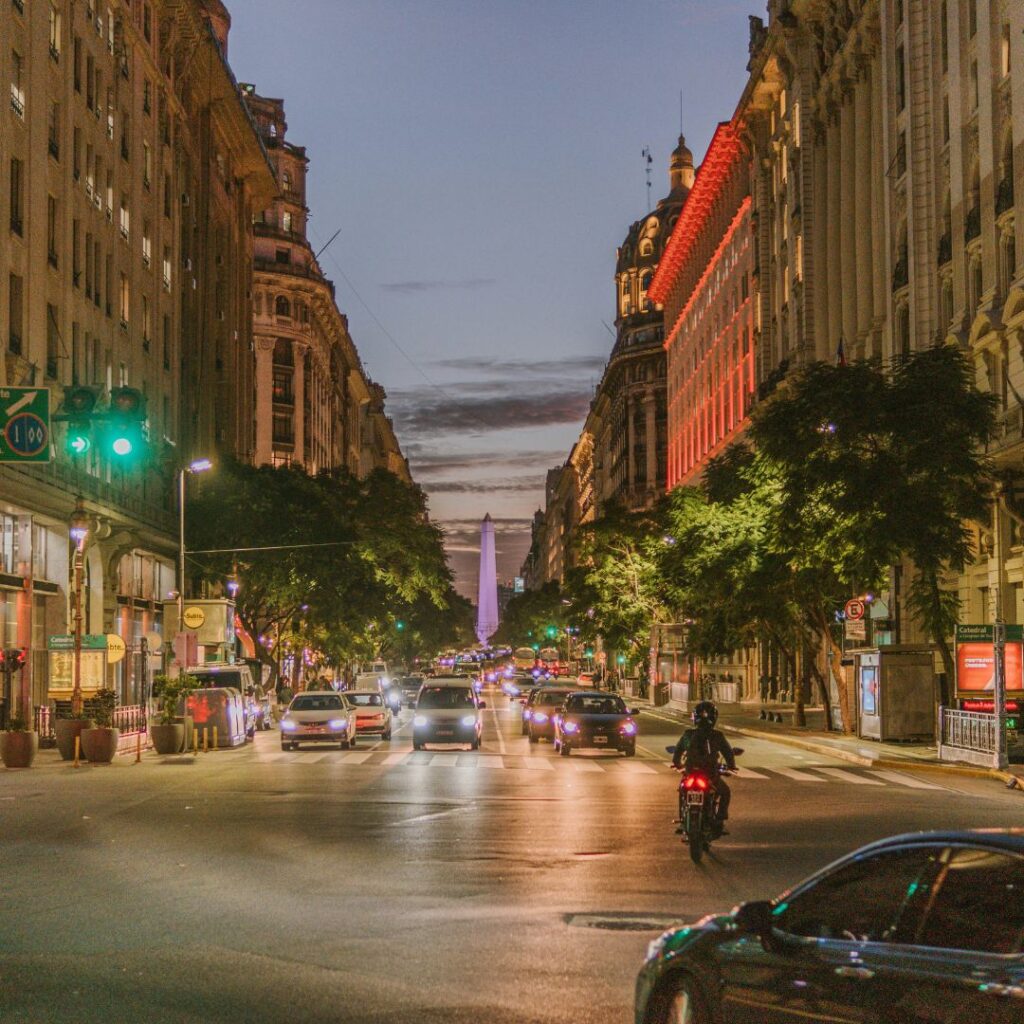
The best tango shows in Buenos Aires are the essence of this city, where passion, elegance, and a touch of nostalgia come together to shape a unique identity. If you’re visiting the Argentine capital or simply want to enjoy an experience that resonates with the local atmosphere, there’s nothing like experiencing tango in Buenos Aires, where music, dance, and history blend into a single rhythm.

More than a performance, tango is an experience that can be felt on every corner of the historic center, in the bars of San Telmo, or in the salons of the Abasto area. From the first note of the bandoneón to the final applause, every note and step reflect the living image of Argentine identity. Watching the dancers glide across the stage is like witnessing a conversation in motion: each step tells a story, each turn invites you to be moved.

At Rentennials we want you to find the option you like the most: traditional proposals with live orchestras and gourmet dinners, more modern shows with theatrical or fusion touches, and intimate venues where tango can be felt up close.

In this article, we tell you everything you need to experience the city to the fullest.

Los mejores shows de tango en Buenos Aires

Why see a tango show in Buenos Aires?

Tango moves people anywhere in the world, but seeing a tango show in Buenos Aires means connecting with the spirit of its history. In this city, tango is not just a dance: it is part of the identity and the very air that locals breathe. That’s why enjoying the best tango shows in Buenos Aires means diving into an experience that blends art, history, and emotion.

A tango show in Buenos Aires is not just about listening to music or watching dance. Most shows include a gourmet dinner with typical Argentine dishes ranging from empanadas to bife de chorizo paired with Malbec, all in an atmosphere that transports you to early 20th-century Buenos Aires. You’ll enjoy a complete experience that mixes gastronomy, culture, and performance, and that’s what makes it a must-do during your visit.

Why is tango so special in Buenos Aires?

Tango was born in the city’s most humble neighborhoods, among European immigrants and criollos who sought a way to express their emotions. It was the language of the slums, of shared patios, and of cafés where melancholy turned into music. That cultural mix and nostalgic spirit are what give tango its strong and unique identity.

Today, tango has become an Intangible Cultural Heritage of Humanity, and Buenos Aires remains its undisputed capital. The city celebrates it on every corner: from traditional milongas to the best tango shows in Buenos Aires, where passion is elevated without losing authenticity.

Do you need to dance to feel the Buenos Aires tango?

Of course, you don’t need to know how to dance to feel tango. All it takes is sitting down, listening to the sound of the bandoneón, and letting yourself be carried away by the music and rhythm that awaken all your senses. Tango can be felt in the skin and in the dancers’ gaze. That’s why, even if you’ve never taken a single tango step, you can still fully experience it by watching the best tango shows in Buenos Aires.

That said, if you feel curious, many tango venues offer short classes before the show. In just one hour, you can learn basic steps and discover that tango is not only technique: it’s connection, improvisation, and emotion. This way, when you watch the professionals onstage, you’ll understand even more of the magic happening there.

Which neighborhoods offer the best tango shows in Buenos Aires?

In this city of a hundred neighborhoods, tango beats strongest in a few key places. San Telmo is one of the epicenters, with its cobblestone streets, antique lampposts, and bohemian atmosphere that feels frozen in time. There you’ll find some of the best tango shows in Buenos Aires, in venues that preserve the genre’s original essence.

Another emblematic neighborhood is Abasto, birthplace of Carlos Gardel, where tango becomes part of the landscape through its murals, bars, and tanguerías that create a unique atmosphere. La Boca also combines street art with tango spirit, especially in its iconic Caminito. And if you’re looking for a modern take on tango, Puerto Madero offers shows with international-level production and incredible river views. In all these neighborhoods, tango is felt and lived intensely.

El bandoneón

The best places to see the best tango shows in Buenos Aires

There are many places to enjoy tango in Buenos Aires—from the most famous shows to hidden neighborhood gems.

Below you’ll find our favorites so you can include them in your itinerary for your next visit to Buenos Aires.

La Ventana Tango Show

Located in the heart of San Telmo, La Ventana is a classic that combines history and elegance. The show takes place in a restored 19th-century house, with a live orchestra, top-level dancers, and a menu that celebrates Argentine flavors. There are options with or without dinner, and shows run every night. A night at La Ventana is undoubtedly an authentic way to enjoy the best tango shows in Buenos Aires.

More information about La Ventana Tango Show

  • Location: Balcarce 431 – San Telmo
  • Schedule: Every day. Dinner: 8:00 p.m. Show: 10:00 p.m.
  • Price: Between 70 and 190 USD depending on ticket type.
  • Includes: Nightly shows. Parking. Dinner and non-dinner options.

Piazzolla Tango

In the majestic Astor Piazzolla Theater, inside the iconic Galería Güemes, Piazzolla Tango pays tribute to the master of modern tango. The show is refined, with exceptional musicians and perfect acoustics. The venue also offers dinner and a three-course gourmet menu. Ideal for those seeking the best tango shows in Buenos Aires with a sophisticated touch.

More information about Piazzolla Tango

  • Location: Florida 165 – San Nicolás
  • Schedule: Daily. Dinner 8:00 p.m. Show 10:00 p.m.
  • Price: From 42 USD depending on ticket.
  • Includes: Tango show. Options with class and dinner.

La noche porteña

La Catedral del Tango

If you’re looking for an alternative and relaxed option, La Catedral del Tango is your place. Located in the traditional neighborhood of Almagro, this bohemian space—with brick walls, mismatched chairs, and its own special charm—attracts both locals and tourists. You can watch live shows or take tango classes in a youthful and affordable environment.

More information about La Catedral del Tango

  • Location: Sarmiento 4006 – Almagro
  • Schedule: Tuesday to Saturday, classes from 6:30 p.m.
  • Price: –
  • Includes: Vegetarian restaurant. Tango classes, shows, art gallery, dance exhibitions.

El Viejo Almacén

One of the temples of Buenos Aires tango. Founded in the 1960s, El Viejo Almacén preserves the traditional spirit of tango salons. With a live orchestra and an elegant show, it’s a must-visit for those who want to experience the living history of the best tango shows in Buenos Aires.

More information about El Viejo Almacén

  • Location: Balcarce 799 – San Telmo
  • Schedule: Daily shows at 9:30 p.m.
  • Price: Approx. 120 USD
  • Includes: Dinner and tango show.

El Querandí

In the heart of the historic center, this restaurant-theater combines period architecture, local gastronomy, and an impeccable performance. El Querandí traces the history of tango from its origins to the present, with live music and dance. An intimate and elegant place, perfect for those seeking an authentic environment.

  • Location: Perú 322 – Monserrat
  • Schedule: Every night at 9:00 p.m.
  • Price: Different options, from approx. 100 USD with dinner.
  • Includes: Dinner and show optional

Madero Tango

For those who prefer a modern experience, one of the best tango shows in Buenos Aires is Madero Tango. Located by the river in Puerto Madero, it offers a show with state-of-the-art technology, LED screens, and spectacular choreography. It’s the perfect ending to a glamorous, passionate night in true porteño style.

More information about Madero Tango

  • Location: Alicia Moreau de Justo and Brasil – Puerto Madero
  • Schedule: Monday to Sunday, show around 10:15 p.m.
  • Price: From 60 USD depending on ticket.
  • Includes: Dinner, tango class, and show.

How should you include a tango show in Buenos Aires in your itinerary?

Ideally, you should book your tango show for one of your first nights in the city. This way, you quickly immerse yourself in the local spirit and better understand the essence of the neighborhoods you’ll explore later. If your trip is short, choose a show with dinner included so you can combine culture and gastronomy in a single night out.

Tango

Tips to make the most of a tango show

  • Bring a camera or a phone with battery, because you’ll want to capture every moment.
  • Arrive early, enjoy dinner without rushing, and pay attention to the musicians: the bandoneón, violin, and piano each tell stories.
  • If you’re up for it, choose a show that offers classes beforehand: learning a basic step can make the night even more special.
  • And above all, open your heart: only then will you truly feel the best tango shows in Buenos Aires.

Rent a car in Buenos Aires and discover the local culture your own way

Experiencing a magical tango night can inspire you to explore other places connected to the city’s spirit. To do so, nothing beats the freedom of moving around the city by car, discovering it at your own pace and making the most of every moment. Rentennials can be your great ally in this.

We work to offer you the best because we want more people to discover each destination with freedom, connect with local culture, and travel responsibly

[:es]

We are Rentennials

Rentennials is the new way to rent cars from local hosts in your city, quickly, easily, and affordably. It's also your new path to starting your own car rental business and making money every month.
Discover more.

Aplicación móvil

Download our App
Share this

[:]

What to do in Bariloche when it rains: the ultimate guide

You’re in Bariloche, and suddenly, the sky turns gray, rain starts to fall, and the first question that comes to mind is what to do in Bariloche when it rains? Mountains, lakes, forests, and stunning landscapes — but the weather can be unpredictable. In Patagonia, a sunny morning can quickly turn into a rainy afternoon. So it’s best to be prepared.

Knowing what to do in Bariloche when it rains is the key to enjoying your trip anyway. You don’t have to cancel your activities — just adapt them. Bariloche offers plenty of options to keep living the essence of southern Argentina: great food, cozy places, culture, chocolate, craft beer, and experiences that, even with an umbrella, become unforgettable.

To make sure your trip isn’t spoiled by the weather, here you’ll find the best tips and recommendations to enjoy Bariloche with Rentennials, even when it rains.

El centro cívico, uno de los planes cuando te preguntan qué hacer en Bariloche con lluvia

Does it rain a lot in Bariloche?

Yes — and that’s part of its magic. Between April and September, rainfall is more frequent, especially during autumn and winter (which often turn into snow). But that shouldn’t be a problem. Locals are used to it and have everything ready: cafés with lake views, museums, chocolate factories, spas, and restaurants to enjoy the unique flavors of Patagonia.

Knowing what to do in Bariloche when it rains allows you to discover a different side of the city. It’s the perfect time to slow down, look out the window, and enjoy the aromas, flavors, and warmth of its people.

How to get around Bariloche when it rains

The best way to move around Bariloche is by car. Whether it’s raining or sunny, public transport isn’t very efficient, and it’s usually cheaper to rent a car than to take taxis. Roads are generally in good condition, even with heavy rain.

What to do in Bariloche when it rains: 8 must-do experiences

On a gray and rainy day, there are many options to make the most of your time in this beautiful city. Chocolate shops, museums, restaurants, and of course, relaxing will be among the first ideas that come to mind.

Here are 8 experiences to help you decide what to do in Bariloche when it rains.

1. Have a coffee with a view of Nahuel Huapi

This plan is perfect for a gray day, a snowy afternoon, or a sunny break after a long day. One thing that should definitely be on your list of what to do in Bariloche when it rains is having tea or coffee facing the lake. Along Bustillo Avenue, you’ll find plenty of places serving homemade cakes, hot chocolate, and warm drinks to enjoy while watching the rain hit the windows.

Bariloche has dozens of cozy cafés — some overlooking the lake, others hidden among the hills. Pick a window seat, open a book, or simply let yourself be carried away by the scenery.

Here are three great spots to enjoy a lakeside snack:

Una vista al lago Nahuel Huapi

2. Explore the Museum of Patagonia and the Civic Center

In the heart of the city, the Museum of Patagonia invites you to discover the natural and cultural history of the region. Learn about the indigenous peoples, the flora and fauna, and the pioneers who first settled the area. Open Monday to Friday from 10 a.m. to 12:30 p.m. and 2 p.m. to 5 p.m. Entry is by donation.

The building is part of the iconic Civic Center, one of Bariloche’s landmarks, where you’ll also find art galleries and shops selling local products. It’s the perfect indoor plan while waiting for the rain to stop.

Just a few steps away, the Bariloche Cathedral is another must-see.

3. Visit the chocolate factories

A trip to Bariloche wouldn’t be complete without chocolate. On rainy days, visiting its famous chocolate factories like Mamuschka, Abuela Goye, or Rapa Nui is a must. They offer tours and tastings, and on Mitre Street you’ll find the most traditional shops selling handmade bars and unique bonbons.

If you’re looking for what to do in Bariloche when it rains without getting wet, tasting chocolate and learning how it’s made is a perfect plan.

A great complement: visit the Chocolate Museum to learn more about the history of one of the world’s sweetest creations.

4. Enjoy a craft beer tasting

Bariloche isn’t just the capital of chocolate — it’s also a pioneer in craft beer production. Going to local breweries for a tasting is another great option when thinking about what to do in Bariloche when it rains.

The city leads Argentina’s craft beer movement, offering a wide range of styles. You can visit Cervecería Patagonia, with its stunning view of Lake Moreno; Berlina, founded in nearby Colonia Suiza; or Kunstmann, the Chilean brand with a bar on Bustillo Avenue. All offer perfect pairings with Patagonian dishes.

Un arcoiris sobre Bariloche

5. Visit Colonia Suiza

Just 25 km from Bariloche lies Colonia Suiza, one of the first Patagonian settlements founded by European immigrants in the late 19th century. Its architecture and history earned it a national heritage designation, and it still preserves its original charm.

Visiting this small village is one of the best answers to what to do in Bariloche when it rains. Besides its beautiful setting, you’ll find tea houses, restaurants, craft shops, and a vibrant artisan fair (Wednesdays and Sundays).

6. Discover the local gastronomy

Rainy days are perfect for hearty, comforting meals — and Bariloche’s gastronomic scene is outstanding. From traditional grills to regional cuisine, there’s something for every taste.

Trout, lamb, stews, and homemade pasta take center stage. If you’re still wondering what to do in Bariloche when it rains, simply find a table with a lake view and enjoy the moment.

Here are five restaurants worth visiting:

  • El Boliche de Alberto — a local classic specializing in grilled meats.
  • La Fonda del Tío — generous portions, traditional dishes, and fair prices.
  • Familia Weiss — regional dishes like Patagonian lamb and European-inspired recipes.
  • Las Morillas — varied Patagonian dishes with creative touches.
  • Ánima — a fine-dining experience in the Circuito Chico area with a four-course menu.

Pro tip: Make a reservation if it’s a rainy day during high season.

La belleza de Bariloche nublada

7. Stroll downtown and go shopping

Bariloche’s city center packs a lot into a few blocks. Walking along Mitre or Moreno streets on a rainy day is an excellent plan. Between chocolate shops, you’ll find clothing stores, local products (try the raspberries in syrup!), bookstores, and handicrafts.

Many shops also offer tastings of jams, liqueurs, or chocolates — turning a simple walk into a flavorful experience.

8. Spend a day with family

If you’re traveling with kids, there’s plenty to do. Visit the Paleontological Museum (Monday–Saturday 1 p.m.–5:30 p.m.) to see fossils and interactive exhibits. You can also take the Cerro Otto cable car, and enjoy its rotating café with panoramic views — all without getting wet.

Another great spot is the Patagonia Shopping Center, with cinemas, cafés, and games for all ages — the perfect indoor plan for any rainy afternoon.

Can you still enjoy outdoor plans when it rains in Bariloche?

You might wonder what to do in Bariloche when it rains before arriving. Bad weather is always a possibility — but that doesn’t mean you have to cancel all outdoor activities. Even on cloudy or rainy days, it’s possible to enjoy Patagonia’s landscapes. But what can you actually do?

It depends on the amount and intensity of rain. If it’s light, you can drive the Seven Lakes Route. However, if it’s heavy, we recommend staying in town.

For mountain trails, make sure the ground isn’t too wet. Always check with park rangers before hiking — the terrain can get slippery and dangerous.

Tips to enjoy Bariloche when it rains

  • Bring warm clothes and an umbrella, even in summer.
  • Plan mixed activities, alternating indoor and short outdoor plans.
  • Check the weather forecast before going out — it changes fast.
  • Book indoor tours or experiences in advance, as they fill up quickly on rainy days.
  • Take photos of the foggy landscapes: mountains covered in mist are a magical sight.

Rent a car in Bariloche and explore at your own pace

What to do in Bariloche when it rains is a question every traveler asks when facing unpredictable weather in this beautiful city. Take your time to explore the best plans, and choose based on your mood. The key: use rainy days to relax and discover a more peaceful side of Bariloche.

At Rentennials, we want you to make the most of your trip to Bariloche — even on cloudy, rainy days. Renting a car in Bariloche is the best way to move around easily and comfortably. We’ll make sure the process is simple, safe, and stress-free.

[:es]

We are Rentennials

Rentennials is the new way to rent cars from local hosts in your city, quickly, easily, and affordably. It's also your new path to starting your own car rental business and making money every month.
Discover more.

Aplicación móvil

Download our App
Share this

[:]

Where to eat delicious and cheap in Buenos Aires: the definitive list

Big cities have secrets that few know, and where to eat delicious and cheap in Buenos Aires is one we want to share with you. Those who already know us are aware that we’re always searching for different experiences. That’s why, to eat differently (abundant, good, and cheap), you need to step outside the traditional porteño circuits and go further than downtown, Palermo, or Recoleta, and step into the bodegones of Buenos Aires neighborhoods open to everyone.

In these corners, you’ll find the true porteño essence. Dishes to share, good wines at affordable prices, and classic desserts. As soon as you walk in, you can feel the immigrant legacy of the past, reshaping recipes into what has become the famous porteño gastronomy.

With this guide from Rentennials, we want your next trip to Buenos Aires to encourage you to go beyond the classic tourist neighborhoods. You’ll not only discover a whole different vibe but also bodegones where you can enjoy dishes for all tastes.

Why look for options to eat delicious and cheap in Buenos Aires?

When visiting Buenos Aires, one of the first things we want is to experience its gastronomy. Enjoy cosmopolitan flavors and dishes designed by some of the best chefs in the world. Yes, that’s partly true, but when we see the prices at these places, we think twice before entering. One night may be worth it, but what about when we want to go back to traditional dishes and flavors?

To know where to eat delicious and cheap in Buenos Aires, you need a sharp eye, step outside the social media bubble, and embrace flavors that might even take you back to childhood. Minutas, parrillas, pasta, fish, seafood, and more await you in bodegones that seem frozen in time—and that’s exactly what makes them magical.

Why look for options to eat delicious and cheap in Buenos Aires?

When visiting Buenos Aires, one of the first things we want is to experience its gastronomy. Enjoy cosmopolitan flavors and dishes designed by some of the best chefs in the world. Yes, that’s partly true, but when we see the prices at these places, we think twice before entering. One night may be worth it, but what about when we want to go back to traditional dishes and flavors?

To know where to eat delicious and cheap in Buenos Aires, you need a sharp eye, step outside the social media bubble, and embrace flavors that might even take you back to childhood. Minutas, parrillas, pasta, fish, seafood, and more await you in bodegones that seem frozen in time—and that’s exactly what makes them magical.

Where to eat delicious and cheap in Buenos Aires?

We could have stuck to restaurants in the more touristy areas—there are plenty. But instead, we chose to step away from the most traditional neighborhoods, like downtown, Palermo, or Recoleta, so you can dare to go further. You’ll see for yourself: the experience of eating delicious and cheap in Buenos Aires bodegones improves infinitely when the dishes are combined with the porteño essence that not everyone knows.

Here are our recommendations:

Los Bohemios (Atlanta)

In the heart of Villa Crespo, next to the stadium of the legendary Club Atlético Atlanta, you’ll find Los Bohemios. It’s a gastronomic proposal that combines classic flavors with abundant dishes to share. Squid rings, pasta, pork shoulder in different preparations, meats, and much more await you in this neighborhood classic. Check out the menu and prices here.

A good idea is to combine lunch or dinner at Los Bohemios with a walk through Villa Crespo, one of the neighborhoods where the Jewish community settled in Buenos Aires.

Useful information

Address: Humboldt 538

Hours: Monday 8 p.m.–12 a.m. | Tuesday to Sunday: 12–4 p.m. / 8 p.m.–12 a.m.

Phones: 4856-9260 / 4855-1207 / Whatsapp 11-631-3810

Los Bohemios

@losbohemios.restaurante

El Boliche de Nico

If you’re asking where to eat delicious and cheap in Buenos Aires, but exclusively parrilla, here you’ll find the answer. In the neighborhood of Villa Urquiza, you’ll find one of the best meat bodegones in the city: El Boliche de Nico. You’ll find the classic cuts, complete parrilladas, provoleta in different styles, and excellent traditional desserts. One recommendation? Combine several cuts, especially the vacío with the asado de tira.

Getting to El Boliche de Nico is really easy by car. You can park on the street and the neighborhood is very pleasant to walk around. Very close by is the famous Donado and Holmberg gastronomic hub. A great idea is to have lunch or dinner and then go for a drink at one of the bars along Donado Street.

A note: in 2025 El Boliche de Nico expanded and opened a new location in Palermo. We recommend visiting the original one to truly experience the neighborhood atmosphere.

Useful information

Address: Av de Los Incas 4257

Hours: Tuesday to Sunday 12–4 p.m. and 8 p.m.–12 a.m.

Phone: 116-758-3930 / 4554-7018

GEVS (Gimnasia y Esgrima de Vélez Sarsfield)

We go a little further and arrive in Villa Santa Rita, one of the neighborhoods that has remained unchanged over time. Few buildings, houses from the 1950s and 1960s, and clubs that managed to rise again after many crises. One of those is Gimnasia y Esgrima de Vélez Sarsfield, popularly known as GEVS. Today, besides being the cradle of neighborhood football, it’s a bodegón that attracts people from all over the city.

What are the dishes like? Abundant, to share, and with very local flavors. Empanadas, special milanesas, pasta, and meats prepared with their own twists are some of our recommendations.

Although it’s far from downtown or the better-known neighborhoods, getting there is simple and it’s a very safe neighborhood. Dare to eat and then walk its streets.

Useful information

Address: Joaquin V. Gonzalez 1511

Hours: Monday to Saturday 7 a.m.–12 a.m. | Sunday closed

Phone: 4648-2337 / 4963-8916

El Ferroviario

If the question of where to eat delicious and cheap in Buenos Aires hasn’t been answered yet, this will be the one. In the west of the city, literally next to the Vélez Sarsfield stadium, lies one of the most famous parrillas: El Ferroviario. The proposal is simple: all-you-can-eat parrilla, cuts of every kind, and you eat what you want. Plus, if you prefer something less abundant, you can order dishes separately.

The beauty of this place is that it’s not just about the food. A central part of the proposal is its atmosphere and service. Nothing goes unnoticed and there’s always attention to make sure the client has a spectacular time.

A tip: make a reservation or arrive early, especially on weekends. And don’t worry if you don’t eat meat! There are other dishes for you.

Useful information

Address: Reservistas Argentinos 219

Hours: Tuesday to Sunday 12–4 p.m. and 8 p.m.–12:30 a.m.

Reservations at this link

El ferroviario

@elferroviariook

Spiagge di Napoli

On Avenida Independencia, in the heart of Boedo, you’ll find this Italian bodegón founded almost 100 years ago: Spiagge di Napoli. Here tradition is alive, and the dishes carry that touch that reminds you of childhood flavors. The typical Italian atmosphere, the amazing service, and the abundance of pasta take you back to a Buenos Aires of the past.

The specialty? Homemade fusilli with the sauce of your choice. After lunch or dinner with one of their traditional dishes, you can go for a walk around Boedo, a neighborhood with some tango secrets.

Useful information

Address: Av. Independencia 3527

Hours: Monday to Sunday 12–4 p.m. and 8 p.m.–12 a.m. | Sunday night closed.

Bar Alemán

In this article we wanted to cover a large part of the city, and we couldn’t miss a bodegón where eating delicious and cheap in Buenos Aires is also an experience from another origin. In Devoto, you’ll find Bar Alemán, a place with a Central European flair and, of course, typical foods from different regions of Germany.

Yes, their menu includes not only German specialties but also pasta and milanesas. But we have no doubt: order the goulash and German sausages with sauerkraut.

Useful information

Address: Av. San Martín 5992

Hours: Tuesday to Sunday 12 p.m.–12 a.m.

Phone: 4501-0814

@baralemandevoto

How to get to the bodegones to eat delicious and cheap in Buenos Aires?

All the bodegones we recommend have the advantage of being in neighborhoods away from the most central and touristy areas. This means two important things: traffic is lighter, and parking spaces are easier (and cheaper if you decide to pay for parking).

So now you know, open Waze or Google Maps and let yourself be guided through the streets of Buenos Aires.

Tips to enjoy your trip in Buenos Aires

  • Plan your routes ahead of time. Buenos Aires is big, and getting from one place to the bodegón you chose takes time. Build an itinerary to optimize and visit several neighborhoods in one day.
  • Rent a car if you’re moving outside the center. Traffic in Buenos Aires is heavy, but outside the central areas, you can drive more calmly.
  • Try as many dishes as you dare. It may seem obvious, but don’t miss out on anything.
  • Walk through the neighborhoods. The city is safe to walk around, with the usual precautions of any big city.
  • After a good dinner, enjoy the nightlife. From tango shows to bars and milongas, the city has options for every taste.

Travel with Rentennials and enjoy eating delicious and cheap in Buenos Aires

The capital of Argentina is full of surprises. To discover them, you have to dare to step away from the traditional circuits, find out exactly where to eat delicious and cheap in Buenos Aires, and wander its streets until you reach that place everyone talks about.

The best way to get to know a place is your way, without depending on others and making the plan you’ve been dreaming of. That’s why, at Rentennials, we make the process of renting a car easy so you can calmly explore one of the most incredible cities in the world.

[:es]

We are Rentennials

Rentennials is the new way to rent cars from local hosts in your city, quickly, easily, and affordably. It's also your new path to starting your own car rental business and making money every month.
Discover more.

Aplicación móvil

Download our App
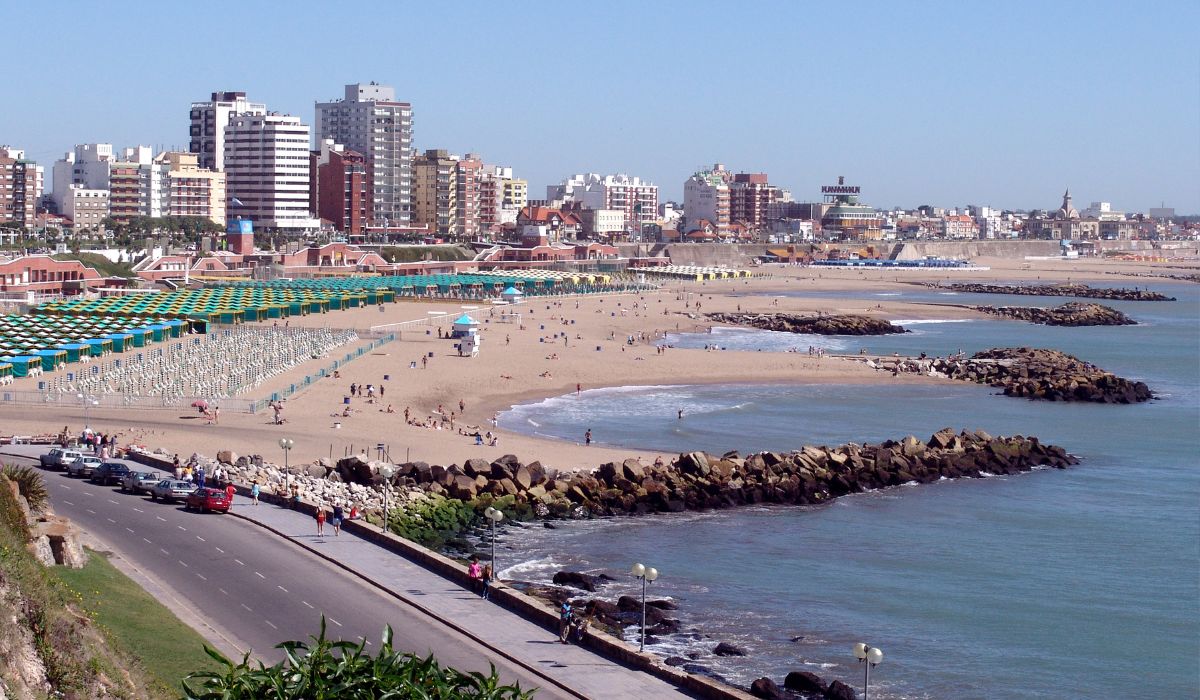
Share this

[:]