CO2

Car Rental in Lima: The Best Prices and How to Find the Ideal Option

Knowing the best options for car rental in Lima and finding the right price is the first step to ensuring an excellent stay in Peru’s capital and its surroundings. Getting around by car gives you comfort, safety, and most importantly, the freedom to choose your own routes and schedule. Ultimately, that’s what travel is all about: improvising and going with the flow.

Today, there are many vehicle rental alternatives, from traditional rental companies to peer-to-peer digital platforms. Of course, not all of them offer the same cost-benefit ratio.

In this article from Rentennials, you’ll find updated, clear, and strategic information about the best way to secure a car rental in Lima. You’ll also discover a complete guide to compare models, prices, and tips so you can choose the most convenient option based on the type of trip you’re planning.
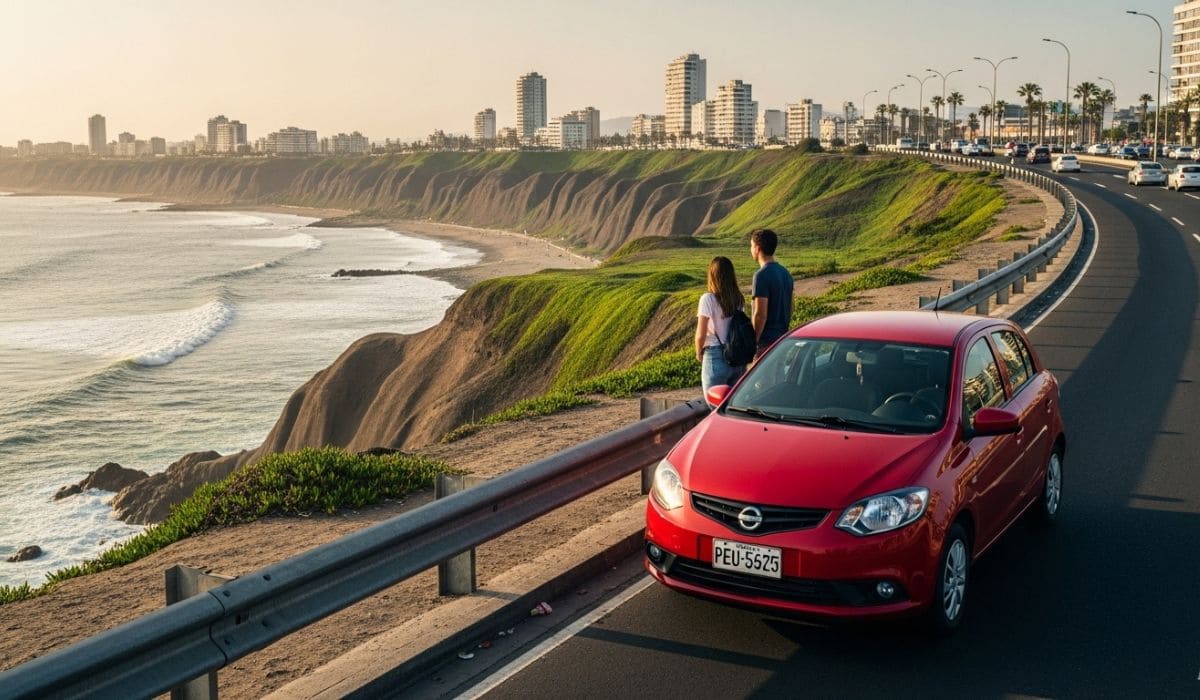
Alquiler de auto en Lima

What Is the Best Way to Get Around Lima?

Peru’s capital is huge and very dynamic. It offers a wide variety of experiences you won’t want to miss: coastal neighborhoods, historic centers, nearby beaches, and surprising natural escapes.

Each area has its own traffic patterns, peak hours, and access routes. That’s why relying solely on public transportation can significantly limit your options (and it’s not very efficient).

So, renting a vehicle is the best decision you can make. Before booking, it’s important to compare different car rental in Lima options and find the best prices to optimize your budget and make your experience unforgettable.

Driving in Lima: Traffic, Weather, and Tips

Before you hit the road—literally and figuratively—it’s important to understand where you’ll be driving so your transfers are as efficient as possible. The city has good mobility and signage, with wide avenues, urban highways, and fast roads connecting districts quickly. Rush hours typically occur between 7–10 a.m. and 5–8 p.m.

As for the weather, while Lima often has overcast skies, the good news is that it rarely rains, and extreme weather conditions are uncommon. Always keep basic precautions in mind, such as maintaining a safe driving distance, and of course, respecting traffic signs and speed limits.

What Can You Do If You Rent a Car in Lima?

Before searching for the best car rental in Lima prices, it’s important to ask why it’s worth it. The answer is simple: having your own vehicle significantly improves your experience in Peru’s stunning capital.

Lima is a city with an enormous variety of options that are difficult to enjoy if you depend on taxis, ride-sharing apps, or public transportation.

With a rental car, you can explore places like Miraflores, the iconic Barranco, the historic center, or the city’s incredible museums and cultural spaces—all in one day.

Having your own vehicle allows you to combine beach days with a vibrant nightlife, safely and while reducing travel time to make the most of your stay. If you’re willing to go a bit farther, there are amazing excursions outside the city, including the Chancay Castle or even a trip to the dunes of Huacachina.

Lima en auto

Which Car Model Should You Rent Based on Your Trip?

Car rental in Lima prices vary depending on the vehicle category. That’s why it’s important to understand which models best fit the type of trip you’re planning.

Economy cars, such as compact models similar to a Hyundai i10 or Kia Picanto, are ideal for city driving, fuel-efficient, and more affordable.

Mid-size sedans offer more space and power at moderate prices. If you’re planning to leave the city and want better suspension and comfort, SUVs are ideal for longer road trips with multiple travelers.

Should You Rent by the Day, Week, or Month?

Of course, time directly affects the cost of your rental, so it’s important to analyze the benefits based on the length of your stay. Daily rates offer flexibility, but they’re usually not the most economical option.

If you rent by the week, the average daily cost is lower, making it a smart choice for longer stays. In some cases, booking a full week is cheaper than paying for several individual days. For two weeks or a full month, prices drop significantly on peer-to-peer platforms, since owners prefer longer bookings.

What Factors Influence Car Rental Prices in Lima?

The final cost doesn’t depend only on the vehicle or number of days. Several variables impact car rental in Lima prices:

  • Advance booking: reserving about 75 days before your trip often results in below-average rates.
  • Seasonality: prices fluctuate depending on demand throughout the year.
  • Type of car: smaller vehicles are typically the most affordable and popular among travelers.
  • Total rental duration: the longer you book, the lower the daily rate.

Current Car Rental Prices in Lima: What Does It Really Cost?

In general terms, car rental in Lima prices vary widely depending on several factors. Rates can range from USD 40 per day up to USD 160 at traditional agencies, where administrative fees and additional charges are usually higher.

However, in recent years, peer-to-peer car sharing platforms, such as Rentennials, have gained popularity by offering an excellent cost-benefit ratio, with better prices averaging around USD 35 per day, along with greater flexibility and vehicle variety.
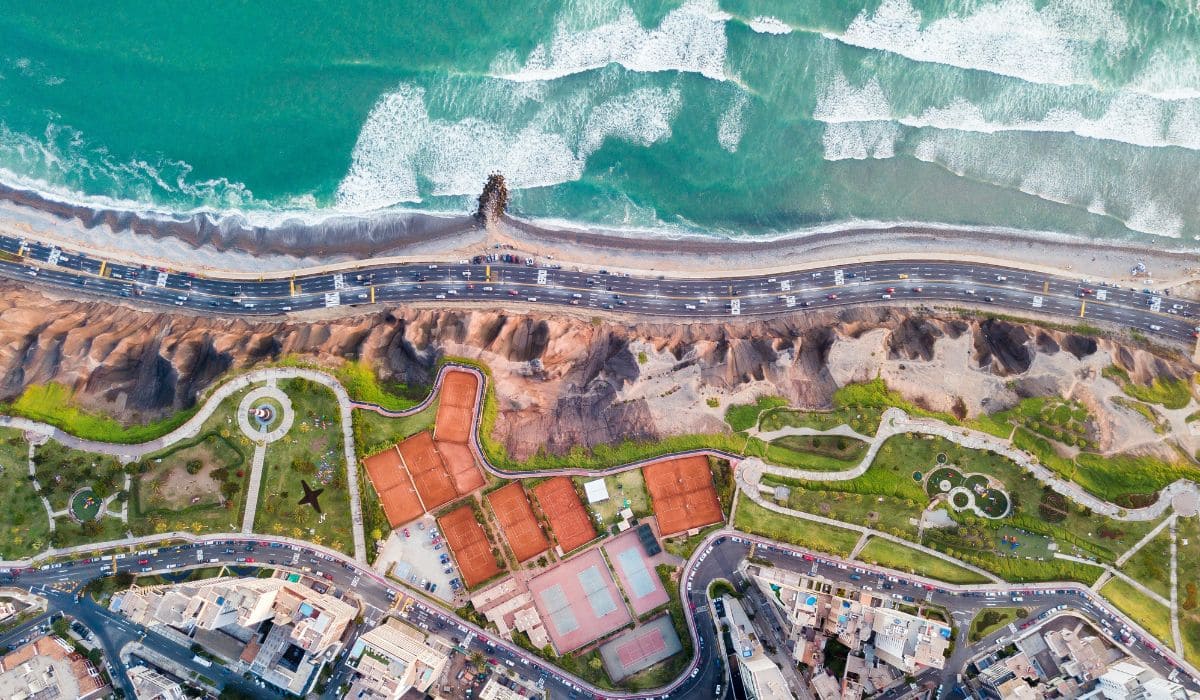
La costa de Lima

Digital Car Sharing Platforms vs Traditional Rentals: Who Offers Better Prices?

New ways of traveling and getting around introduce new factors to compare. Here are some key differences:

  • Limited fleet vs variety and availability. Traditional rental companies operate with a fixed fleet and set pricing, which limits flexibility. Collaborative platforms like Rentennials provide greater vehicle availability, more variety, and broader categories. Additionally, peer-to-peer rentals often include local tips from owners about routes, neighborhoods, and schedules.
  • Fixed rates vs supply and demand pricing. Traditional agencies offer fixed rates and often include extra charges. Collaborative platforms have lower operating costs and more dynamic pricing, which can result in better deals—especially with early bookings or longer stays.
  • Fixed business hours vs flexible scheduling. Traditional agencies usually operate during office hours, while apps like Rentennials allow you to book anytime from your phone and coordinate flexible pickup locations.

So, what’s the conclusion? Compared to traditional companies, the collaborative model combines competitive pricing with a personalized experience. It also includes integrated insurance and user verification systems, ensuring a secure experience.

Tips to Pay the Lowest Price for Car Rental in Lima

If you want to optimize your budget, consider these strategies:

  • Book in advance.
  • Choose compact cars if traveling solo.
  • Consider weekly rentals.
  • Check seasonal demand before booking.

Final Tips for Choosing the Best Car Rental in Lima

Before booking, review this checklist:

  • Compare prices and models. Choose what best fits your needs.
  • Review the fuel policy.
  • Confirm included mileage.
  • Check real photos of the vehicle.
  • Read user reviews.
  • Confirm pickup time and location.

Rent a Car and Enjoy Exploring Lima

The car rental in Lima market is broad and competitive, and prices vary depending on many factors. The key is to compare options, understand your needs, and choose the right model.

Car sharing clearly offers advantages over traditional systems thanks to greater variety, flexible pricing, and personalized experiences. For travelers seeking freedom of movement, budget optimization, and a deeper way to explore Lima, this option is one of the smartest choices available.

At Rentennials, we want more people to travel freely and responsibly. Finding the right balance between price, comfort, safety, and flexibility is what makes every trip an unforgettable experience.

[:es]

We are Rentennials

Rentennials is the new way to rent cars from local hosts in your city, quickly, easily, and affordably. It's also your new path to starting your own car rental business and making money every month.
Discover more.

Aplicación móvil

Download our App

Share this

[:]
Tafí del Valle

Find out what to do in Tucumán and enjoy a unique trip

One of the most common questions when traveling to the north is: what to do in Tucumán? Many times, this destination gets fewer days than it deserves, or it’s simply thought of as a stop on the way to another place in the country. But the truth is that the province of Tucumán has nothing to envy its northern sisters and, on the contrary, it will surprise you with every step you take through the Garden of the Republic.

History, culture, gastronomy, and stunning landscapes await you in Tucumán, a unique corner of Argentina that’s well worth visiting. It all begins in San Miguel de Tucumán, and continues through the Calchaquí Valleys until reaching the Sacred City of Quilmes. A route that deserves your time so you can truly disconnect and relax.

At Rentennials, we promote a different way of traveling — unrushed, sustainable, and allowing you to reach the places you’ve been dreaming of. Keep reading and discover what to do in Tucumán.

El Cadillal y kayak, una actividad para hacer en Tucumán

@visitargentina

How to get to Tucumán?

Tucumán is located about 1,200 kilometers from Buenos Aires, 550 km from Córdoba, and 1,000 km from Mendoza. From Buenos Aires or Mendoza, the best option is to take a flight to the capital, San Miguel de Tucumán. Aerolíneas Argentinas, JetSmart, and Flybondi operate daily flights. If you’re departing from Mendoza, you’ll likely need to connect in Buenos Aires.

If you’re in Córdoba, getting there is very simple: take National Route 9 heading north, and you’ll arrive in under 8 hours.

What’s the best way to explore Tucumán (by car)?

The best way to explore Tucumán is by car. The distances are short, the roads are in good condition, and they are paved.

Renting a car in Tucumán is the first step you should take. You’ll reach the places you really want to visit and avoid long waits for public transportation. Plus, you’ll likely save much more money than booking tours that may not go where you want.

How many days do you need to explore Tucumán by car?

If you’re wondering what to do in Tucumán with the time you have, here’s some good news: you don’t need many days. The province is small, so we recommend at least 7 days. That’s the ideal amount of time to stay in San Miguel de Tucumán, enjoy Tafí del Valle, and relax in Amaicha del Valle.

If you have more time, you can combine it with a trip through the Calchaquí Valleys in Salta or venture into Catamarca.

When is the best time to visit Tucumán by car?

Like all destinations in northern Argentina, the best time is between April and November. There are several reasons: the temperatures are more pleasant and, most importantly, rainfall is infrequent.

You can visit during the summer, but be aware that it rains more and it’s hotter, especially in the capital area. Also, since it’s high season, prices are slightly higher and there may be more crowds.

Places to visit in Tucumán

To organize an itinerary to travel through Tucumán by car and explore its best spots, it’s first important to understand the regions of the province. On one side, you’ll find the destinations close to the capital, known as the Tucumán yungas. San Javier and El Cadillal are must-sees (along with San Miguel).

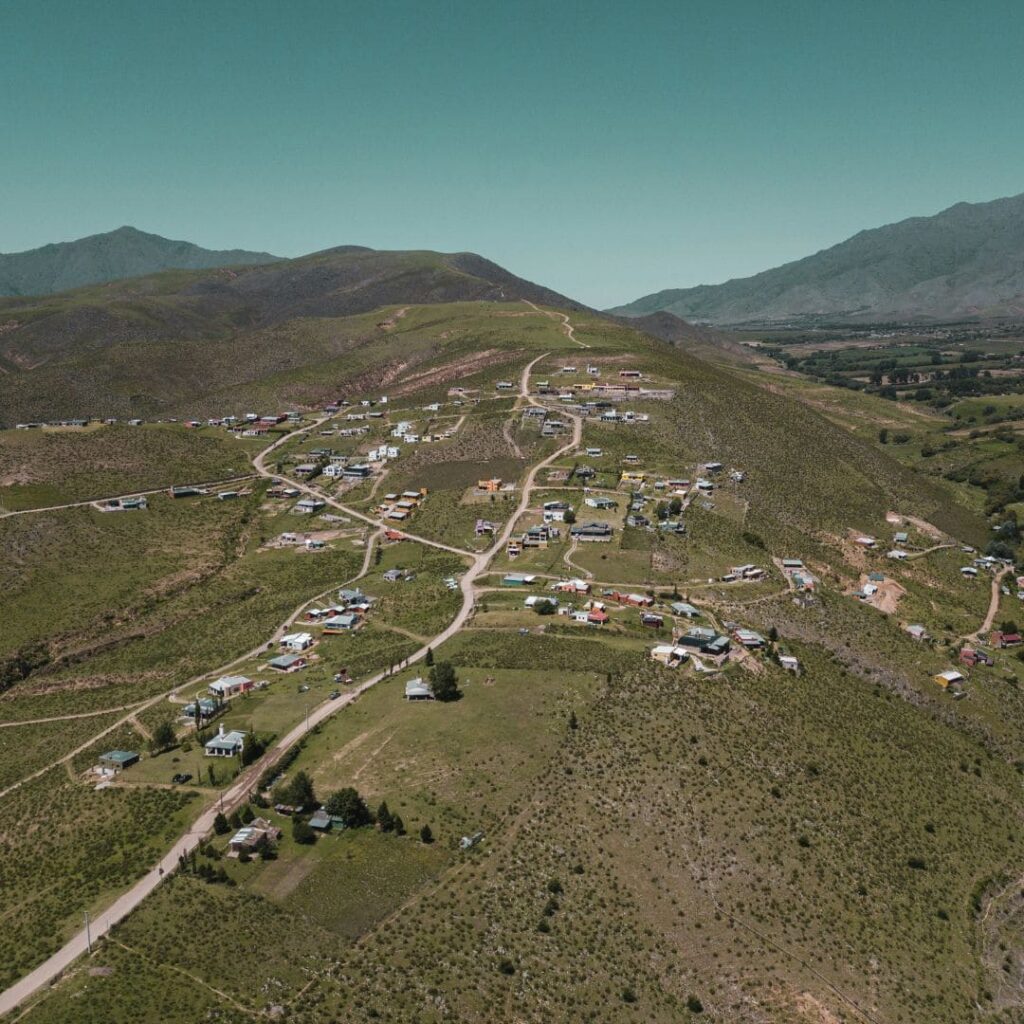
Another region lies to the west, known as the Calchaquí Valleys of Tucumán. Tafí del Valle and Amaicha del Valle are ideal towns to stay in and explore the surrounding landscapes.

That’s why, when planning what to do in Tucumán, it’s always important to keep the province’s regions in mind to better plan your route.

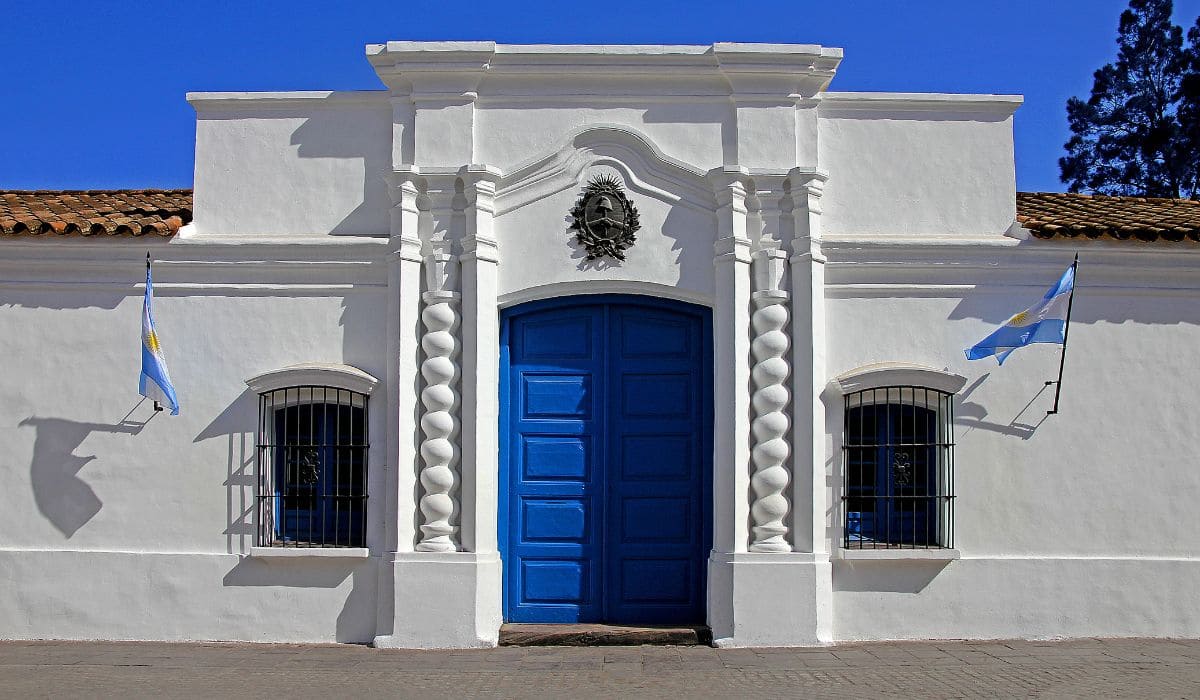
¿Qué hacer en Tucumán? Visitar la Casa de la Independencia

@visitargentina

What to do in Tucumán?

Everything begins with a few days in San Miguel de Tucumán, or even better, in one of the nearby towns in the yungas. Then, head west into the beautiful Calchaquí Valleys of Tucumán. It’s a trip through the country’s history, breathtaking landscapes, and exquisite gastronomy. Yes, you’ll also find wineries with excellent wines.

First stop: San Miguel de Tucumán

San Miguel de Tucumán is a city full of history, visible in every block of its historic center. Museums, colonial architecture, and local cuisine all deserve a spot on your journey.

What to visit in San Miguel de Tucumán? Here are our top picks:

  • Casa Histórica de la Independencia. One of the most iconic places in Argentina’s history. The visit takes about one hour. Admission is free. Open Tuesday to Sunday from 9 a.m. to 1 p.m. and 3 p.m. to 7 p.m.
  • Mercedes Sosa Museum and Birthplace. You don’t need to be a folklore fan to enjoy this museum dedicated to our most internationally recognized singer. Open every day from 9 a.m. to 6 p.m. (closed at midday on weekends). Free entry.
  • Museo Casa Padilla. A journey into the past to learn how the protagonists of the colonial era lived. Located across from the main square. Open Tuesday to Sunday from 9 a.m. to 1 p.m. and 3 p.m. to 7 p.m. Free admission.
  • Sugar Industry Museum. Perfect for those who want to understand the production of one of the country’s key crops. Located in 9 de Julio Park. Open Tuesday to Sunday from 9 a.m. to 1 p.m. and 3 p.m. to 6 p.m. Free entry.
  • Independence Square and the surrounding churches, including the Cathedral.

We recommend spending the first night in San Miguel (if you arrive late), and the next day dedicate a few hours to exploring the city.

El Cadillal, a different place

Located 20 kilometers north of San Miguel de Tucumán, El Cadillal Dam is a favorite spot for locals to spend the day enjoying various activities. You can take boat rides, kayak, rappel, go canyoning, among many others. Or simply sit down and relax.

There’s a tourist promenade with food options where you can enjoy local cuisine.

How to get there? Take National Route 9 and follow the signs to El Cadillal. It’s just 20 minutes from the capital.

San Javier, among trails and greenery

Taking Provincial Route 340, you’ll reach the village of San Javier, a must-see when deciding what to do in Tucumán. You’ll rest and reconnect with the yungas. Hiking, horseback riding, and cycling await you.

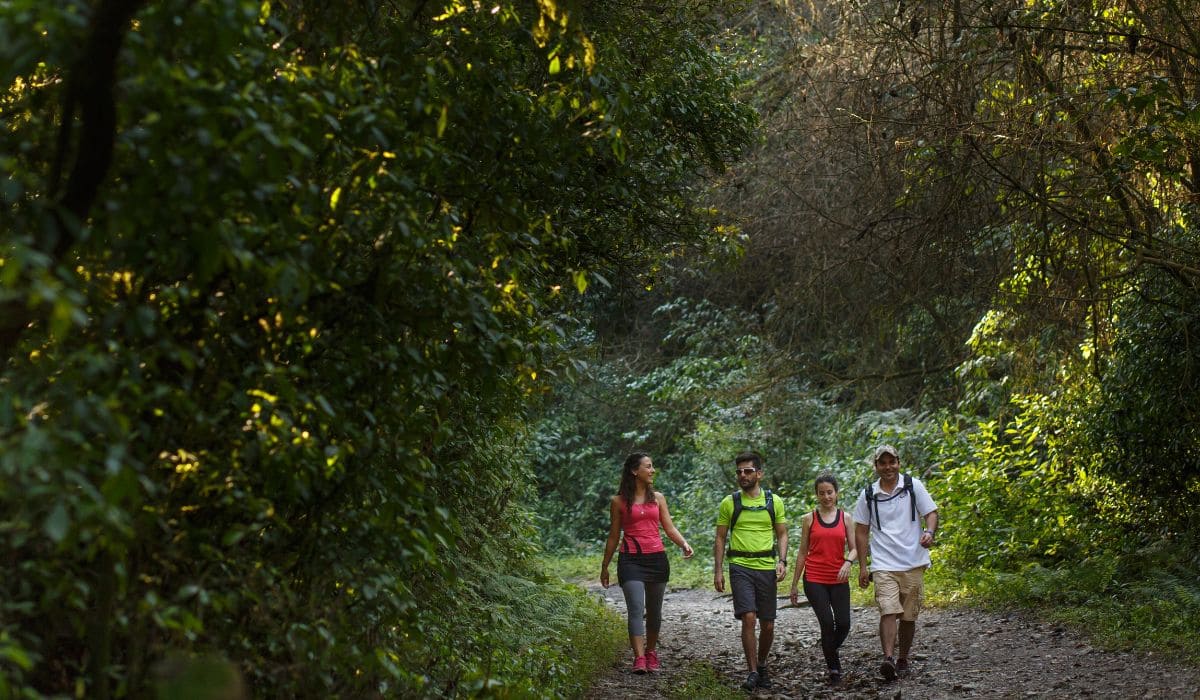
You’ll also find the Sierra de San Javier Park around the village, where you’ll truly discover the Tucumán jungle at its best. Walk its trails — they’re suitable for all ages. If you want something more demanding, opt for the high-difficulty treks, perfect for adventure seekers.

San javier

@visitargentina

Scenic Route: Quebrada de los Sosa (RP 307)

Once you’ve explored the Tucumán jungle, it’s time to head into the Calchaquí Valleys. To get there, take RP 307, one of the most scenic roads in Argentina. The road climbs gradually until reaching viewpoints that look out over the gorge carved by the La Angostura River.

We recommend taking it slow and stopping at each viewpoint.

El Mollar and Los Menhires

As you ascend, the jungle fades. The first village you’ll encounter is El Mollar, located across from La Angostura Dam — one of the highest artificial lakes in the world, at 2,000 meters above sea level. What can you do there? It’s great for birdwatching, fishing, or water sports. Here’s a secret: there’s a challenging hike to Ñuñorco Grande that requires a guide and climbs to 3,320 meters above sea level.

Not far from El Mollar is one of the most “peculiar” archaeological sites in the country: Los Menhires, carved stones raised by ancient cultures.

Tafí del Valle, between hills and tranquility

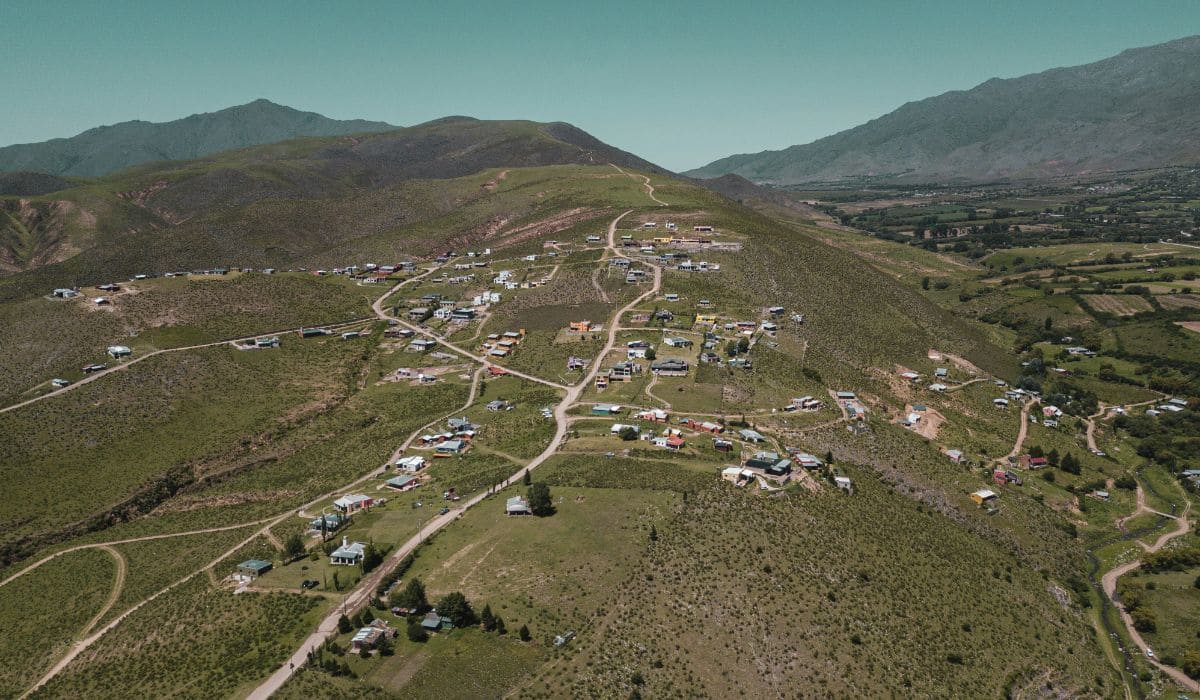
A must when thinking about what to do in Tucumán: Tafí del Valle. This small town is perfect for staying a few nights and enjoying biking and horseback riding. If you’re into hiking, the Muñoz and El Pelao hills have trails you’ll love.

You’ll also find the Calchaquí Peaks Provincial Park, with its unique landscape at 3,000 meters altitude, fossils, and petrified forests. Be aware: it’s challenging.

Tafí del Valle

Ampimpa Observatory, a place to see the stars

Looking for a unique experience? Stargazing at Ampimpa is for you. Imagine: a whole day and night (even until dawn) dedicated to disconnecting through this unforgettable activity. No need to be an expert — just bring your curiosity.

The visit includes afternoon snack, dinner, and breakfast, plus guided walks and star observation with specialists. Book here.

There’s also the option of daytime observations.

The Artisan Route

Along the way from El Mollar to Amaicha del Valle, you’ll find numerous artisan workshops along the Artisan Route. Ceramics, textiles, metal jewelry, and more — all made by producers rooted in ancestral knowledge. Local families open their doors so you can learn how each piece is created.

Amaicha del Valle

Amaicha del Valle

They say Amaicha del Valle has the most sunny days in Argentina — around 360 per year. So there’s some truth to it. If you’re looking to unwind, a few nights here are all you need. Nearby, you’ll find Los Zazos Dam and the Remate waterfalls. There’s also a tour to the Tiu Punco desert, a surreal landscape — guides are required.

Don’t miss the Pachamama Museum, a space to learn about the lives of the region’s Indigenous peoples.

Sacred City of Quilmes

Near Amaicha del Valle, along National Route 40, lies one of the most important archaeological sites in Argentina: The Sacred City of the Quilmes. Inhabited around the 12th century, today you can explore the remains of their homes and sacred spaces.

Before walking the open site, don’t miss the Interpretation Center at the entrance — a great way to understand what you’re about to see.

It’s located 21 kilometers from Amaicha del Valle via RP 357. Open daily from 9 a.m. to 6 p.m.

The High Altitude Wine Route

This could be an article on its own, but we couldn’t leave it out. On the route from Tafí del Valle to Amaicha, you’ll find wineries to visit. Many are located along National Route 40, between Amaicha and Cafayate, in Salta.

Here are some wineries to visit:

From Tucumán to Salta by car

Now that we’ve answered the question of what to do in Tucumán, what comes next? One option is to continue your journey to Salta. From Amaicha del Valle, you’re just an hour away from Cafayate. You can either follow National Route 40 or take a unique route through the Quebrada de las Conchas to Salta’s capital.

Rent a car in Tucumán with Rentennials and enjoy the journey

One of the most beautiful things about Argentina is that every place you visit leaves you with a special feeling. Tucumán has it all to offer an unforgettable experience thanks to its landscapes, history, and culture. All you have to do is get in the car and enjoy the pleasure of travel.

To make everything easier and better, rent a car with Rentennials. No hassle, no endless paperwork — just everything you need to make your journey unique.

[:es]

We are Rentennials

Rentennials is the new way to rent cars from local hosts in your city, quickly, easily, and affordably. It's also your new path to starting your own car rental business and making money every month.
Discover more.

Aplicación móvil

Download our App

Share this

[:]