CO2

Car Rental in Lima: The Best Prices and How to Find the Ideal Option

Knowing the best options for car rental in Lima and finding the right price is the first step to ensuring an excellent stay in Peru’s capital and its surroundings. Getting around by car gives you comfort, safety, and most importantly, the freedom to choose your own routes and schedule. Ultimately, that’s what travel is all about: improvising and going with the flow.

Today, there are many vehicle rental alternatives, from traditional rental companies to peer-to-peer digital platforms. Of course, not all of them offer the same cost-benefit ratio.

In this article from Rentennials, you’ll find updated, clear, and strategic information about the best way to secure a car rental in Lima. You’ll also discover a complete guide to compare models, prices, and tips so you can choose the most convenient option based on the type of trip you’re planning.
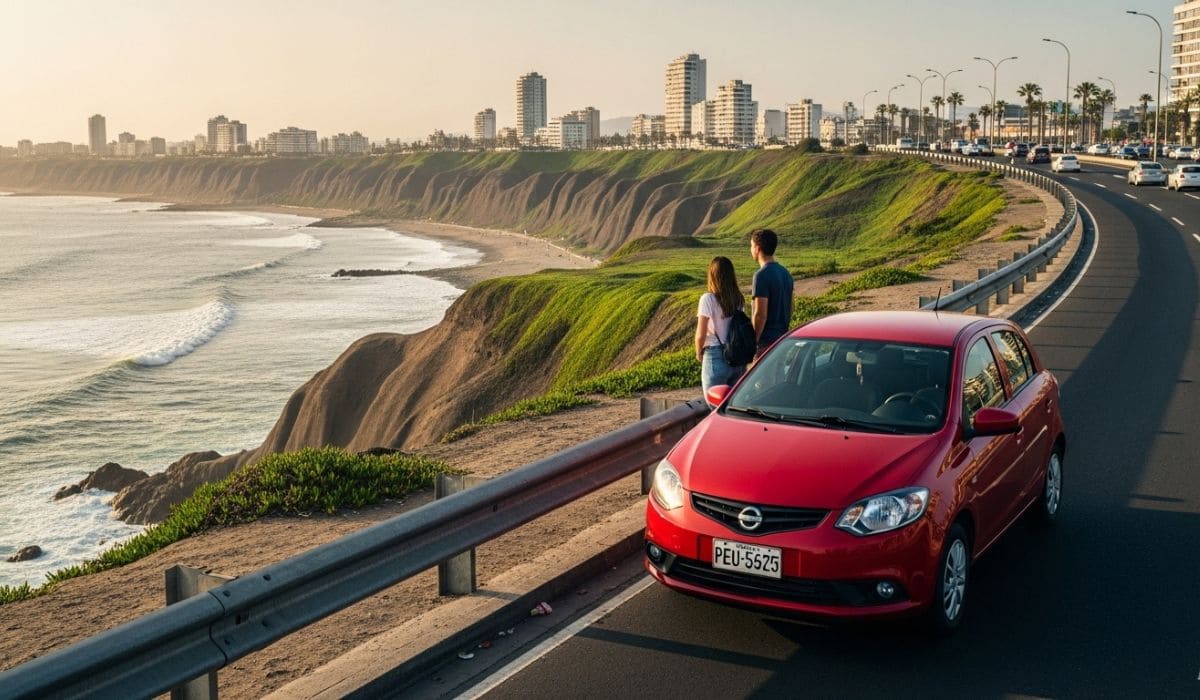
Alquiler de auto en Lima

What Is the Best Way to Get Around Lima?

Peru’s capital is huge and very dynamic. It offers a wide variety of experiences you won’t want to miss: coastal neighborhoods, historic centers, nearby beaches, and surprising natural escapes.

Each area has its own traffic patterns, peak hours, and access routes. That’s why relying solely on public transportation can significantly limit your options (and it’s not very efficient).

So, renting a vehicle is the best decision you can make. Before booking, it’s important to compare different car rental in Lima options and find the best prices to optimize your budget and make your experience unforgettable.

Driving in Lima: Traffic, Weather, and Tips

Before you hit the road—literally and figuratively—it’s important to understand where you’ll be driving so your transfers are as efficient as possible. The city has good mobility and signage, with wide avenues, urban highways, and fast roads connecting districts quickly. Rush hours typically occur between 7–10 a.m. and 5–8 p.m.

As for the weather, while Lima often has overcast skies, the good news is that it rarely rains, and extreme weather conditions are uncommon. Always keep basic precautions in mind, such as maintaining a safe driving distance, and of course, respecting traffic signs and speed limits.

What Can You Do If You Rent a Car in Lima?

Before searching for the best car rental in Lima prices, it’s important to ask why it’s worth it. The answer is simple: having your own vehicle significantly improves your experience in Peru’s stunning capital.

Lima is a city with an enormous variety of options that are difficult to enjoy if you depend on taxis, ride-sharing apps, or public transportation.

With a rental car, you can explore places like Miraflores, the iconic Barranco, the historic center, or the city’s incredible museums and cultural spaces—all in one day.

Having your own vehicle allows you to combine beach days with a vibrant nightlife, safely and while reducing travel time to make the most of your stay. If you’re willing to go a bit farther, there are amazing excursions outside the city, including the Chancay Castle or even a trip to the dunes of Huacachina.
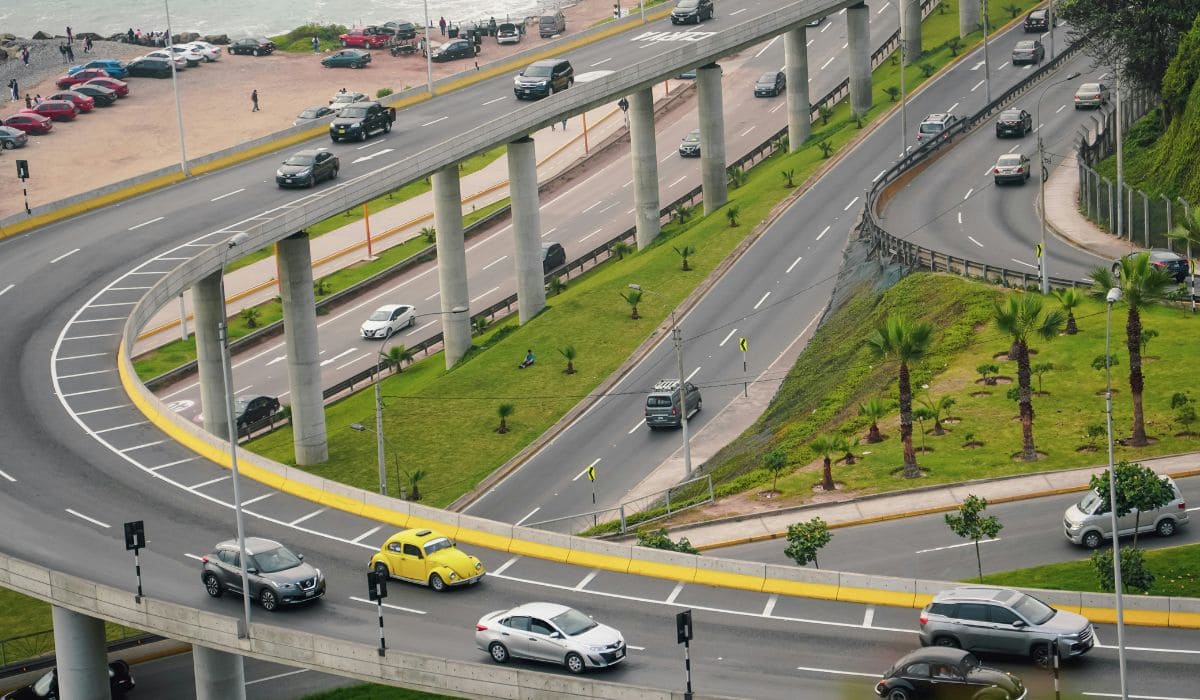
Lima en auto

Which Car Model Should You Rent Based on Your Trip?

Car rental in Lima prices vary depending on the vehicle category. That’s why it’s important to understand which models best fit the type of trip you’re planning.

Economy cars, such as compact models similar to a Hyundai i10 or Kia Picanto, are ideal for city driving, fuel-efficient, and more affordable.

Mid-size sedans offer more space and power at moderate prices. If you’re planning to leave the city and want better suspension and comfort, SUVs are ideal for longer road trips with multiple travelers.

Should You Rent by the Day, Week, or Month?

Of course, time directly affects the cost of your rental, so it’s important to analyze the benefits based on the length of your stay. Daily rates offer flexibility, but they’re usually not the most economical option.

If you rent by the week, the average daily cost is lower, making it a smart choice for longer stays. In some cases, booking a full week is cheaper than paying for several individual days. For two weeks or a full month, prices drop significantly on peer-to-peer platforms, since owners prefer longer bookings.

What Factors Influence Car Rental Prices in Lima?

The final cost doesn’t depend only on the vehicle or number of days. Several variables impact car rental in Lima prices:

  • Advance booking: reserving about 75 days before your trip often results in below-average rates.
  • Seasonality: prices fluctuate depending on demand throughout the year.
  • Type of car: smaller vehicles are typically the most affordable and popular among travelers.
  • Total rental duration: the longer you book, the lower the daily rate.

Current Car Rental Prices in Lima: What Does It Really Cost?

In general terms, car rental in Lima prices vary widely depending on several factors. Rates can range from USD 40 per day up to USD 160 at traditional agencies, where administrative fees and additional charges are usually higher.

However, in recent years, peer-to-peer car sharing platforms, such as Rentennials, have gained popularity by offering an excellent cost-benefit ratio, with better prices averaging around USD 35 per day, along with greater flexibility and vehicle variety.
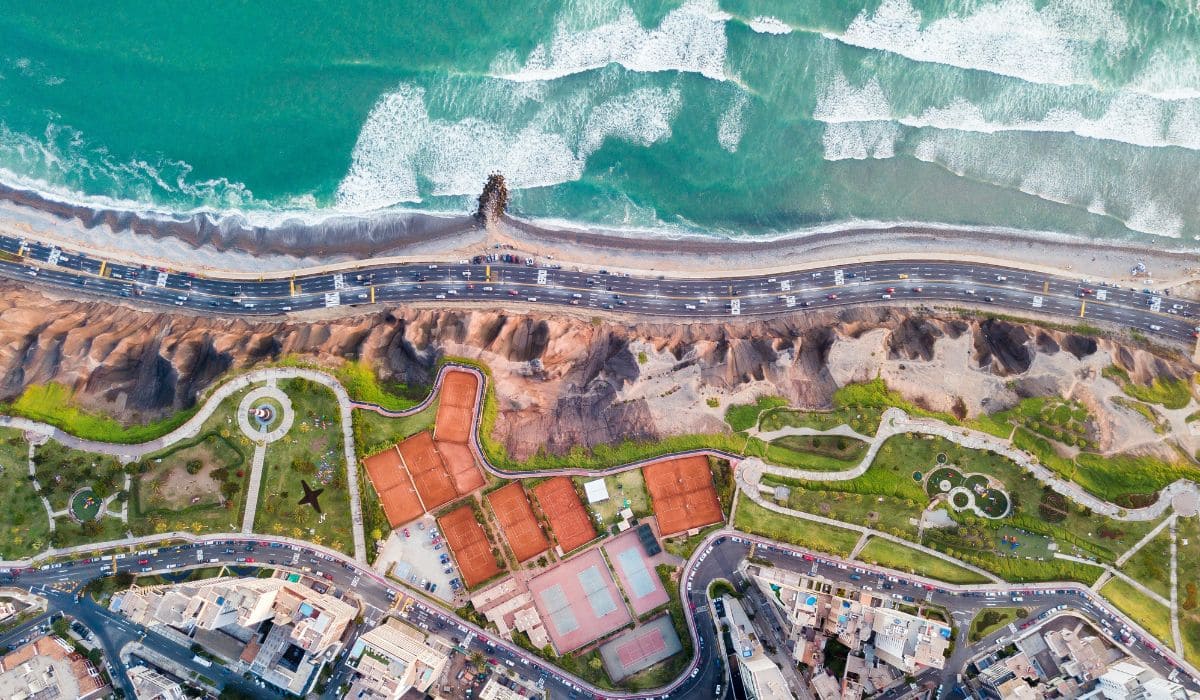
La costa de Lima

Digital Car Sharing Platforms vs Traditional Rentals: Who Offers Better Prices?

New ways of traveling and getting around introduce new factors to compare. Here are some key differences:

  • Limited fleet vs variety and availability. Traditional rental companies operate with a fixed fleet and set pricing, which limits flexibility. Collaborative platforms like Rentennials provide greater vehicle availability, more variety, and broader categories. Additionally, peer-to-peer rentals often include local tips from owners about routes, neighborhoods, and schedules.
  • Fixed rates vs supply and demand pricing. Traditional agencies offer fixed rates and often include extra charges. Collaborative platforms have lower operating costs and more dynamic pricing, which can result in better deals—especially with early bookings or longer stays.
  • Fixed business hours vs flexible scheduling. Traditional agencies usually operate during office hours, while apps like Rentennials allow you to book anytime from your phone and coordinate flexible pickup locations.

So, what’s the conclusion? Compared to traditional companies, the collaborative model combines competitive pricing with a personalized experience. It also includes integrated insurance and user verification systems, ensuring a secure experience.

Tips to Pay the Lowest Price for Car Rental in Lima

If you want to optimize your budget, consider these strategies:

  • Book in advance.
  • Choose compact cars if traveling solo.
  • Consider weekly rentals.
  • Check seasonal demand before booking.

Final Tips for Choosing the Best Car Rental in Lima

Before booking, review this checklist:

  • Compare prices and models. Choose what best fits your needs.
  • Review the fuel policy.
  • Confirm included mileage.
  • Check real photos of the vehicle.
  • Read user reviews.
  • Confirm pickup time and location.

Rent a Car and Enjoy Exploring Lima

The car rental in Lima market is broad and competitive, and prices vary depending on many factors. The key is to compare options, understand your needs, and choose the right model.

Car sharing clearly offers advantages over traditional systems thanks to greater variety, flexible pricing, and personalized experiences. For travelers seeking freedom of movement, budget optimization, and a deeper way to explore Lima, this option is one of the smartest choices available.

At Rentennials, we want more people to travel freely and responsibly. Finding the right balance between price, comfort, safety, and flexibility is what makes every trip an unforgettable experience.

[:es]

We are Rentennials

Rentennials is the new way to rent cars from local hosts in your city, quickly, easily, and affordably. It's also your new path to starting your own car rental business and making money every month.
Discover more.

Aplicación móvil

Download our App

Share this

[:]

Must-see activities in Rosario to make the most of your getaway

Everything you can see and do in Rosario

Rosario is a destination to enjoy all year round: river, beach and culture throughout the city.

Thinking of a weekend getaway? Traveling to Rosario is an excellent option to enjoy activities that are not to be missed. Whether you go with friends, family or as a couple, Rosario has everything for everyone. From its beaches on the Paraná coast to a tour of the city and exquisite cuisine. And this is just the beginning

Just a few hours from Buenos Aires and Córdoba, Rosario is ideal for that weekend of rest you are looking for. In addition, you can get to places near the city of Santa Fe that are worth visiting: Victoria and San Lorenzo.

Rosario offers many options to see and do. That’s why, at Rentennials we leave you the best information so you can organize your next getaway.

How to get to Rosario and move around the city

Whether you’re traveling from Córdoba or Buenos Aires, the best way to get to Rosario is by car. If you don’t want to use your own or don’t have one, you can travel by bus and rent a car in Rosario. Another option is to rent one in your city of origin and start the adventure from kilometer 0 of your trip.

If you’re worried about safety, many hotels and rental apartments have parking so you can enjoy the city with peace of mind.

How to get to Rosario from Buenos Aires by car

Getting to Rosario from Buenos Aires is very simple. You just have to take the Pan-American highway, and then go along the Escobar branch towards Zárate. Once there, you have to continue on the Buenos Aires-Rosario Highway (National Route 9).

It is 300 kilometers. At a moderate speed it usually takes between 3 and 4 hours, depending on the number of stops you make. You can see the map of the route to get to Rosario here.

How to get to Rosario from Córdoba by car

To go from Córdoba to Rosario by car you must take the Córdoba-Rosario highway (Au. 9). Keep in mind that there are few gas stations on the highway. These are some:

  • At kilometer 448 in the town of Leone (YPF)
  • At kilometer 436 in the jurisdiction of Marcos Juárez (Shell)
  • There is a YPF station at kilometer 665

From Córdoba to Rosario it is 400 km that takes between 4 and 5 hours. You can see the map of the route here.

What to do in Rosario: the must-see activities

Rosario is a city that combines history, culture, nature and gastronomy. If you are looking for a place to relax for a few days, enjoy the Paraná River waterfront, tour its historic center and make plans for the whole family, this city is the perfect choice.

Below we tell you everything there is to see and do in Rosario.

The Flag Monument: a trip to Argentine history

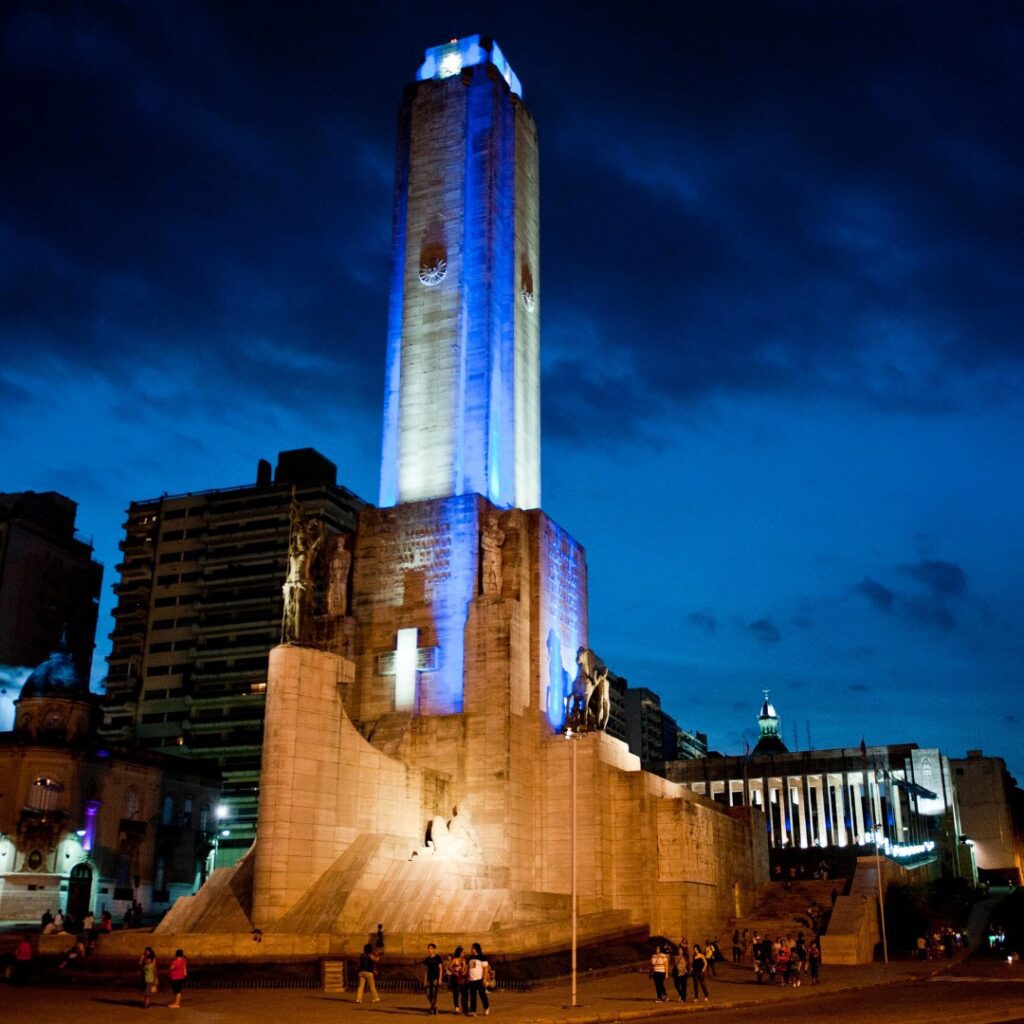
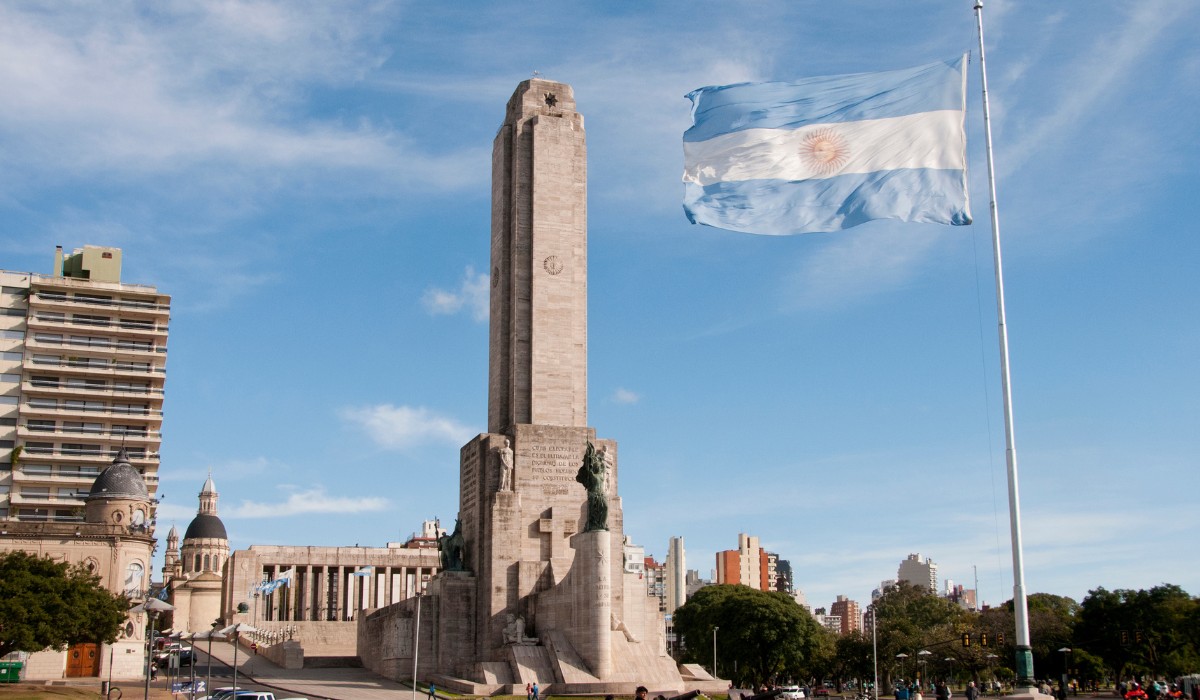
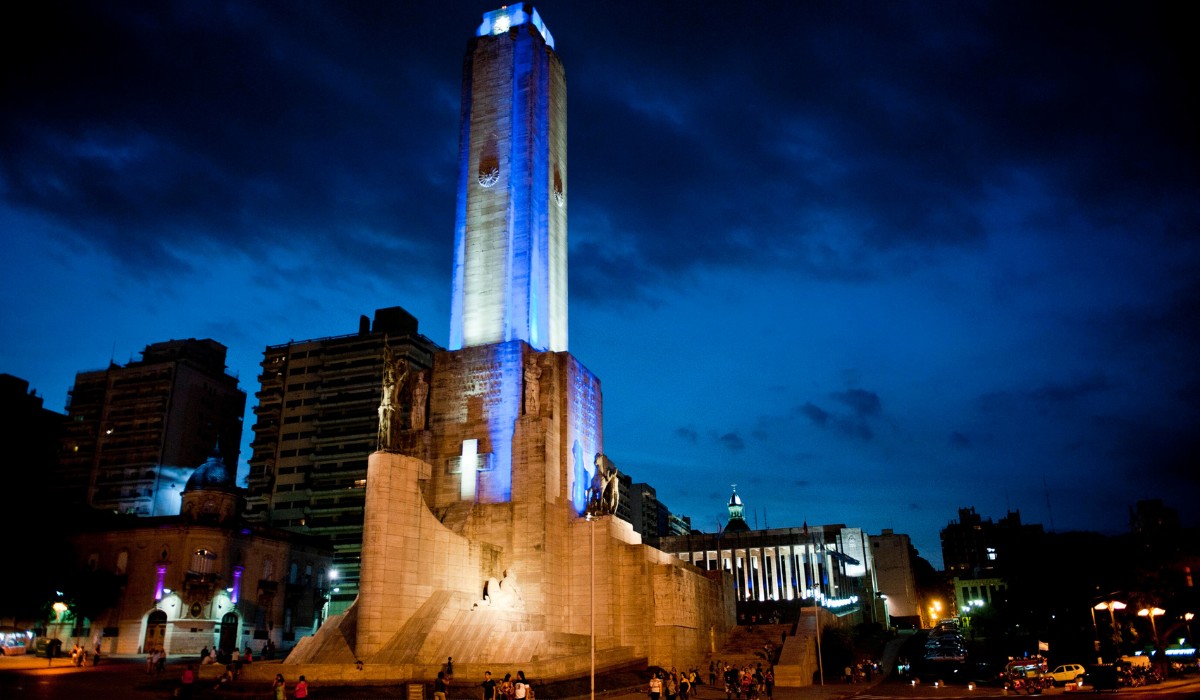
Visiting the National Flag Monument is learning about part of Argentine history and identity. It was inaugurated on June 20, 1957, commemorating the first time the flag was raised in this place, on February 27, 1812. It is 10,000 square meters that represent the fight for independence and the formation of the country. The famous Central Tower is 70 meters high, while the Civic Patio and the Triumphal Propylaeum are part of this very symbolic construction for Argentines.

The monument is located in the heart of Rosario, in the National Flag Park. It is very easy to get to, either by car or on foot. You can go up to the Central Tower and enjoy the beautiful panoramic views of the Paraná River and the city.

Visiting hours are Tuesday to Friday from 4:00 p.m. to 7:00 p.m., and Saturdays and Sundays from 9:00 a.m. to 1:00 p.m. and from 4:00 p.m. to 7:00 p.m. The Gallery of Honor of the Flags of America opens on Mondays and days after holidays from 4:00 p.m. to 7:00 p.m., and Tuesday to Sunday from 9:00 a.m. to 1:00 p.m. and from 4:00 p.m. to 7:00 p.m.

Rosario’s beaches

Rosario has beaches in the city that are ideal for enjoying an afternoon. The best known is La Florida, which is located in the north of Rosario. It has 400 meters of beach with umbrellas and lounge chairs for rent. In addition, you can do sports activities and eat at some of the restaurants. You have to pay an entrance fee to enter.

Another option is Rambla Catalunya, which is free to enter. It is about 600 meters of sand with restaurants, showers, security and lifeguards. It is also in the northern part of the city.

For both beaches, it is best to arrive by car. There is paid parking.

The beaches and islands of the Paraná

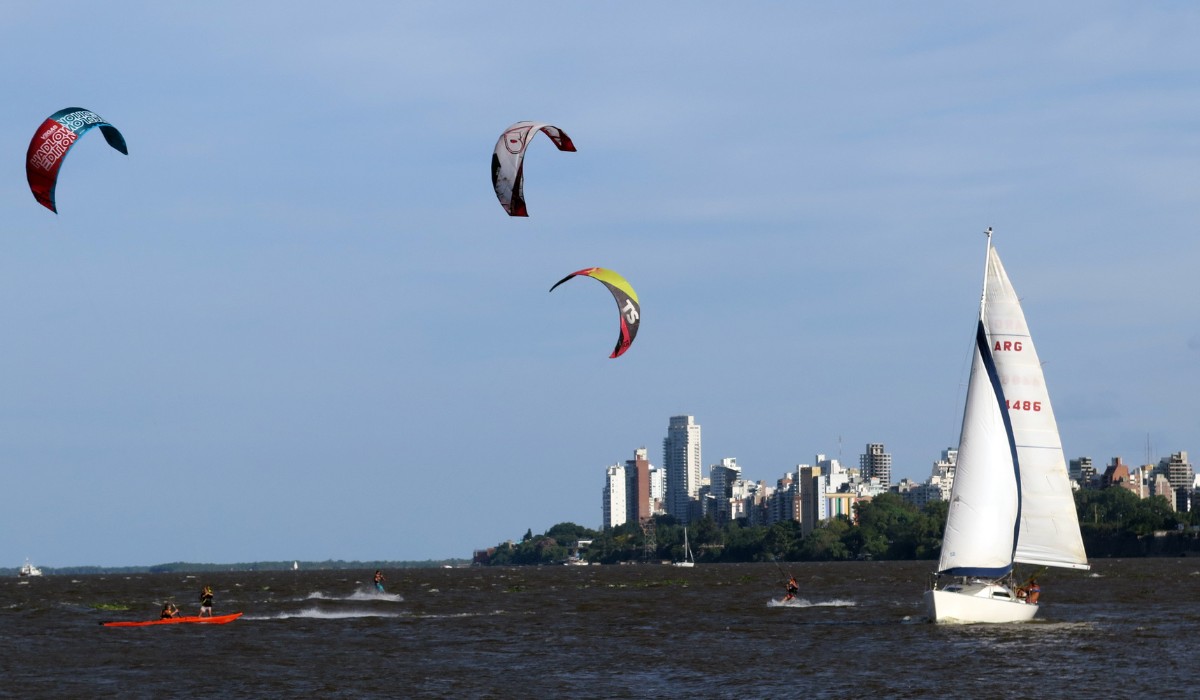
If you are in Rosario, don’t forget to cross to the nearby islands that are on the Paraná River. You can go by boat to El Banquito San Andrés. There you will find sandy beaches with some restaurants.

To cross you have to go to the Fluvial Terminal, in the heart of Rosario. In a few minutes you will arrive at a place full of nature.

Another option is the Old Paraná, which is located behind the La Invernada Island. It takes 20 minutes by boat to reach a more rugged area. There are campsites, rest stops and places to rest right on the river.

 A unique waterfront

Walking along the Rosario waterfront is one of the best plans to do at dusk or in the early hours of the morning. It is a riverside walk that was restored a few years ago and has recreational and cultural spaces. Riding a bike or doing outdoor sports while observing panoramic views of the river is one of the nicest plans to do.

The best thing is to walk from the Flag Monument to the north. As you advance you will pass by fairs and restaurants.

Rosario’s parks

Rosario is one of those cities that have large green spaces to relax and do all kinds of activities. One of the best options is the Parque de la Independencia, the largest and most traditional in the city. There you will find the Rose Garden, the Children’s Garden, some museums and the Newell’s Old Boys stadium.

Another park is the Parque Urquiza, very close to the Flag Monument, with views of the Paraná. Finally, the Parque España is on the banks of the river and is a space where there is a cultural center where different events are held.

 What to do in Rosario with children

Few cities offer a variety of activities for the family like Rosario. In the Parque de la Independencia you will find the Children’s Garden, with interactive games and recreational activities for the little ones.

On the waterfront is the Isla de los Inventos (Invention’s Island), a place that promotes creativity through various play stations. Finally, on the outskirts of the city is the Granja de la Infancia (Childhood Farm), which allows children to interact with animals.

These three places form El Tríptico de la Infancia (Childhood Triptych). They are generally open from Thursday to Sunday from 9 a.m. to 8 p.m.

The best museums in Rosario

The cultural offering of Rosario and its museums is another of the must-see things to do in the city. Below we leave you all the information so you can organize your visits.

Rosario Museum of Contemporary Art (MACRO)

Located in what was the port area of ​​the city, the MACRO offers a large collection of Argentine and international contemporary art. It has a wide variety of temporary and permanent exhibitions that include painting, sculpture and photography.

Opening hours are: Thursday, Friday, Saturday and holidays from 4 p.m. to 8 p.m. and Sundays from 10 a.m. to 8 p.m.

 Juan B. Castagnino Fine Arts Museum

In the Parque Independencia, the Juan B. Castagnino Fine Arts Museum has an extensive collection of Argentine and European art, spanning from the Renaissance to the 20th century.

Opening hours are: Thursday, Friday, Saturday and holidays from 10 a.m. to 8 p.m.

Dr. Ángel Gallardo Natural Sciences Museum

The Natural Sciences Museum is located in the Parque Independencia. Its focus is based on scientific dissemination about the fauna and flora of the region. In addition, it has interactive spaces for the little ones.

Opening hours are Wednesday to Saturday from 3 p.m. to 7 p.m.

What to see near Rosario

By car you will be able to reach other places near Rosario. Victoria, in the province of Entre Ríos, and San Lorenzo, a few kilometers from the city, are just some of the options to enjoy during the day. El Salto del Pavón is also another place to go.

Victoria

Victoria is located in the province of Entre Ríos. To get there, you have to cross the Rosario-Victoria bridge, which is one of the most incredible engineering works in the country. It is a 75-kilometer drive where you can enjoy the views of the geographical beginnings of the Paraná Delta.

Once in the city, you can visit the Abadía del Niño Dios, a Benedictine monastery founded in 1899. From Cerro de la Matanza you can see beautiful panoramic views of the city. The Victoria waterfront, on the banks of the river, is another attraction to walk and enjoy.

San Lorenzo

Just 30 km north of the city on the Rosario-Santa Fé highway, is the town of San Lorenzo. The famous battle of San Lorenzo took place here, a key stage in Argentine history. It stands out for its Monument to the Battle of San Lorenzo and the Museum Complex that houses various exhibitions. In addition, there are green spaces on the riverbank to relax in these historic lands.

It opens every day (except Mondays) from 10:00 to 18:00. On weekdays, its opening hours are from 08:00.

Salto del Pavón

40 km south of Rosario on National Route 9, is the Salto del Pavón. It is a beautiful and striking waterfall on the plain, 8 meters high, which and flows into the Paraná River.

If you continue about 20 km further south, near Villa Constitución, you will find the Isla del Sol Municipal Natural Reserve, a wetland area in the Paraná delta and islands ecoregion. It is perfect for enjoying the flora, bird watching, kayaking and cycling.

Where to eat in Rosario: the flavors of the river (and much more)

Rosario’s gastronomy is one of the must-sees that you have to enjoy on any visit. Not only will you taste the typical flavors of the Paraná, but there are also options for all palates.

These are some options for the best restaurants in Rosario:

  • Bar El Cairo: A classic in the city where you will find pizzas and typical dishes. Roberto Fontanarrosa was a great regular at this place.
  • Comerdor Balcarce: Here you can eat the classic Argentine pastas and meats.
  • Bajada España: On the waterfront. To get there you have to take an elevator that takes you to the restaurant. You will find the best river fish here.
  • Escauriza Parrilla Restaurant: In the north of the city. It is one of the best options to enjoy the flavors of the river.
  • La Marina Restaurant: A classic restaurant in the city and very close to the Monument to the Flag. Seafood and sea fish are their specialty.

Tips for visiting Rosario

The best time to go is on a weekend, and add one or two more days if you can. Avoid going on a long weekend.

Summer is very hot. The months from September to November and from March to May are the months with the best weather.

If you move around the center and in the tourist areas of the city you will not have problems with security. As always, take the typical precautions.

Moving by car is the best option to quickly and easily get to each place in Rosario.

The best area to stay overnight is in the city center.

Rent a car with Rentennials and tour Rosario

Rosario has always been close, and even more so when you rent a car to tour this beautiful city. Culture, river and nature await you in one of the most important urban centers in Argentina, with activities to do for the whole family.

Renting a car with Rentennials is a simple, practical and safe option that benefits travelers and local hosts.

[:es]

We are Rentennials

Rentennials is the new way to rent cars from local hosts in your city, quickly, easily, and affordably. It's also your new path to starting your own car rental business and making money every month.
Discover more.

Aplicación móvil

Download our App

Share this

[:]