CO2

Car Rental in Lima: The Best Prices and How to Find the Ideal Option

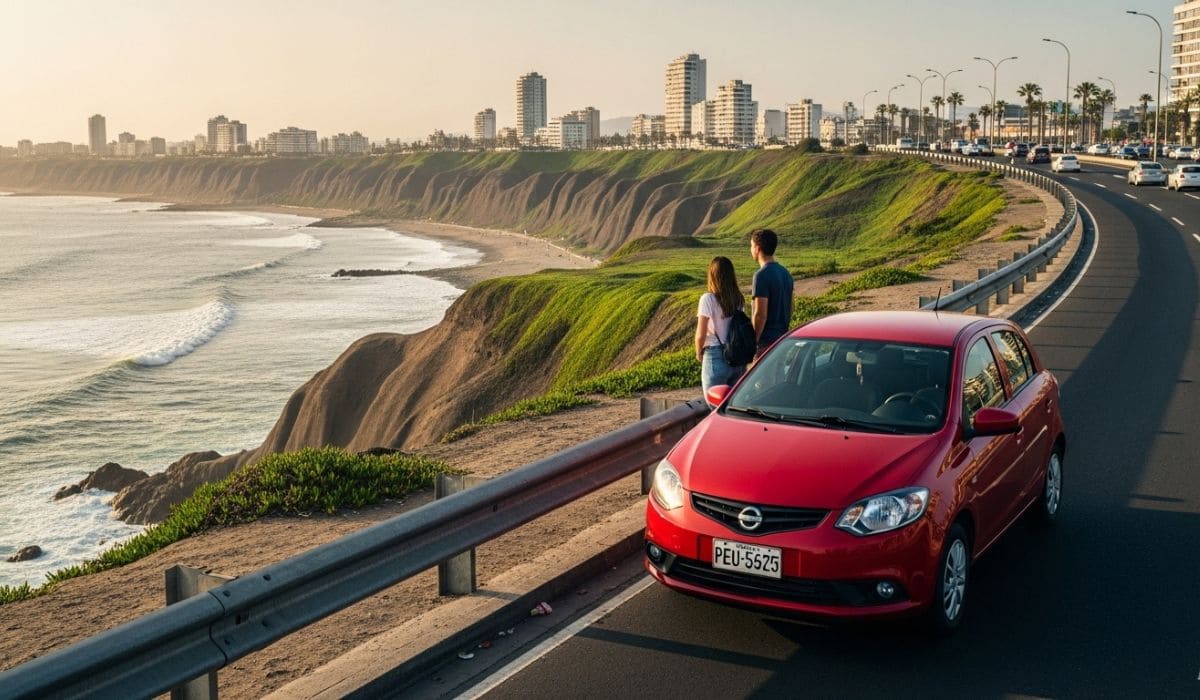
Knowing the best options for car rental in Lima and finding the right price is the first step to ensuring an excellent stay in Peru’s capital and its surroundings. Getting around by car gives you comfort, safety, and most importantly, the freedom to choose your own routes and schedule. Ultimately, that’s what travel is all about: improvising and going with the flow.

Today, there are many vehicle rental alternatives, from traditional rental companies to peer-to-peer digital platforms. Of course, not all of them offer the same cost-benefit ratio.

In this article from Rentennials, you’ll find updated, clear, and strategic information about the best way to secure a car rental in Lima. You’ll also discover a complete guide to compare models, prices, and tips so you can choose the most convenient option based on the type of trip you’re planning.
Alquiler de auto en Lima

What Is the Best Way to Get Around Lima?

Peru’s capital is huge and very dynamic. It offers a wide variety of experiences you won’t want to miss: coastal neighborhoods, historic centers, nearby beaches, and surprising natural escapes.

Each area has its own traffic patterns, peak hours, and access routes. That’s why relying solely on public transportation can significantly limit your options (and it’s not very efficient).

So, renting a vehicle is the best decision you can make. Before booking, it’s important to compare different car rental in Lima options and find the best prices to optimize your budget and make your experience unforgettable.

Driving in Lima: Traffic, Weather, and Tips

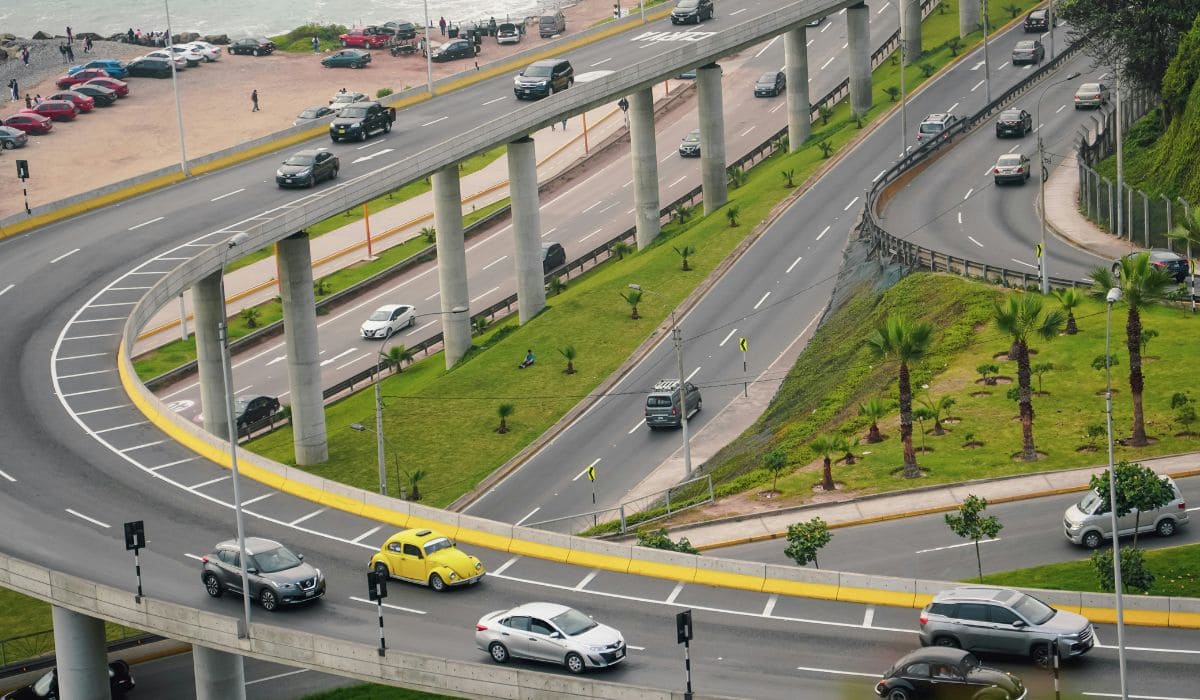
Before you hit the road—literally and figuratively—it’s important to understand where you’ll be driving so your transfers are as efficient as possible. The city has good mobility and signage, with wide avenues, urban highways, and fast roads connecting districts quickly. Rush hours typically occur between 7–10 a.m. and 5–8 p.m.

As for the weather, while Lima often has overcast skies, the good news is that it rarely rains, and extreme weather conditions are uncommon. Always keep basic precautions in mind, such as maintaining a safe driving distance, and of course, respecting traffic signs and speed limits.

What Can You Do If You Rent a Car in Lima?

Before searching for the best car rental in Lima prices, it’s important to ask why it’s worth it. The answer is simple: having your own vehicle significantly improves your experience in Peru’s stunning capital.

Lima is a city with an enormous variety of options that are difficult to enjoy if you depend on taxis, ride-sharing apps, or public transportation.

With a rental car, you can explore places like Miraflores, the iconic Barranco, the historic center, or the city’s incredible museums and cultural spaces—all in one day.

Having your own vehicle allows you to combine beach days with a vibrant nightlife, safely and while reducing travel time to make the most of your stay. If you’re willing to go a bit farther, there are amazing excursions outside the city, including the Chancay Castle or even a trip to the dunes of Huacachina.
Lima en auto

Which Car Model Should You Rent Based on Your Trip?

Car rental in Lima prices vary depending on the vehicle category. That’s why it’s important to understand which models best fit the type of trip you’re planning.

Economy cars, such as compact models similar to a Hyundai i10 or Kia Picanto, are ideal for city driving, fuel-efficient, and more affordable.

Mid-size sedans offer more space and power at moderate prices. If you’re planning to leave the city and want better suspension and comfort, SUVs are ideal for longer road trips with multiple travelers.

Should You Rent by the Day, Week, or Month?

Of course, time directly affects the cost of your rental, so it’s important to analyze the benefits based on the length of your stay. Daily rates offer flexibility, but they’re usually not the most economical option.

If you rent by the week, the average daily cost is lower, making it a smart choice for longer stays. In some cases, booking a full week is cheaper than paying for several individual days. For two weeks or a full month, prices drop significantly on peer-to-peer platforms, since owners prefer longer bookings.

What Factors Influence Car Rental Prices in Lima?

The final cost doesn’t depend only on the vehicle or number of days. Several variables impact car rental in Lima prices:

  • Advance booking: reserving about 75 days before your trip often results in below-average rates.
  • Seasonality: prices fluctuate depending on demand throughout the year.
  • Type of car: smaller vehicles are typically the most affordable and popular among travelers.
  • Total rental duration: the longer you book, the lower the daily rate.

Current Car Rental Prices in Lima: What Does It Really Cost?

In general terms, car rental in Lima prices vary widely depending on several factors. Rates can range from USD 40 per day up to USD 160 at traditional agencies, where administrative fees and additional charges are usually higher.

However, in recent years, peer-to-peer car sharing platforms, such as Rentennials, have gained popularity by offering an excellent cost-benefit ratio, with better prices averaging around USD 35 per day, along with greater flexibility and vehicle variety.
La costa de Lima

Digital Car Sharing Platforms vs Traditional Rentals: Who Offers Better Prices?

New ways of traveling and getting around introduce new factors to compare. Here are some key differences:

  • Limited fleet vs variety and availability. Traditional rental companies operate with a fixed fleet and set pricing, which limits flexibility. Collaborative platforms like Rentennials provide greater vehicle availability, more variety, and broader categories. Additionally, peer-to-peer rentals often include local tips from owners about routes, neighborhoods, and schedules.
  • Fixed rates vs supply and demand pricing. Traditional agencies offer fixed rates and often include extra charges. Collaborative platforms have lower operating costs and more dynamic pricing, which can result in better deals—especially with early bookings or longer stays.
  • Fixed business hours vs flexible scheduling. Traditional agencies usually operate during office hours, while apps like Rentennials allow you to book anytime from your phone and coordinate flexible pickup locations.

So, what’s the conclusion? Compared to traditional companies, the collaborative model combines competitive pricing with a personalized experience. It also includes integrated insurance and user verification systems, ensuring a secure experience.

Tips to Pay the Lowest Price for Car Rental in Lima

If you want to optimize your budget, consider these strategies:

  • Book in advance.
  • Choose compact cars if traveling solo.
  • Consider weekly rentals.
  • Check seasonal demand before booking.

Final Tips for Choosing the Best Car Rental in Lima

Before booking, review this checklist:

  • Compare prices and models. Choose what best fits your needs.
  • Review the fuel policy.
  • Confirm included mileage.
  • Check real photos of the vehicle.
  • Read user reviews.
  • Confirm pickup time and location.

Rent a Car and Enjoy Exploring Lima

The car rental in Lima market is broad and competitive, and prices vary depending on many factors. The key is to compare options, understand your needs, and choose the right model.

Car sharing clearly offers advantages over traditional systems thanks to greater variety, flexible pricing, and personalized experiences. For travelers seeking freedom of movement, budget optimization, and a deeper way to explore Lima, this option is one of the smartest choices available.

At Rentennials, we want more people to travel freely and responsibly. Finding the right balance between price, comfort, safety, and flexibility is what makes every trip an unforgettable experience.

[:es]

We are Rentennials

Rentennials is the new way to rent cars from local hosts in your city, quickly, easily, and affordably. It's also your new path to starting your own car rental business and making money every month.
Discover more.

Aplicación móvil

Download our App

Share this

[:]
Parque Nacional Iguazú

Drive through Iguazú: the best day-by-day itinerary

Drive through Iguazú is one of the best ways to discover the red soil of Misiones and its stunning landscapes. Having the freedom to move transforms a trip often designed by others into what you want. A unique journey, a unique experience. What will you find? Jungle, the breathtaking waterfalls, and dazzling wildlife.

We always say it: if you dare to go beyond the traditional circuits, everything changes. It may seem like we already know what to do in Iguazú National Park, but there are still hidden corners to discover. All you need is a car and a desire for a different kind of trip.

At Rentennials, we want you to reach those places where no one goes. That’s why, in this guide, we show you the best way to drive through Iguazú so you can keep it in mind when planning your journey.

Las Cataratas del Iguazú

Where are the Iguazú Falls?

The Iguazú Falls are located within Iguazú National Park in the province of Misiones, in northeastern Argentina. The closest city is Puerto Iguazú, so the first thing you need to do is get there by car, bus, or plane.

It’s easy to access thanks to daily flights and road connections linking this destination with the rest of the country.

How many days are needed to visit the Iguazú Falls?

To visit the Iguazú Falls and nearby places, you need at least 2 days. However, we recommend staying between 3 and 5 full days. This allows you to travel at your own pace, without rushing.

First step: fly and rent a car in Iguazú

If you have limited time, the best way to visit the Falls is by flying to the city of Iguazú. Aerolíneas Argentinas, Flybondi, and JetSmart offer several flights from Buenos Aires. From Córdoba or Mendoza, you’ll likely have a layover in Aeroparque or Ezeiza.

Once there, you’ll need to rent a car either in Puerto Iguazú or at the airport. Freedom of movement is the key advantage when you drive through Iguazú.

Fauna del Parque Nacional Iguazú

Day-by-day itinerary to drive through Iguazú

We suggest arriving on one of the first flights of the day to Puerto Iguazú. But since that’s not always possible, take it easy on day one and do some non-essential activities.

Here’s what to do each day at the Iguazú Falls.

Day 1: Arrival and visit to the Three Borders Landmark and Puerto Iguazú

Whether you arrive in the morning or around noon, this day is perfect for something relaxing. Puerto Iguazú invites you to explore a traditional border town.

The Puerto Iguazú riverside is beautiful. Walking by the river and enjoying the northeastern climate is a rare treat. The Three Borders Landmark marks the symbolic meeting point of Argentina, Brazil, and Paraguay.

Another option is a catamaran ride on the Iguazú River—something few people do and a unique way to see the river landscape.

In the afternoon, visit Güirá Oga, a sanctuary for rescued animals that aims to rehabilitate and return them to the wild. Ideal for families with kids.

At night, don’t miss the IceBar Iguazú, a fun and totally different place to enjoy a drink.

Day 2: Iguazú National Park, one of the most beautiful in the world

Now it’s time to visit Iguazú National Park and its iconic waterfalls. Arrive early to make the most of your day.

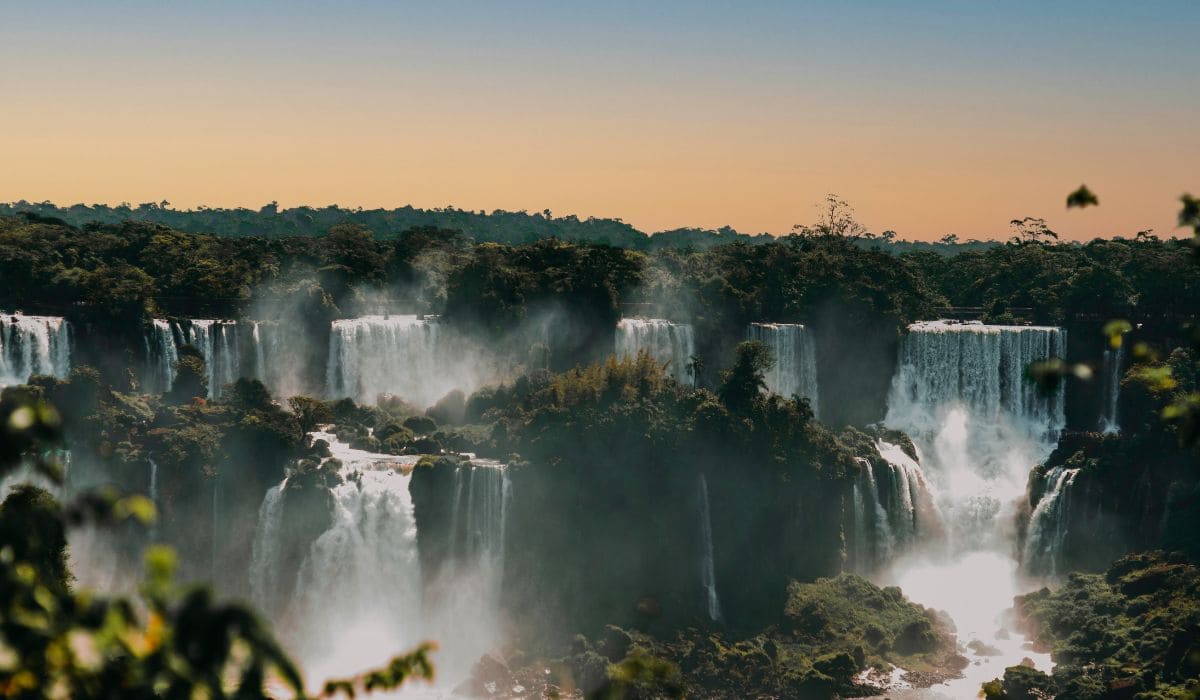
Divide your visit between the Upper Circuit and the Lower Circuit. These paths offer spectacular panoramic views of the falls. You can take your time and enjoy each viewpoint.

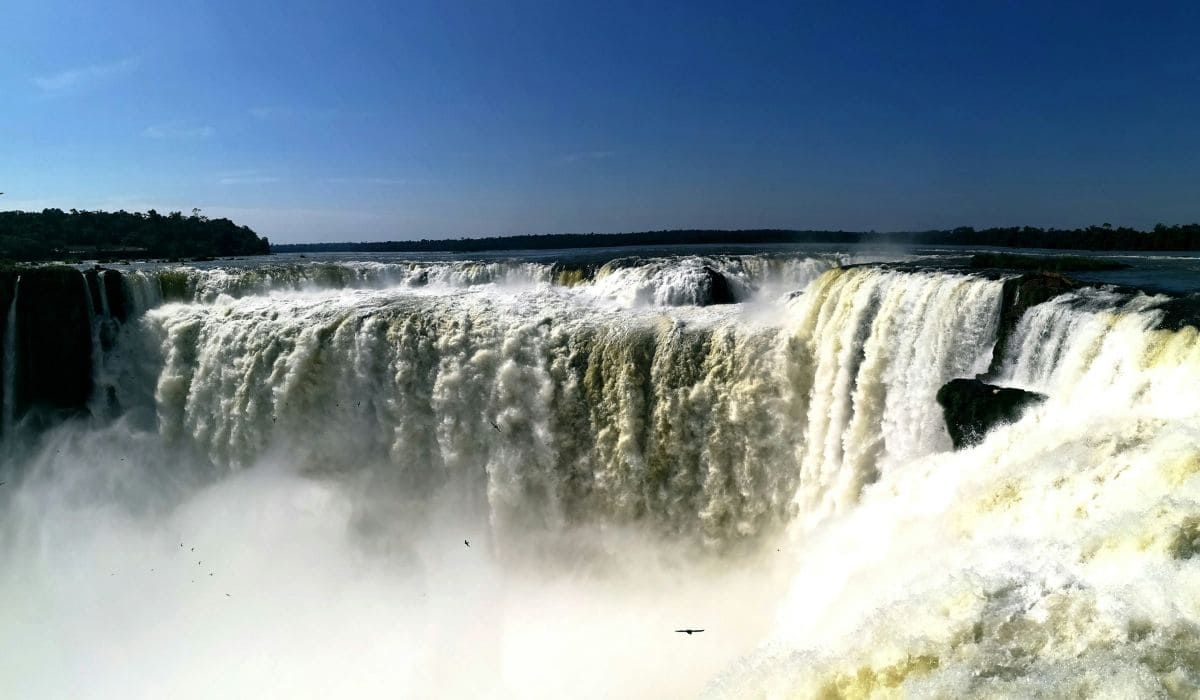
The other half of your day should be spent at the Devil’s Throat, the most awe-inspiring part of the falls. The Ecological Train takes you to Devil’s Throat Station. From there, it’s a short walk to one of the most impressive sights on Earth.

What should you do first? The Devil’s Throat. Then explore the other two circuits.

One tip: although there are places to buy food in the park, it’s best to bring your own—some sandwiches, for example. And don’t feed the animals!

La Garganta del Diablo

Day 3: Walk the Macuco Trail and do the Great Adventure

Many recommend visiting the Brazilian side on this day. But at Rentennials,we aim to offer unique experiences, different from the crowd. That’s why we suggest heading back to Iguazú National Park to explore its lesser-known side.

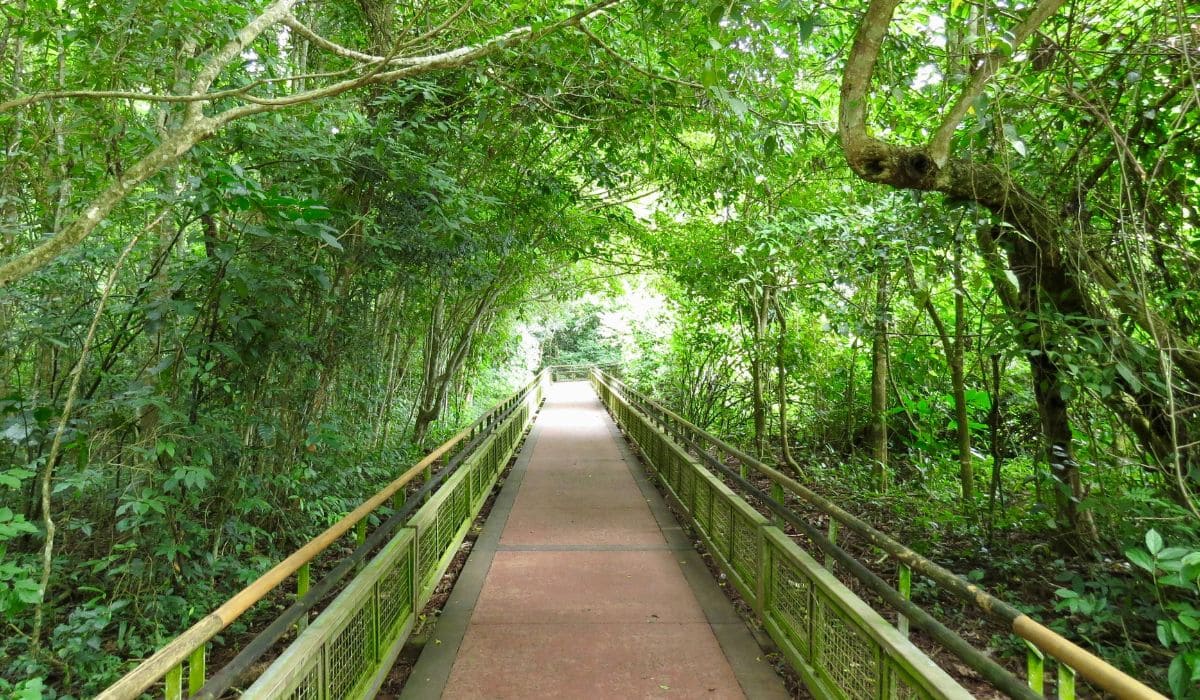
Take the Macuco trail a 3-hour jungle walk where you’re likely to encounter wildlife and enjoy the sounds of nature away from the crowds. The best time to start is 8 a.m., when the park opens. These are the hidden gems of driving through Iguazú and embracing your travel freedom.

After your hike, around midday, it’s time for The Great Adventure—a boat tour to the base of the waterfalls. It costs about 80 USD, for ages 12 and up. Book in advance.

Excursión por el río Iguazú

Day 4: Reach the other side of the Misiones jungle

Today we suggest exploring the Misiones jungle by taking Route 101 to Comandante Andresito, then heading to Urugua-í Provincial Park.

here, enjoy hiking in the jungle.

After visiting the park, return to Puerto Iguazú via Provincial Route 19, connecting to National Route 12.

Urugua-í Park is perfect for seeing Misiones wildlife and nature. You’ll find several trails to walk throughout the day. Visit early in the morning or late afternoon for the best experience.

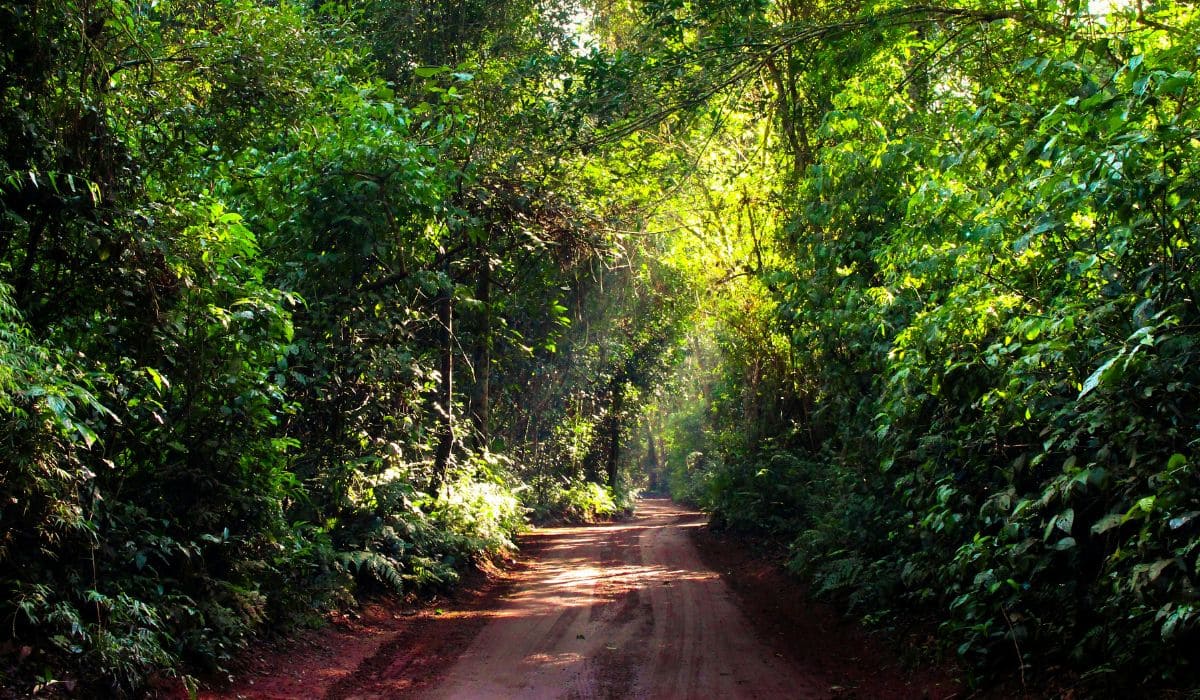
This is what we mean by driving through Iguazú: a 200 km loop through Misiones, with only 40 km on dirt roads.

How to do it? As soon as you leave Puerto Iguazú on Route 101, you’ll find a Gendarmerie checkpoint. Ask about road conditions. If the road is open (usually in dry seasons), drive slowly. At some point, turn off the engine and listen to nature. You won’t regret it.

Here’s the map of the Route 101 loop through northern Misiones.

Recorrer Iguazú en auto

Day 5: What’s left and heading back home

Use this final day to visit anything you missed.

If your flight is at night, a good idea is to cross to Brazil or Paraguay for shopping. Just make sure you leave time for the border crossing so you don’t miss your flight.

When is the best time to drive through Iguazú?

From April to October is the best time to visit the Iguazú Falls. Less rain, milder temperatures. Avoid winter holidays and long weekends as crowds can ruin the experience.

Can you visit the Falls in summer?

Yes, but keep in mind it’s hot and rainy.

Las Cataratas del Iguazú del lado brasileño

Where to stay when driving through Iguazú

There are two options: stay in Puerto Iguazú or in lodges further into the jungle.

Accommodation in Puerto Iguazú

As you might expect, there are hundreds of hotels. Be sure to choose one with a pool to cool off in the afternoons.

Some options we like:

Sleep in a jungle lodge in Misiones

For exclusive experiences, jungle lodges offer top-notch services in a natural setting.

Our favorites:

Where to eat in Puerto Iguazú

You must try dishes with regional and authentic flavors. Trust the waitstaff’s recommendations. Choose cassava flour, local fish, meats, and jungle fruits.

Our top restaurants:

Bonus track: how to reach Iguazú by car

Some travelers want to feel Argentina’s roads at their fullest. If you’re the kind who enjoys a road trip to one of the most beautiful places in the world, then Misiones and driving through Iguazú are calling your name.

Here’s how to get there, whether in your own car or one rented in your city.

From Buenos Aires to Iguazú

One of the easiest drives: Route 14 to Posadas, then Route 12 to Puerto Iguazú.

It’s 1,277 km, mostly on highways. You could do it in one day, but it’s better to stop overnight in places like Concordia or Yapeyú (and visit San Martín’s birthplace!).

Here’s the map from Buenos Aires to Puerto Iguazú.

Los senderos del Parque Nacional Iguazú

From Mendoza to Iguazú

Almost 2,000 km separate Mendoza and Iguazú. Take Route 7 to San Luis, then Provincial Route 10 to Río Cuarto. Continue via Route 158 and 19 to Paraná, then Route 127 until you connect with Route 14. Continue to Posadas, then to Puerto Iguazú via Route 12.

It’s a long journey, but it’s worth doing one of the most sought-after road trips.

Tip: stop overnight in Córdoba or Santa Fe.

Here’s the map from Mendoza to Iguazú.

From Córdoba to Iguazú

1,500 km separate Córdoba from Puerto Iguazú. Take Route 19 to Paraná, cross Entre Ríos via Route 127, then connect with Route 14, continue to Posadas, and finally take Route 12 to Puerto Iguazú.

It’s a long trip, but very doable. A good tip: leave early and stop overnight in Yapeyú, Corrientes.

Here’s the map from Córdoba to Iguazú.

Rent a car in Iguazú and feel the power of the Falls

Visiting the Iguazú Falls is a once-in-a-lifetime experience. You can do it the traditional way, or go beyond into the jungle. That’s why we recommend driving through Iguazú, to discover the hidden secrets of Misiones.

Renting a car in Puerto Iguazú is the first step (or arriving in your own car). The second step is to explore Misiones’ roads, visit the Iguazú National Park your way, and go beyond the obvious. At Rentennials, we make it simple so renting your vehicle isn’t a concern and you can enjoy your vacation from the very first moment.

The Falls are waiting for you!

[:es]

We are Rentennials

Rentennials is the new way to rent cars from local hosts in your city, quickly, easily, and affordably. It's also your new path to starting your own car rental business and making money every month.
Discover more.

Aplicación móvil

Download our App

Share this

[:]