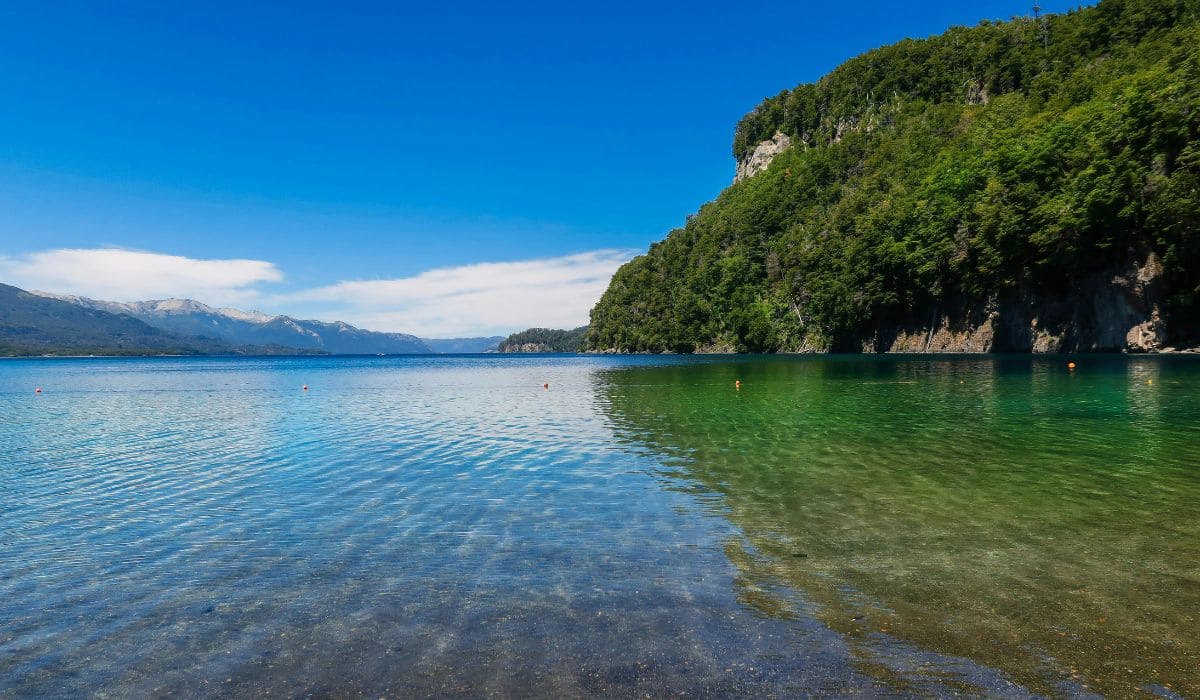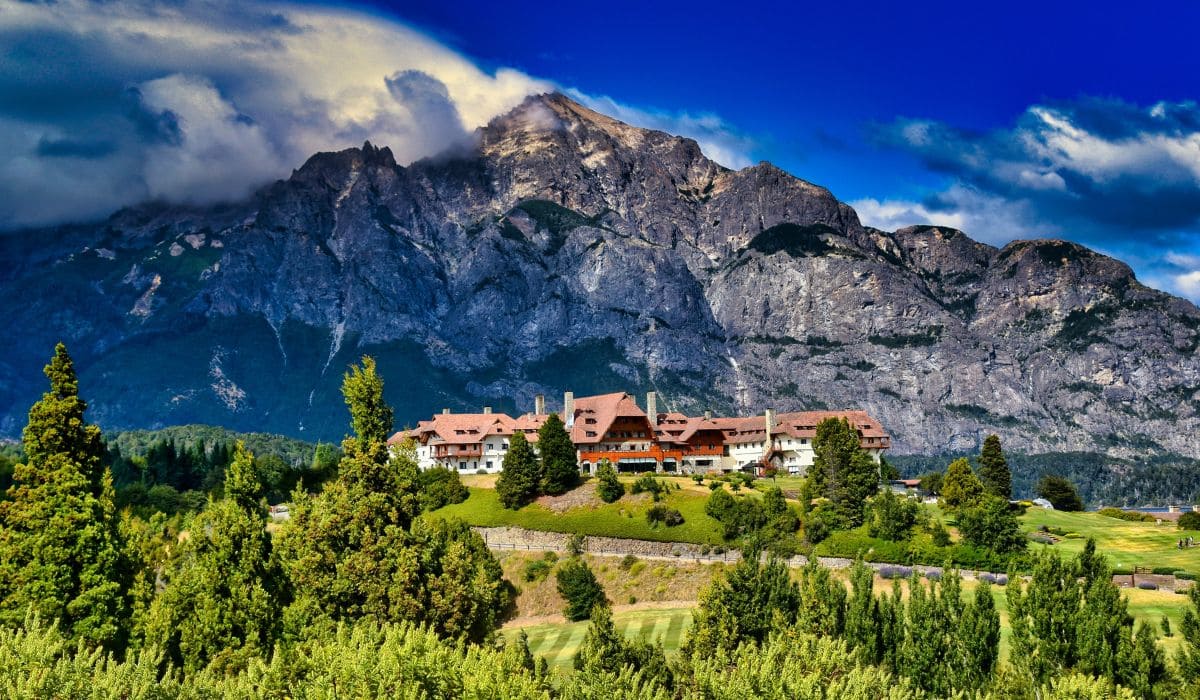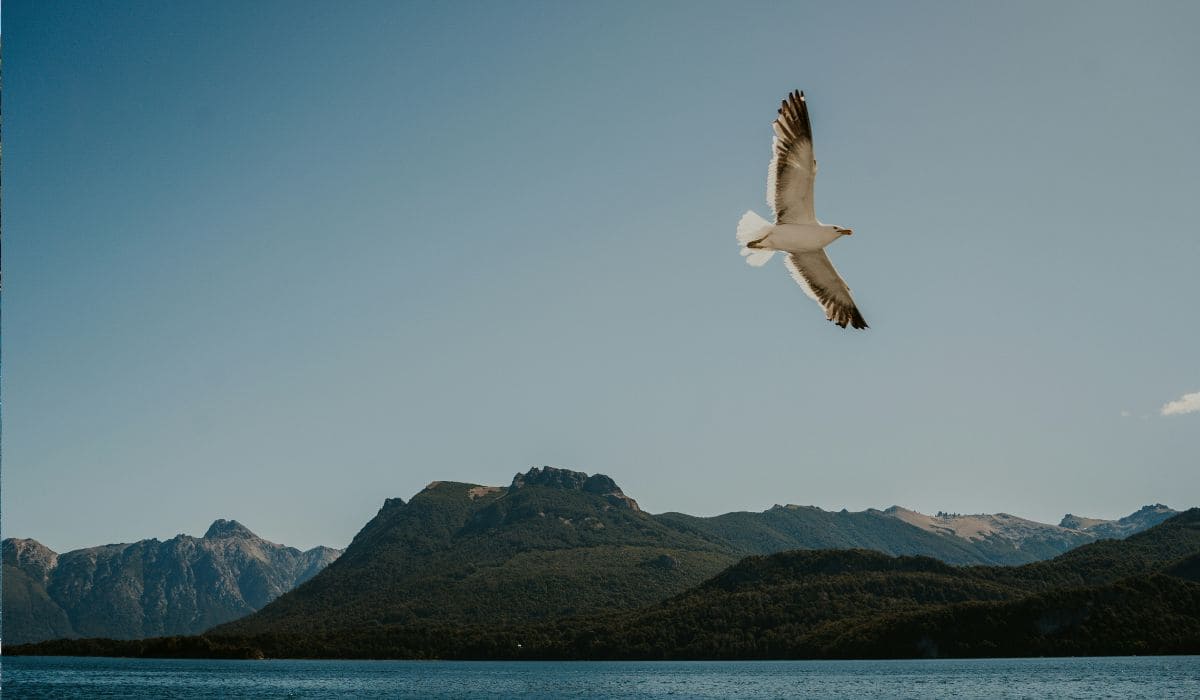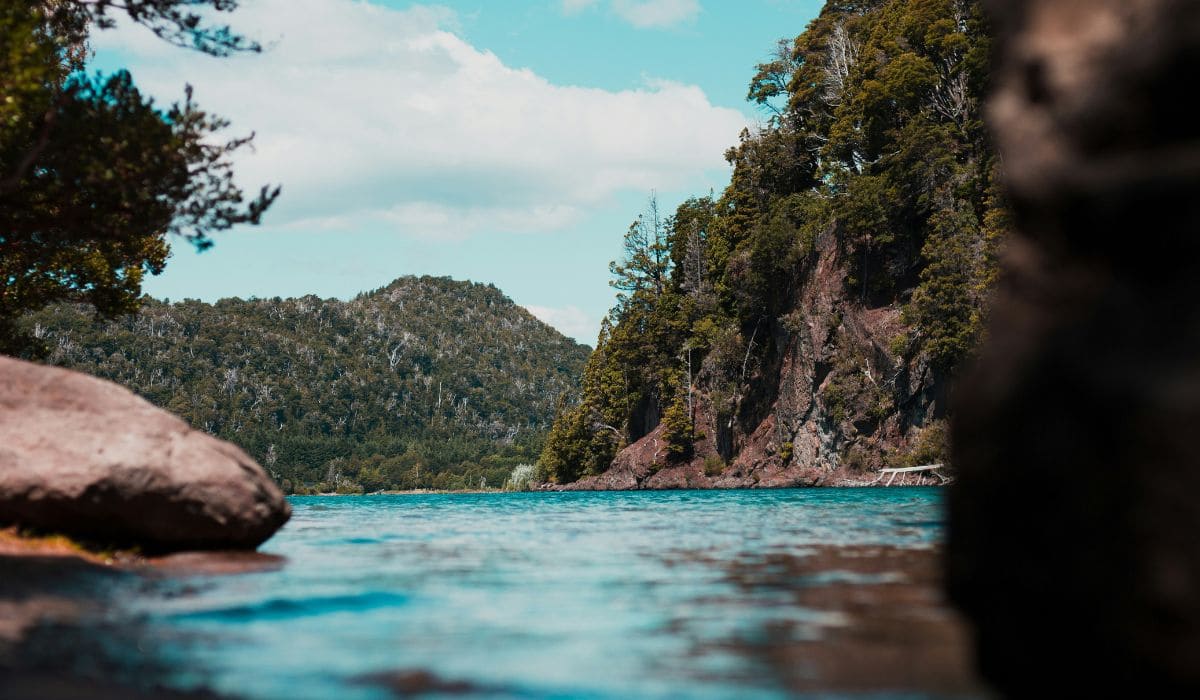
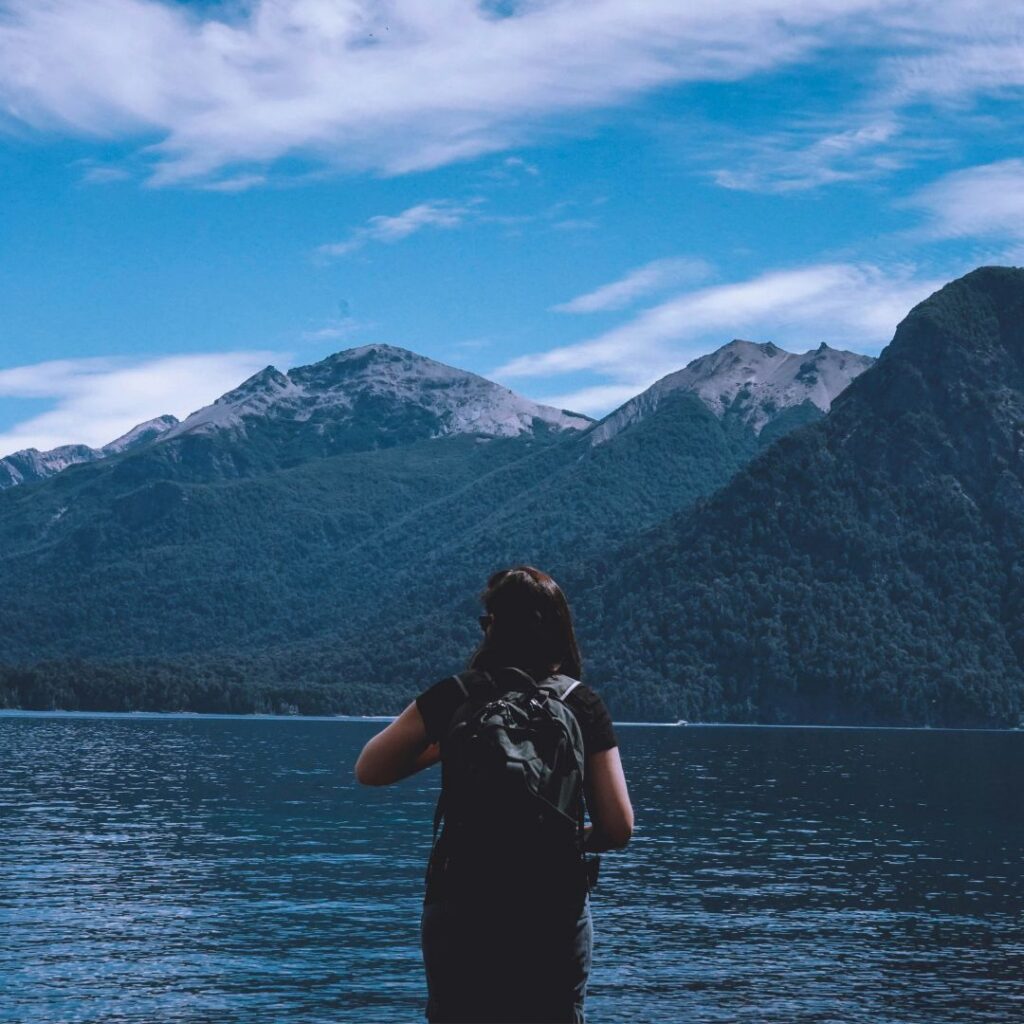
Summer 2026: the best places to vacation in Argentina

The best places to vacation in Argentina are within easy reach, or just around the next bend in the road. The country’s routes connect the most diverse and beautiful destinations, and the best part: there are options for every type of traveler.

Impressive landscapes, great food, adventures and roads to get lost and found make Argentina the ideal place to recharge. Córdoba, Salta, Jujuy and Mendoza are just some of the destinations you can start considering.

If you’re planning your next trip, from Rentennials we offer you this guide where you’ll find the best places to vacation in Argentina. Choose the one that resonates most with you and enjoy summer 2026 to the fullest.

Why choose Argentina for a summer vacation?

Argentina is an ideal summer destination because it combines mountains, rivers, lakes, historic towns and cities full of cultural life, all accustomed to welcoming travelers. You’ll find well-marked routes and expanding tourist services that allow you to build itineraries at your own pace to discover the best places to vacation in Argentina.

What is summer like in Argentina?

Summer in Argentina is diverse. Patagonia offers long days and mild temperatures, the north has warm weather perfect for enjoying its rivers, and the central sierras combine moderate heat, fresh streams and landscapes ideal for adventure-filled getaways.

A key tip: the heat often means many outdoor places have extended hours. If you’re traveling by car, you can make the most of sunrise, sunset or cool mornings without relying on fixed transportation schedules.

How long should you travel through Argentina in summer?

To explore the best places to vacation in Argentina, the ideal is a minimum of ten to fifteen days, although it depends on the region you want to visit this summer 2026. In Patagonia or the North, for example, distances are greater and there are many scenic viewpoints and secondary routes worth including.

Traveling by car is the best way to explore the best places to vacation in Argentina in summer 2026. You can choose your own schedule, avoid waits, and enjoy panoramic routes like National Route 40, National Route 52 or the scenic roads of Córdoba’s sierras.

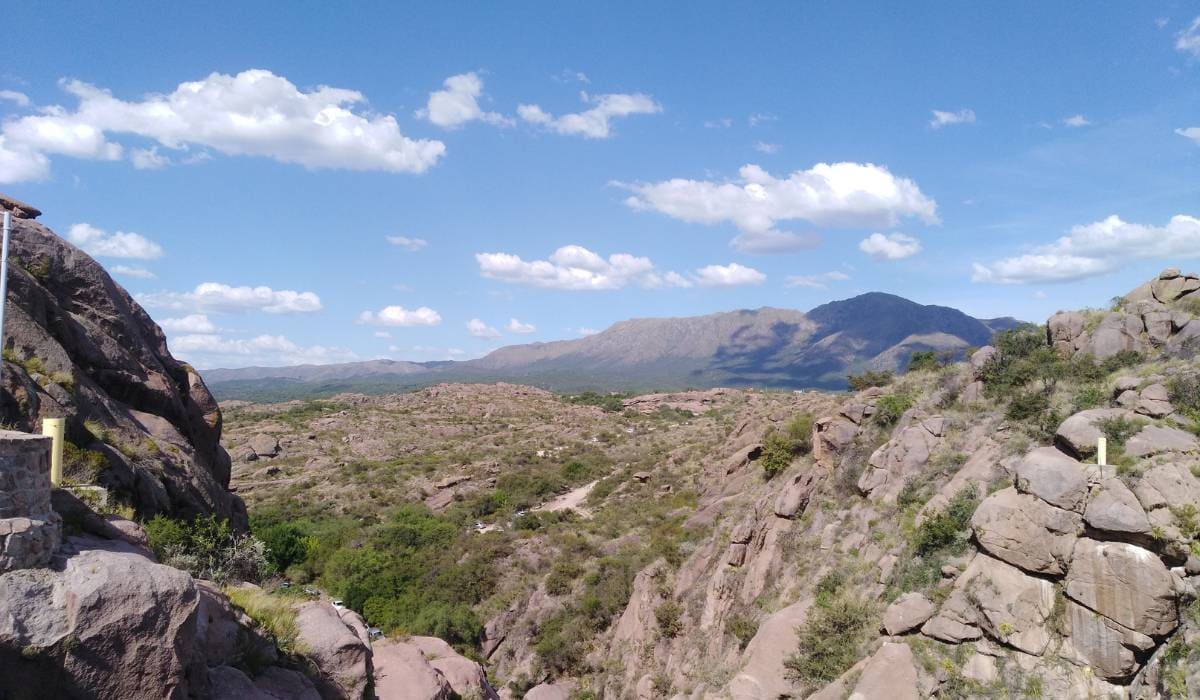
Córdoba, uno de los mejores lugares para vacacionar en Argentina

The best places to vacation in Argentina

Now let’s get into some destinations that are our favorites to fully enjoy each one.

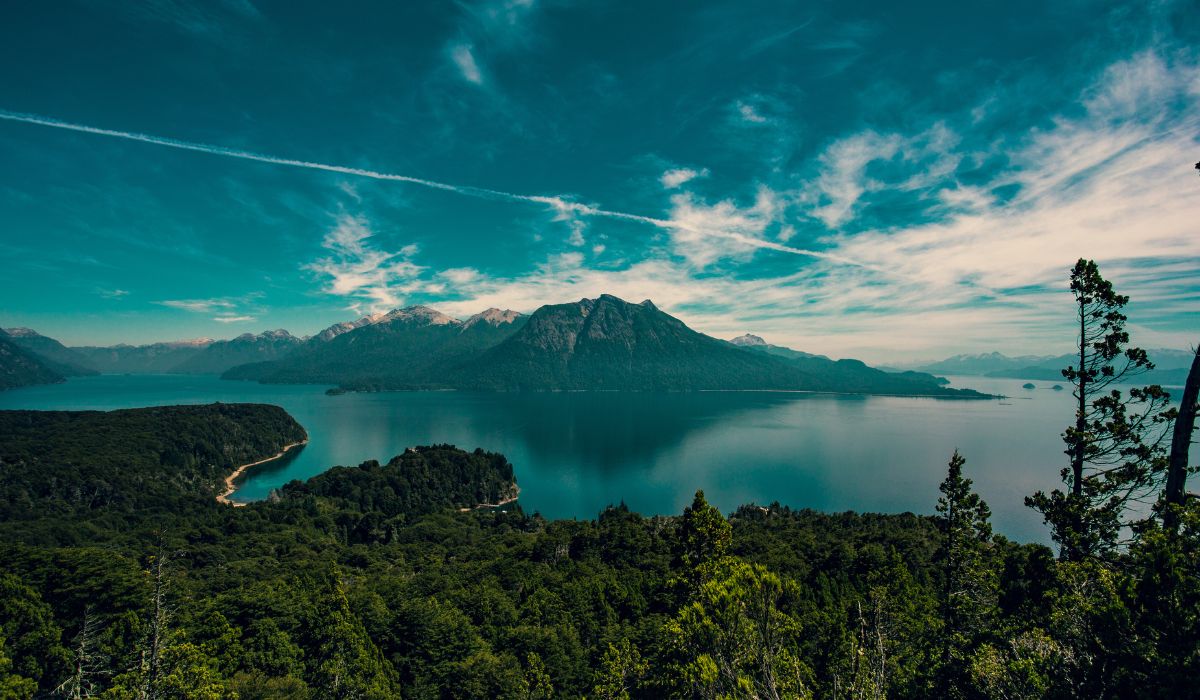
Bariloche: the quintessential Patagonian destination

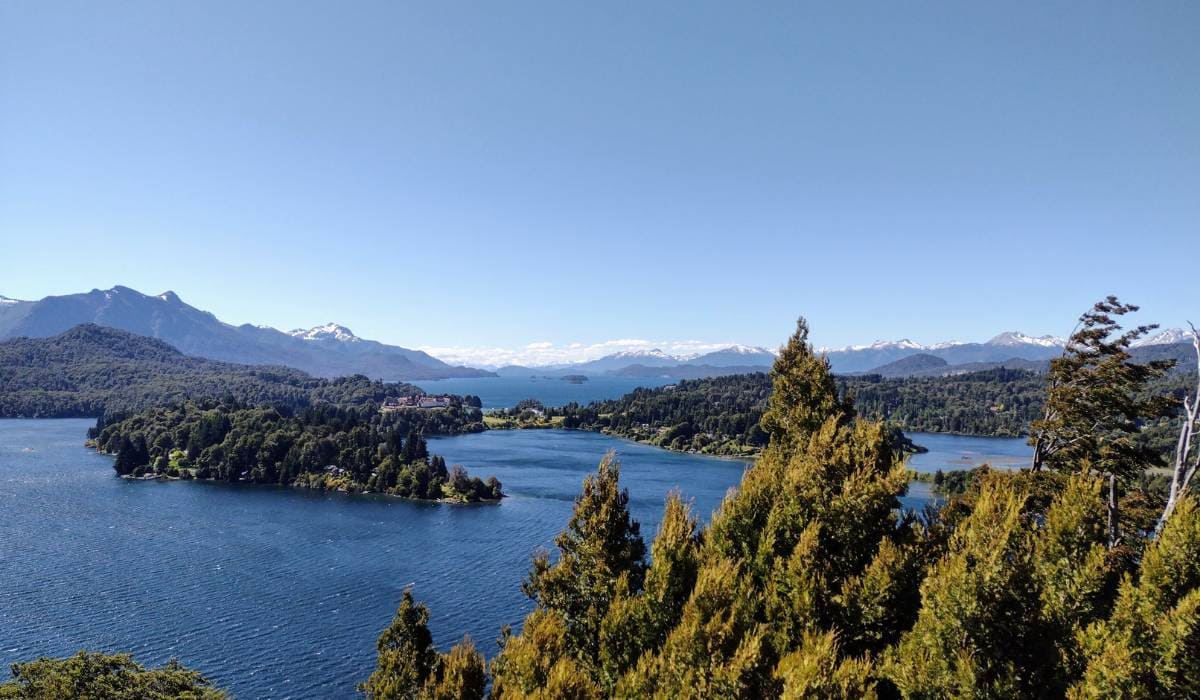
Bariloche is one of those cities that shine year-round. In summer, its landscapes filled with flowers and colors and its clear skies offer incredible views. Here’s what you can do in summer 2026 in one of the best places to vacation in Argentina.

The 7 Lakes Route

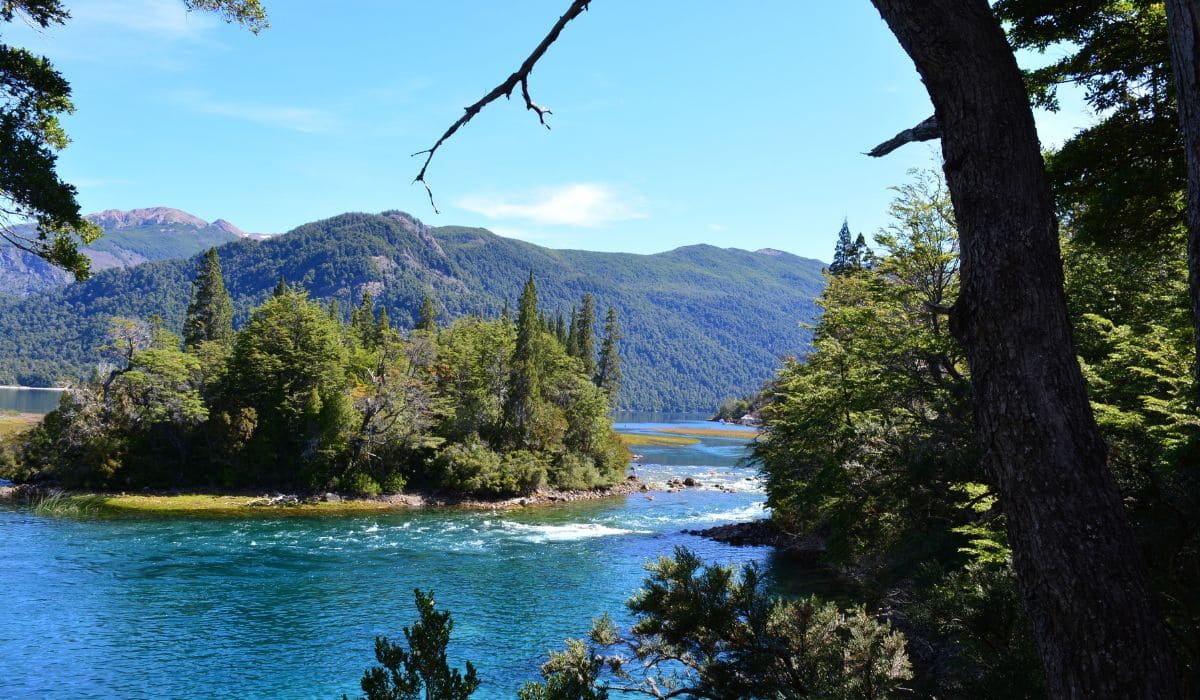
On Route 40 you’ll find one of its most breathtaking stretches: the Ruta de los 7 Lagos —110 kilometers connecting Villa La Angostura with San Martín de los Andes, crossing forests, mountains and shimmering lakes that will stay with you forever.

You can rent a car in Bariloche and do the route in a day, or split it into several days to improvise, stop to camp or go trekking in the forest. The lakes you’ll pass are Correntoso, Espejo, Escondido, Villarino, Falkner, Machónico and Lácar. If you’re up for it, you can also reach Villa Traful and Lake Meliquina.

Cerro Tronador

Leaving Bariloche along RN 40 heading south, you’ll pass the shores of Lakes Gutiérrez and Mascardi before turning onto Provincial Route 82. Further ahead, take the detour to Cerro Tronador.

Along the entire road, nature takes the spotlight, with viewpoints offering beautiful sights of mountains like Bonete and Cresta de Gallo and the Manso River, which changes color along its course. The road then winds upward toward Pampa Linda, finishing at a magical spot: the Ventisquero Negro, a glacier descending from Tronador, striking for its dark hue. A must-see for summer 2026.

Hiking in Bariloche

If you love hiking, Bariloche has countless options. The trail to Cascada de los Duendes, for example, runs from Lake Gutiérrez to the Cascade of the Duendes —a short, gentle walk along the Pescadero stream, perfect for families.

For something more demanding, take the trail to Lake Los Césares: after 4 to 6 hours of hiking with steep climbs, the reward is a beautiful lake hidden between mountains. A similar option is Refugio Frey, which you can reach via several different routes ending at Toncek Lagoon. You can camp there or stay in the refuge. Without a doubt, this is one of the unmissable activities in the best places to vacation in Argentina.

Enjoying Bariloche’s lakes

Sailing on Lake Nahuel Huapi is one of Bariloche’s must-do activities. Departing from Puerto Pañuelo, on the Llao Llao peninsula, you’ll find several excursions: from the classic one combining Victoria Island with the Arrayanes Forest, to one that takes you to the stunning Cascada de los Cántaros in Puerto Blest.

Bariloche also has its hidden gems: peaceful beaches that keep you close to nature, away from the crowds, with impressive scenery like the beach at Hotel La Cascada, Bahía Tacul —a quiet retreat within the Circuito Chico— or Playa Muñoz, which you reach after a 6-kilometer walk.

Bariloche

Travel to Mendoza’s summer

Plenty of sunshine, mountains, great wine and nature are part of what makes Mendoza one of the best places to vacation in Argentina. If you want adventure, relaxation, striking landscapes and local flavors, Mendoza is a sure bet for summer 2026.

The beauty of the Andes

The Andes in Mendoza are the perfect summer refuge: mountains, fresh air and amazing views. Sunny days invite you to explore routes across the foothills and mountain areas with open vistas ideal for relaxed trekking.

The Aconcagua Provincial Park, home to the tallest mountain in the Americas, offers a beautiful, easy trail suitable for everyone: the walk to Laguna de Horcones, where you can see one of Aconcagua’s glacier-covered faces. It’s easily accessible, as the park entrance is just meters off Route 7. The round-trip takes two to three hours.

Mendoza’s best wineries

If you’re visiting one of the best places to vacation in Argentina, and that place is Mendoza, you won’t want to miss the perfect season for wine tourism. With warm weather, long days and clear skies, many wineries in areas like Uco Valley, Luján de Cuyo or Maipú open their doors for tastings, vineyard-side lunches, boutique wineries and tailored experiences.

Here are some of our favorites: Zuccardi, Catena Zapata, Salentein and Bianchi.

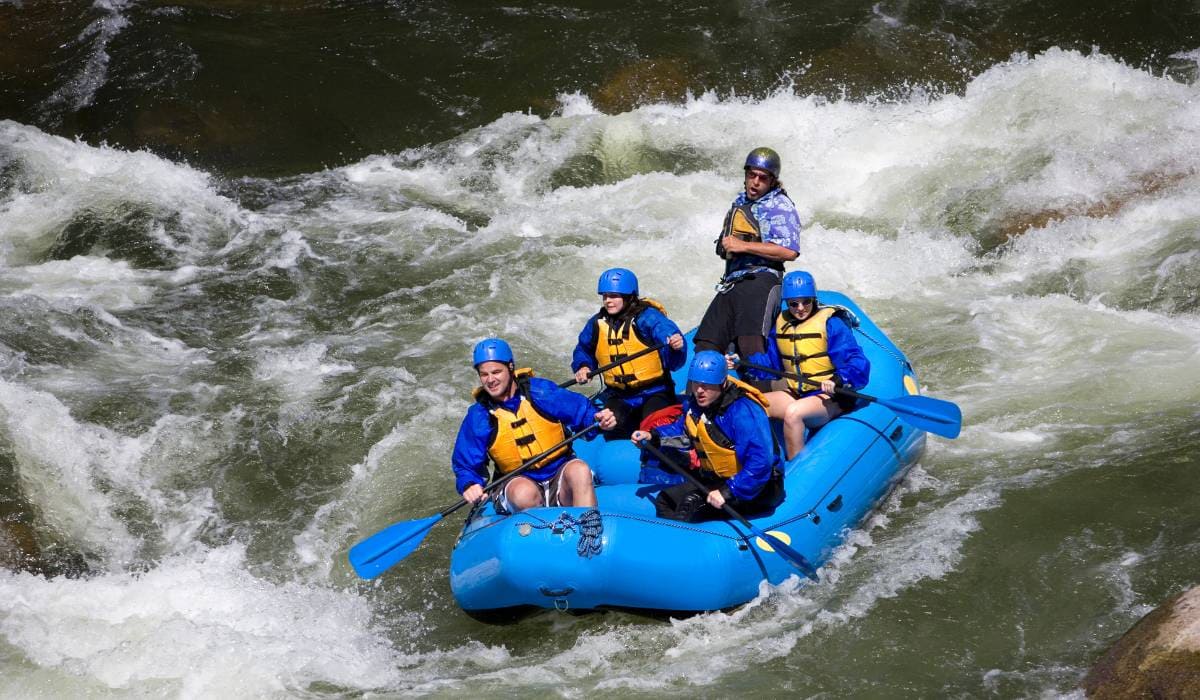
Rafting en Mendoza

San Rafael: the rafting capital

Just over 230 km from Mendoza city, San Rafael blends nature and tranquility. The Atuel Canyon is one of the highlights, but you’ll also find renowned wineries, family-friendly spots like El Laberinto de Borges, and an impressive treetop adventure park —Bosque Euca— where you can try canopy.

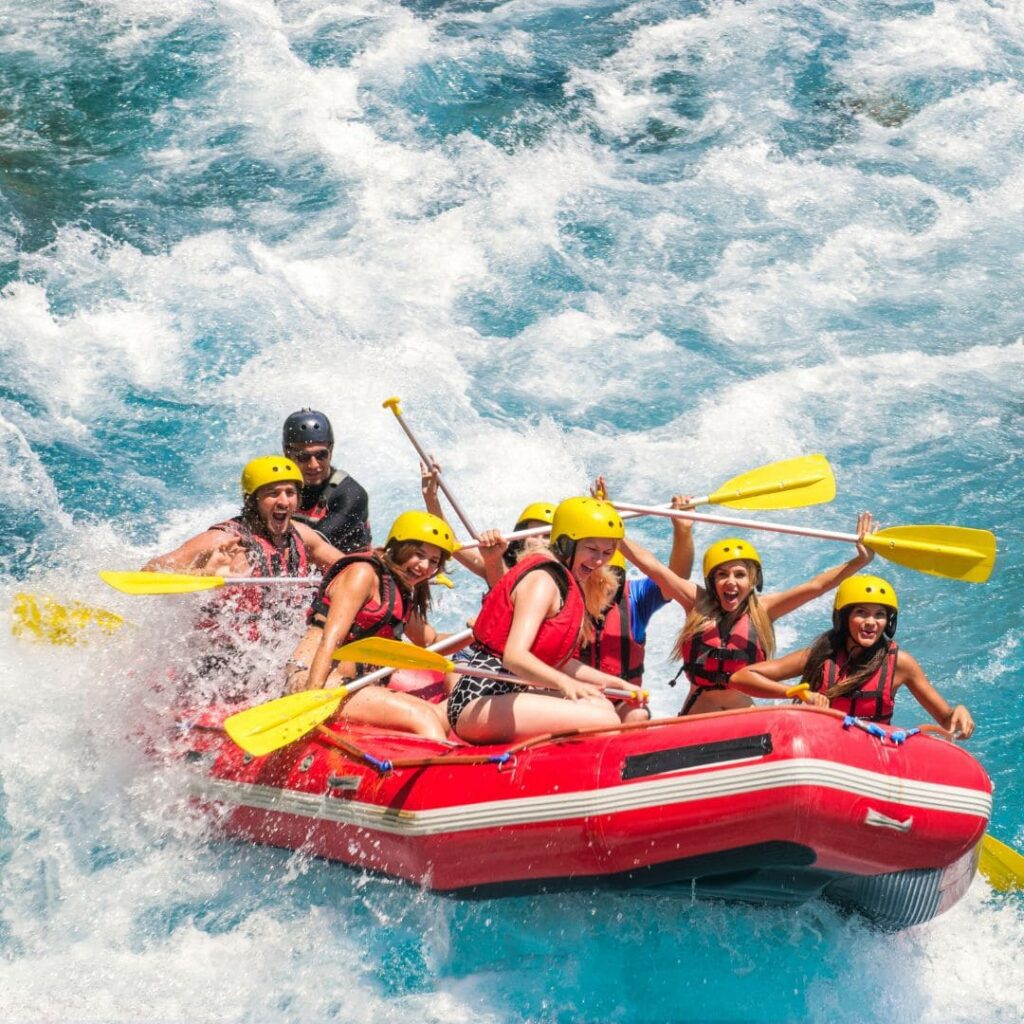
The Valle Grande dam is one of its major attractions, and for adventure lovers, rafting on the Atuel River is an exhilarating way to connect with nature.

Malargüe’s volcanoes

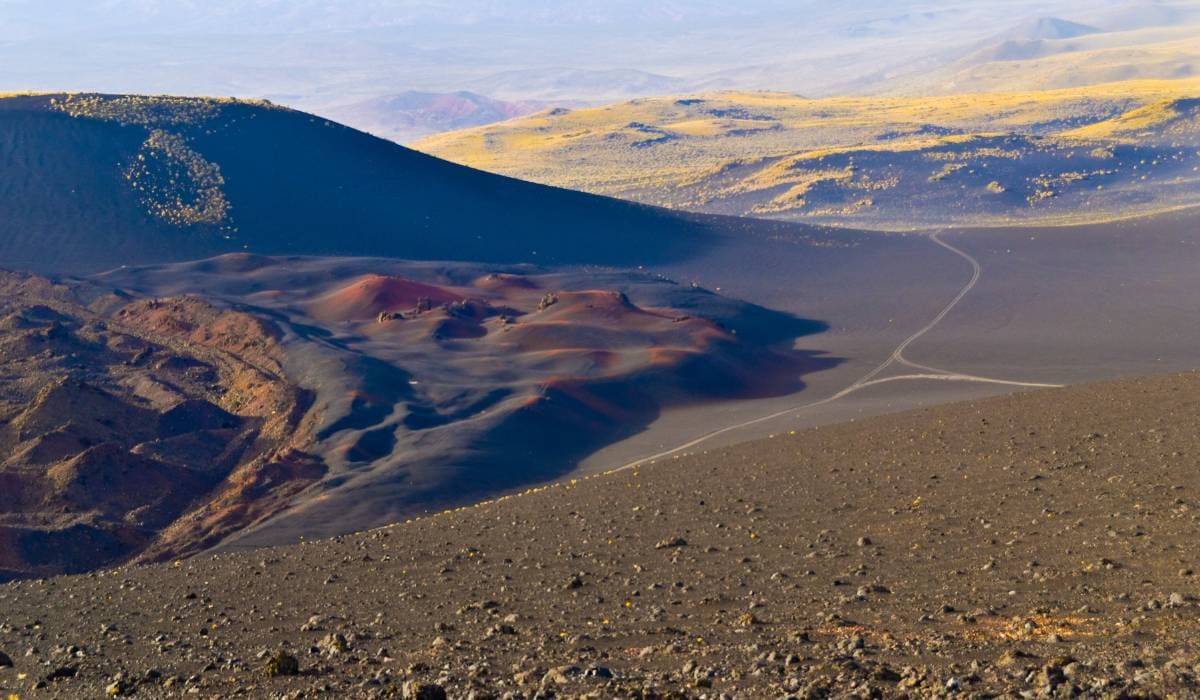
If you’re looking for something out of the ordinary, Malargüe is a must. The southernmost city in Mendoza is home to one of the country’s most incredible natural settings: the La Payunia Provincial Reserve —a vast field of over 800 inactive volcanoes with copper, red and gray tones that feel otherworldly.

Note: visiting requires a full-day guided excursion in a 4×4, with several stops inside the reserve.

La Payunia

Córdoba: sierras, streams and endless greenery

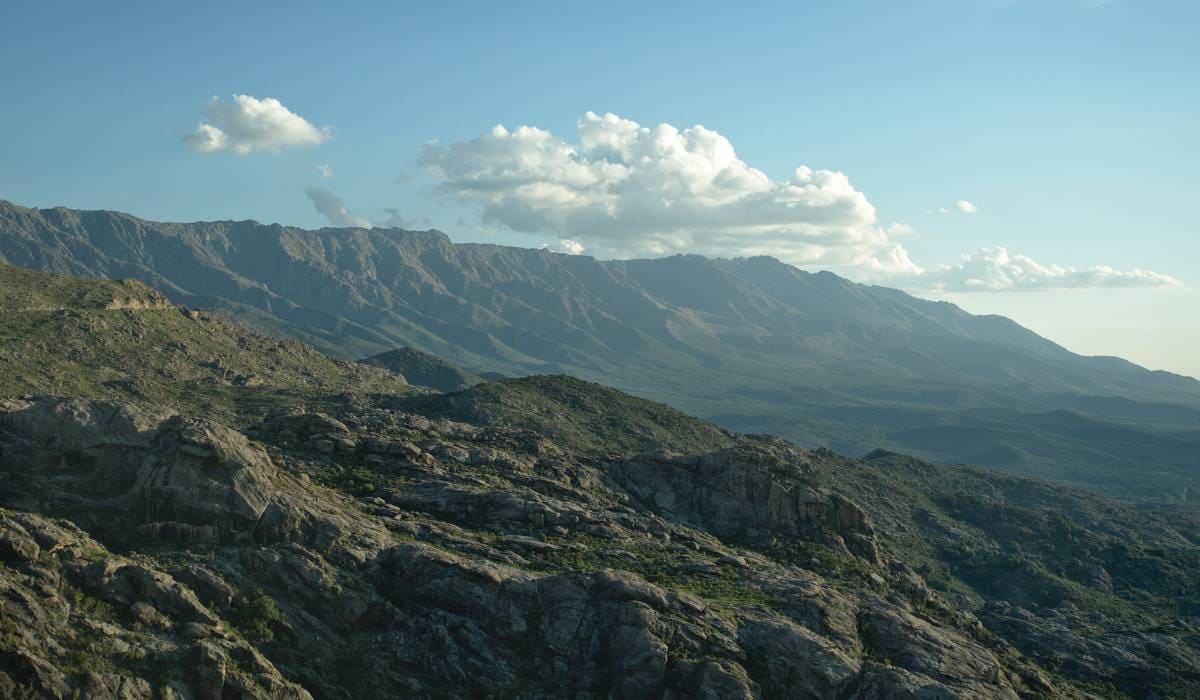
Rolling sierras, crystal-clear streams and towns full of identity make Córdoba one of the best places to vacation in Argentina —an ideal destination to disconnect completely.

Feel the calm of Traslasierra

The Traslasierra valley is synonymous with peace and nature. In summer, Mina Clavero and its beautiful rivers are perfect for swimming and relaxing in natural pools with fresh, clear water.

In Nono, you’ll find a village with a strong serrano spirit, known for simple architecture and a slow pace that invites you to enjoy afternoons by the river and trails for walking, horseback riding or cycling. San Javier and Yacanto, at the foot of Cerro Champaquí, offer deep relaxation among olive groves, vineyards and dirt roads.

Crossing Córdoba’s tunnels

Driving through Córdoba’s Tunnels Road is an experience that blends history, adrenaline and unbelievable landscapes. This gravel stretch connecting Taninga with Las Palmas winds through the Sierras Grandes, featuring a series of tunnels carved in the early 20th century. As you advance, the road opens among reddish cliffs, sharp curves and natural balconies overlooking the vast valley of the Traslasierra region.

The route surprises with a constant sense of adventure: condors flying low, steep slopes, and viewpoints that feel suspended in mid-air. It’s perfect for travelers seeking unique scenic drives.

San Marcos Sierras, a northern Córdoba treasure

San Marcos Sierras invites you to slow down among dirt roads, leafy trees and a relaxed atmosphere. The San Marcos and Quilpo rivers are ideal spots to spend the afternoon reading, sipping mate and cooling off. Many travelers choose this destination year after year as one of the best places to vacation in Argentina.

The town also preserves a strong identity: its 18th-century adobe chapel, the small local museum, artisan markets, organic farms and a community that lives at a harmonious, unhurried pace. It’s a perfect destination for those seeking authentic experiences far from mass tourism.

Córdoba

Quebrada de Humahuaca and the Northern Argentine summer

The Argentine North is always chosen as one of the best places to vacation in Argentina. Here you’ll find adventure, nature and tradition. Here’s a guide to the best of the region to make summer 2026 truly unforgettable.

Purmamarca and Tilcara

At the base of the Quebrada, at the foot of the Hill of Seven Colors —with its mix of pink, white and purple tones creating a magical spectacle— Purmamarca is likely the most iconic town in Jujuy. You can explore the main square with artisan stalls or soak in northern culture in its adobe streets that preserve traditional architecture.

A few kilometers north lies Tilcara, another cultural and archaeological hub of the Quebrada. The Pucará de Tilcara is a pre-Hispanic site offering a window into the region’s Andean past.

Hornocal

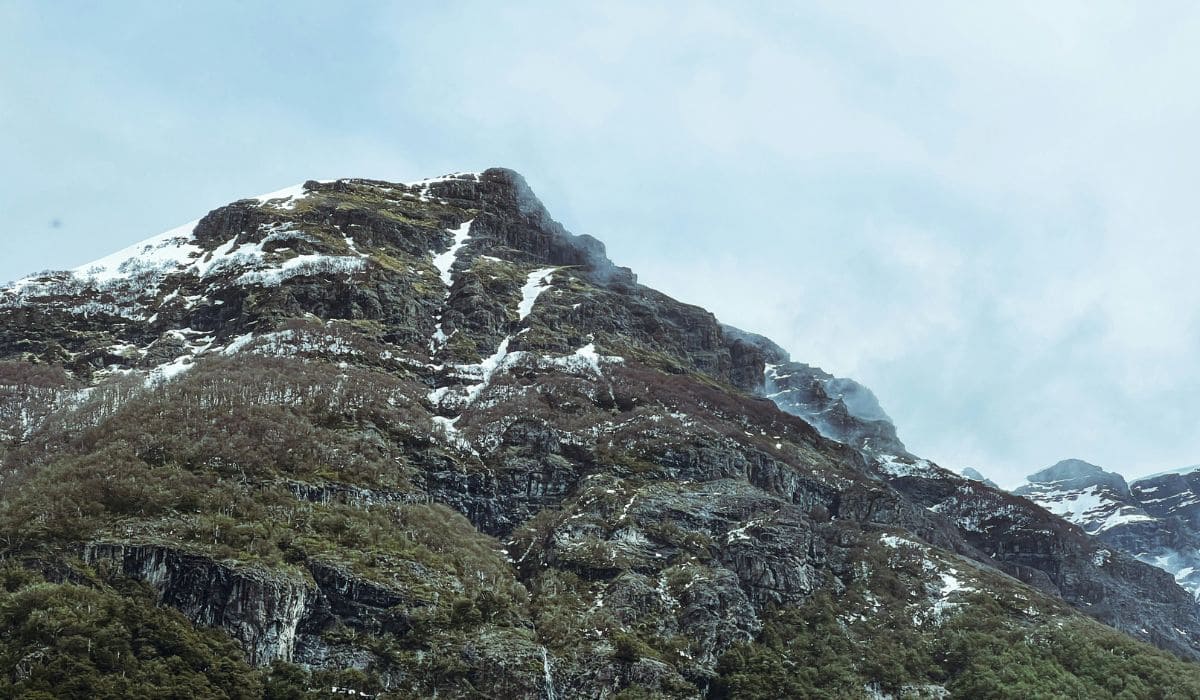
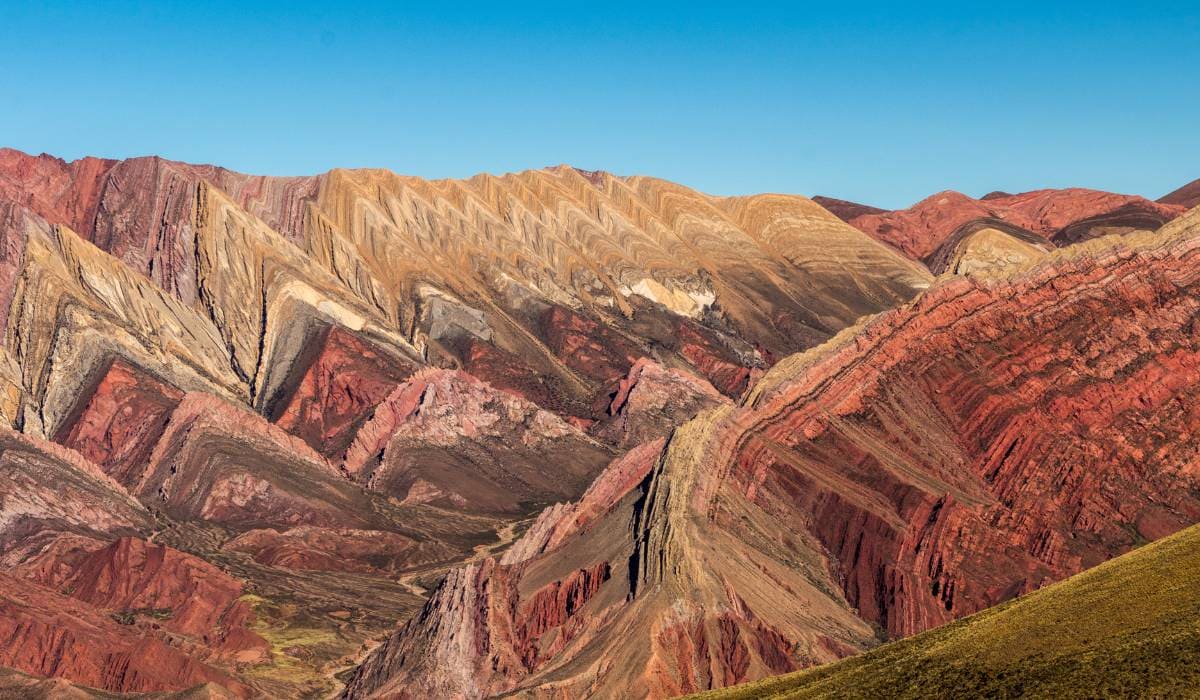
If the Quebrada dazzles with its colors, the Hornocal Hills —known as the “Hill of 14 Colors”— take that natural spectacle to another level. Their slopes display vibrant color bands created by geological formations millions of years old, offering one of the most iconic landscapes in the Argentine North.

Access is usually from the town of Humahuaca. The viewpoints offer astonishing panoramas and the feeling of being in another world.

The Salinas Grandes

Visiting one of the best places to vacation in Argentina this summer 2026 also means discovering an otherworldly landscape. This impressive salt flat, located in the Jujuy puna, 70 kilometers from Purmamarca, is a must on any Northern Argentina trip.

The Salinas Grandes are ideal for exploring slowly, walking on their vast white surface, watching sky-earth reflections and understanding why so many travelers are captivated by this sea of salt surrounded by mountains and sky.

Paved Route 52, which leads from Purmamarca, is one of the most scenic roads in the country, and it’s also in excellent condition.

The Jujuy yungas

Blending history, altitude and lush nature, the Jujuy yungas offer a dramatic change of scenery compared to the Quebrada or the Puna. This green strip connects with protected areas like Calilegua National Park, one of the region’s major green lungs. It’s ideal for travelers seeking wildlife, flora and temperate forest trails.

El Hornocal

Tips for vacationing in Argentina in summer 2026

  • Travel early to avoid the hottest hours of the day.
  • Book accommodations and activities in advance.
  • Check route conditions and national park schedules before leaving.
  • Look at the local agenda: many destinations add food fairs, festivals and cultural events only available during summer 2026.
  • Make strategic stops to stay hydrated, rest and enjoy scenic viewpoints or rivers along the way.

Rent a car and enjoy summer 2026

At Rentennials, we know your time is valuable and you want to enjoy it fully: traveling by car lets you optimize your schedule, avoid connections, long waits and routes that may take too long on public transport.

There’s nothing like the freedom of discovering the best places to vacation in Argentina, making spontaneous detours and enjoying a more authentic and flexible trip.

[:es]

We are Rentennials

Rentennials is the new way to rent cars from local hosts in your city, quickly, easily, and affordably. It's also your new path to starting your own car rental business and making money every month.
Discover more.

Aplicación móvil

Download our App

Share this

[:]

From Bariloche to Esquel: a route where nature takes center stage

Traveling from Bariloche to Esquel is one of those Patagonian experiences that brings together lakes, mountains, valleys, and ancient forests without requiring major detours. As the road unfolds, the Andes are always by your side. The dazzling landscapes hide endless possibilities for activities and natural settings where you can stop, explore, and enjoy.

Driving the route by car not only lets you connect these two iconic destinations but also discover other places along the way that invite you to explore at your own pace and let yourself be surprised. From protected natural areas to national parks and charming towns, this route invites you to travel without rushing.

If you’re driving and taking your time, you can combine relaxation, adventure, and nature. At Rentennials, we put together this itinerary so you don’t miss a thing.

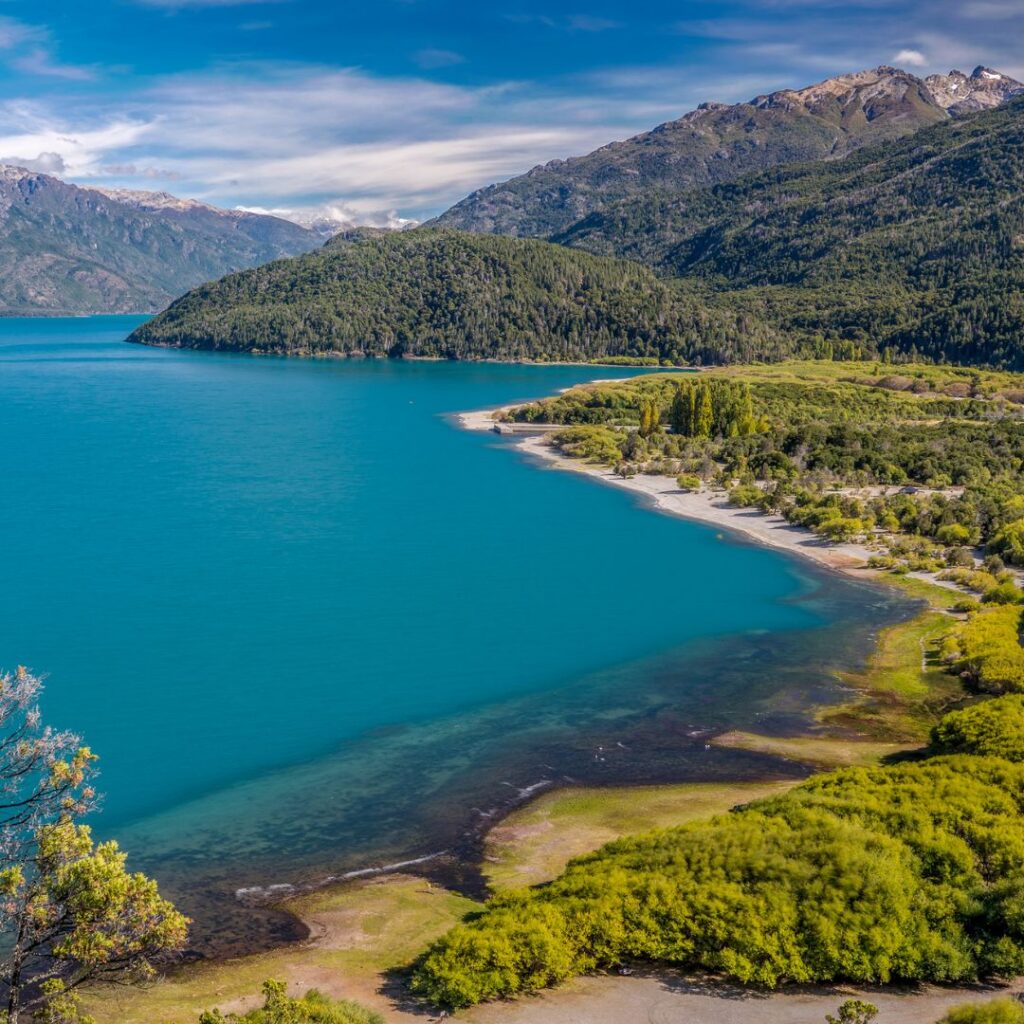
Lago Puelo, un lugar que se encuentra en la ruta de Bariloche a Esquel

What is the route like from Bariloche to Esquel?

Between Bariloche and Esquel, there are two main alternatives. The first is the most direct: following National Route 40, avoiding entry into Los Alerces National Park. It’s a practical road, with more paved stretches and no mountain detours—ideal for those who simply need to connect both destinations in the shortest time possible.

The second—and the one we especially recommend—is the route that crosses Los Alerces National Park, one of the most impressive natural environments in the country. This option lets you enjoy lakes, boardwalks, winding roads, and sections with spectacular views.

It’s important to note that some stretches—such as those inside the park—are gravel, and while they’re passable, they require careful driving. In addition, along much of the route from Bariloche to Esquel, the condition of Route 40 is not optimal, and you must reduce speed. For this reason, the recommendation is to take it easy, drive slowly, and stay attentive, especially on the gravel sections when entering and exiting Los Alerces National Park.

How many kilometers are there from Bariloche to Esquel?

The total distance between the two cities is approximately 290 kilometers, depending on the variant chosen. If you opt for the direct route along RN 40, the drive is around 300 kilometers. If you take the detour into Los Alerces National Park, the route extends to 543 kilometers, but every meter will be worth it.

How many days should you travel from Bariloche to Esquel?

Technically, you can make the trip in a single day, spending between 4 and 6 hours behind the wheel, depending on the chosen route and the condition of the gravel sections. If the idea is to enjoy, explore, take photos, walk, and truly connect with everything this region offers, we recommend that your trip last at least one week or ten days. That way, you’ll have time to improvise, explore valleys, lakes, towns, and forests without rushing.

We suggest staying overnight in peaceful spots, doing short hikes in Los Alerces, or dedicating a full day to boating, relaxing, or walking in the mountains. That’s what traveling is about: enjoying so much more when you turn a simple transfer into a destination itself and let the adventure guide you.

Sendero

What to see from Bariloche to Esquel

The heart of the journey is what unfolds between the two destinations: viewpoints, protected areas, rivers, turquoise lakes, short trails, mountain towns, and one of the most iconic national parks in Argentina.

From the moment you leave Bariloche along Route 40, you’ll pass Lake Gutiérrez, Lake Mascardi, and you can take the detour to Pampa Linda, where a road leads to the base of Mount Tronador. You can also skirt Lake Guillelmo or detour to Lake Steffen. And that’s only the beginning!

Once you’ve passed all of that, here is a guide to everything waiting for you along the way from Bariloche to Esquel, so you can plan your trip knowing what to see, how much time to spend, and why each spot is worth it.

Río Manso Valley

If you continue heading south along National Route 40, you’ll reach the Villegas River, where Provincial Route 83 begins and travels through the Río Manso Valley. It’s a gravel road that runs parallel to the lower Manso River, at the southern end of Nahuel Huapi National Park. With its clear waters and mountainous surroundings, it’s ideal if you’re seeking calm adventure: cycling, hiking, rafting, kayaking, horseback riding, and river beaches surrounded by tall forests.

It’s an area where the landscape feels close and intimate, and although it’s not strictly part of the most direct route, many travelers choose to include it because it lies within Río Negro’s most beautiful mountain area. It’s perfect for spending a morning or afternoon before continuing your trip.

Río Azul Protected Natural Area

After about 100 more kilometers along Route 40, you’ll reach one of the most beloved protected areas in the region: the Río Azul – Lago Escondido Protected Natural Area, also known as ANPRALE, often simply called “Río Azul.” Its valleys, viewpoints, and mountain huts make it a classic choice for lovers of accessible trekking through lenga, coihue, ñire, and cypress forests.

There are short and long trails, boardwalks, clear cold rivers, organized campgrounds, and refuges where you can spend the night and enjoy the full experience. In short: you’ll find pure nature, but with reasonable access for those who aren’t expert mountaineers.

Important: for trekking, it’s mandatory to complete the online individual registration before entering.

El Bolsón

Along Route 40, you’ll come to El Bolsón, one of the most attractive towns on the journey from Bariloche to Esquel. It’s a great place to spend a few days, rest, eat well, and visit craft markets, farms, viewpoints, or walks along the Quemquemtreu River. Here you’ll find Mount Piltriquitrón—an impressive peak offering spectacular panoramic views—and the trail to the Carved Forest.

There’s also the Escondida Waterfall and the ascent to Cerro Amigo. It’s a low-difficulty trail where you can also enjoy adventure tourism activities like rappelling, climbing, and mountain biking.

A must-see near El Bolsón is a visit to Lago Puelo National Park.

El Bolsón offers an unbeatable combination: immediate nature, great food options, craft breweries, varied lodging, and a slow pace that invites you to relax and enjoy.

La pasarela del Río Arrayanes

El Hoyo and Cholila

A few kilometers ahead, El Hoyo appears surrounded by farms, berry plantations where you can taste raspberries, strawberries, and cherries, green hills, and a peaceful rural valley atmosphere. It’s ideal for those looking for nature, short hikes, horseback rides, waterfalls, and quality regional products.

A bit further on is Cholila, with its wide valleys, nearby lakes, and rich stories. Here you can visit the La Legal museum-bar and the historic cabin of bandits Butch Cassidy and Sundance Kid. It’s also a perfect destination for relaxing by the water, kayaking, fishing, or simply enjoying the landscape from its viewpoints or from the riverbank.

Parque Nacional Los Alerces

Los Alerces National Park

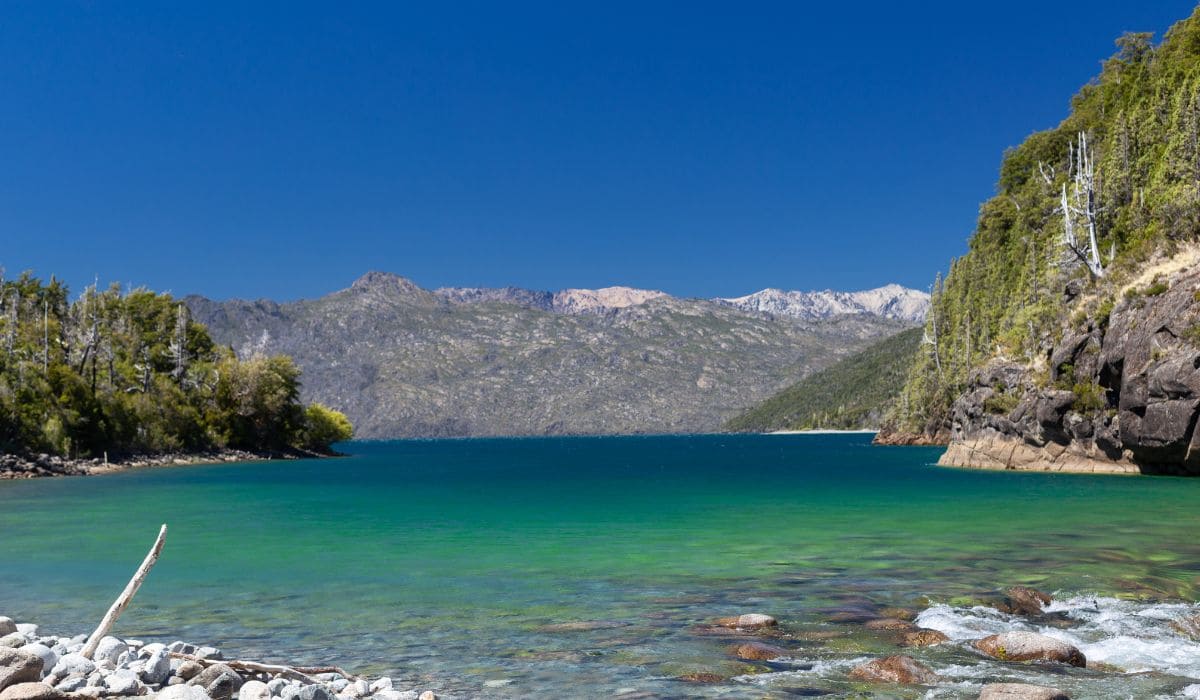
Here begins one of the most beautiful yet slowest parts of the journey. Entering Los Alerces National Park marks a clear shift: gravel roads, dense forests, turquoise lakes, and an atmosphere of environmental protection noticeable from the very first meters.

Los Alerces is a vast area declared a World Heritage Site for its natural value. Turquoise lakes and rivers, peaceful beaches, trails for all levels, glaciers, waterfalls, and the Millenary Alerce Forest—with trees over 2,500 years old—give it a unique beauty.

Inside the park, it’s essential to drive slowly, not only because of the gravel but also because the surroundings deserve to be savored. It’s the slowest part of the trip—and that’s a benefit: it gives you more time to store every detail in your memory.

Lago Rivadavia

Lake Rivadavia is one of the most visited within the park. It has rest areas, beaches, campgrounds, boardwalks, and areas suitable for picnics and kayaking. It’s easy to access and perfect for spending half a day or a full afternoon between forest and crystal-clear water.

Lago Verde

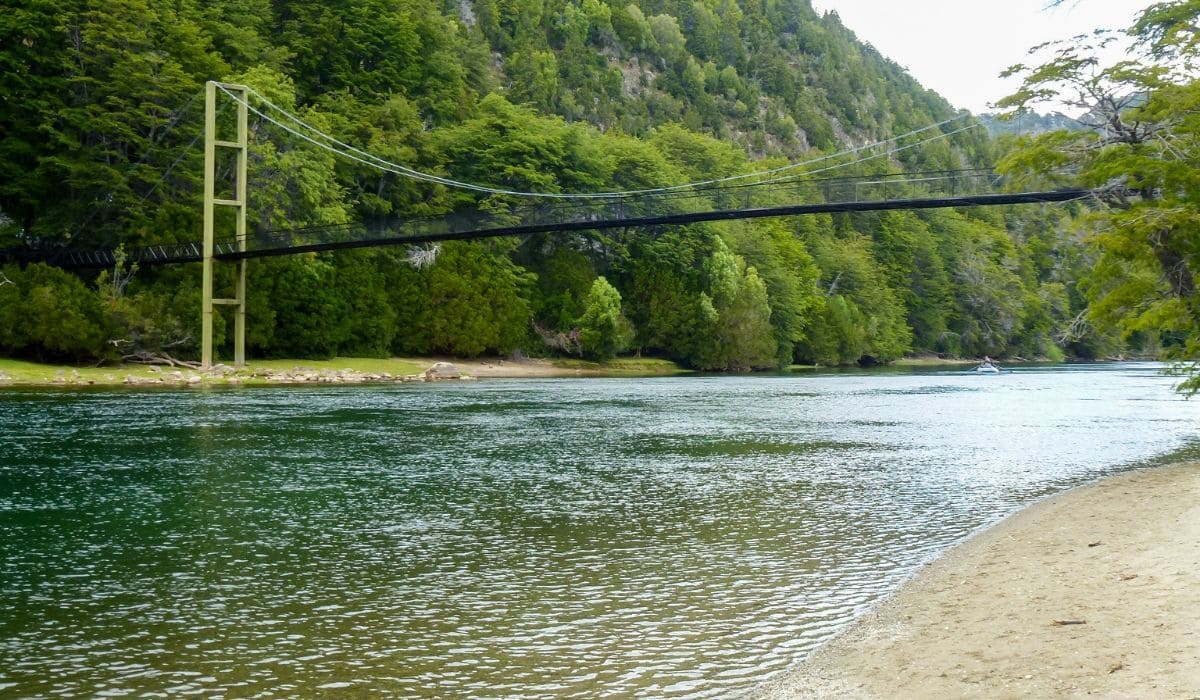
About 9 kilometers from Lake Rivadavia, you’ll find Lake Verde, one of the most striking due to the color of its waters. Surrounded by forests and mountains, it features a famous boardwalk crossing the Arrayanes River, perfect for photos and gentle walks. There are campgrounds and a glamping site, and you can go kayaking or stand-up paddling, and in permitted seasons, fly fishing.

From here, several trails lead into Los Alerces National Park. The viewpoint at Lake Verde is one of the must-see panoramic spots of the journey.

Lago Futalaufquen

Further south in the park is Lake Futalaufquen: immense, calm, and ideal for boating, hiking, and spending the night in a nearby lodge or cabin. It’s one of the areas with the best infrastructure inside Los Alerces—with campgrounds, cabins, lodging, and services—and at the same time, one of the places where the silence of the mountains feels strongest.

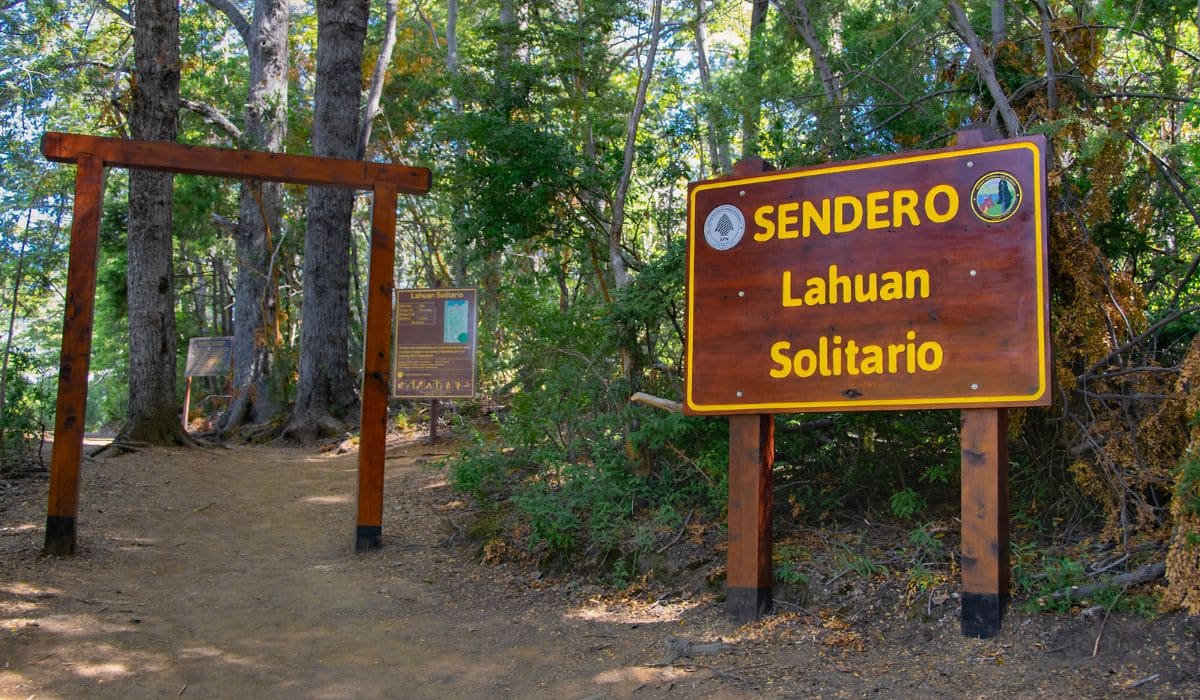
This part of the park offers several hiking trails from Villa Futalaufquen, with different levels of difficulty. You can walk along the lake’s coast to the Puerto Limonao area, take the trail to Lake Krugger, or the route to Cerro Cocinero starting at the Rañinto stream.

From there, the exit to Esquel combines gravel and paved sections before returning to RN259.

La Trochita, Esquel

Esquel

The journey from Bariloche to Esquel ends in a city that brings together history, culture, and nature. Besides its hills and viewpoints, in Esquel you can learn about the region’s history by visiting its museums and cultural centers.

Five kilometers away is La Zeta, an urban nature reserve with a lagoon, a beach area, and kayak rentals—perfect for a half-day outing.

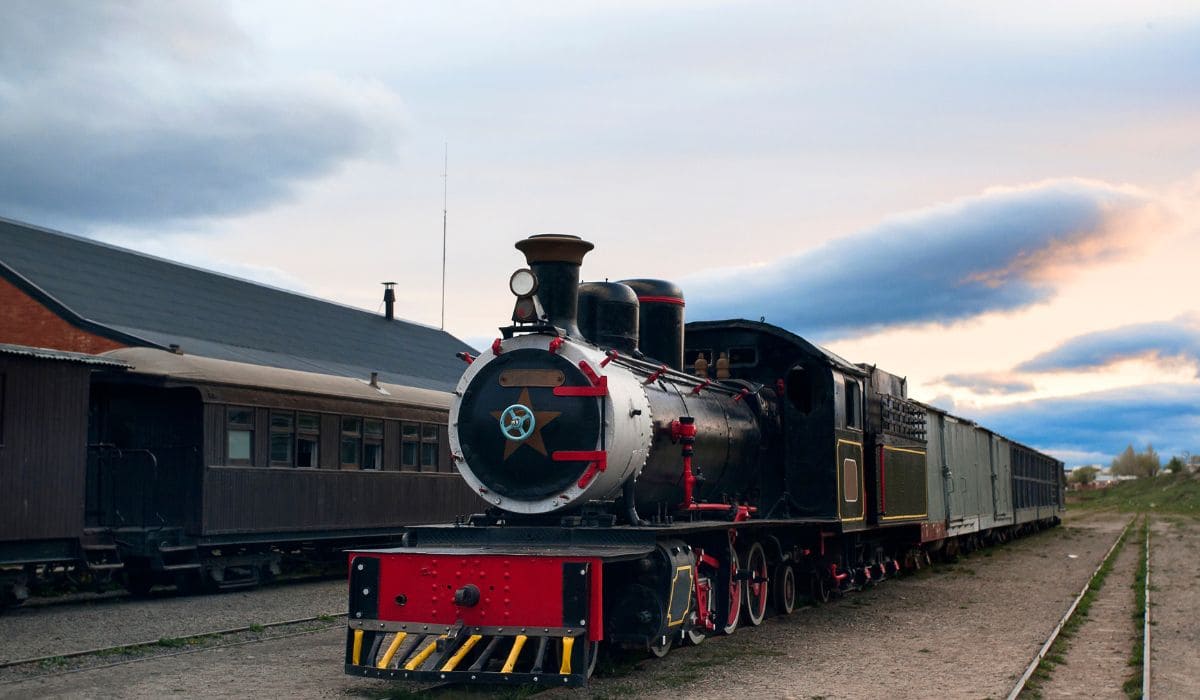
It’s also the departure point of the historic La Trochita train, a Patagonian icon that crosses part of the steppe in vintage wagons pulled by steam locomotives.

Tips for driving from Bariloche to Esquel

It’s important to note that the stretch from Bariloche to Esquel is not in good condition. Take it slowly.

  • Inside Los Alerces National Park, the entire road is gravel. It’s drivable, but only at low speed.
  • Avoid driving at night on gravel or in fog.
  • If it has rained, check road conditions before entering the park.
  • Keep your tank over half full. There are no gas stations inside the park.
  • On very hot days, the gravel can kick up dust: slow down and keep distance from the vehicle ahead.
  • Rest stops are essential: distances aren’t long, but they require constant attention.
  • Make fires only in designated areas.

Rent a car and travel from Bariloche to Esquel

At Rentennials, we want more people to feel encouraged to discover each destination their own way—freely, connecting with local culture, and being responsible travelers.

That’s why we believe this route can be completely different if you rent a car and allow yourself to experience every kilometer at your own pace, turning the journey into something more than just a transfer.

[:es]

We are Rentennials

Rentennials is the new way to rent cars from local hosts in your city, quickly, easily, and affordably. It's also your new path to starting your own car rental business and making money every month.
Discover more.

Aplicación móvil

Download our App

Share this

[:]

What to do in Bariloche when it rains: the ultimate guide

You’re in Bariloche, and suddenly, the sky turns gray, rain starts to fall, and the first question that comes to mind is what to do in Bariloche when it rains? Mountains, lakes, forests, and stunning landscapes — but the weather can be unpredictable. In Patagonia, a sunny morning can quickly turn into a rainy afternoon. So it’s best to be prepared.

Knowing what to do in Bariloche when it rains is the key to enjoying your trip anyway. You don’t have to cancel your activities — just adapt them. Bariloche offers plenty of options to keep living the essence of southern Argentina: great food, cozy places, culture, chocolate, craft beer, and experiences that, even with an umbrella, become unforgettable.

To make sure your trip isn’t spoiled by the weather, here you’ll find the best tips and recommendations to enjoy Bariloche with Rentennials, even when it rains.

El centro cívico, uno de los planes cuando te preguntan qué hacer en Bariloche con lluvia

Does it rain a lot in Bariloche?

Yes — and that’s part of its magic. Between April and September, rainfall is more frequent, especially during autumn and winter (which often turn into snow). But that shouldn’t be a problem. Locals are used to it and have everything ready: cafés with lake views, museums, chocolate factories, spas, and restaurants to enjoy the unique flavors of Patagonia.

Knowing what to do in Bariloche when it rains allows you to discover a different side of the city. It’s the perfect time to slow down, look out the window, and enjoy the aromas, flavors, and warmth of its people.

How to get around Bariloche when it rains

The best way to move around Bariloche is by car. Whether it’s raining or sunny, public transport isn’t very efficient, and it’s usually cheaper to rent a car than to take taxis. Roads are generally in good condition, even with heavy rain.

What to do in Bariloche when it rains: 8 must-do experiences

On a gray and rainy day, there are many options to make the most of your time in this beautiful city. Chocolate shops, museums, restaurants, and of course, relaxing will be among the first ideas that come to mind.

Here are 8 experiences to help you decide what to do in Bariloche when it rains.

1. Have a coffee with a view of Nahuel Huapi

This plan is perfect for a gray day, a snowy afternoon, or a sunny break after a long day. One thing that should definitely be on your list of what to do in Bariloche when it rains is having tea or coffee facing the lake. Along Bustillo Avenue, you’ll find plenty of places serving homemade cakes, hot chocolate, and warm drinks to enjoy while watching the rain hit the windows.

Bariloche has dozens of cozy cafés — some overlooking the lake, others hidden among the hills. Pick a window seat, open a book, or simply let yourself be carried away by the scenery.

Here are three great spots to enjoy a lakeside snack:

Una vista al lago Nahuel Huapi

2. Explore the Museum of Patagonia and the Civic Center

In the heart of the city, the Museum of Patagonia invites you to discover the natural and cultural history of the region. Learn about the indigenous peoples, the flora and fauna, and the pioneers who first settled the area. Open Monday to Friday from 10 a.m. to 12:30 p.m. and 2 p.m. to 5 p.m. Entry is by donation.

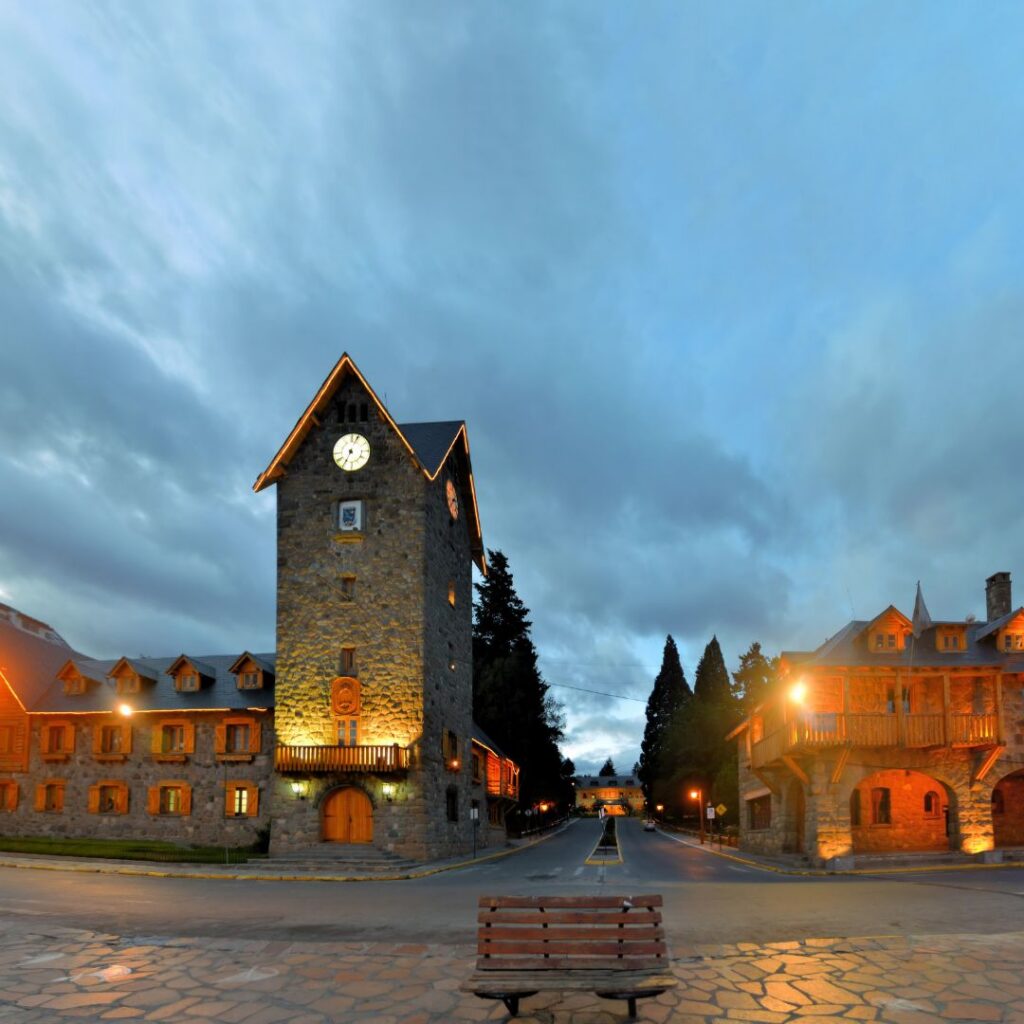
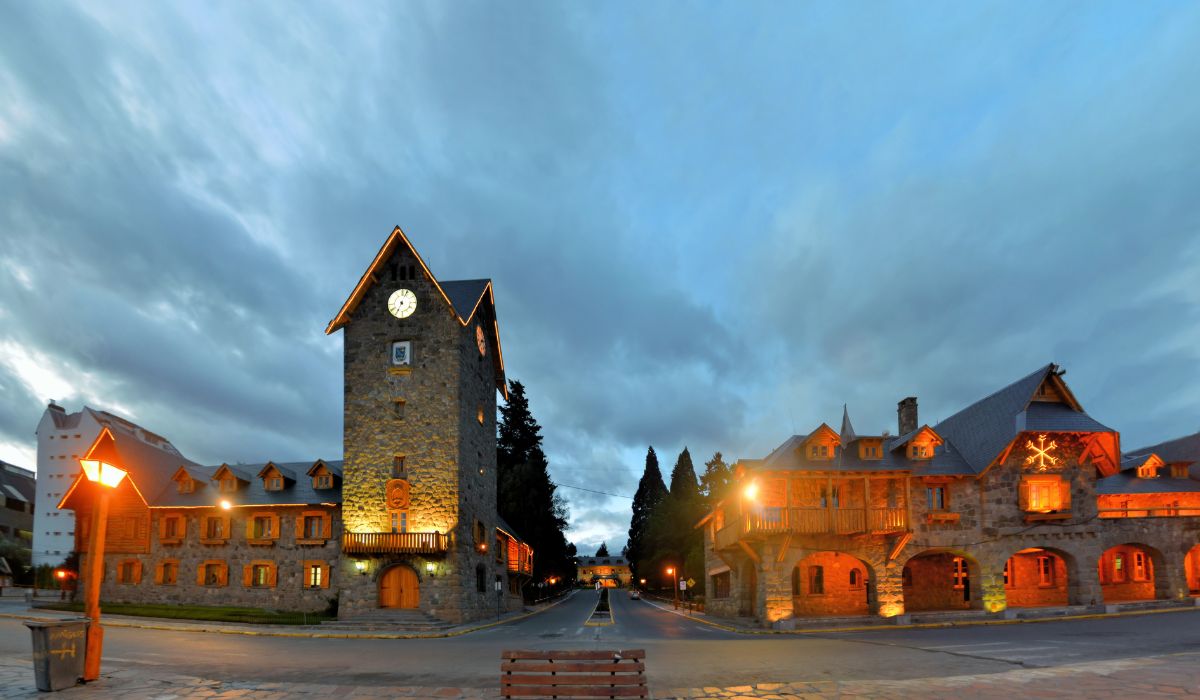
The building is part of the iconic Civic Center, one of Bariloche’s landmarks, where you’ll also find art galleries and shops selling local products. It’s the perfect indoor plan while waiting for the rain to stop.

Just a few steps away, the Bariloche Cathedral is another must-see.

3. Visit the chocolate factories

A trip to Bariloche wouldn’t be complete without chocolate. On rainy days, visiting its famous chocolate factories like Mamuschka, Abuela Goye, or Rapa Nui is a must. They offer tours and tastings, and on Mitre Street you’ll find the most traditional shops selling handmade bars and unique bonbons.

If you’re looking for what to do in Bariloche when it rains without getting wet, tasting chocolate and learning how it’s made is a perfect plan.

A great complement: visit the Chocolate Museum to learn more about the history of one of the world’s sweetest creations.

4. Enjoy a craft beer tasting

Bariloche isn’t just the capital of chocolate — it’s also a pioneer in craft beer production. Going to local breweries for a tasting is another great option when thinking about what to do in Bariloche when it rains.

The city leads Argentina’s craft beer movement, offering a wide range of styles. You can visit Cervecería Patagonia, with its stunning view of Lake Moreno; Berlina, founded in nearby Colonia Suiza; or Kunstmann, the Chilean brand with a bar on Bustillo Avenue. All offer perfect pairings with Patagonian dishes.

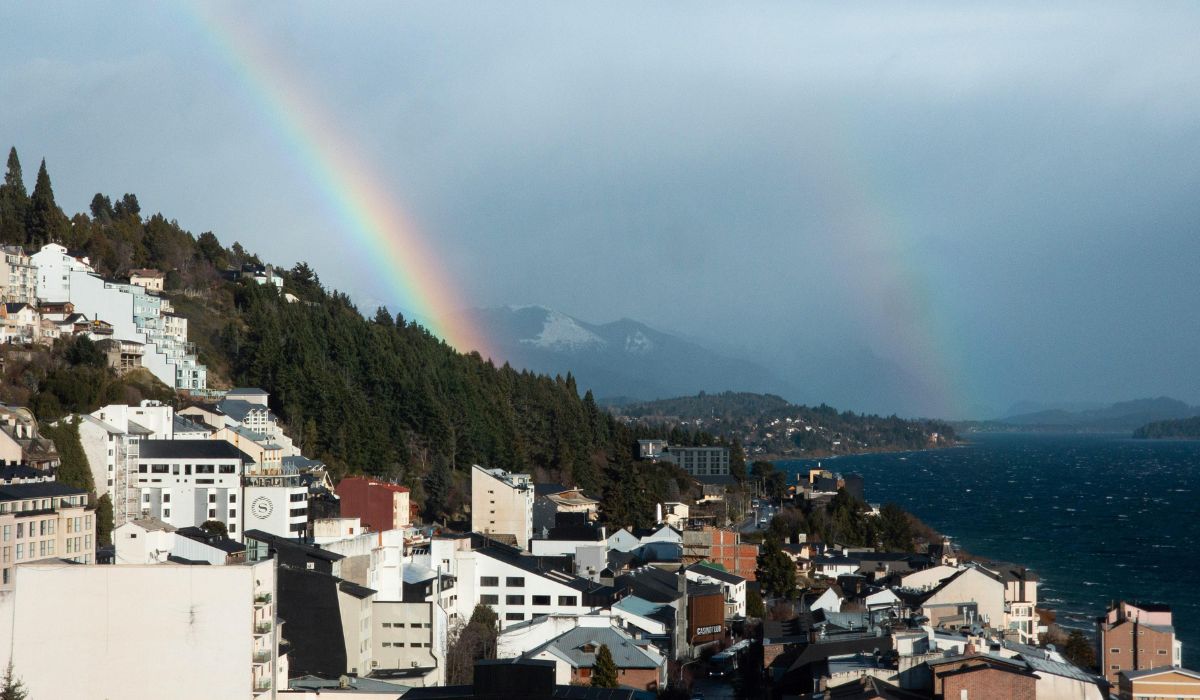
Un arcoiris sobre Bariloche

5. Visit Colonia Suiza

Just 25 km from Bariloche lies Colonia Suiza, one of the first Patagonian settlements founded by European immigrants in the late 19th century. Its architecture and history earned it a national heritage designation, and it still preserves its original charm.

Visiting this small village is one of the best answers to what to do in Bariloche when it rains. Besides its beautiful setting, you’ll find tea houses, restaurants, craft shops, and a vibrant artisan fair (Wednesdays and Sundays).

6. Discover the local gastronomy

Rainy days are perfect for hearty, comforting meals — and Bariloche’s gastronomic scene is outstanding. From traditional grills to regional cuisine, there’s something for every taste.

Trout, lamb, stews, and homemade pasta take center stage. If you’re still wondering what to do in Bariloche when it rains, simply find a table with a lake view and enjoy the moment.

Here are five restaurants worth visiting:

  • El Boliche de Alberto — a local classic specializing in grilled meats.
  • La Fonda del Tío — generous portions, traditional dishes, and fair prices.
  • Familia Weiss — regional dishes like Patagonian lamb and European-inspired recipes.
  • Las Morillas — varied Patagonian dishes with creative touches.
  • Ánima — a fine-dining experience in the Circuito Chico area with a four-course menu.

Pro tip: Make a reservation if it’s a rainy day during high season.

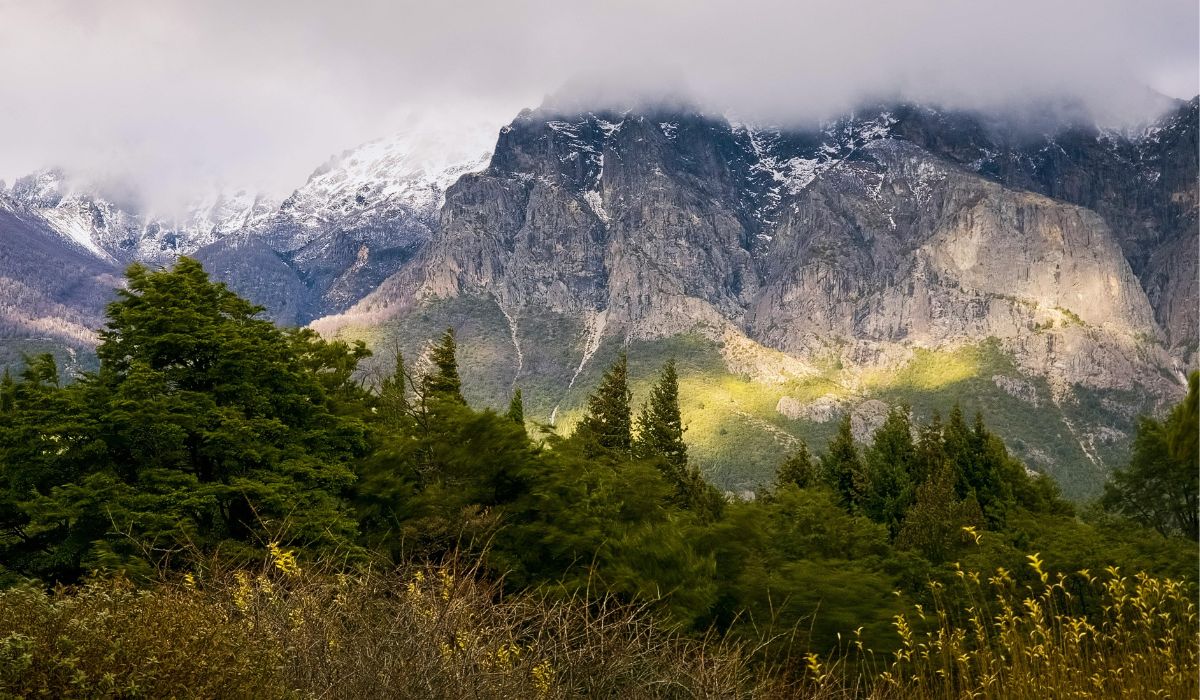
La belleza de Bariloche nublada

7. Stroll downtown and go shopping

Bariloche’s city center packs a lot into a few blocks. Walking along Mitre or Moreno streets on a rainy day is an excellent plan. Between chocolate shops, you’ll find clothing stores, local products (try the raspberries in syrup!), bookstores, and handicrafts.

Many shops also offer tastings of jams, liqueurs, or chocolates — turning a simple walk into a flavorful experience.

8. Spend a day with family

If you’re traveling with kids, there’s plenty to do. Visit the Paleontological Museum (Monday–Saturday 1 p.m.–5:30 p.m.) to see fossils and interactive exhibits. You can also take the Cerro Otto cable car, and enjoy its rotating café with panoramic views — all without getting wet.

Another great spot is the Patagonia Shopping Center, with cinemas, cafés, and games for all ages — the perfect indoor plan for any rainy afternoon.

Can you still enjoy outdoor plans when it rains in Bariloche?

You might wonder what to do in Bariloche when it rains before arriving. Bad weather is always a possibility — but that doesn’t mean you have to cancel all outdoor activities. Even on cloudy or rainy days, it’s possible to enjoy Patagonia’s landscapes. But what can you actually do?

It depends on the amount and intensity of rain. If it’s light, you can drive the Seven Lakes Route. However, if it’s heavy, we recommend staying in town.

For mountain trails, make sure the ground isn’t too wet. Always check with park rangers before hiking — the terrain can get slippery and dangerous.

Tips to enjoy Bariloche when it rains

  • Bring warm clothes and an umbrella, even in summer.
  • Plan mixed activities, alternating indoor and short outdoor plans.
  • Check the weather forecast before going out — it changes fast.
  • Book indoor tours or experiences in advance, as they fill up quickly on rainy days.
  • Take photos of the foggy landscapes: mountains covered in mist are a magical sight.

Rent a car in Bariloche and explore at your own pace

What to do in Bariloche when it rains is a question every traveler asks when facing unpredictable weather in this beautiful city. Take your time to explore the best plans, and choose based on your mood. The key: use rainy days to relax and discover a more peaceful side of Bariloche.

At Rentennials, we want you to make the most of your trip to Bariloche — even on cloudy, rainy days. Renting a car in Bariloche is the best way to move around easily and comfortably. We’ll make sure the process is simple, safe, and stress-free.

[:es]

We are Rentennials

Rentennials is the new way to rent cars from local hosts in your city, quickly, easily, and affordably. It's also your new path to starting your own car rental business and making money every month.
Discover more.

Aplicación móvil

Download our App

Share this

[:]

Car Rental in Bariloche: The 3 Best Options for Your Trip

Bariloche is one of the most popular destinations in Argentine Patagonia. Surrounded by lakes and mountains, it offers unique experiences: the Seven Lakes Route, Cerro Catedral, Cerro Tronador, and the Nahuel Huapi National Park.
To make the most of your trip, the best option is to rent a car in Bariloche and explore at your own pace.

Below you’ll find my selection of the Top 3 car rental companies in Bariloche, based on real customer reviews, transparent pricing, insurance options, and logistics at Teniente Luis Candelaria Airport (BRC).

The 3 Best Car Rental Companies in Bariloche 🚗❄️

1) Rentennials – The most recommended option in Bariloche

  • Wide range of vehicles: economy cars, family vehicles, SUVs and 4x4s for city or mountain trips.
  • Fast and transparent online booking: instant confirmation, no paperwork.
  • No hidden fees: final price includes full insurance, taxes, and unlimited mileage.
  • Personalized delivery: pick up your car at Bariloche Airport (BRC) or have it delivered to your hotel downtown.
  • Positive reviews: Customers rate Rentennials with 5 stars on Trustpilot, Google Maps and Tripadvisor.
  • Friendly and flexible service: 24/7 support and an excellent reputation among travelers.
  • Innovative model: connects local car owners with travelers, ensuring competitive prices and a more personal experience.

In short, Rentennials stands out for comfort, transparency, and trust when exploring Patagonia without surprises.

2) Localiza Rent a Car

A well-known international company with presence in Bariloche. Offers a modern fleet and pickup points at the airport or downtown offices. A solid option if you prefer a global brand.

3) Hertz Rent a Car

Another globally recognized brand. Focused on modern vehicles and wide insurance coverage. Convenient if you’re looking for international standards.

Quick Tips for Renting a Car in Bariloche

  • Book early (winter and summer seasons sell out fast).
  • If traveling to mountains or snowy roads, consider renting an SUV/4×4 and ask about winter equipment.
  • Always check fuel policy, insurance coverage, and mileage limits before confirming.
  • Top routes to explore: Seven Lakes Route, Villa La Angostura, Cerro Catedral, Cerro Tronador, Colonia Suiza.

Conclusion

Bariloche is best enjoyed with the freedom of having your own car. Among all the car rental options in Bariloche, Rentennials stands out thanks to its transparent model, airport or hotel delivery, and the satisfaction of thousands of happy customers.

Final tip: book your car in advance to get the best rates and availability.

Frequently Asked Questions

Where can I pick up the car in Bariloche?

At Teniente Luis Candelaria Airport (BRC) or at your downtown hotel, depending on availability.

Does the price include insurance and mileage?

Yes, the final price includes insurance, taxes, and unlimited mileage, with no hidden fees.

Should I rent a 4×4?

For mountain roads, snow, or gravel, we recommend an SUV/4×4. For city driving or main highways, an economy car is enough.

[:es]

We are Rentennials

Rentennials is the new way to rent cars from local hosts in your city, quickly, easily, and affordably. It's also your new path to starting your own car rental business and making money every month.
Discover more.

Aplicación móvil

Download our App

Share this

[:]