
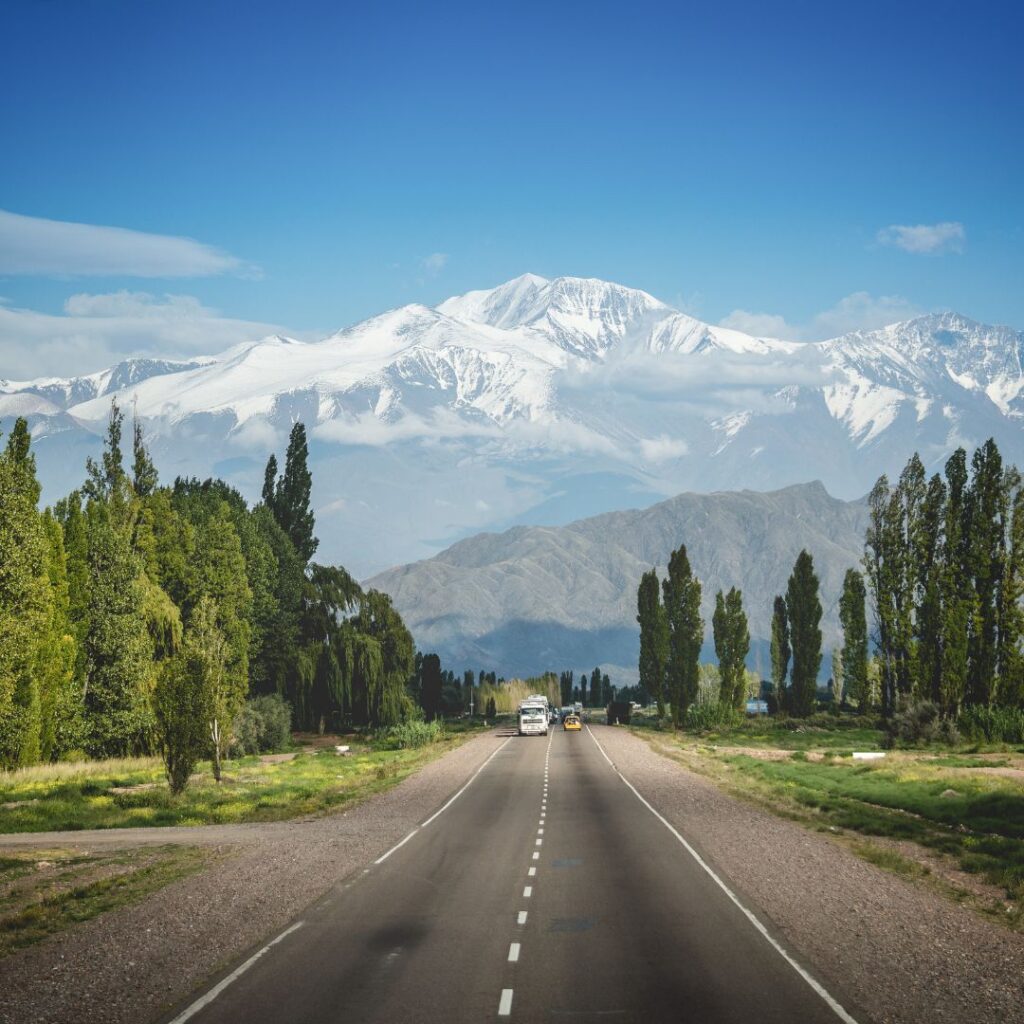
Mendoza in spring: the best activities and places

September begins, and Mendoza in spring becomes magical. The vineyards reborn, blue rivers with meltwater to enjoy rafting, and, of course, an international-level gastronomy. During these months, outdoor activities under the spring sun are everyone’s favorite, whether you travel with family, friends, or as a couple.

You can start in the city of Mendoza, continue through the Uspallata area, and end in an incredible field of volcanoes near Malargüe. In addition, if you enjoy driving through the landscapes of a province, reaching San Rafael is an excellent option if you like rafting and, at the same time, want to relax.

With this guide from Rentennials, we want you to organize the most complete itinerary of your trip to Mendoza and experience it to the fullest.
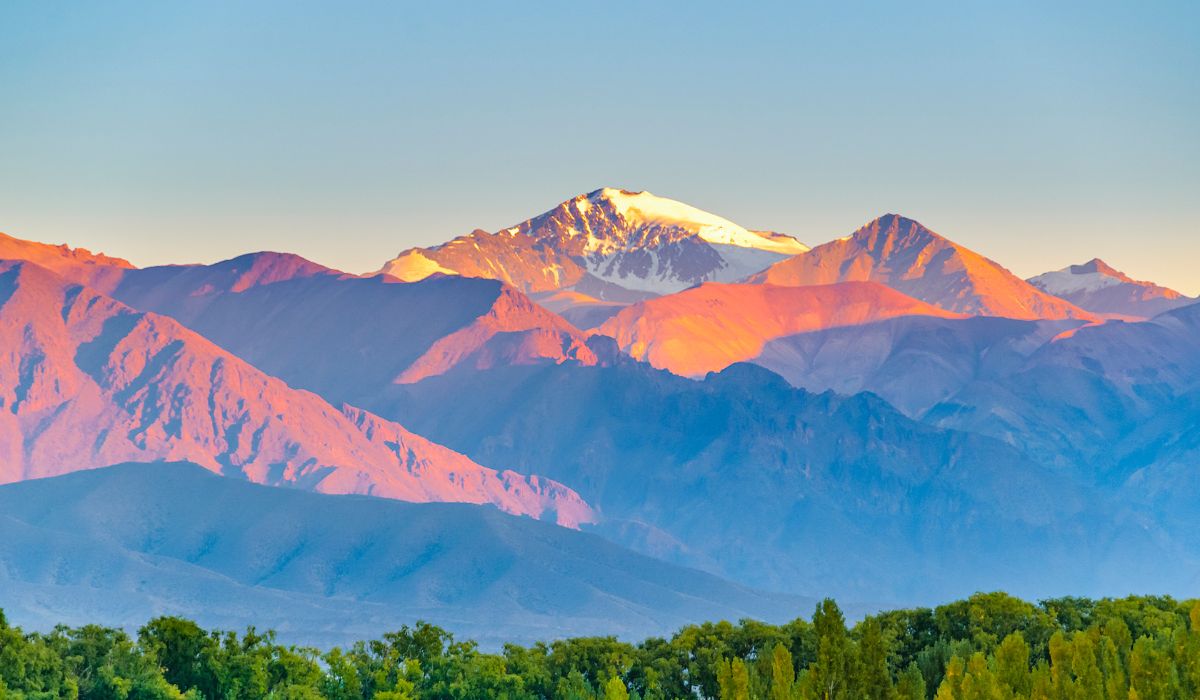
La cordillera de Mendoza en primavera

What is spring like in Mendoza?

The Mendoza spring has one of the most ideal climates to enjoy a well-deserved rest. Days are mild, mornings a little cool, and afternoons perfect for t-shirts. The good thing is that you won’t feel the summer heat yet. Keep in mind that if you go to the mountains, the thermal amplitude is very wide. Nights and early mornings are very cold, while the day is pleasant.

If there’s something that makes Mendoza in spring special, it is the return of the green. The vineyards slowly come back to life, and the trees bloom. Whether you are in the city or a town, you will feel this new stage of the year. And, of course, the snowmelt from the mountains makes the rivers and streams flow strongly again.

What to do in Mendoza in spring?

Besides being one of the most beautiful provinces, Mendoza is one of the ideal destinations to experience all kinds of activities, from adventure to enjoying the best wineries in the world. But if you are someone who enjoys tranquility, you can simply sit down and read a good book with the Andes landscapes behind you.

Walk along trails and go trekking

Spring arrives in Mendoza, and connecting with the mountains through beautiful hikes is a plan you can’t miss. Some routes, like Cerro Negro in Cacheuta, are more intense: steep climbs, little shade, and spectacular views. Other routes, like Quebrada and Los Berros, are calmer, ideal for those seeking deep disconnection.

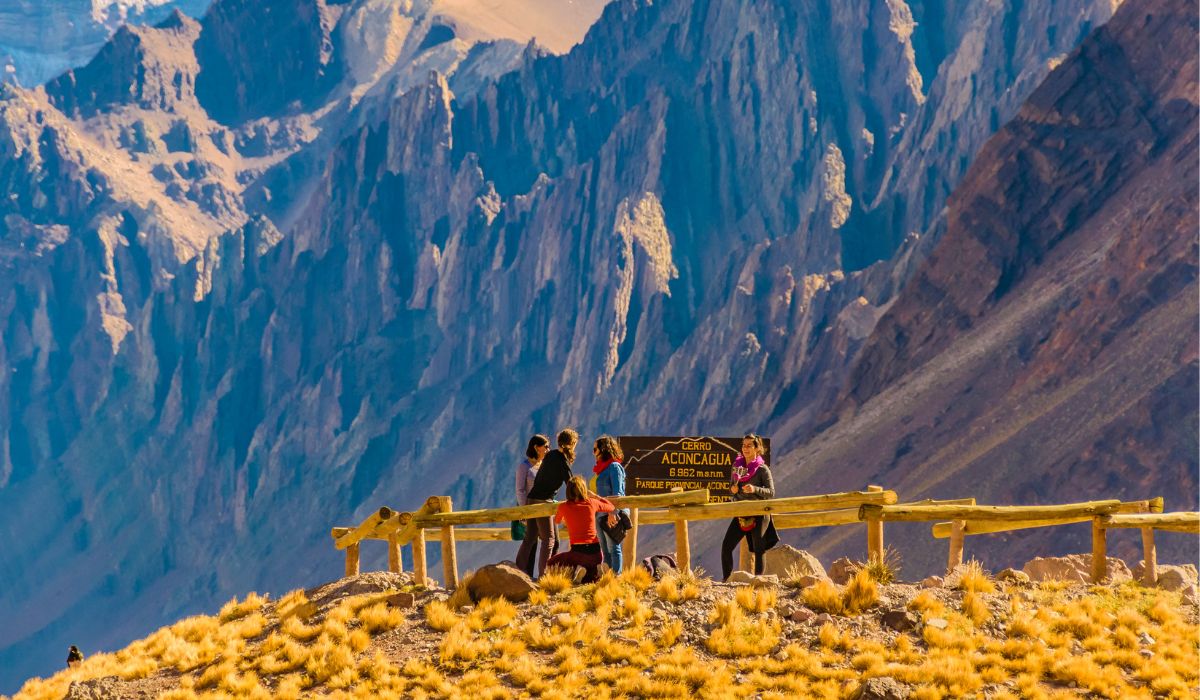
There are also family trails such as the Laguna de Horcones in the Aconcagua Provincial Park, where you can see the highest mountain in the Americas. And for experts, the Cerro Camello Sur ends with incredible views of the Potrerillos reservoir.

If you want to choose your best route, we recommend visiting our article on the best trekking trails in Mendoza.
Go on a rafting adventure

In Mendoza, you can go rafting all year long, but if there is a special season, it’s spring. The rivers fed by the Andes snowmelt offer rapids of different levels, from calm ones for beginners to others for those who seek pure excitement.

One of the recommended places is Potrerillos, 70 km from the city of Mendoza, with companies like Potrerillos Explorer or Argentina Rafting Expedition that organize half-day descents through class II to IV rapids.

Don’t forget that for a safe experience, it must be done with an authorized provider and guide.

Reach a field of volcanoes

If you are looking for different landscapes in Mendoza in spring, then our recommendation is to drive to Malargüe, about 300 km south of the capital. It is a little-known destination but one that has one of the most incredible landscapes in the country: a reserve with more than 800 inactive volcanoes: La Payunia.

The gray, ochre, and red colors surprise any visitor. To visit this place, you must book a tour in Malargüe in advance. It lasts the whole day, but it is not very physically demanding. It includes lunch and a guide.

On the way to Malargüe, you can make a stop at Las Leñas. Although the snow has already melted, there are several interesting points to visit. El Sosneado, Pozo de las Ánimas, and Valle Hermoso are some of the surprising spots
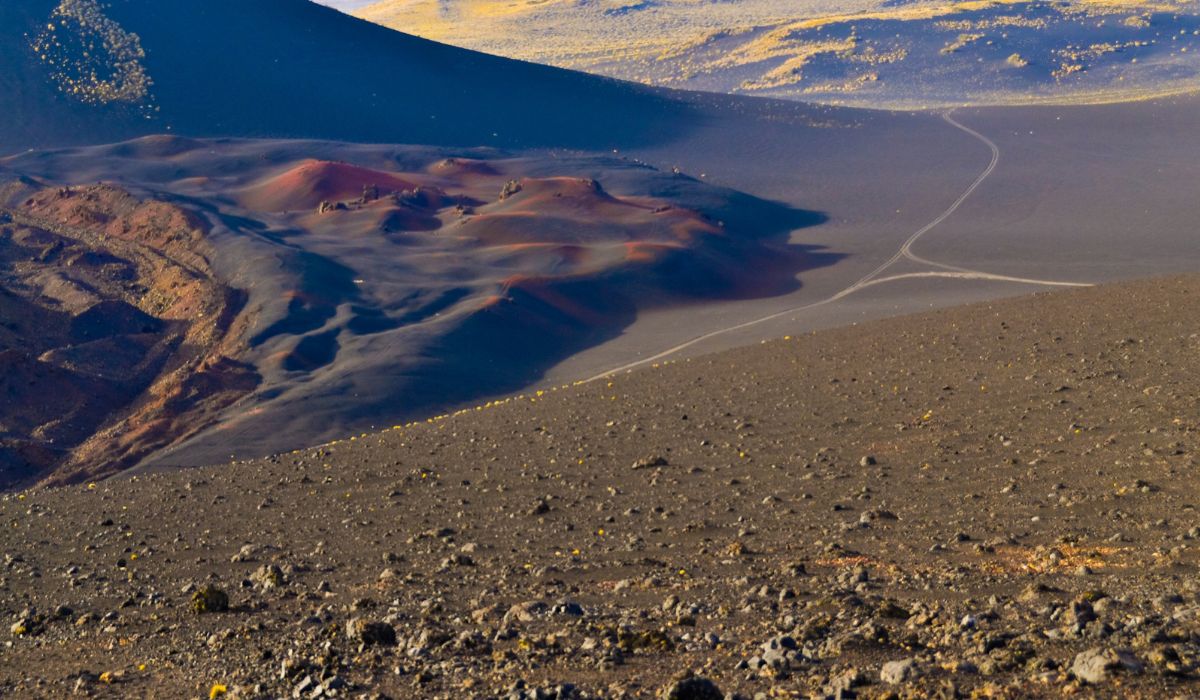
La Payunia

Relax and enjoy hot springs in Cacheuta

It’s time to relax and recharge energy. Among the mountains, on the banks of the Mendoza River, is Cacheuta, one of the most famous hot springs in Argentina. Its mineral-rich waters can be enjoyed all year round and provide true relief for body and mind. The complex has a hotel, restaurants, a small market, and several entertainment options.

If you dare to explore the historic Cacheuta station, you will discover a suspension bridge over the river offering unique views of the landscape.

From Potrerillos, the access is through a tunnel on RP 82, and then a road along the lake guides you to this thermal oasis nestled in the mountains. It is one of the must-do experiences in Mendoza in spring.

A high mountain experience by car

For those who enjoy driving through beautiful scenic roads, this is the destination to choose. Along National Route 7, starting from Uspallata, you’ll cross the beautiful road leading to Puente del Inca and the Aconcagua Provincial Park. If you continue, you will reach Las Cuevas and the road to Cristo Redentor.

People with mountain driving experience will have no problem, but if you are new to it, don’t miss the chance to take your first steps on these roads. Driving slowly, in low gears, and paying attention, everything is possible.

The Provincial Route 52 is another option to drive through the mountains, though in this case, it is gravel. It is popularly known as the Road of the Snails because of its curves and switchbacks crossing part of the Villavicencio Natural Reserve. There are several viewpoints to stop at. From Uspallata to the old Villavicencio Hotel, it is 55 km. The gravel road is in good condition. Don’t miss visiting Villavicencio Park!
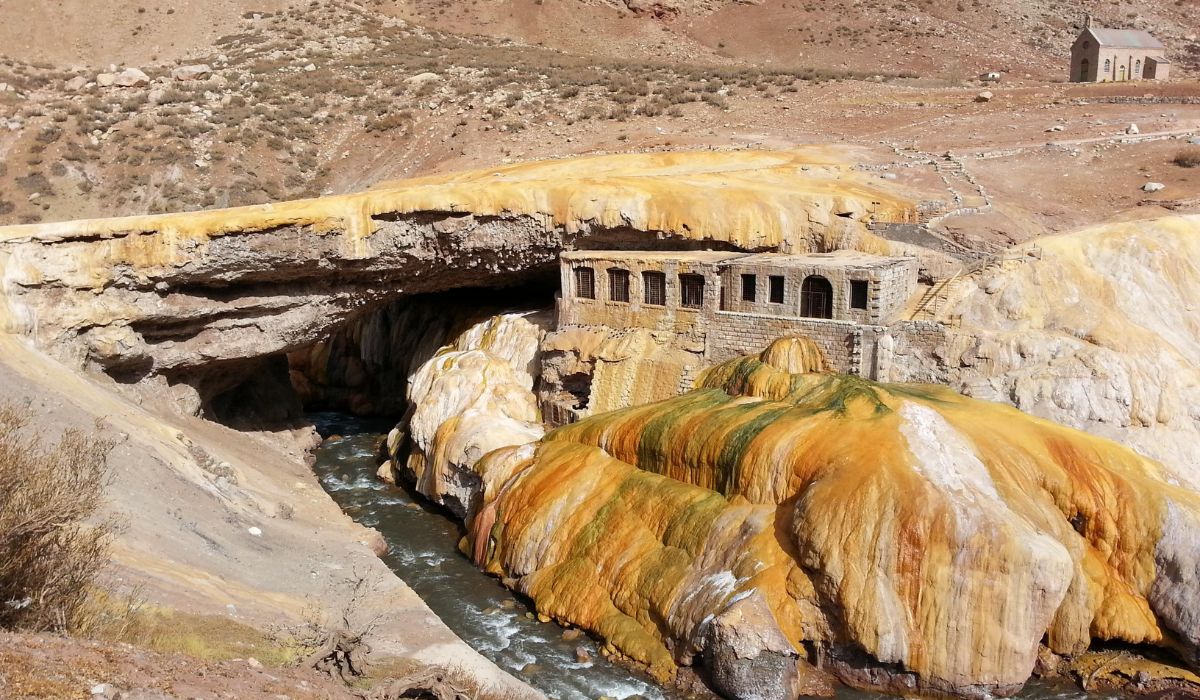
El puente del Inca

San Rafael, an affordable destination with everything

Just a little over 230 km from the city of Mendoza lies one of the province’s most sought-after destinations: San Rafael. Nature and tranquility are what make this destination popular, but its affordability also allows you to enjoy it fully without spending too much. As many say, San Rafael offers the three Bs: good, beautiful, and budget-friendly.

The tour through the Atuel Canyon is one of the must-sees, but you’ll also find wineries with well-known wines, such as Bianchi winery. Its natural attractions, like Valle Grande Dam, and unique activities like rafting on the Atuel River, make San Rafael meet all expectations.

We recommend staying at least two or three days. You will find a wide range of accommodation options for every budget.

Tour wineries and enjoy the best wines (and gastronomy)

We left this for last because it is what makes this province unique: enjoying an experience that combines wine with unique landscapes. Everything begins by choosing some (or several) of the best wineries in the world to enjoy something unforgettable in Mendoza in spring.

Here are our favorite options:

  • Zuccardi (Uco Valley, Paraje Altamira) is a winery of constant innovation, combined with high-altitude vineyards. Each glass is pure experimentation and respect for the land.
  • Catena Zapata (Luján de Cuyo) is known for pioneering work with high-altitude vineyards. Its wines tell stories of mountain, rock, and altitude.
  • Salentein (Tunuyán, Uco Valley) stands out for its impressive architecture, crossed by galleries overlooking the Andes. We recommend having a glass there because you will feel like you’re in another world.
  • Bianchi (San Rafael and Uco Valley) has built its legacy since 1928, with sparkling wines and elegant varietals that keep its history alive.
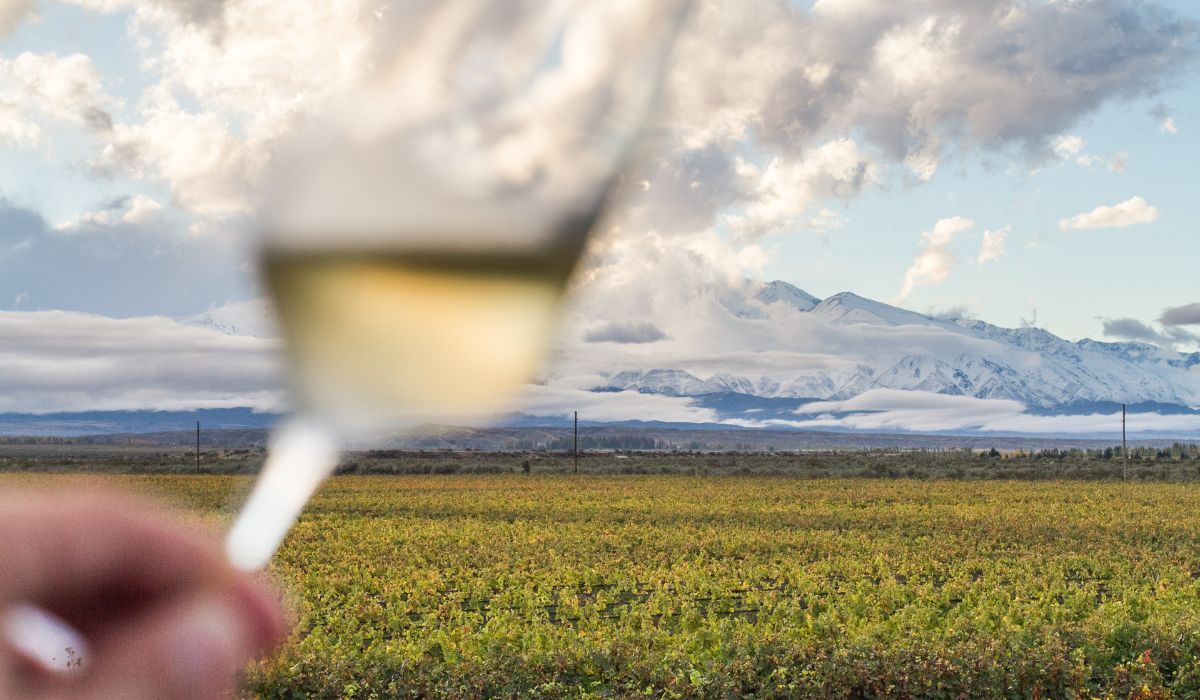
Un buen vino mendocino

What’s the best way to explore Mendoza in spring?

Mendoza is a perfect destination to explore by car. Rent one, and you can start discovering the province at your own pace and time.

Where to begin? We recommend first exploring the city of Mendoza, Uspallata, and Potrerillos, then heading down National Route 40 to reach Uco Valley. If you have more days, continue on to Malargüe.

Another option is to go from Mendoza to San Rafael.

How many days are needed to visit Mendoza?

To travel to Mendoza in spring, you need at least 4 days. Of course, it depends on what you want to see and the activities you want to do. Our recommendation is to take at least 10 days to combine the classic Mendoza highlights, such as the mountains near the capital, with hidden gems like La Payunia.

Tips to enjoy your trip to Mendoza in spring

You can imagine that enjoying Mendoza in spring is simple. A destination that has it all needs nothing more than your desire to have a good time.

Still, here are some extra tips to make your experience unforgettable:

  • Take advantage of the pleasant weather: spring brings ideal temperatures to tour vineyards and enjoy outdoor activities.
  • Tour wineries and vineyards: it may be the perfect season to taste wines while enjoying blooming landscapes.
  • Explore nature: visit natural reserves, mountain trails, and rivers.
  • Enjoy local gastronomy: try fresh seasonal dishes in restaurants and outdoor markets. Don’t forget that there are several Michelin-starred restaurants in Mendoza.
  • Bring clothes for all weathers: although temperatures are pleasant, nights can get cold, especially in the high mountains.

Travel with Rentennials and enjoy Mendoza in spring

Mendoza is one of the ideal provinces to visit in spring. Mountains, rafting, landscapes, relaxation, wines. And, as you’ve read, the list doesn’t end there. A plane ticket, renting a car, and starting to explore the Cuyo province.

We always say the same thing: the best way to get to know a place is your way, without depending on others, choosing what you want to do. That’s why, at Rentennials, we make the whole process easier so you can rent a car and explore one of the most beautiful provinces in the country as you wish.

[:es]

We are Rentennials

Rentennials is the new way to rent cars from local hosts in your city, quickly, easily, and affordably. It's also your new path to starting your own car rental business and making money every month.
Discover more.

Aplicación móvil

Download our App

Share this

[:]
Jujuy en primavera

The 5 best destinations to travel in Spring in Argentina

Choosing one of the destinations to travel in spring in Argentina is one of those doubts that is sometimes hard to decide. Sea, mountains, jungle, lakes, rivers. Maybe the problem is that we find ourselves with an immensity and beauty that is hard to find anywhere else in the world. There is so much to see, feel, and experience that we don’t know where to start.

For many, it is the best season to travel around our country, and it’s probably true. The colors reappear, the flora blooms again, and temperatures become friendlier. And each place has its magic: the Jujuy and Salta yungas, the spectacular Iguazú Falls, spring in Bariloche, the San Juan mountain range, and Entre Ríos with its rivers. And this is just the beginning.

At Rentennials we want to help you choose your next getaway for this spring. That’s why we present 5 destinations that are our favorites so you can discover the best of our country.

Why travel in spring through Argentina?

The spring months are the best times to travel through Argentina. Winter holidays are over, and the crowds in some places disappear. In addition, temperatures become friendlier even in the southernmost areas. But there’s something that makes the difference: the colors of the landscapes are reborn with a new splendor.

El Palmar, un destino para viajar en Primavera por Argentina

@visitargentina

How to choose one of the destinations to travel in spring?

To make the most of your trip, first think about what kind of experience you are looking for: Do you want to enjoy nature in full bloom? Are you more interested in culture and gastronomy? Or do you prefer outdoor activities like trekking, wildlife watching, or relaxed excursions?

Another thing to consider is the length of the trip and who you are traveling with. For example, some places may have excursions that are a bit more physically demanding, while others are ideal for all audiences.

Choosing the right destination to travel in spring through Argentina is the key to having the experience you’re looking for.

What destinations are the best to travel in spring?

Every traveler looks for something different in a destination. If you want to walk through the jungle without so many people, Jujuy is your place. For those who want to stay relatively close to Buenos Aires, Entre Ríos. For a unique experience in the mountains, San Juan and Barreal. Lakes and mountains: Bariloche. Each place has its magic, but they all have something in common — nature and disconnection.

Now yes: the 5 best destinations to travel in spring in Argentina

Choosing one destination over another was not easy, but we tried to make sure that most regions of the country were represented.

What was our selection criteria? That they are suitable for the whole family, easy to access, and have all the amenities for tourists.

Below we leave you all the info for each destination and, of course, there is much more to choose from.

The Jujuy and Salta Yungas

For those who like the jungle and getting closer to a very different landscape, northern Argentina has the not-so-well-known yungas. This is a very diverse ecosystem that houses hundreds of animals and abundant flora. This environment is found both in Salta and Jujuy, but there are some places where you can truly experience this region.

In the province of Salta is the Quebrada de San Lorenzo, just 10 kilometers from the capital. There is the Reserva Municipal Yungas de San Lorenzo, which has some walking trails (suitable for all audiences) that allow you to get up close to this beautiful ecosystem.

To the north, in the province of Jujuy, lies the beautiful Calilegua National Park, which is very close to the capital. The nearest city (where you can stay overnight) is Libertador General San Martín. The park has some trails with a certain level of difficulty, but the best part is that it is a little-visited place. This allows you to appreciate the sounds of nature in their purest form.

A recommendation? Combine the Salta and Jujuy yungas over about 4 days, and if you have more time, take a tour through the Quebrada de Humahuaca. With all this, you have one of the best destinations to travel in spring.

Las yungas jujeñas

Barreal in San Juan

A unique place to get closer to the universe — and we’re not speaking metaphorically. In Barreal, about 210 km from the city of San Juan and about 380 km from the city of Mendoza, you will find one of the best skies for stargazing, and therefore, one of the best destinations to travel in spring in Argentina.

At the foot of the mountains lies the El Leoncito National Park, guardian of the darkest, starriest nights. There are two observatories there: CASLEO — belonging to CONICET — and Félix Aguilar of the National University of San Juan. Both offer nighttime experiences guided by experts. Important: book in advance through their websites.

That’s not all. In Barreal, you can also do land sailing in Pampa El Leoncito (practically in front of the National Park), horseback riding, treks such as the Turquesa stream, and wine tasting. And of course, relax while gazing at the imposing mountains, whose peaks remain snow-capped even in these seasons.

How to get to Barreal? The best option is to rent a car in San Juan or Mendoza and start your journey. A note: from Mendoza, the recommended route is via National Route 40. Google Maps may suggest RN 149, but a long stretch is practically sand (only suitable for 4×4).

The Misiones Jungle

We say Misiones Jungle and not just Iguazú Falls because Misiones has much more to offer. The good thing is that everything is close together, with excellent and beautiful roads. Rivers, spectacular waterfalls, and an incredible jungle await you in one of the best destinations to travel in spring in Argentina.

Your trip can start in Posadas or in Puerto Iguazú. Fly into either of these cities, rent a car, and plan an itinerary to include some of the destinations you like the most. If you already know Iguazú, you can start in Posadas and venture into the central jungle of the province until you reach the incredible Moconá Falls.

To visit the Falls, we recommend you go beyond Iguazú National Park and explore the other side of the Misiones Jungle. Take National Route 101 and reach the Urugua-í Provincial Park to walk along its trails that are practically yours alone. Of course, you’ll dedicate the previous days entirely to the Falls.

A recommendation: travel for at least a week so you don’t just stick with the beautiful Iguazú Falls.

@visitargentina

El Palmar National Park and Colón

Very close to the Autonomous City of Buenos Aires (just 350 km away) is the El Palmar National Park, one of the most visited and recognized in the country. Palm groves, rivers, and trails where you can spot birds and numerous capybaras (and many more animals) are just some of its attractions.

The ideal is to camp in the National Park, which has a beautiful and very complete campsite. But if you prefer more comfort, opposite is La Aurora del Palmar, a private nature reserve with lodging.

In the El Palmar National Park there are some beaches that, during springtime, are open to the public. You can also walk trails, kayak on the Uruguay River, and learn about the region’s history because inside the park there are remains of Jesuit Missions.

The attractions don’t stop there. The city of Colón, very close to El Palmar, has hot springs and beaches. In addition, a few kilometers away is the town of San José, an interesting place for rural tourism. And finally, don’t miss Pueblo Liebig, an open-air museum built exclusively for a meatpacking plant in the early 20th century and today preserving part of the past.

A tip: in Villa Elisa — just minutes from Colón — there are hot springs perfect for relaxing with all the amenities.

Bariloche and the Route of the 7 Lakes

We arrive in Patagonia and one of the most beautiful cities in the country: Bariloche. After the snowfalls and cold days come the thaw and the blooming of the forest, which is why we chose it as one of the best destinations to travel in spring in Argentina. As we know, there’s plenty to do in Bariloche, so here we tell you some must-sees you can’t miss.

To make your Bariloche itinerary easier, here’s a small list of what you must do:

  • Tour the Circuito Chico
  • Go up Cerro Campanario or Cerro Otto (or both if you want)
  • Go to Cerro Tronador via the Pampa Linda route
  • Have a hot chocolate or coffee at one of the most famous places
  • Visit Isla Victoria and the Arrayanes National Park
  • Discover some of Bariloche’s hidden gems

One plan you can’t miss: a tour along the Route of the 7 Lakes. Take your time and stop to enjoy each lake (and if you can, stay in a campsite or cabin along the way).

Bariloche en primavera

How to explore each of the destinations?

The best way to explore each of the best destinations to travel in spring is by car. Start by renting one in one of the main cities and plan your trip to get to know each place in depth.

Tips to make the most of your spring trip

  • Plan the trip in advance. Some spring weeks can be more crowded, so book accommodations and some excursions a few weeks ahead.
  • Bring comfortable clothes and warm layers. While spring weather can be pleasant, it can vary greatly during the day. Bring clothes for both cold and warm temperatures.
  • Enjoy the longer days. Spring has more daylight hours, ideal for touring and walking at a relaxed pace.
  • Use sunscreen and a hat. Even if the weather is cool, the sun can be strong. Use sunscreen, sunglasses, and a hat to avoid sunburn.
  • Enjoy the gastronomy. No trip is complete without a moment to savor regional dishes. Indulge in local flavors and try new tastes.

Rent a car and experience Argentina in spring

Have you already decided where to travel in spring in Argentina? One thing is clear: whichever destination you choose, your trip will be unforgettable. Mountains, lakes, jungle, rivers — a country that has it all and is worth exploring.

Renting a car with Rentennials is the first step to start touring each of the destinations we told you about. Then all that’s left is to plan your trip and make the most of every moment. No matter how many days your getaway lasts, each place will give you exactly what you’re looking for.

[:es]

We are Rentennials

Rentennials is the new way to rent cars from local hosts in your city, quickly, easily, and affordably. It's also your new path to starting your own car rental business and making money every month.
Discover more.

Aplicación móvil

Download our App

Share this

[:]
Pista de esquí en Las Leñas

Find out where to ski in Mendoza this winter and experience the snow

One day you’re having lunch at one of the best wineries in the world, and the next you’re getting ready to ski in Mendoza. These are the things that make Mendoza a unique destination and the perfect place to spend unforgettable days. All you need to do is rent a car and start exploring the province to enjoy everything it has to offer.

The most famous ski resort in the province —and one of the best in Argentina— is located in the Las Leñas Valley, a perfect destination. Whether you’re experienced in winter sports or taking your first steps, you’ll find everything you need here for skiing or snowboarding.

At Rentennials, we share everything you need to know to go skiing in Mendoza — from where to stay, how much you’ll spend, the best way to get to Las Leñas, and much more.

Keep reading and get your ski gear ready!

Pista de esquí en Las Leñas

Where to Ski in Mendoza

The Valle de Las Leñas ski resort is the place thousands of people choose every year to enjoy the snow in Mendoza. It’s located about 80 km from Malargüe, the nearest city to the resort. From the city of Mendoza, it’s 342 km south via National Route 40.

Previously, the Vallecitos and Penitentes ski resorts were also in operation, very close to the capital city. However, today they have been converted into snow recreation areas without ski or snowboard activities.

The Las Leñas Ski Resort

Las Leñas is one of the ski resorts with unmatched scenery. Nestled in the heart of the Andes Mountains at almost 2,300 meters above sea level, it guarantees exceptional snow quality and quantity. And as you glide down the slopes, you’re surrounded by mountains that create an unforgettable scene.

It has hotels at the foot of the slopes, 14 ski lifts, restaurants, and all the services needed to fully enjoy skiing and snowboarding. Plus, there are bars and nightlife options for those who want to combine sports with entertainment.

The quality of its infrastructure and easy access make Las Leñas a favorite choice for skiing in Mendoza.

Ski Slopes in Las Leñas

With 30 ski slopes, Las Leñas offers a wide range of options for all levels. If you don’t know how to ski, you can take a class and start on the beginner slopes.

For those with some prior experience but who aren’t ready for a big challenge yet, the intermediate slopes are perfect. But if you’re an expert looking for adrenaline, then head straight to the advanced or expert trails.

You can check out the full Las Leñas slope map here.

Las Leñas Snow Parks

Not everyone wants or knows how to ski. Or maybe you’re traveling with children who are looking for other ways to have fun while getting into their ski gear. For them, there are the Snow Park, Kids Park, and Adventure Park. There, you can go snow tubing, sledding, snowshoe hiking, or take beginner ski lessons.

How to Get to Las Leñas

The best way to reach the Valle de Las Leñas ski resort is by renting a car in Mendoza and driving south. You need to take National Route 40 to the intersection with Provincial Route 222. From there, turn right and continue for a few more kilometers. The total drive is 342 km on a paved road in good condition.

Click here to see how to get to Las Leñas by car.

Where to Stay When Skiing in Mendoza

To ski in Mendoza, the best option is to stay right in the accommodations available inside the Las Leñas Valley. There are several hotels, aparthotels, and hostels that allow easy access to the slopes. You just need to walk with your gear (or use shuttle services offered by some hotels) and hit the slopes.

Another, more affordable option is to stay in the city of Malargüe. Keep in mind that you’ll need to drive 80 km each way (160 km round trip) daily. So factor in fuel costs and travel time when planning your ski itinerary in Mendoza.

Hotel Piscis en Las Leñas

laslenas.com

Accommodation in Las Leñas

These are some lodging options in Las Leñas. Most of them include restaurants and ski storage areas:

  • Hotel Piscis. The most exclusive hotel in Las Leñas. It has a spa, fine dining, and over 90 rooms with incredible views.
  • Hotel Acuario. Ideal for couples. A relaxed atmosphere with lots of privacy.
  • Hotel Aries. Perfect for families and friends, just meters from one of the most popular ski slopes.
  • Hotel Escorpio. A simple and affordable choice to enjoy the mountain.
  • Hotel Virgo. A stylish, modern hotel with a cutting-edge proposal.
  • Hostel Las Leñas. The top pick for young travelers. Close to restaurants and nightlife in the ski resort.
  • Departamentos y Aparts. Apartments and Apart Hotels: A great option for families and groups of friends.

Accommodation in Malargüe

80 km from Las Leñas, you can stay in some hotels in Malargüe:

How Much Does It Cost to Ski in Mendoza

The cost of skiing in Las Leñas depends on the time of season, the number of days you’ll be on the slopes, where you stay, and whether you bring your own gear, among other factors.

As a general reference, a week of skiing in Las Leñas for an adult costs at least 1,500 USD.

Esquiadores en Las Leñas

Daily Pass Prices

Pass prices in Las Leñas vary depending on the season, number of days, and whether it’s for an adult or a child (ages 6 to 11). Here are some adult price references (children pay less):

  • One day in low season: 100 USD
  • One day in high season: 150 USD
  • Three days in low season: 280 USD
  • Three days in high season: 405 USD
  • One week in low season: 540 USD
  • One week in high season: 780 USD

You can check all ticket prices at this link.

Where to Rent Ski Equipment and How Much It Costs

Inside Las Leñas Valley, you’ll find several ski rental spots for renting ski or snowboard equipment. There are special offers for families or for those staying three days, a week, or two weeks.

When Is the Best Time to Ski in Mendoza

The ski season in Las Leñas Valley starts in June and ends in early September. Depending on the weather, it may be extended by a few weeks.

Like any trip, choosing the right week to ski in Mendoza is key. A one-day change can significantly impact the cost.

Choosing Between High or Low Season

High season is during July and early August. During these months, both passes and accommodation are more expensive. And of course, there are more people.

There are also “special” weeks considered as mid-season, which offer lower prices compared to peak season. These usually occur before or after the busiest weeks of July. Additionally, the first days of the ski resort opening, or just before it closes, are the cheapest — known as “low season.”

Las Leñas de noche

@laslenasresort

Weather and Snow Conditions in Winter

As with all ski resorts, the weather can change quickly. Most days are sunny, and others are overcast. Occasionally, a strong snowstorm with wind may hit. If that happens, the slopes are closed until conditions improve.

In those cases, all hotels are prepared to offer alternative indoor activities. Just in case, you can always check the current slope status in Las Leñas here.

Tips for Driving in the Snow and Enjoying Skiing in Mendoza

  • Bring snow chains and install them as soon as there is ice or accumulated snow.
  • Maintain a moderate speed and avoid sudden braking or sharp turns.
  • Use low-beam headlights at all times, even during the day.
  • Check the weather forecast and road conditions before heading into the mountains.
  • Drive patiently and never overtake unless you’re 100% sure it’s safe.
  • Pay attention to signs and follow Gendarmerie instructions if needed.

 Rent a Car and Experience Winter in Mendoza

To fully enjoy the experience of skiing in Mendoza, the best option is to rent a car to move around easily and discover the province’s stunning landscapes. Don’t miss out on visiting other wineries and exploring the highlights of one of Argentina’s most beautiful destinations.

As we always say, renting a car with Rentennials is easy, simple, and affordable. It’s the best option to enjoy the snow in Mendoza with peace of mind. Mendoza’s winter is waiting for you!

[:es]

We are Rentennials

Rentennials is the new way to rent cars from local hosts in your city, quickly, easily, and affordably. It's also your new path to starting your own car rental business and making money every month.
Discover more.

Aplicación móvil

Download our App

Share this

[:]
Restaurantes estrella Michelin

The 5 Michelin-Starred Restaurants in Mendoza

Wineries, the Andes, snow, and in recent years, Michelin-starred restaurants in Mendoza. This province has it all. The excellence of its gastronomy has drawn the attention of the world’s most prestigious culinary guide. Today, it’s not just about enjoying top wines paired with local or signature dishes — you can live unique flavor experiences found nowhere else in the world.

In this article, you’ll discover the five Michelin-starred restaurants in Mendoza. Dining at these places is much more than a meal: it’s a complete culinary journey where the chefs take the region’s flavors to another level.

At Rentennials, we want you to enjoy the very best experiences in Argentina. Get ready for an unforgettable journey for your palate.

Los platos del Restaurante Azafrán

Fotos de @azafranresto

What Is the Michelin Guide?

The Michelin Guide was born in France in 1900 as a tool for those who dared to travel. Created by the Michelin tire company, it recommended routes, accommodations, and restaurants for travelers exploring the country by car. Just imagine what it was like to venture down dirt roads, with few service stations and a car industry that was just beginning. The guide was essential for many.

Over time, it evolved into the world’s leading authority on gastronomy. Today, it awards stars to restaurants offering exceptional culinary experiences, where dishes must combine quality, creativity, and technique.

We had to wait until 2024 for the Michelin Guide to recognize restaurants in Mendoza and Buenos Aires.

How Is a Restaurant Chosen to Receive a Michelin Star?

First, certain restaurants are selected to be evaluated by Michelin inspectors. These evaluations are done anonymously, so no one knows when a Michelin inspector is dining.

Five criteria are considered: quality of ingredients, mastery of culinary techniques, harmony of flavors, the chef’s personality reflected in the dishes, and consistency over time. The recognition is based solely on what is delivered on the plate and the complete experience offered to the guest.

Now you know all the effort Michelin-starred restaurants in Mendoza have gone through to make it onto this exclusive list.

The Michelin-Starred Restaurants in Mendoza

Mendoza is one of Argentina’s most celebrated culinary destinations. The combination of outstanding wines, local products, stunning landscapes, and talented chefs turns every meal into an unforgettable experience.

Today, there are five Michelin-starred restaurants in Mendoza that celebrate the region’s flavors. Each has its own style and identity.

Here’s the list — and below, all the details about each one:

  • Azafrán
  • Brindillas
  • Zonda Cocina Paisaje
  • Riccitelli Bristó
  • Casa Vigil

Azafrán

Just a few blocks from Plaza Independencia, you’ll find a place that captures the true essence of Mendoza’s gastronomy: Azafrán. Led by chef Sebastián Weigandt, the concept focuses on high-quality local ingredients and a deep commitment to local producers. Mendoza provides the perfect setting to bring his vision to life.

Chef Weigandt offers two tasting menus celebrating Mendoza and Argentina: “Paseo por Mendoza” (six courses) and “Paseo por Argentina” (ten courses). Vegetables and goat are key ingredients in the dishes. There’s also a lighter option called “Pequeño Paseo,” featuring three courses. Each experience is paired perfectly with Mendoza’s finest wines.

Brindillas

In Vistalba, Luján de Cuyo, you’ll find Brindillas, a hidden gem created by chef Mariano Gallego. Tucked away from the usual tourist routes, the location feels like a secret waiting to be discovered. The cuisine, service, and overall experience are simply impeccable.

Chef Mariano Gallego blends technique honed abroad with creativity and a strong respect for local ingredients. His tasting menu, available in a short or long version, features dishes like roasted eggplant with romesco and anchovy cubes, grilled beef with pepper and sweet potato, and confit peach with amaretto, mascarpone foam, and homemade almond ice cream — all paired with excellent wines from their cellar.

  • Reservations
  • Address: Guardia Vieja 2898, Luján de Cuyo
  • Price without wine pairing: from USD 85 per person
  • Price with wine pairing: from USD 160 per person

Zonda Cocina de Paisaje

At Bodega Lagarde, you’ll find another of Mendoza’s Michelin-starred restaurants: Zonda Cocina de Paisaje. Located in Luján de Cuyo, the restaurant’s philosophy centers around using ingredients from their own organic garden. There’s nothing quite like tasting dishes made with produce grown just steps away — from tomatoes to aromatic herbs, all harvested on-site. Their DOC Malbec wines pair perfectly with the menu.

Zonda pays homage to Cuyan cuisine, blending authentic flavors with high-end techniques. Diners can choose from several tasting menus: Experiencia Paisaje, Experiencia Zonda, Pacha, Cuyano, and Gilanco — each one paired with exceptional wines from the bodega.

  • Reservations
  • Address: San Martín 1745, Bodega Lagarde
  • Price with wine pairing: from USD 140 per person
Restaurante estrella Michelin en Mendoza. Zonda Cocina Paisaje

Fotos de @zonda.lagarde

Riccitelli Bistró

Amidst the vineyards of Luján de Cuyo, Bodega Matías Riccitelli Wines created something different: a restaurant built using recycled materials, fully integrated with the natural landscape. This combination of wine, cuisine, and sustainability makes for a truly unique experience.

Chef Juan Ventureyra presents his dishes either indoors or on the terrace, offering two tasting menus that showcase authentic regional cuisine. There’s also a shorter four-course option. Vegetables take center stage in most of the creations, highlighting the freshness and vibrancy of local produce.

  • Reservations
  • Address: Callejón de La Reta 750
  • Price without wine pairing: from USD 90 per person
  • Price with wine pairing: from USD 150 per person

Casa Vigil

In the heart of Chachingo lies Casa Vigil, the dream project of renowned winemaker Alejandro Vigil. After achieving the first-ever 100-point Parker ratings for two Argentine wines, Vigil turned his focus to gastronomy. His vision brought Casa Vigil into the Michelin-starred list of Mendoza. Inspired by Dante’s Divine Comedy, the restaurant offers a symbolic journey through flavors and emotions.

Guests start with a stroll through the vineyards before settling into rustic yet elegant dining rooms, where they can enjoy terroir-driven dishes offered either in a midday executive menu or two extensive tasting menus at night.

  • Reservations
  • Address: Videla Aranda 7008
  • Price with wine pairing: from USD 120 per person
Caasa Vigil, el disfrute de la gastronomía en un restaurante estrella Michelin

Fotos de @casavigil

Tips for Enjoying the Michelin-Starred Restaurant Experience in Mendoza

Dining at a Michelin-starred restaurant in Mendoza isn’t just about tasting some of the best food in the country — it’s a complete sensory experience from the moment you walk in to the moment you leave. Everything is designed to transport you through regional flavors and Argentina’s finest wines.

Here are a few tips to make the most of your experience:

  • Book in advance. Tables are limited and demand is high, especially during holidays and long weekends.
  • Take your time. It’s not just about eating — it’s about fully experiencing something rare and authentic.
  • Trust the tasting menu. It’s the best way to explore the chef’s full vision and creativity.
  • Let them guide your wine pairing. The restaurants work with top wineries to perfectly complement each dish.
  • Be open to new flavors. You’ll discover ingredients and combinations you may have never tried before — and that’s part of the magic.

Rent a Car and Enjoy Mendoza’s Gastronomy

The best way to explore Mendoza’s Michelin-starred restaurants is by renting a car. It gives you the freedom to move easily between wineries, restaurants, and hidden gems scattered across the province.

Renting a car with Rentennials is easy, simple, and affordable. Mendoza is waiting for you!

[:es]

We are Rentennials

Rentennials is the new way to rent cars from local hosts in your city, quickly, easily, and affordably. It's also your new path to starting your own car rental business and making money every month.
Discover more.

Aplicación móvil

Download our App

Share this

[:]
Rentennials sustentable

The P2P Carsharing Revolution 🌍

A sustainable option 🌱

🌱 Why is Rentennials Sustainable? 🚗

Car sharing 🚘 is a shared mobility model that allows users to rent vehicles without the need to own a car. This model transforms the way we move, offering a more affordable, flexible, and sustainable alternative to traditional private vehicle use. At Rentennials, we firmly believe that this transportation model has a positive impact both for users and for the planet. Here’s why:

🔑 A car on the street, but with efficient use

In Latin America, a car is parked for an average of 95% of the time ⏳, meaning that most cars on the streets are inactive, taking up space and resources. With the P2P car sharing model, the idea is to maximize the use of each vehicle, making it available to those who really need it. By doing this, we reduce the number of unnecessary cars on the road, and therefore, we decrease traffic and the production of new vehicles 🚙.

🚦 Reducing traffic and vehicles on the streets

According to a Forbes study, for every P2P car sharing vehicle on the road, up to 10 additional cars are removed from the streets 🚗❌. This results in less congestion, less pollution, and more efficient public space 🌍. At Rentennials, we not only optimize the use of existing cars, but we also contribute to a cleaner, less congested urban model.

💸 Sustainability doesn’t have to be expensive

There is a common misconception that sustainability has to be more expensive. At Rentennials, we prove this is not true. Not only do we offer a wide variety of vehicles at affordable prices, but by not having a traditional structure like car rental companies 🏢, we can significantly reduce costs. This allows us to offer much more competitive prices, even more affordable than buying a car! 💰

⚡ The flexibility and economy of the P2P car sharing model

By renting a vehicle through P2P car sharing, our users gain access to a more flexible, broader, and cost-effective option. There’s no need to purchase a car for personal use, which comes with not only a high initial cost but also ongoing expenses for maintenance, insurance, taxes, etc. Instead, with Rentennials, you can rent a vehicle only when you need it, saving money 💵 while using a resource already on the street, in a more efficient and sustainable way.

🌍 Conclusion: The future of transportation is shared

At Rentennials, we are convinced that the future of urban transportation lies in more efficient and sustainable mobility models 🚀. By promoting P2P car sharing, we not only help reduce the number of cars on the streets but also offer an affordable alternative to car ownership. Car sharing is not just a more eco-friendly 🌱 option, but also a smarter choice for those looking to optimize their spending and contribute to a more sustainable world.

Join Rentennials and be part of this change towards a sustainable future! 🌱💚
Rent a vehicle with the coupon ECOREN

[:es]

We are Rentennials

Rentennials is the new way to rent cars from local hosts in your city, quickly, easily, and affordably. It's also your new path to starting your own car rental business and making money every month.
Discover more.

Aplicación móvil

Download our App

Share this

[:]
Programa de Partners

Join Rentennials’ Partners Program

🚗💸 Earn Extra Income by Recommending Rentennials to Your Tourists

Are you an accommodation host? 🏡 Do you have an Airbnb, work in hospitality 🍽️, or are you in contact with tourists every day or an influencer? 🌍

If your answer is yes, this will interest you: now you can add a new source of income 💰 simply by recommending a service that your visitors already need — peer-to-peer car rentals! 🚘🤝

What is the Rentennials Partners Program?

Rentennials offers a Partners Program designed specifically for you: people who are in direct contact with travelers and tourists. Whether you’re an influencer, accommodation owner, waiter, tour guide, or simply someone with access to the traveling public, you can start earning money by recommending our peer-to-peer vehicle rental service.

How does it work?

The process is simple and straightforward:

  1. Contact our marketing team
  2. We’ll create a personalized discount coupon in your name.
  3. Every time a tourist uses your coupon, you earn a commission and the tourist receives a benefit.
  4. This commission is net for you, with no intermediaries.

All you need to do is share your coupon with your contacts, in your accommodation, on social media, or wherever you like.

Why join?

  • ✅ Generate passive income
  • ✅ Offer added value to your tourists
  • ✅ No investment or complications required
  • ✅ It’s quick, transparent, and everything is tracked

Want to get started today?

Message us through this link ⇨ marketing team and we’ll activate your coupon in minutes.

Join the Rentennials Partners community and start earning while helping travelers get around the city better 🎉

[:es]

We are Rentennials

Rentennials is the new way to rent cars from local hosts in your city, quickly, easily, and affordably. It's also your new path to starting your own car rental business and making money every month.
Discover more.

Aplicación móvil

Download our App

Share this

[:]
Aplicacion de estacionamiento medido en Mendoza

New metered parking system in Mendoza: How does it work?

In the city of Mendoza, drivers are starting to experience a new way of managing parking in some of its busiest streets. This digital metered parking system aims to optimize the use of public space and, more importantly, reduce traffic chaos in key areas of the city.

At Rentennials, we’ll walk you through how this new system works — and how it might affect your car rental experience in Mendoza.
Metered parking in Mendoza

🅿️ What Is Mendoza’s New Digital Metered Parking System?

This new system, implemented in certain areas of Mendoza, represents a step toward more modern and practical management of public parking.

Unlike the old paper card method (where you had to place a card on your dashboard), everything is now handled through a mobile app.

For those who don’t use smartphones, there are still authorized sales points where you can pay traditionally.

📍 Where Is This System Being Used?

Currently, the system is being tested in key areas such as Arístides Villanueva, Juan B. Justo, Belgrano, Sarmiento, and Tiburcio Benegas — all known for high traffic flow.

If the pilot is successful, it will be rolled out to more areas across Mendoza.

📲 How Does the App Work?

To use the system, drivers must download the SEM Mendoza app. QR codes to access the app are posted on signs in the designated zones.

Once installed, the steps are simple:

1. Register:

Sign up with your phone number, email, and mobile carrier.

Android – Play Store

iOS – App Store 
Application for metered parking in the city of Mendoza.

2. Enter Vehicle Info:

Add the license plate number of the car you’re parking.

3. Start Parking Session:

Select the “start parking” option and enter the time you’ll need.

4. Payment:

Pay in advance through the app or at an authorized sales point.

Everything is digital — no more machines or paper tickets — and your session must be paid before parking.

✅ Key Benefits of the New System

Convenience: Manage your parking through the app — no need for cash or finding a parking attendant.

Flexibility: Don’t have the app? You can still pay at physical locations.

Reminders: The app notifies you when your time is about to expire so you can extend it.

Efficiency: Helps organize parking and can expand to more areas if successful.

⏰ What Happens When Time Runs Out?

One great feature is flexibility. If your session is about to expire, you’ll receive a reminder to top it up.

If you don’t, you may receive a fine — just like with any traditional metered parking system.

👥 How Does This Affect Drivers?

Although the system offers many advantages — like convenience and speed — some users may initially struggle if they’re not tech-savvy.

However, the city has introduced a grace period (until March 31), during which the service is free. This gives everyone time to get used to it.

For regular drivers in these areas, the app will simplify payments and reduce parking stress. Plus, no more handling cash or paper tickets!

🌆 Why This Change Matters for Urban Mobility

Digital metered parking doesn’t just improve organization — it can positively impact overall mobility in the city.

Real-time tracking and payment reduce the time people spend looking for parking, which means less traffic congestion, more fluid movement, and a better urban experience.

In an age of smart cities, this is a big leap toward smarter, cleaner, and more efficient urban transportation.

🔮 What to Expect in the Future

If the Mendoza pilot is successful, it could expand across other cities in Argentina and Latin America.

This is part of a larger movement: the digitization of urban mobility, using tech to improve everyday life.

For drivers, adapting to this change might take some getting used to — but the benefits are worth it, especially with the system’s flexibility.

🏁 Conclusion

Mendoza’s new digital metered parking system is a major step forward in modernizing urban transport.

With easy payment options via app or in-person, the system offers an efficient, smart way to manage city parking — making life easier for drivers and creating a more organized and sustainable city.

Metered parking app in Mendoza
🚗 Rent with Rentennials

For the best local rental experience, we always recommend using Rentennials — the easiest, safest, and most affordable way to rent a car from local hosts.

👉 Book now at Rentennials.app

[:es]

We are Rentennials

Rentennials is the new way to rent cars from local hosts in your city, quickly, easily, and affordably. It's also your new path to starting your own car rental business and making money every month.
Discover more.

Aplicación móvil

Download our App

Share this

[:]

Discover Mendoza’s hidden gems and lesser-known spots.

Explore the hidden corners of Mendoza and live unique experiences.

Exploring Mendoza is like opening a box of surprises. Sometimes it feels like we’ve already seen it all, but there are still hidden corners waiting to be discovered. In Mendoza, you’ll always find its most famous attractions: the country’s top wineries, mountain treks through the Andes, and thrilling adventure experiences. But that’s not all — the best part is that Mendoza always has something more to reveal.

If you dare to go beyond Mendoza’s classics, you’ll find a lagoon surrounded by mountains, a salt flat near San Rafael, and even a reserve with inactive volcanoes. Argentina is vast and beautiful, and Mendoza is one of those provinces with a lesser-known “B side.”

At Rentennials we want you to explore Mendoza and Argentina your own way — discovering new places and reaching the hidden gems each destination has for you.

Laguna del Diamante, a unique landscape near San Carlos

A mirror-like body of water surrounded by mountains that makes the landscape breathtaking. For those who love sport fishing or wildlife and bird watching, Laguna del Diamante is the perfect destination. Its difficult access means few people make it there, making it one of Mendoza’s best-kept secrets.

Laguna del Diamante Nature Reserve

Laguna del Diamante is one of many protected natural areas in Mendoza created to preserve the environment. Located more than 3,000 meters above sea level, this body of water lies at the foot of the Maipo Volcano. The reserve protects diverse ecosystems, including Andean valleys and archaeological zones.

laguna del diamante mendoza

What to do at Laguna del Diamante

At Laguna del Diamante, you can enjoy outdoor activities surrounded by stunning mountains — from sport fishing and hiking along scenic trails to wildlife watching and even climbing the Maipo Volcano.

Can you camp at Laguna del Diamante?

Spending a few nights under the Andean stars is possible here. The reserve has designated camping areas on the western shore of the lagoon. Keep in mind there’s no potable water or supplies, so you’ll need to bring everything with you. If you plan to camp, make sure your tent and sleeping bag are suitable for low temperatures.

How to get to Laguna del Diamante in Mendoza

To reach Laguna del Diamante, take Provincial Route 98. From Mendoza City, drive along National Route 40 to Pareditas (the nearest town), then take the gravel road that leads to the reserve.

It’s highly recommended to go with a 4×4, as the road is rough and remote. Alternatively, you can book a guided tour.

During the winter season, access may be restricted due to weather conditions.

You can check the map to get to Laguna del Diamante from Mendoza City — it’s a total of 220 km.

La Payunia, near Malargüe

Few landscapes compare to this reserve full of inactive volcanoes — cone-shaped hills in gray, black, and reddish tones. The beauty of La Payunia Nature Reserve makes visiting it an unforgettable experience.

Getting to La Payunia isn’t difficult: just drive to Malargüe and from there take a full-day guided tour to the reserve.

payunia mendocina

What is La Payunia?

La Payunia Nature Reserve is a protected area in southern Mendoza, at the foothills of the Andes. It features more than 800 volcanic cones, lava flows, and black ash plains. The reserve hosts a rich ecosystem with guanacos, foxes, and various bird species.

Excursions to La Payunia

To explore the volcanoes of La Payunia, you’ll need a full-day 4×4 or truck tour. The route passes through inner reserve trails with several stops — first Pampa Negra, a vast dark plain formed by ancient eruptions; then the Morado Volcano, where you can hike to the crater; and finally La Herradura and Campo de Bombas.

The scenery is stunning: volcanic cones and a palette of copper, red, and black hues that leave a lasting impression.

How to get to Malargüe from Mendoza

From Mendoza to Malargüe it’s about 325 km along National Route 40 — around 4 hours without stops.

It’s best to stay overnight in Malargüe and visit La Payunia the following day.

Salinas El Diamante from San Rafael

Did you know Mendoza has salt flats? Very close to San Rafael, the Salinas El Diamante spread out across the horizon. It’s an ideal spot to spend half a day and explore one of Mendoza’s least-known natural attractions.

What are the Salinas del Diamante?

The Salinas del Diamante are vast plains formed by salt deposits created naturally thousands of years ago. Salt has been produced here since 1916 — and still is today.

Nowadays, it has become a tourist destination where visitors can learn about the salt production process up close.

What to do at Salinas del Diamante

You can walk across the salt flat and admire its unique landscape. On clear days, you can see the Andes Mountains on the horizon. After rainfall, the area often turns into a spectacular mirror of water.

You can also visit the Salt Museum to learn more about the extraction and production process.

Since it’s privately owned, there’s an entrance fee. Remember to bring a hat and sunglasses to protect yourself from the glare.

Where are the Salinas del Diamante?

The Salinas del Diamante are only 70 km from San Rafael via National Route 144. They’re easy to access — a perfect stop if you’re traveling between El Sosneado and San Rafael.

hidden gems in Mendoza

Telteca Forest Nature Reserve

Close to Mendoza City lies a reserve protecting one of the province’s last native forests: the Telteca Forest Nature Reserve. Located in Lavalle and created in 1983, it preserves 20,000 hectares of century-old carob trees and native wildlife. Its arid and desert-like landscape has a special magic.

What you’ll find in Telteca Forest Nature Reserve

The Telteca Forest Nature Reserve is a biodiversity haven in northeastern Mendoza. It offers a glimpse into how this region looked centuries ago. The main vegetation includes centuries-old carob trees, jarillas, chañares, and cacti.

You can also spot native species like guanacos, gray foxes, wildcats, and numerous birds — including the iconic yellow cardinal.

Local Huarpe communities still live nearby, preserving their traditions and deep connection with the land — making this reserve essential to Mendoza’s cultural heritage.

Things to do in Telteca Forest

The Telteca Forest Reserve is perfect for easy hiking trails that help you understand the region’s flora and fauna. There are interpretive trails through centuries-old woodlands and others exploring sandy formations and desert vegetation.

If you’re lucky, you may spot foxes, guanacos, and birds. On the “Las Hormigas” trail, there’s a lookout point with views of Mount Aconcagua on clear days.

All trails are well-marked and offer a window into the province’s natural history.

How to get to Telteca Forest

From Mendoza City, take National Route 40 north, then Provincial Route 34 until the intersection with National Route 142. Continue along Provincial Route 142 to reach the entrance of Telteca Nature Reserve.

From the entrance, dirt roads lead to different sections of the forest. Bring plenty of water, sunscreen, and suitable clothing for walking, as the area has a dry desert climate.

It’s about 120 km from Mendoza City — roughly a 2-hour drive at a moderate speed.

You can check the map to reach Telteca Forest from Mendoza.

My favorite: a secret spot in Vallecitos — dining by the Río Blanco

I’m almost hesitant to share this place… not because it’s not worth it (quite the opposite!), but because its magic lies in the fact that very few people know about it — and even fewer go there.

But if there’s one plan I repeat every year without fail, it’s this: having lunch by the Río Blanco in Vallecitos.

The drive to Vallecitos is already an experience — a gravel road surrounded by mountains that any vehicle can manage (as long as you don’t go up to the old ski resort). Just keep in mind that the altitude can affect some people and, in winter, snow chains may be essential.

During the week, it’s almost deserted. You’ll find peaceful spots to set up your folding table, chairs, and enjoy the sound of the river, the fresh air, and a sunny picnic.

On weekends or holidays, it’s a different story — expect crowds and limited parking.

That’s where my best-kept secret comes in: a hidden place where you can truly disconnect from the world and connect 100% with nature. Perfect if you’re looking for solitude, reflection, or simply a moment of pure peace.

The Río Blanco isn’t just any river — it’s glacier meltwater that supplies much of Mendoza Province. It’s said to be one of the purest waters in Argentina — and if you visit respectfully, you’ll feel it.

🚫 IMPORTANT: As in most of Mendoza, lighting fires is prohibited. But if you decide to anyway (since many still do), please be extremely careful. Extinguish it completely with plenty of water and leave no trash behind. This place is magical because it’s cared for — help keep it that way.

Here’s the exact map location 📍

There’s grass and smooth rocks to sit on — enjoy it and tell us how it went! Oh, and if you’re going here, you definitely need to rent a car with Rentennials — these are the kinds of experiences you don’t share with just anyone. 😉

Tips for discovering Mendoza’s hidden gems

Visiting Mendoza is always a great idea. In the most famous spots, you’ll likely find plenty of other travelers — that’s why stepping beyond the classics lets you live a different kind of experience.

Here are some tips to explore Mendoza’s “B side”:

[:es]

Somos Rentennials

Rentennials es la nueva forma de rentar vehículos de anfitriones locales en tu ciudad, de forma simple, rápida y económica. También es tu nuevo camino a emprender tu propia Rent a Car y ganar dinero todos los meses.
Descubre más.

Aplicación móvil

Descarga la App

Comparte

[:]
joyas ocultas en bariloche

Discover the hidden gems in Bariloche and some of its surprising corners

Dive into Bariloche’s best-kept secrets. Bariloche offers much more than its classic circuits. Explore its hidden gems and discover the secrets few people know.

Discover hidden gems in Bariloche and some of its most surprising corners

Hidden beaches, little-traveled trails, and a train ride across the steppe await you in Bariloche.

Do you look for places that are off the beaten path? Even in Bariloche, one of Argentina’s most visited destinations, it’s possible to find them. It might take a bit more effort, but all you need is that key tip that lets you get away from the crowds and enjoy a wonderful destination in a different way.

Hidden beaches, beautiful waterfalls, lesser-known trails, and even a train ride are some of the treasures tucked away in this corner of Patagonia. The best part is that, to discover them, you only need to dare to go beyond the usual.

At Rentennials we want you to truly get to know Argentina and make traveling about more than just ticking off the most famous spots. That’s why here you’ll find everything you need to discover Bariloche’s “Side B.”

joyas escondidas bariloche

Hidden beaches in Bariloche

It’s true that finding a secluded spot anywhere in the world is getting harder. But that doesn’t mean you should stop trying to find that little corner where you can lay down a mat and sip some mate without too many people around. Bariloche still offers beaches that, thanks to their more difficult access, can be enjoyed in greater tranquility.

Below are three hidden beaches in Bariloche.

Beach at Hotel Las Cascadas

Because it’s behind a hotel, this small beach is rarely frequented by tourists.

To reach La Cascada beach, first head to the hotel of the same name. You’ll find it off a turn at kilometer 5.9 on Av. Bustillo. Once you’ve parked, walk to the trail that starts behind the parking lot. Along the way you’ll pass a waterfall and, after a few minutes, you’ll arrive at a quiet beach on Lake Nahuel Huapi. There’s a small beach bar with food and loungers.

Bahía Tacul Beach

Bahía Tacul’s beach is a small respite within one of the most popular tourist routes: the Circuito Chico. To get there, turn off onto Route 77 and take a gravel road that leads to Villa Tacul, a small neighborhood with very few houses. You’ll be rewarded with beautiful views of the Blest arm of Lake Nahuel Huapi.

The gravel road forks at the end. It’s best to turn left and park in the lot managed by the Tacul-Chewque Mapuche community. From there, it’s just a short walk to the beach.

This is a perfect place to go with kids. The beach has sand, stones, and is surrounded by forest—like most corners of Nahuel Huapi National Park.


Muñoz Beach

Reaching Muñoz Beach requires a 6-kilometer hike each way (and the same to return). Few people tackle it because you need at least five hours round-trip. It sits on the shores of Lake Gutiérrez; to get there, go to Villa Los Coihues, 5 km from the Civic Center. The trek starts at the Park Ranger Station, where you can leave your car and begin walking.

You’ll find more people along the first section of the trail. First is the Cascada de los Duendes, then the Lake Gutiérrez viewpoint, and the Emilio Frey Hut. After that, the vegetation changes and becomes lower, so we recommend starting early in the morning.

Near the end of the trail, take the left path and descend steeply to reach Muñoz Beach.

Because this trail has a medium difficulty level, remember to register on the Nahuel Huapi National Park website or on the Bariloche Trekking site.

One tip: plan enough time for the round trip to avoid walking back in the dark (overnight stays are not allowed at Muñoz Beach).

For more information on the trail, click here.

Pampa Linda, on the way to Tronador

Cerro Tronador is one of Bariloche’s must-sees. Its viewpoint over the Ventisquero Negro glacier is undeniably impressive. But few people know that along the way lie some of the area’s best-kept secrets. In Pampa Linda, you’ll want to park the car and take your time to explore some of Bariloche’s prettiest waterfall trails.

Because it’s often treated as a “through-place,” most travelers don’t stop to explore Pampa Linda. As we always say, take your time and discover the best corners at your own pace.

Las Nalcas Waterfall

To reach Las Nalcas Waterfall, take the road toward the Ventisquero Negro viewpoint. After passing the Hostería Pampa Linda, go about 400 meters and turn left at the fork. A few minutes later you’ll reach a stream that marks the end of the vehicle track. Park there and continue on foot.

It’s a short walk—about 30 minutes—along a trail that begins by crossing a small stream and then a bridge over the Upper Manso River. Caution: there’s a fork where you must turn left.

At the waterfall, you’ll see water plunging from 40 meters high. The lush surrounding vegetation will connect you with nature in a different way.

Los Césares Waterfall

On the shores of Lake Mascardi, along the road toward Pampa Linda (RP 81), begins a short walk that takes you to the De Los Césares Waterfall. It’s a two-kilometer route that takes just over 1 hour and 30 minutes round-trip. Simply follow the signs and take the first right at the initial fork. The path is uphill and can be muddy after rain.

How to reach Tronador and Pampa Linda

To reach Pampa Linda, and then Tronador, take RN 40 south to the junction with RP 81 at Villa Mascardi. Turn right there and, a few kilometers later, follow the road to Tronador.

Entry and return times for Tronador

The road from Los Rápidos to Pampa Linda has specific hours during which traffic flows in only one direction:

  • Uphill only: 10:30 a.m. to 2:00 p.m. from Los Rápidos
  • Downhill only: 4:00 p.m. to 6:00 p.m. from Pampa Linda
  • Two-way traffic: 7:30 p.m. to 9:00 a.m.
  • No uphill traffic allowed between 2:00 p.m. and 7:30 p.m.

A journey across the steppe on the Bariloche–Perito Moreno Night Tourist Train

The Patagonian steppe has a special kind of magic. The winds, the vast desert, and the endless landscape make any traveler reflect on how difficult—and beautiful—it must have been to live in these lands decades ago. Recently, the night train service connecting Bariloche with Perito Moreno Station resumed—an invitation to discover another side of the region.

The Bariloche Tourist Train route to Perito Moreno Station

Departing from the Bariloche station around 7:00 p.m., the train arrives at Perito Moreno a little later, where you’ll be welcomed with hot drinks and tasty starters. Then you’ll head to the station’s barbecue hall (quincho) to enjoy typical Patagonian dishes.

Dinner is a classic Argentine grill, with salads or fries, bread, tortas fritas, and dessert. Vegetarian options are available.

The price includes the train ticket and the meals.

Tourist Train days and times

The night tourist train runs on Fridays and Saturdays at 7:00 p.m. and returns to Bariloche around midnight.

The route operates in the summer season through Easter. In winter, the weather becomes harsh and nights are very cold.

Where to buy your Tourist Train tickets

To purchase tickets, visit the official website of Río Negro’s Tren Patagónico.

Cerro La Buitrera: trekking through Bariloche’s steppe

Just 20 km south of Bariloche, the Patagonian steppe opens up before you. Cerro La Buitrera rises with its strange rock formations sculpted by wind and water erosion. For those eager to get beyond Bariloche’s familiar settings, this is the perfect destination.

What the Cerro La Buitrera trek is like

The Cerro La Buitrera trail has a medium difficulty level, and you can hike 6 to 10 km round-trip. There are no major climbs, but unlike forest treks, you won’t find shade here. So it’s essential to protect yourself from the sun and bring plenty of water. Also bring something to eat.

Along the way you’ll cross broad plains covered with vegetation typical of the steppe. Canyons and curious rock formations will become a familiar sight as you walk.

At the summit, you’ll be rewarded with beautiful views of Lake Nahuel Huapi and the surrounding peaks.

How to get to Cerro La Buitrera

To reach Cerro La Buitrera, take the road that starts at the junction of the Ring Road (Ruta de Circunvalación) and Avenida Esandi. After about 15 km, you’ll find a left turn with a one-lane bridge. After crossing, turn left again and continue to a school, where you’ll turn right. The road continues to Estancia La Lucha, a locally owned ranch. Because it’s private property, you must pay an entrance fee and ask permission to do the trek.

Note that access is via a dirt road; while it can be done in a low-clearance car, a pickup or SUV is preferable.

Tips for exploring Bariloche and its hidden gems

Traveling to Bariloche is a dream for anyone looking to connect with nature. Sometimes, due to the number of people at the classic highlights, the experience isn’t what you expected. That’s why it’s essential to find that hidden gem in any destination so you can enjoy it your way.

Here are some tips to make your Bariloche trip unforgettable:

  • Travel in the low season whenever possible (March–June and September–December).
  • March and December are the best months to visit popular places with fewer people and ideal weather.
  • Venture beyond the traditional circuits. The landscapes are just as spectacular—if not more—than the famous ones.
  • If you go in high season, find that quiet corner you’ve been dreaming of to spend an afternoon fully connected with nature in complete silence.

Rent a car in Bariloche with Rentennials and discover its “Side B”

To explore Bariloche’s hidden gems, nothing beats having a car. You’ll reach places public transport and tours don’t. Bariloche awaits in all its splendor—Nahuel Huapi National Park and its lesser-traveled surroundings.

Rent a car in Bariloche with Rentennials and enjoy a different kind of experience. It’s the safest, most affordable, and easiest app to use—offering the widest variety of vehicles at the best price.

[:es]

Somos Rentennials

Rentennials es la nueva forma de rentar vehículos de anfitriones locales en tu ciudad, de forma simple, rápida y económica. También es tu nuevo camino a emprender tu propia Rent a Car y ganar dinero todos los meses.
Descubre más.

Aplicación móvil

Descarga la App

Comparte

[:]

The best treks to do in Bariloche

5 Unmissable Treks to Do in Bariloche

Bariloche is one of the favorite destinations for trekking lovers. The trails of Nahuel Huapi National Park and its surroundings invite you to connect with forests, crystal-clear lakes, and mountains offering spectacular views. You can choose from more than 150 options.

There are trails for every taste—from those that lead to mountain huts where you can spend the night to routes suitable for the whole family. Best of all, many of these trails are well signposted and can be done independently, without a guide.

At Rentennials we provide all the information you need to decide which trek to do in Bariloche: duration, difficulty level, and every detail you need for a peaceful walk in nature.

Below, we present five treks to discover beautiful corners of Patagonia and connect with nature.


Lago Los Césares Trail — get ready for a challenge

For those seeking a long and highly demanding option, the Lago Los Césares trail is ideal. After 4 to 6 hours of hiking with steep slopes, you’ll reach a lake surrounded by forests and mountains.

It all starts in Los Césares, on the shores of Lago Mascardi, on the road to Pampa Linda. After several signs, you’ll find a right-hand turn that will take you to Lago Los Césares. Keep in mind that on rainy days—or after several days of precipitation—there may be mud.

To reach the trailhead, take RN 40 towards El Bolsón for 36 km. After Lago Mascardi, there is a right turn. Continue for 25 km (after passing the park ranger station, where the entrance fee must be paid) until you reach Los Césares, very close to the Hotel Tronador.

As with the entire road to Pampa Linda, it’s important to keep in mind the entry and return schedules. And remember that this trail is only for a same-day out-and-back hike.

  • Estimated time: 4 to 6 hours

  • Distance: 6 km

  • No overnight stay
  • Difficulty: Very high

  • Pre-registration required at this link

Trail to Refugio Emilio Frey via the Cerro Catedral ridge

In Colonia Suiza, 24 km from Bariloche, a trail follows the course of the Goye stream. This is an overnight trek, and you reach the hut after passing through a beautiful valley.

After about three hours of hiking, you’ll cross two streams: Navidad and then Negro (also called Goye). From here, the trail becomes very steep with continuous switchbacks.

Once you reach the summit, the panoramic view opens up before you. Laguna Negra and Cerro Negro come into view. Here you’ll find the Italia or Manfredo Segre Hut. It’s essential to book in advance.

From this same hut, you can connect with Refugio López or continue south along the Five Lagoons Traverse (Circuito de las 5 lagunas).

To reach the trailhead, drive along Avenida Bustillo to km 18. Then continue to the left along the famous Circuito Chico, and then take a gravel road that leads to Colonia Suiza up to the Goye Stream bridge.

  • Estimated time: 5 to 6 hours
  • Distance: 8 km
  • Overnight stay
  • Difficulty: High
  • Pre-registration required at this link

Trail to Refugio Emilio Frey via the Cerro Catedral ridge

The well-known Refugio Emilio Frey can be reached in several ways, but this route is the one for those seeking an expert-level challenge. It is highly demanding and you need trekking experience to do it.

To start the hike, first take one of the Catedral Alta Patagonia lifts (open 9 a.m. to 5 p.m.; check services beforehand). From the top station, continue to Punta Princesa, where the ridge trail begins.

Continue straight ahead, and it’s very important to follow the signage so you don’t get lost. The route ends at Laguna Schmoll and, a bit further on, Laguna Toncek, where Refugio Emilio Frey is located.

It’s essential to book and confirm your spot to spend the night at the Refugio Emilio Frey. You can also camp in the surrounding area, but always with a prior reservation.

  • Estimated time: 4 to 5 hours
  • Distance: 6 km
  • Overnight stay
  • Difficulty: High
  • Pre-registration required at this link

Trail to Cascada de los Duendes — a classic for kids

The trail from the Lago Gutiérrez ranger station to Cascada de los Duendes is an ideal option for the whole family. It’s short and easy.

The trail starts in front of the Lago Gutiérrez Park Ranger Station. It’s very easy to find because it is perfectly signposted. The path is flat and runs alongside the Pescadero stream.

As you walk, you’ll also find informative signs about the Patagonian Andean forest and its natural features.

  • Estimated time: 1 to 2 hours (round trip)
  • Distance: 1 km
  • Difficulty: Low, suitable for the whole family

Trail from Lago Mascardi to Lago Steffen — pure tranquility

The Lago Mascardi to Lago Steffen trail is ideal for those without much trekking experience who are looking for a bit of excitement and adventure.

It all begins a few meters from La Querencia campground, next to the Llodconto stream bridge on the road to Cerro Tronador. Don’t worry—the first 9.5 km follow a vehicle track that leads to the Boock outpost. From this point, continue along a trail that crosses private property. Don’t forget to close any gates you pass through.

The slope is very gentle, and you’ll always walk through a valley with streams and beautiful trees. Yes, sometimes you’ll need to get your feet wet to cross the waterways.

Towards the end of the trail, you’ll descend through a beautiful forest until you reach the Lago Steffen Campground, located on the lakeshore.

You can also do this route in reverse, starting from Lago Steffen heading north and finishing at Lago Mascardi.

To reach Lago Mascardi and begin from this point, take National Route 40 towards El Bolsón and drive 36 km past Villa Mascardi. To the right, you’ll find the turnoff to the lake. From there, the road is gravel and within a few meters you’ll reach the Lago Mascardi Park Ranger Station, where you’ll pay the National Park entrance fee. Then continue 6 km more to the trailhead.

To drive to the trailhead at Lago Steffen, take National Route 40 towards El Bolsón until the turnoff indicating access to Lago Steffen. From there, the mountain gravel road stretches for 10 km, and note that it has one-way traffic schedules (Entry 10 a.m. to 2 p.m.; return 3 p.m. to 8 p.m.).

You can leave your car at the campground or nearby.

  • Estimated time: 7 to 8 hours
  • Distance: 20 km
  • Overnight stay at one of the lakeside campgrounds
  • Difficulty: Medium
  • Pre-registration required at this link

Best time of year to go trekking in Bariloche

Bariloche is beautiful year-round, but for trekking, the best time is between November and April. Some trails are closed during winter, and others require special snow equipment.

In summer, consider the high temperatures and be prepared for intense sun. Sometimes it gets very hot, so it’s advisable to start your hike very early.

Recommendations for trekking in Bariloche

Keep these tips in mind when trekking in Bariloche:

  • Always register when required at this link.
  • Don’t leave the trails. Follow signage and the main path.
  • Book huts in advance if you plan to stay overnight.
  • Wear comfortable footwear. If hiking more than one day, bring a change of clothes and warm layers for the night.
  • Bring a water bottle. You can refill it in streams.
  • If the hike is long, bring food.
  • It’s always better to go with company. If you go alone, let someone know which trail you’ll be doing.
  • Keep in mind you won’t have cell signal on most trails.
  • At barilochetrekking.com you can find all the information about local trails.

Remember that making fires is prohibited during hikes (it’s very important to respect this rule).

Rent a car and do the best treks in Bariloche

Bariloche offers beautiful trekking trails—an ideal activity to connect with nature and disconnect from everyday life. Imagine climbing a mountain and sleeping in the middle of the Andes under a starry night. Argentina is a world waiting to be discovered.
With a car, you’ll reach each trailhead easily. That’s why the best option is to rent a car in Bariloche with Rentennials—perfect for those who prefer minimal paperwork, low cost, and direct connection with local hosts.

[:es]

Somos Rentennials

Rentennials es la nueva forma de rentar vehículos de anfitriones locales en tu ciudad, de forma simple, rápida y económica. También es tu nuevo camino a emprender tu propia Rent a Car y ganar dinero todos los meses.
Descubre más.

Aplicación móvil

Descarga la App

Comparte

[:]