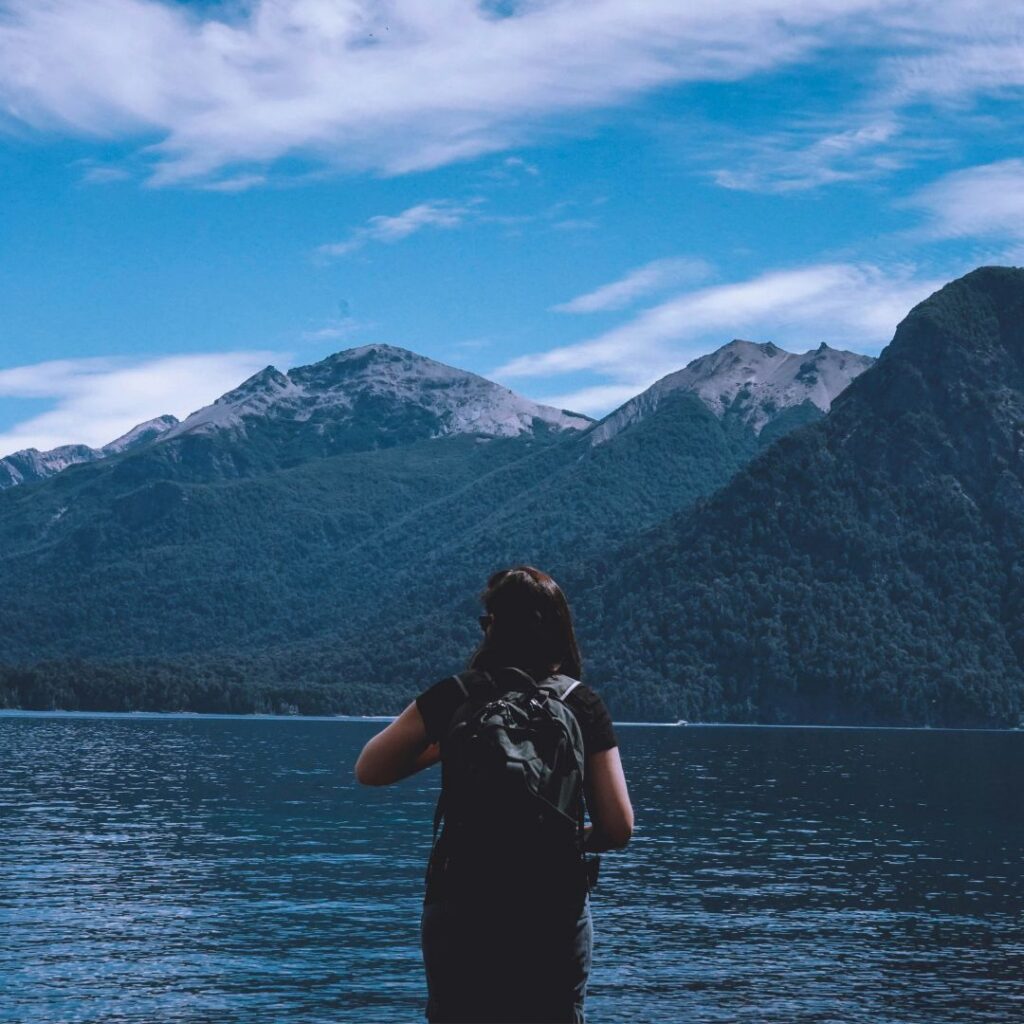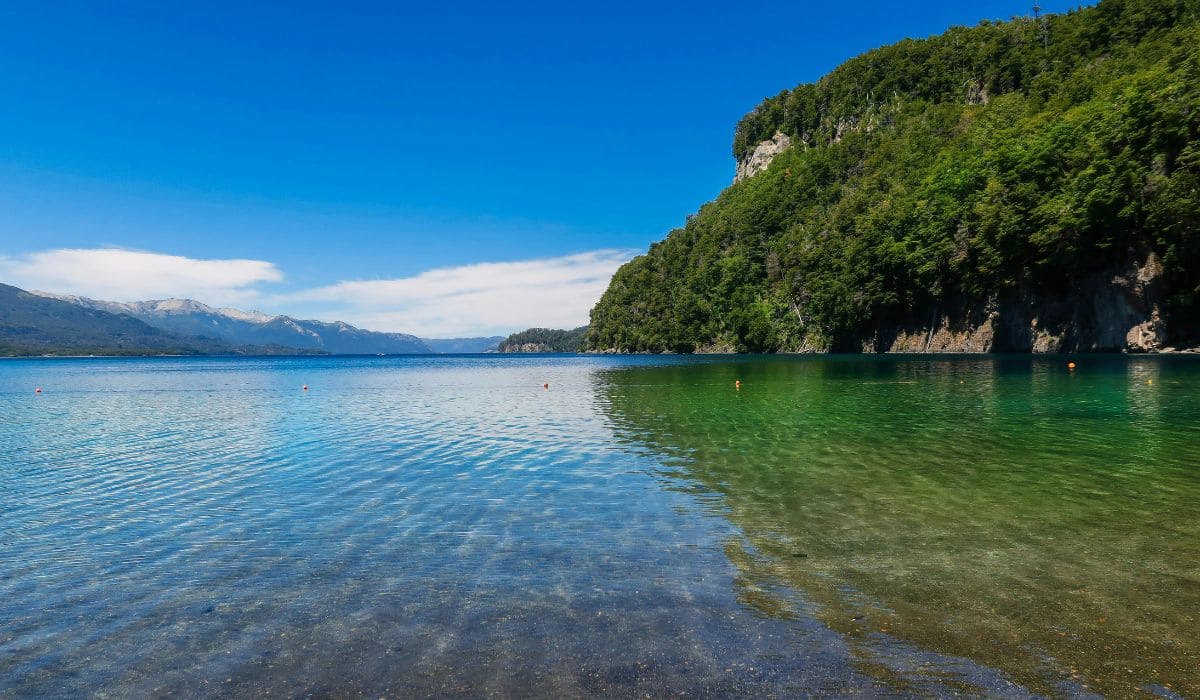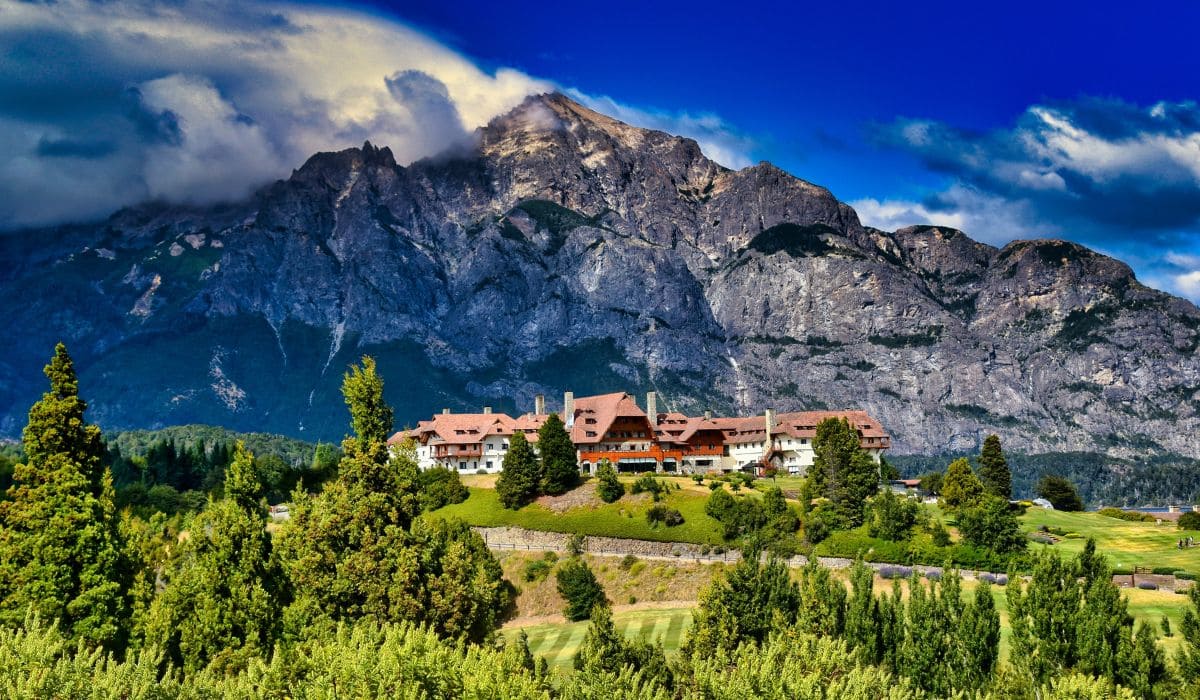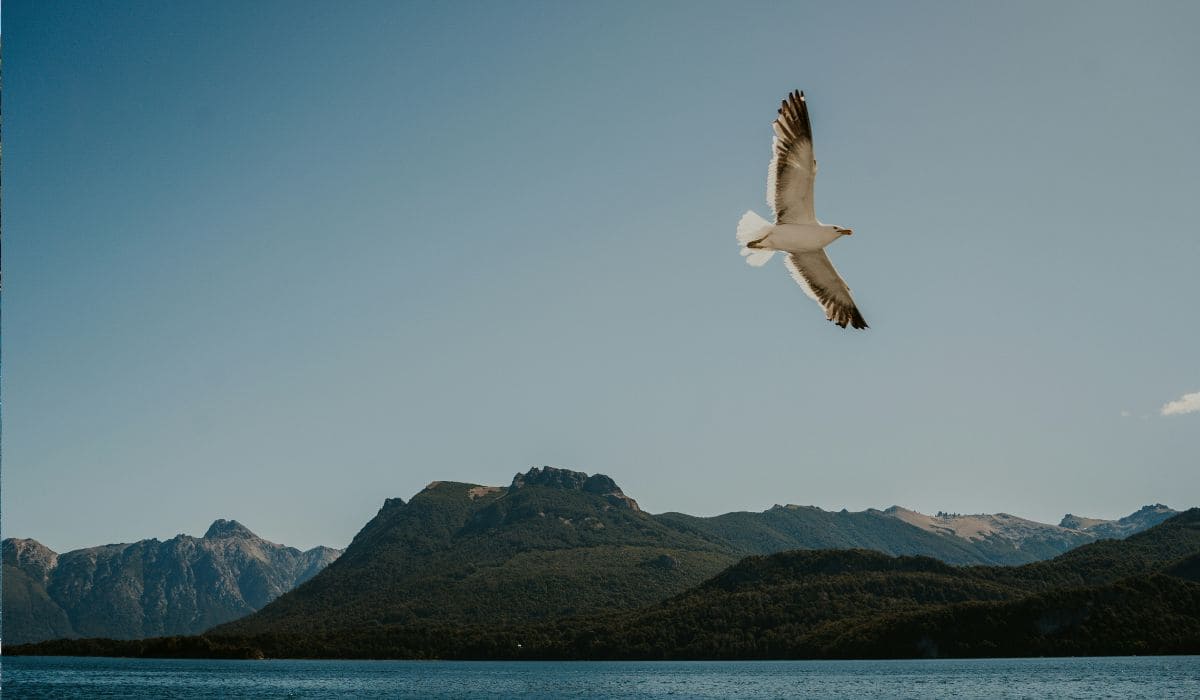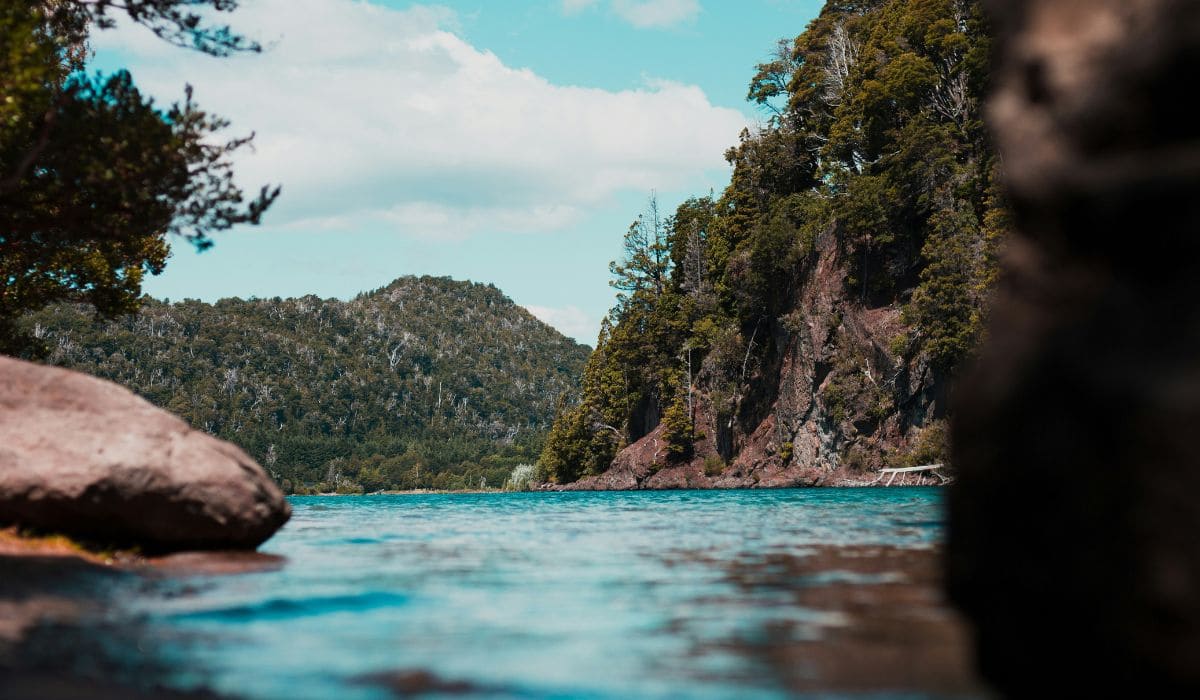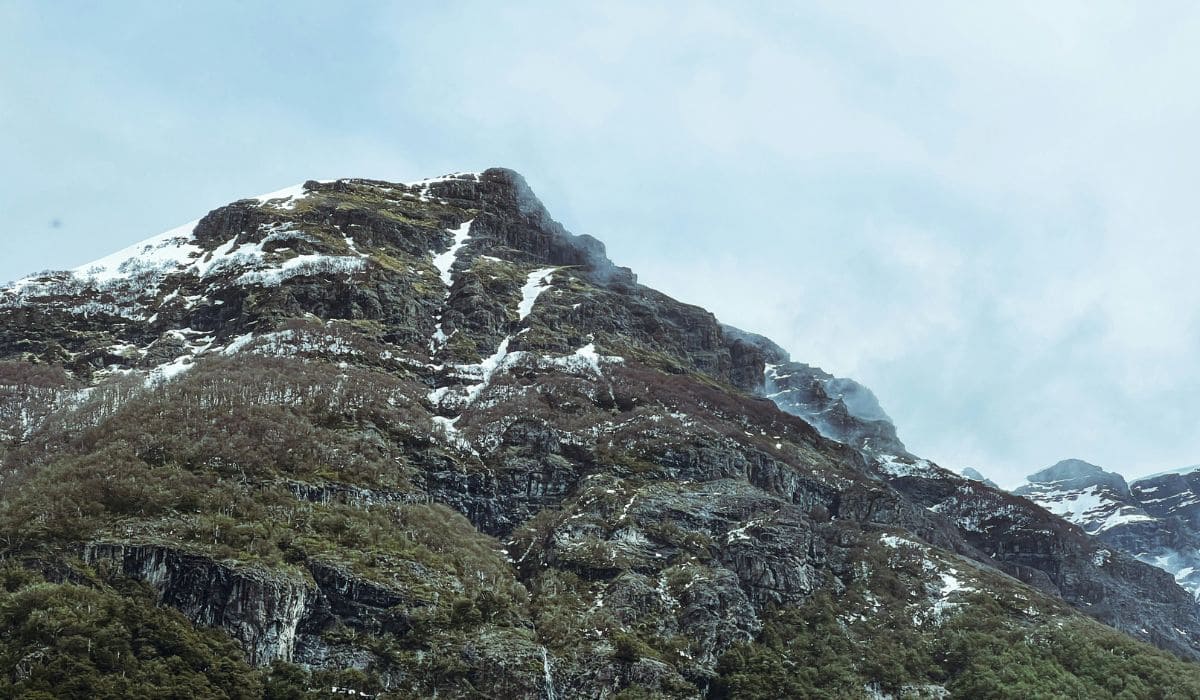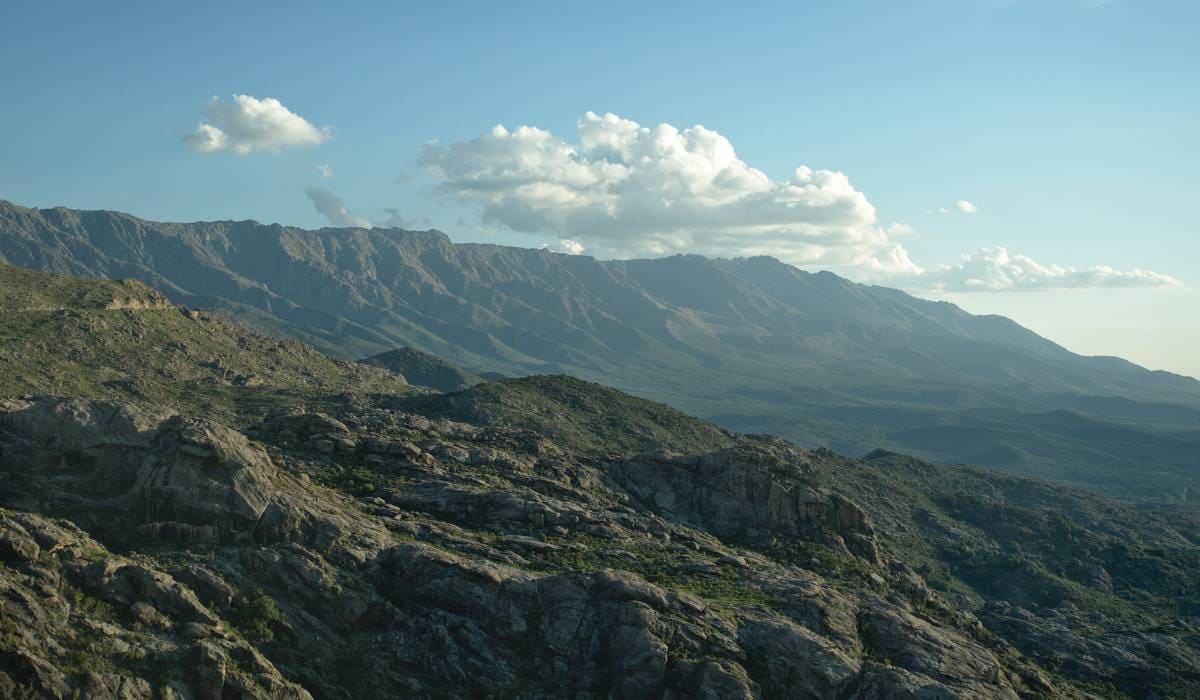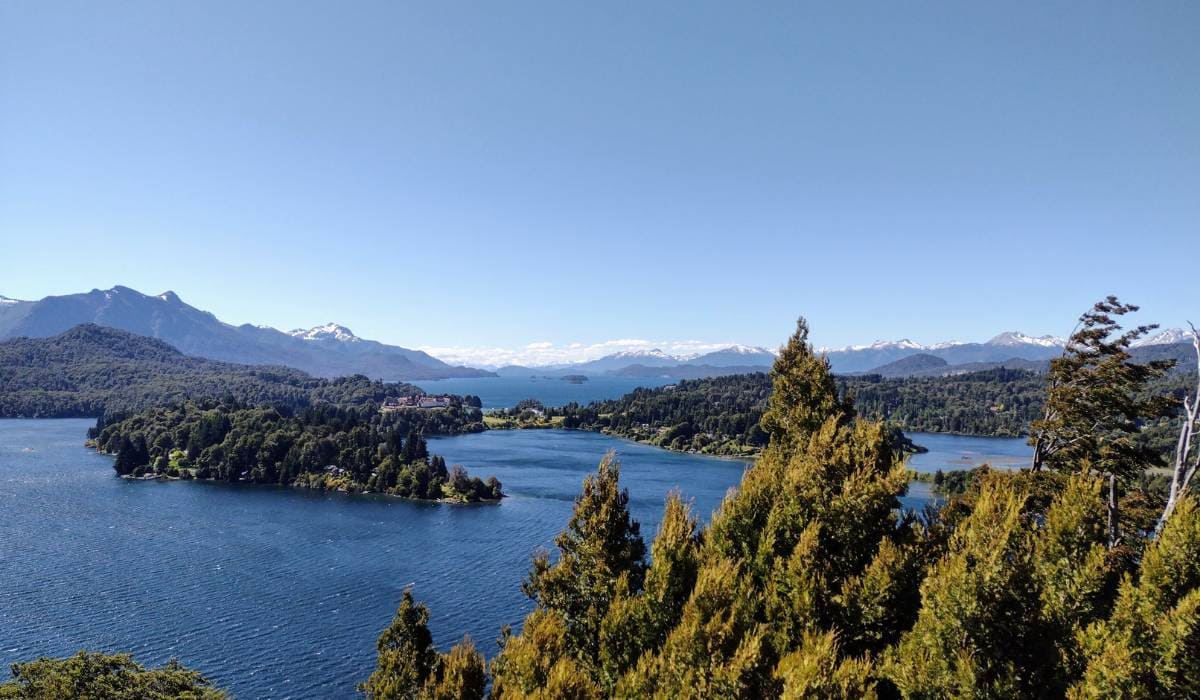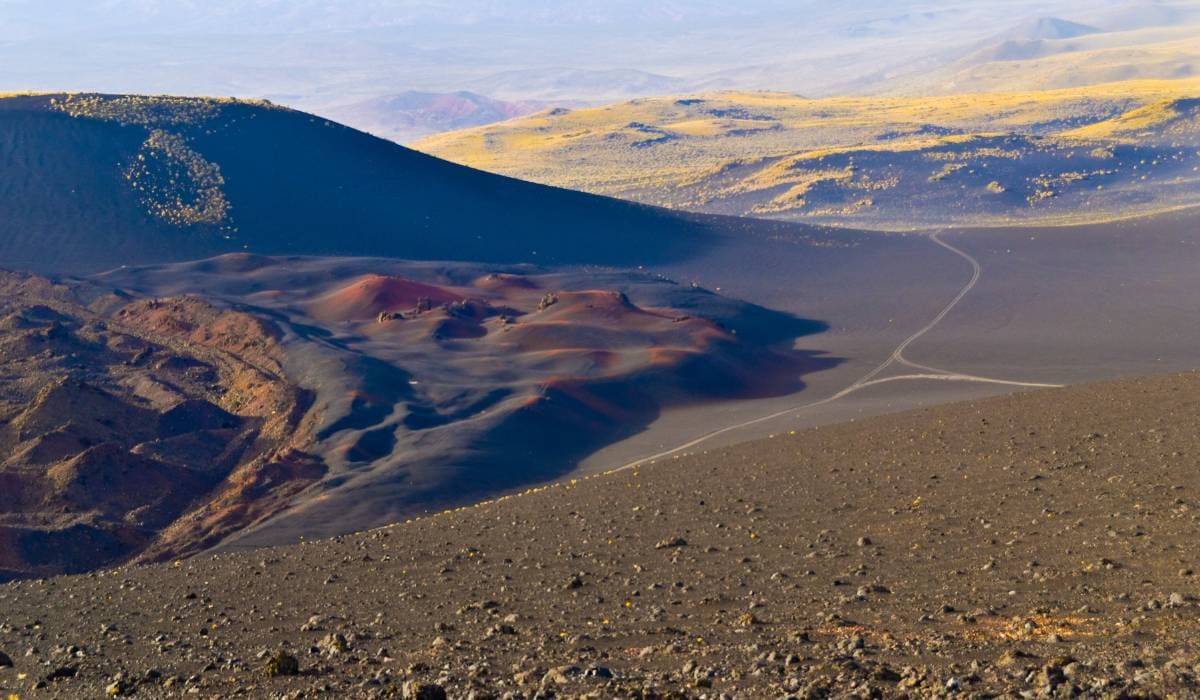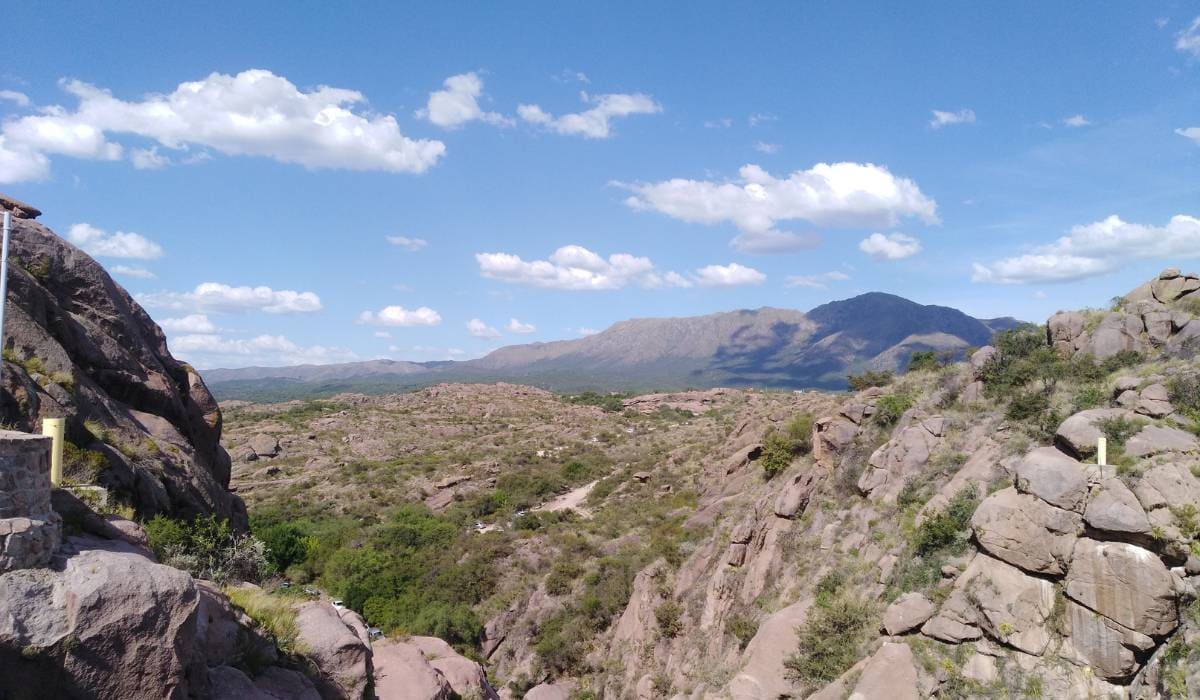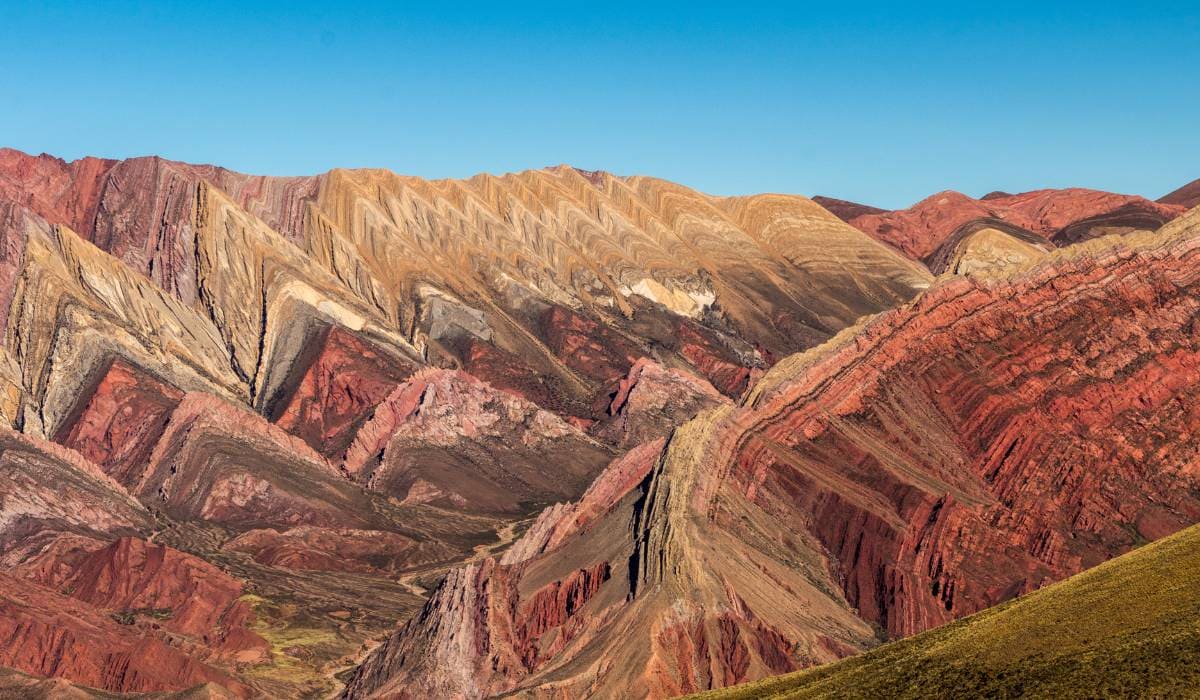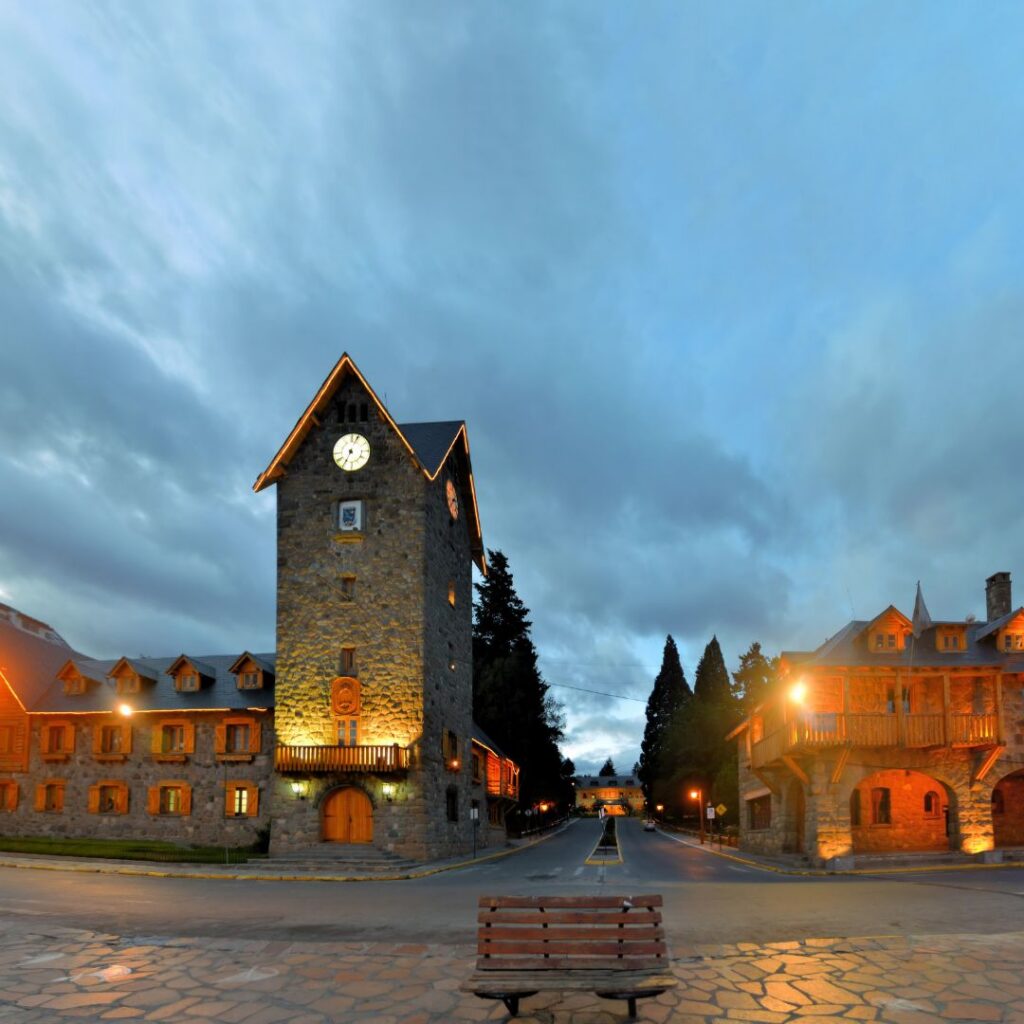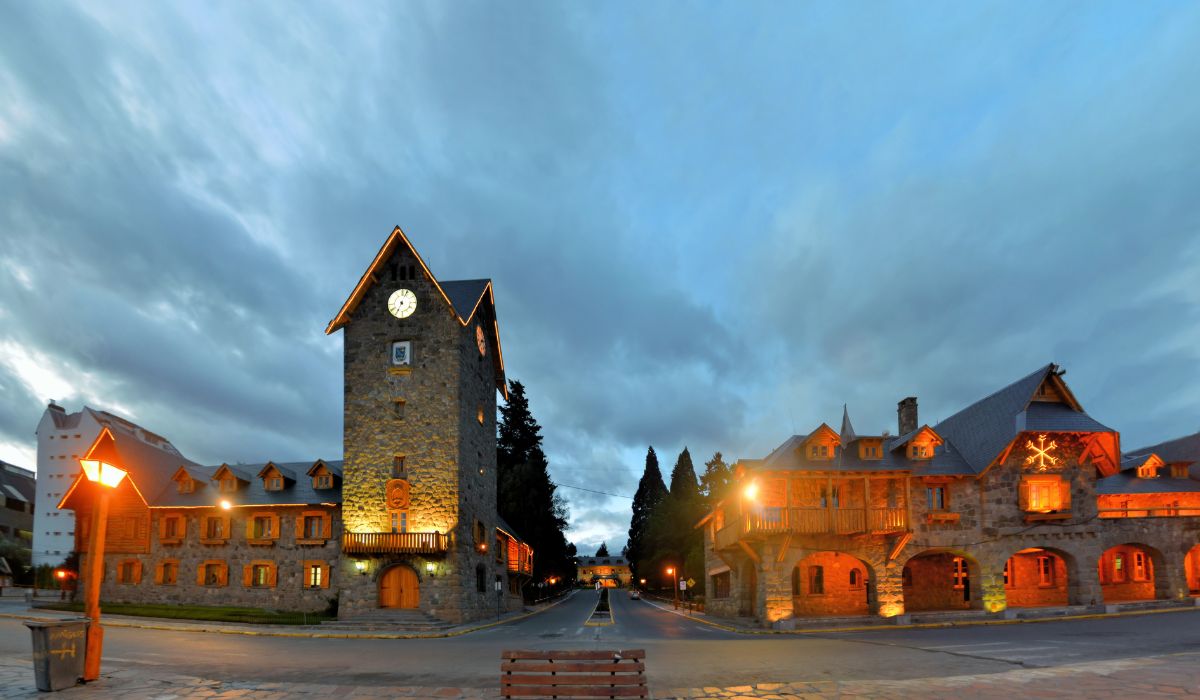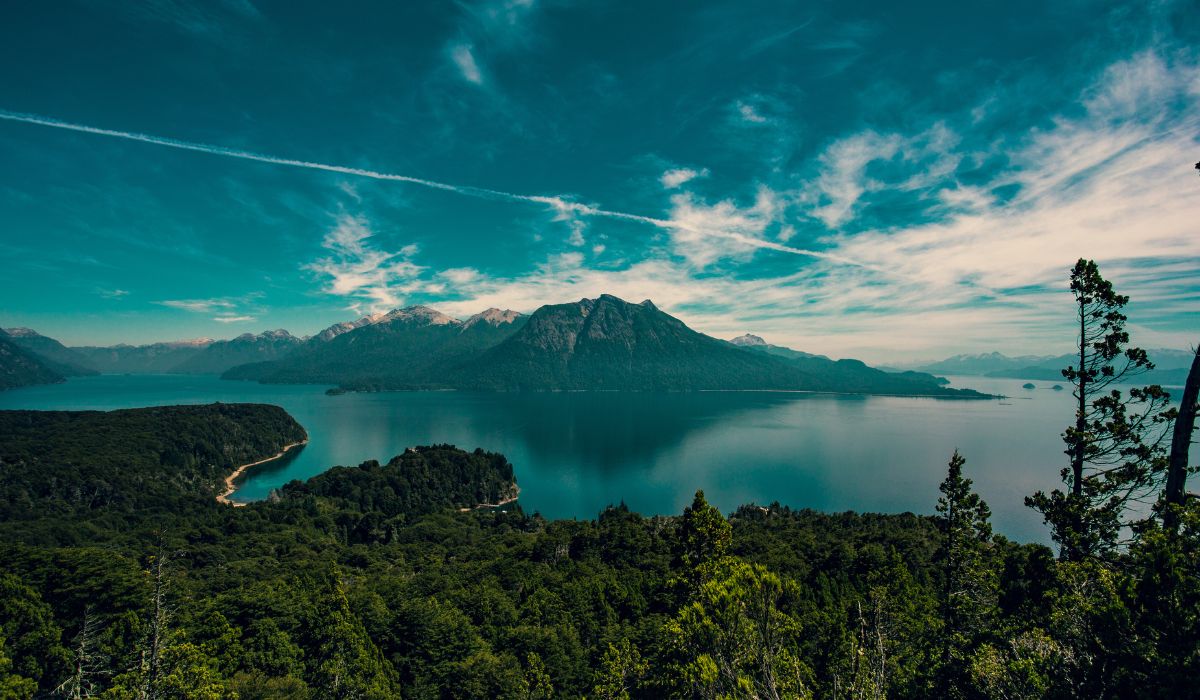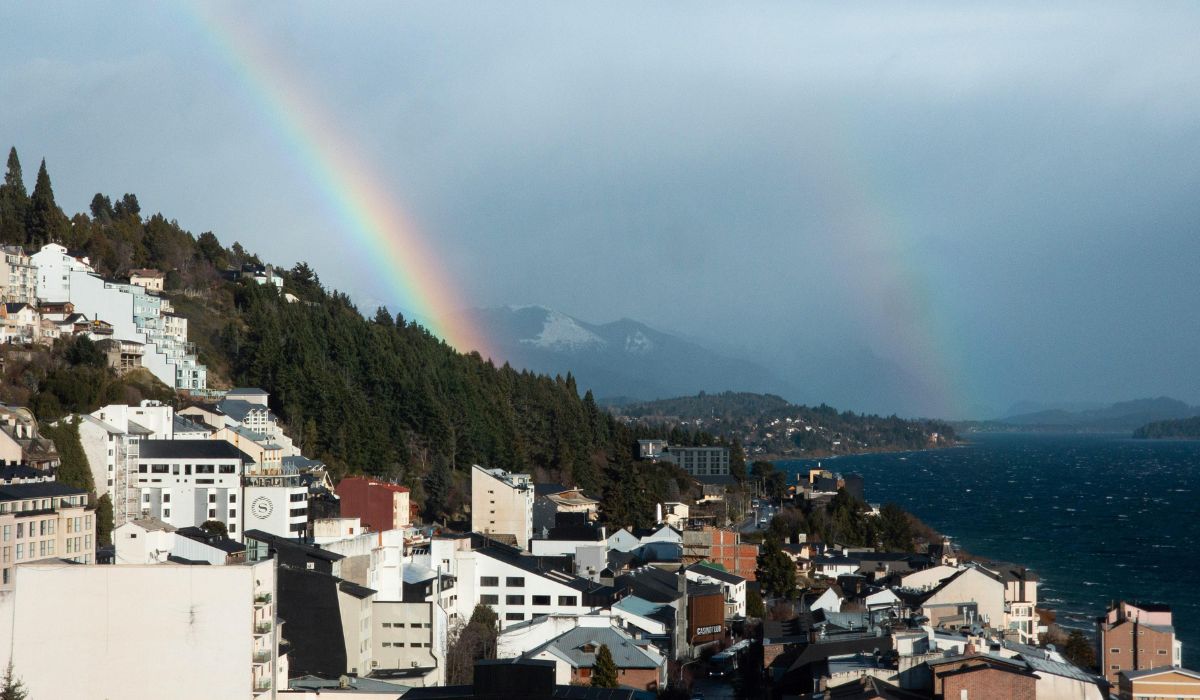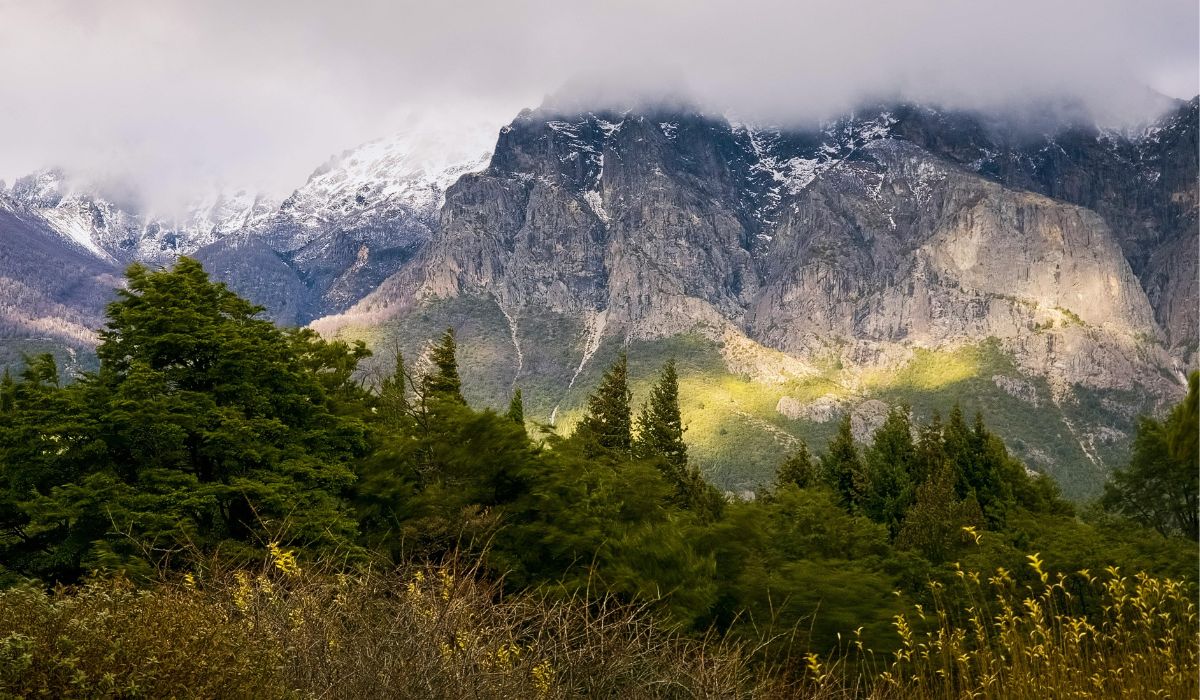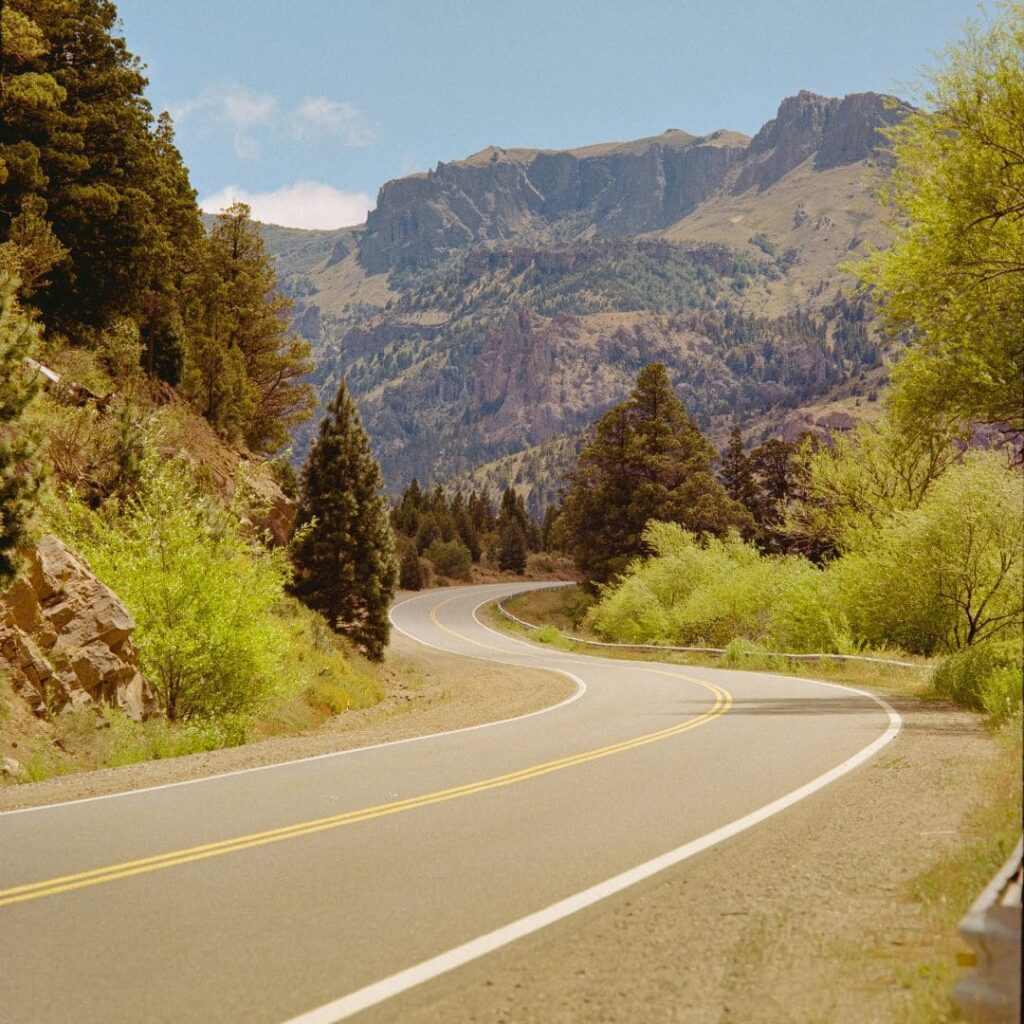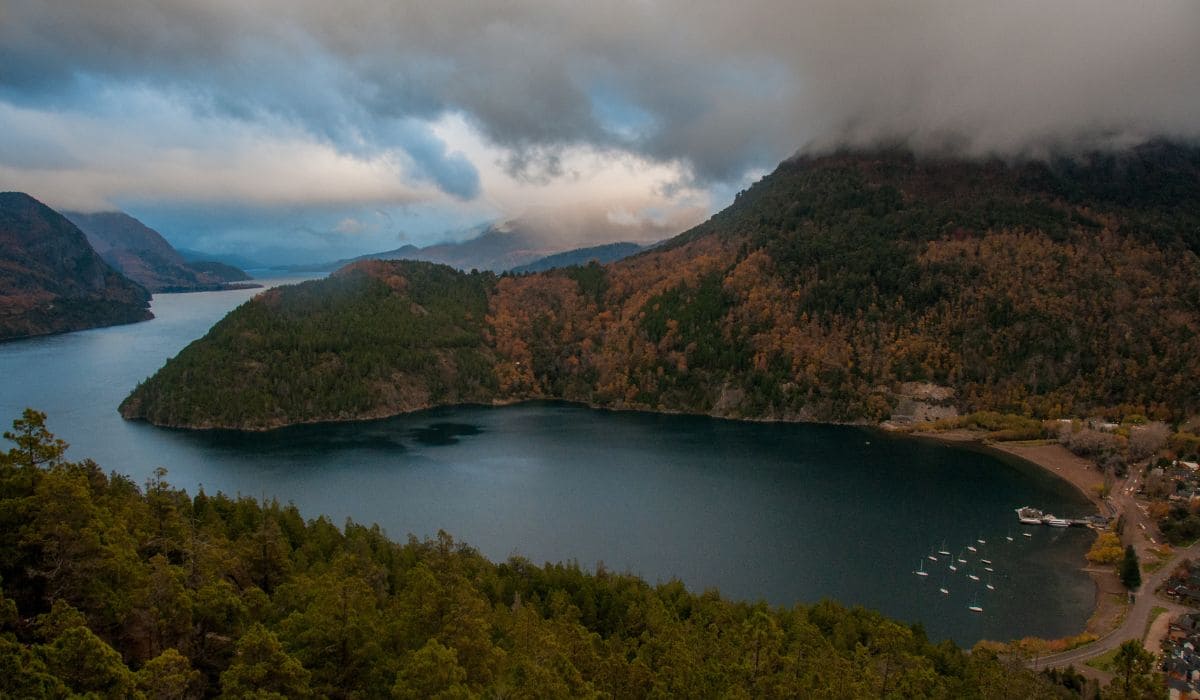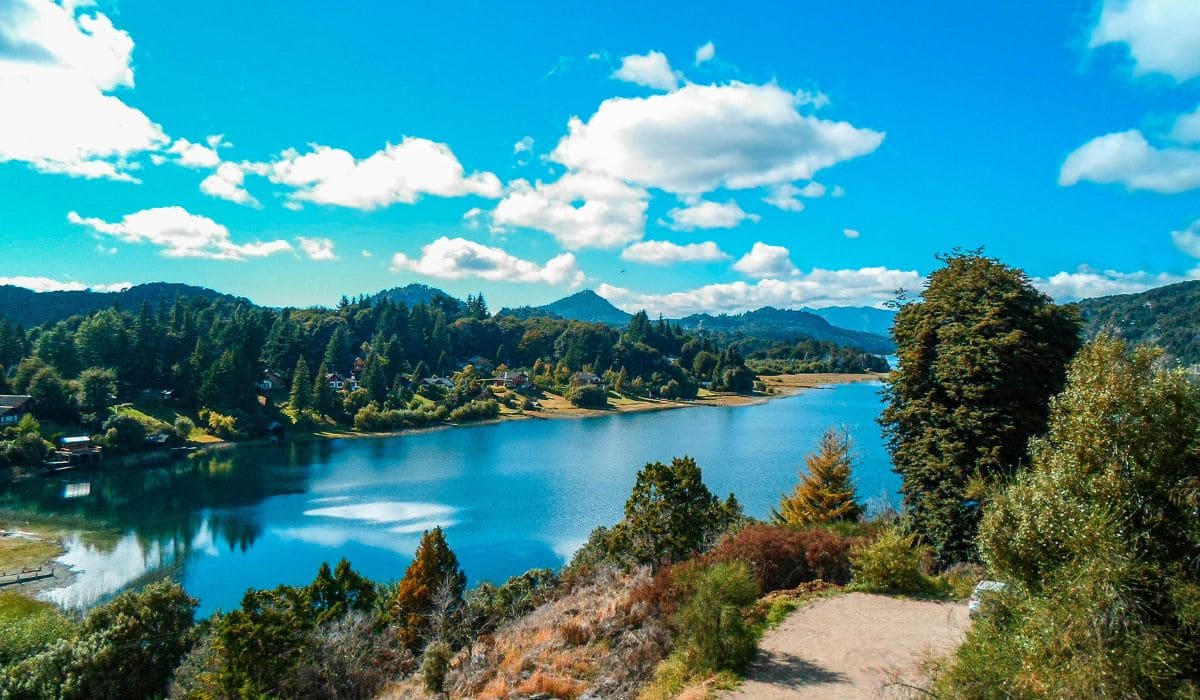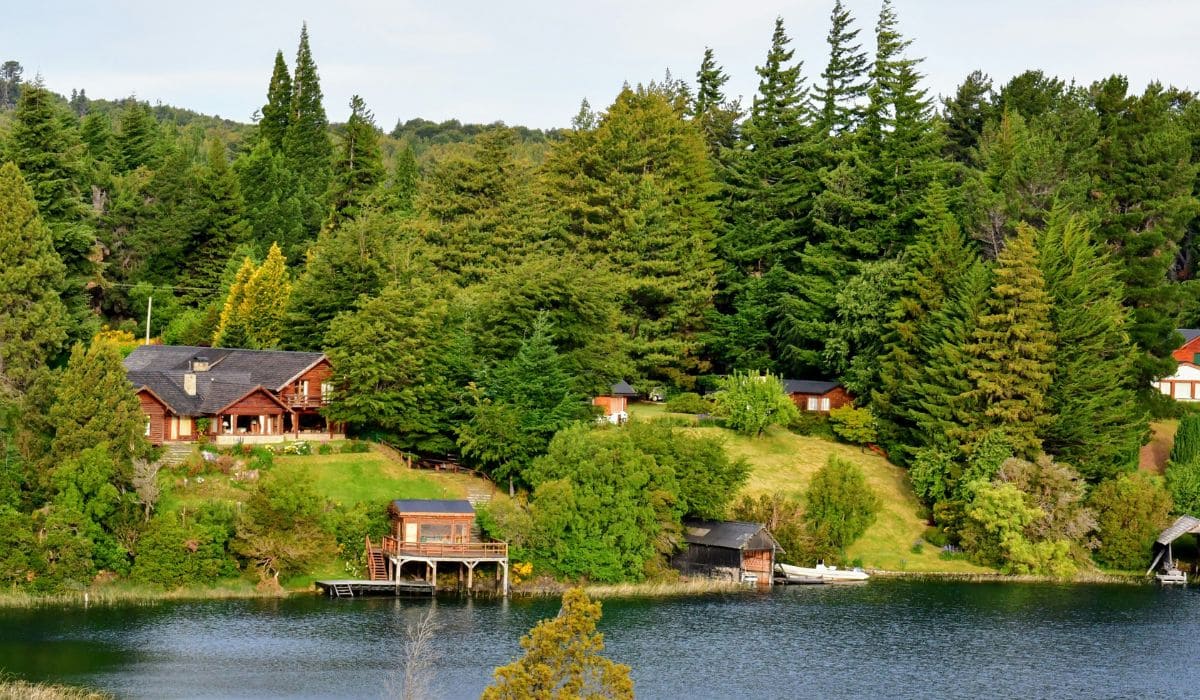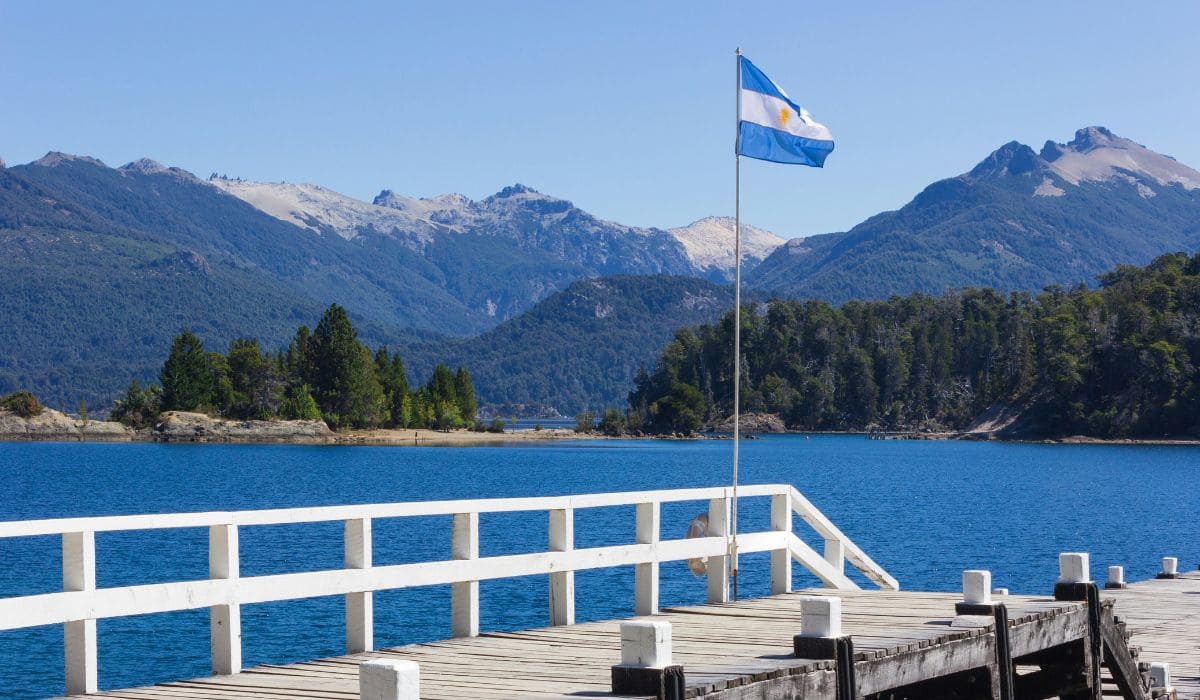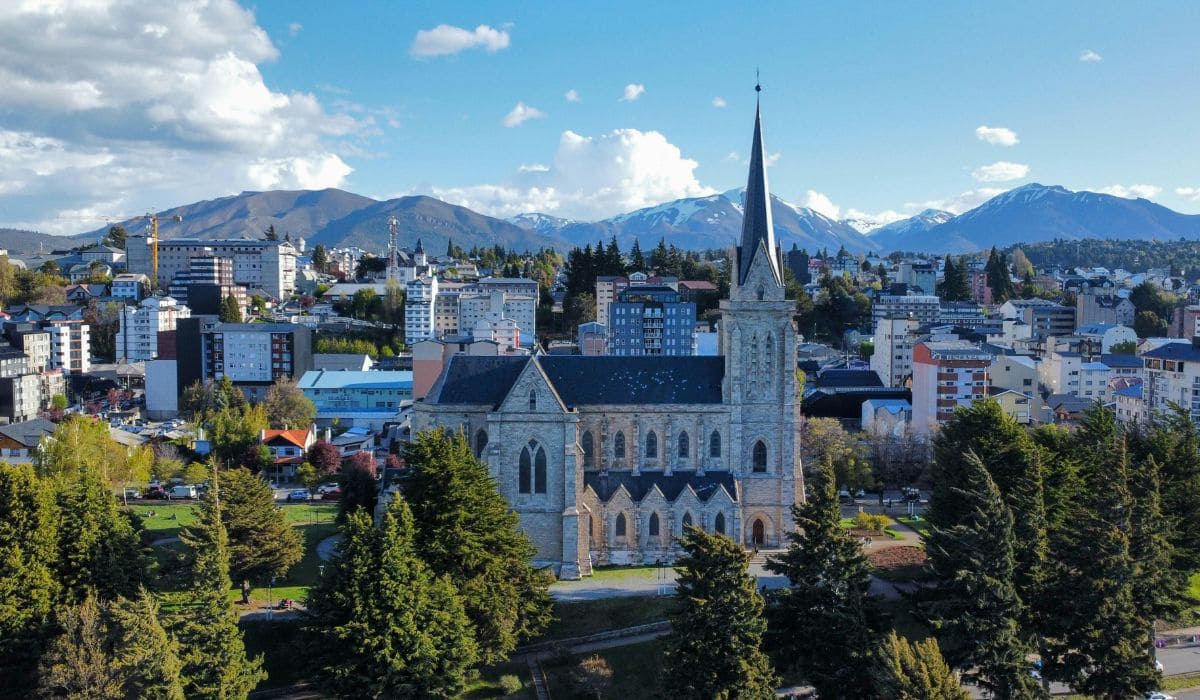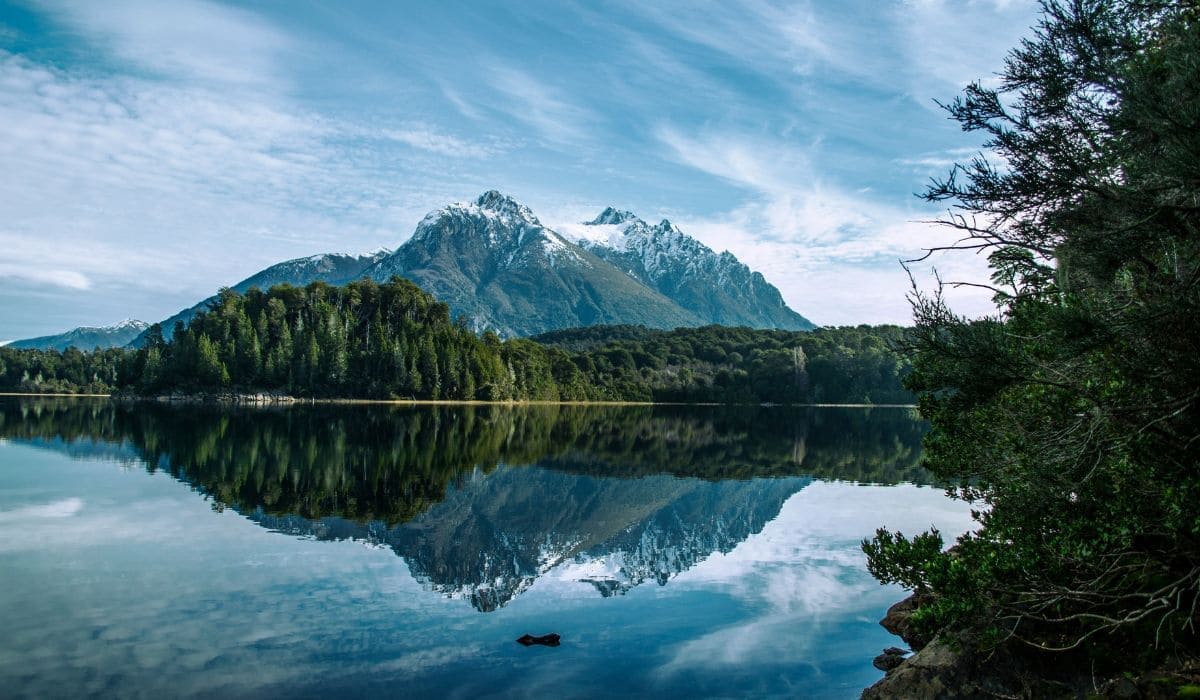


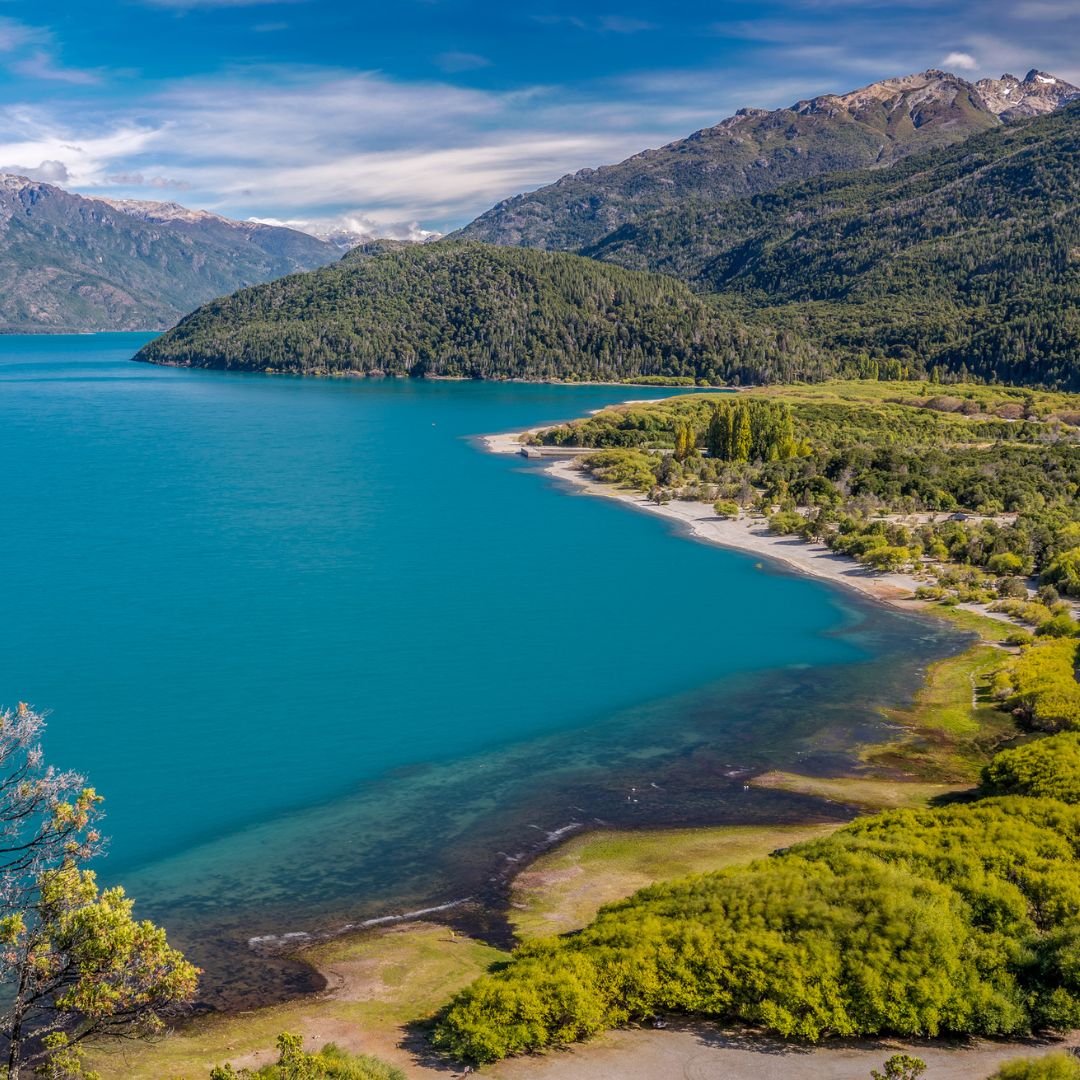
Traveling from Bariloche to Esquel is one of those Patagonian experiences that brings together lakes, mountains, valleys, and ancient forests without requiring major detours. As the road unfolds, the Andes are always by your side. The dazzling landscapes hide endless possibilities for activities and natural settings where you can stop, explore, and enjoy.
Driving the route by car not only lets you connect these two iconic destinations but also discover other places along the way that invite you to explore at your own pace and let yourself be surprised. From protected natural areas to national parks and charming towns, this route invites you to travel without rushing.
If you’re driving and taking your time, you can combine relaxation, adventure, and nature. At Rentennials, we put together this itinerary so you don’t miss a thing.
What is the route like from Bariloche to Esquel?
Between Bariloche and Esquel, there are two main alternatives. The first is the most direct: following National Route 40, avoiding entry into Los Alerces National Park. It’s a practical road, with more paved stretches and no mountain detours—ideal for those who simply need to connect both destinations in the shortest time possible.
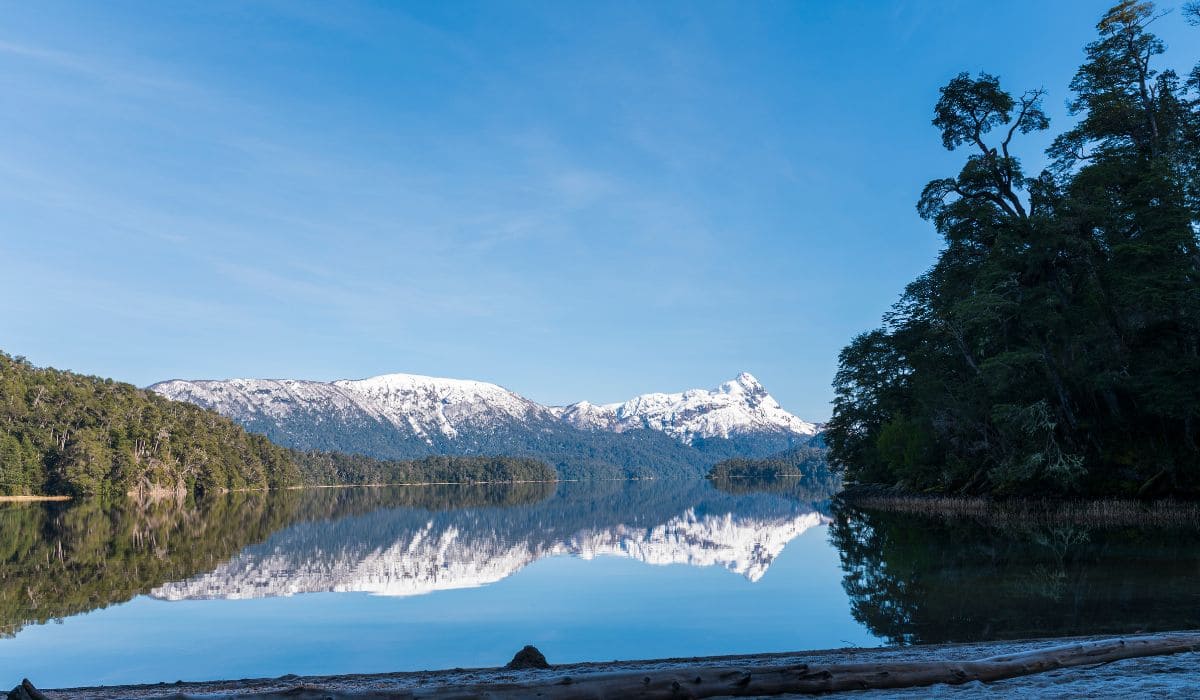
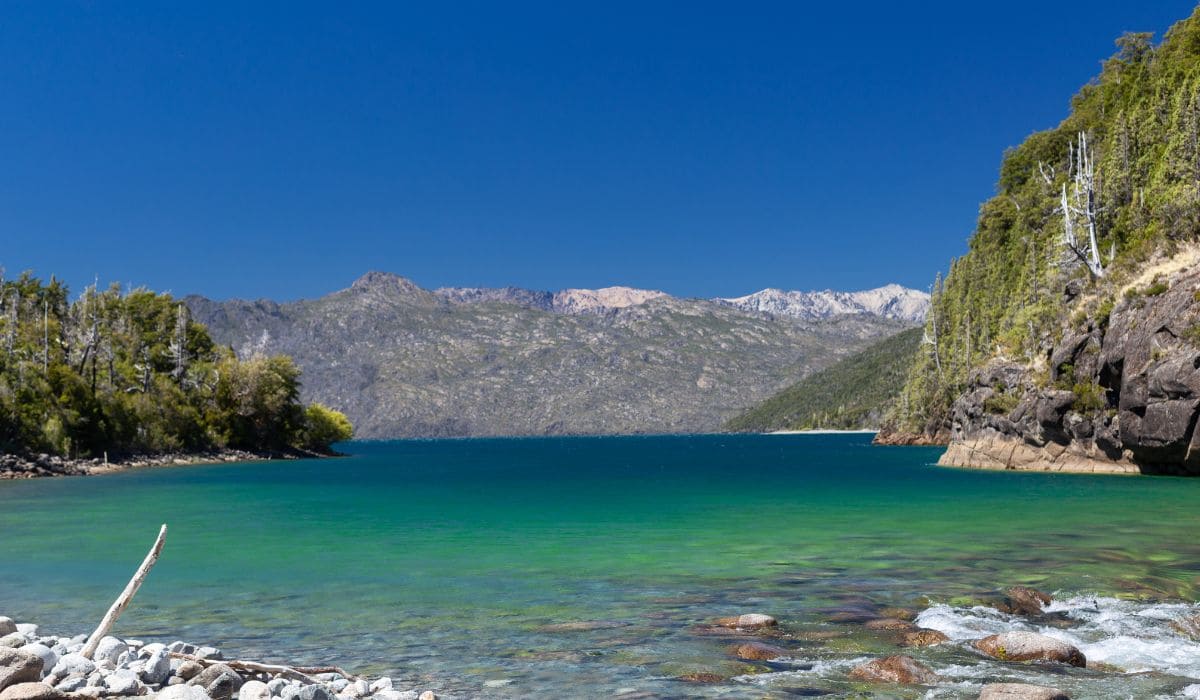
The second—and the one we especially recommend—is the route that crosses Los Alerces National Park, one of the most impressive natural environments in the country. This option lets you enjoy lakes, boardwalks, winding roads, and sections with spectacular views.
It’s important to note that some stretches—such as those inside the park—are gravel, and while they’re passable, they require careful driving. In addition, along much of the route from Bariloche to Esquel, the condition of Route 40 is not optimal, and you must reduce speed. For this reason, the recommendation is to take it easy, drive slowly, and stay attentive, especially on the gravel sections when entering and exiting Los Alerces National Park.
How many kilometers are there from Bariloche to Esquel?
The total distance between the two cities is approximately 290 kilometers, depending on the variant chosen. If you opt for the direct route along RN 40, the drive is around 300 kilometers. If you take the detour into Los Alerces National Park, the route extends to 543 kilometers, but every meter will be worth it.
How many days should you travel from Bariloche to Esquel?
Technically, you can make the trip in a single day, spending between 4 and 6 hours behind the wheel, depending on the chosen route and the condition of the gravel sections. If the idea is to enjoy, explore, take photos, walk, and truly connect with everything this region offers, we recommend that your trip last at least one week or ten days. That way, you’ll have time to improvise, explore valleys, lakes, towns, and forests without rushing.
We suggest staying overnight in peaceful spots, doing short hikes in Los Alerces, or dedicating a full day to boating, relaxing, or walking in the mountains. That’s what traveling is about: enjoying so much more when you turn a simple transfer into a destination itself and let the adventure guide you.
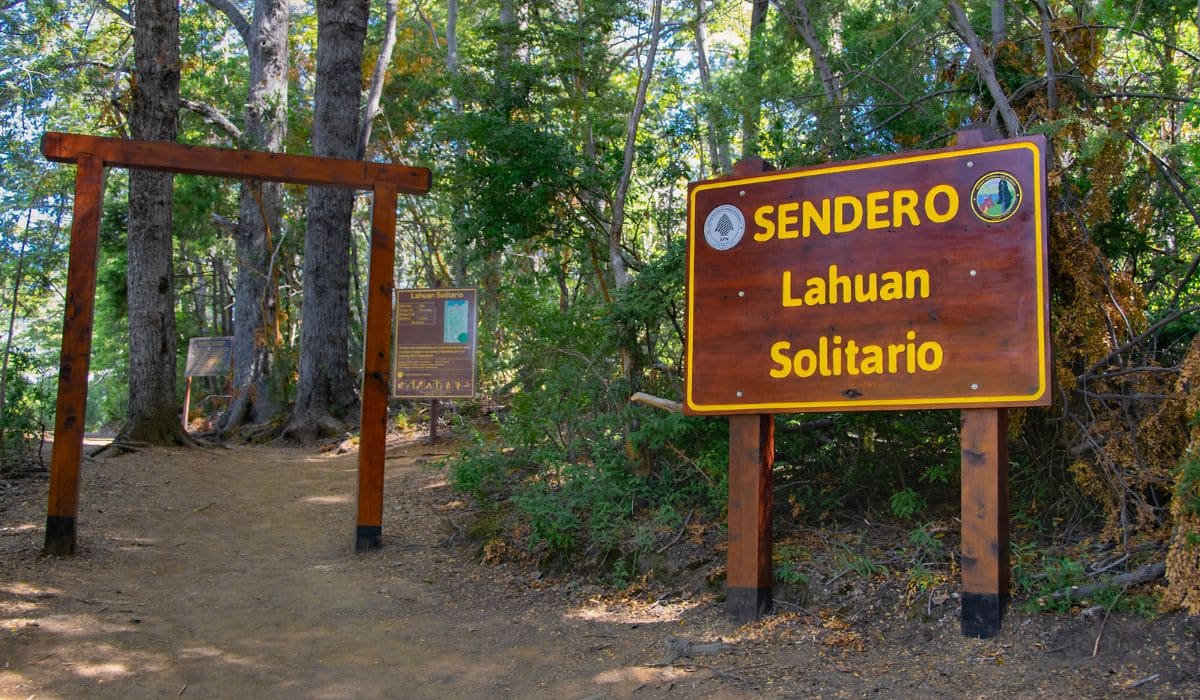
What to see from Bariloche to Esquel
The heart of the journey is what unfolds between the two destinations: viewpoints, protected areas, rivers, turquoise lakes, short trails, mountain towns, and one of the most iconic national parks in Argentina.
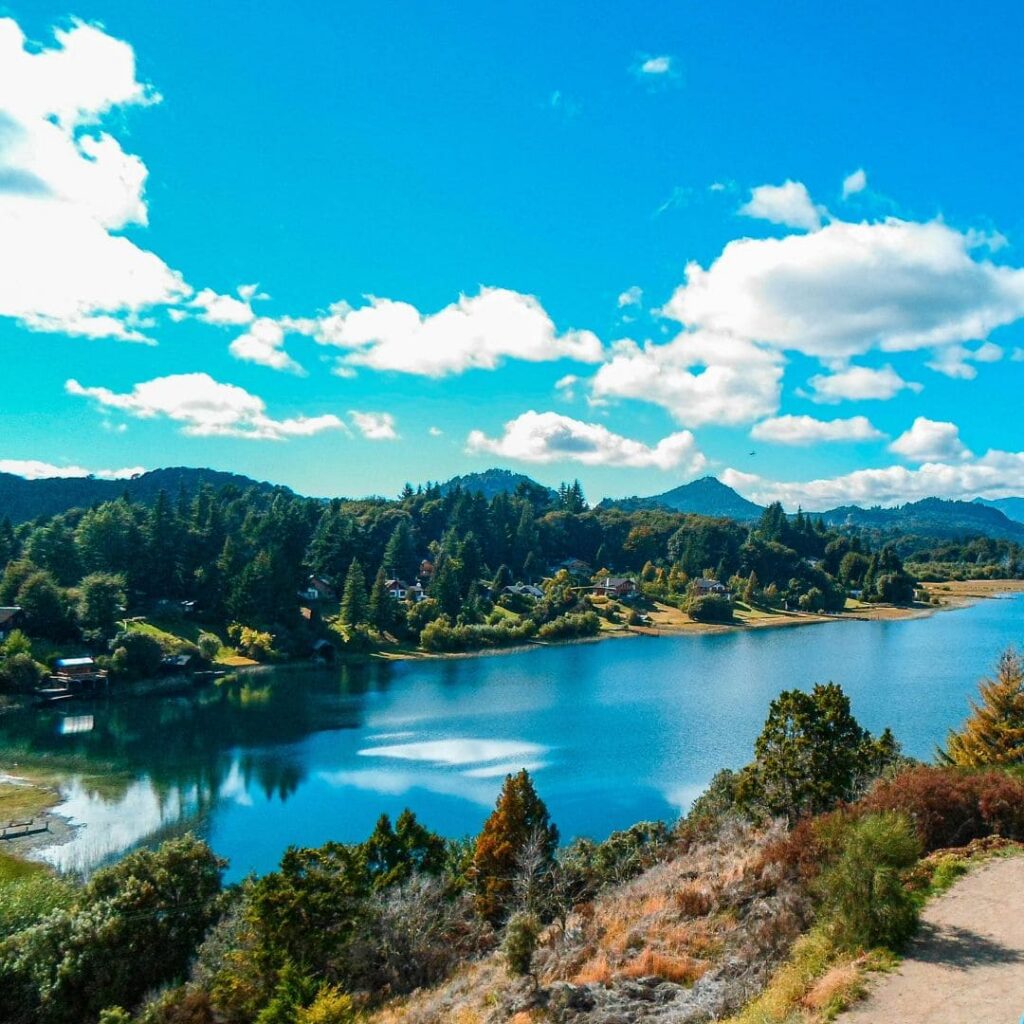
From the moment you leave Bariloche along Route 40, you’ll pass Lake Gutiérrez, Lake Mascardi, and you can take the detour to Pampa Linda, where a road leads to the base of Mount Tronador. You can also skirt Lake Guillelmo or detour to Lake Steffen. And that’s only the beginning!
Once you’ve passed all of that, here is a guide to everything waiting for you along the way from Bariloche to Esquel, so you can plan your trip knowing what to see, how much time to spend, and why each spot is worth it.
Río Manso Valley
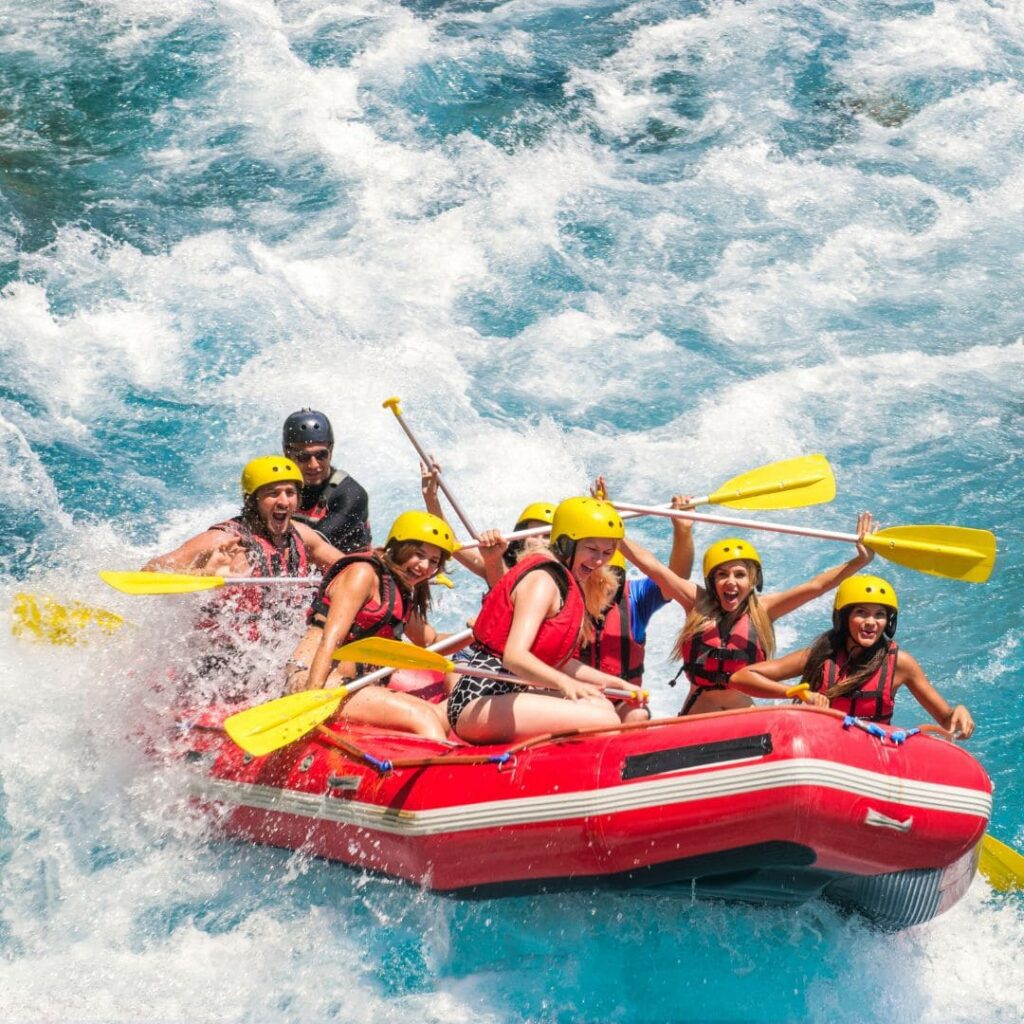
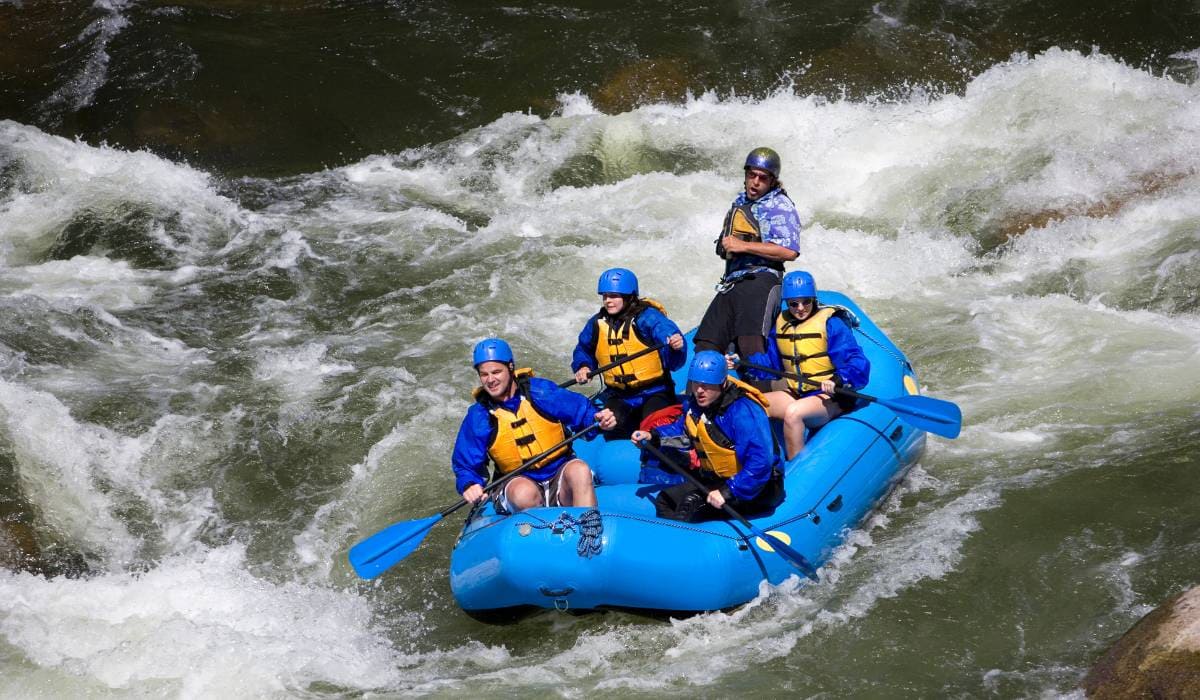
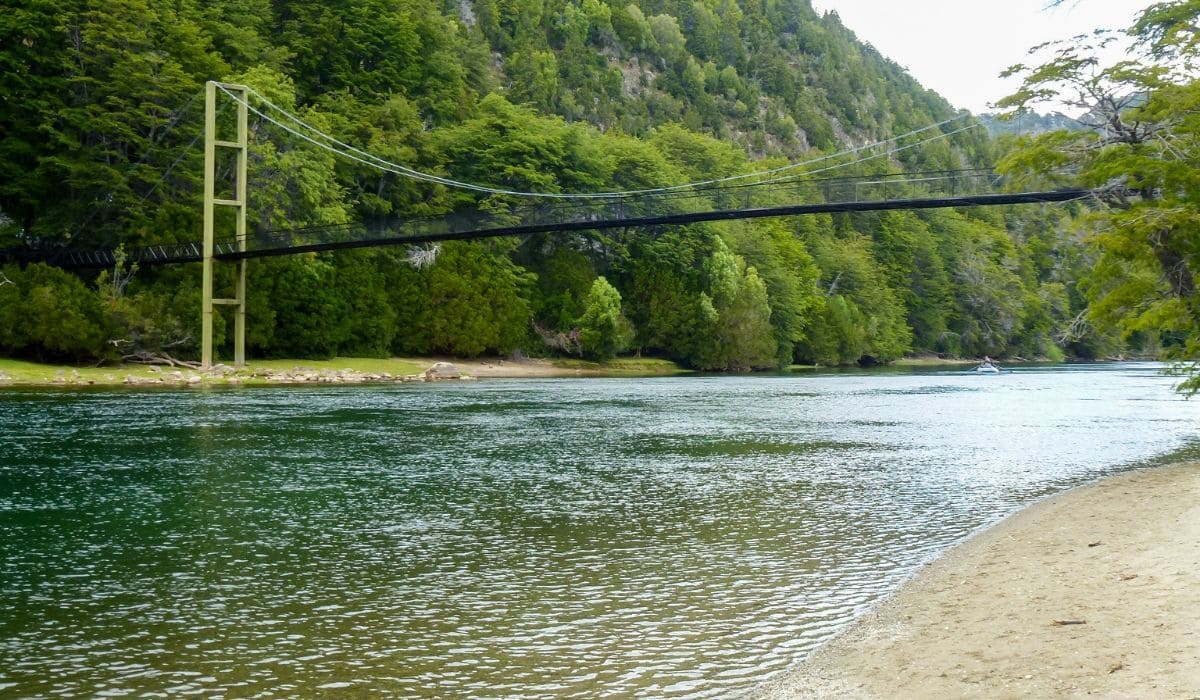
If you continue heading south along National Route 40, you’ll reach the Villegas River, where Provincial Route 83 begins and travels through the Río Manso Valley. It’s a gravel road that runs parallel to the lower Manso River, at the southern end of Nahuel Huapi National Park. With its clear waters and mountainous surroundings, it’s ideal if you’re seeking calm adventure: cycling, hiking, rafting, kayaking, horseback riding, and river beaches surrounded by tall forests.
It’s an area where the landscape feels close and intimate, and although it’s not strictly part of the most direct route, many travelers choose to include it because it lies within Río Negro’s most beautiful mountain area. It’s perfect for spending a morning or afternoon before continuing your trip.
Río Azul Protected Natural Area
After about 100 more kilometers along Route 40, you’ll reach one of the most beloved protected areas in the region: the Río Azul – Lago Escondido Protected Natural Area, also known as ANPRALE, often simply called “Río Azul.” Its valleys, viewpoints, and mountain huts make it a classic choice for lovers of accessible trekking through lenga, coihue, ñire, and cypress forests.
There are short and long trails, boardwalks, clear cold rivers, organized campgrounds, and refuges where you can spend the night and enjoy the full experience. In short: you’ll find pure nature, but with reasonable access for those who aren’t expert mountaineers.
Important: for trekking, it’s mandatory to complete the online individual registration before entering.
El Bolsón
Along Route 40, you’ll come to El Bolsón, one of the most attractive towns on the journey from Bariloche to Esquel. It’s a great place to spend a few days, rest, eat well, and visit craft markets, farms, viewpoints, or walks along the Quemquemtreu River. Here you’ll find Mount Piltriquitrón—an impressive peak offering spectacular panoramic views—and the trail to the Carved Forest.
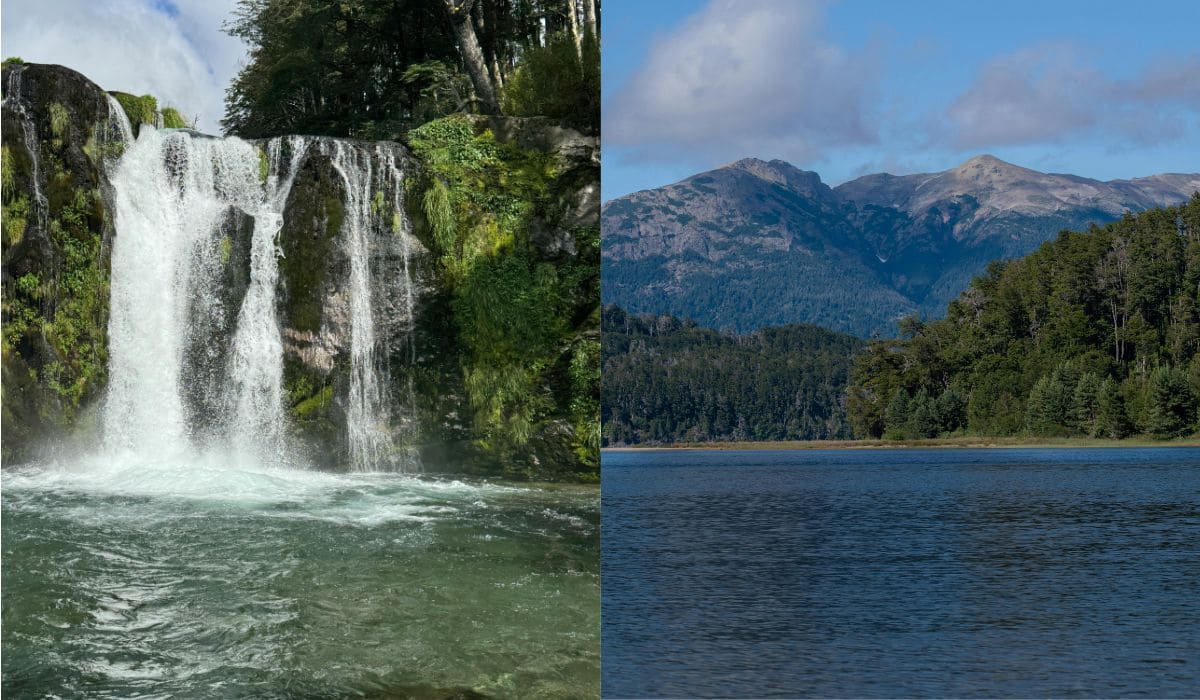
There’s also the Escondida Waterfall and the ascent to Cerro Amigo. It’s a low-difficulty trail where you can also enjoy adventure tourism activities like rappelling, climbing, and mountain biking.
A must-see near El Bolsón is a visit to Lago Puelo National Park.
El Bolsón offers an unbeatable combination: immediate nature, great food options, craft breweries, varied lodging, and a slow pace that invites you to relax and enjoy.
El Hoyo and Cholila
A few kilometers ahead, El Hoyo appears surrounded by farms, berry plantations where you can taste raspberries, strawberries, and cherries, green hills, and a peaceful rural valley atmosphere. It’s ideal for those looking for nature, short hikes, horseback rides, waterfalls, and quality regional products.
A bit further on is Cholila, with its wide valleys, nearby lakes, and rich stories. Here you can visit the La Legal museum-bar and the historic cabin of bandits Butch Cassidy and Sundance Kid. It’s also a perfect destination for relaxing by the water, kayaking, fishing, or simply enjoying the landscape from its viewpoints or from the riverbank.
Los Alerces National Park
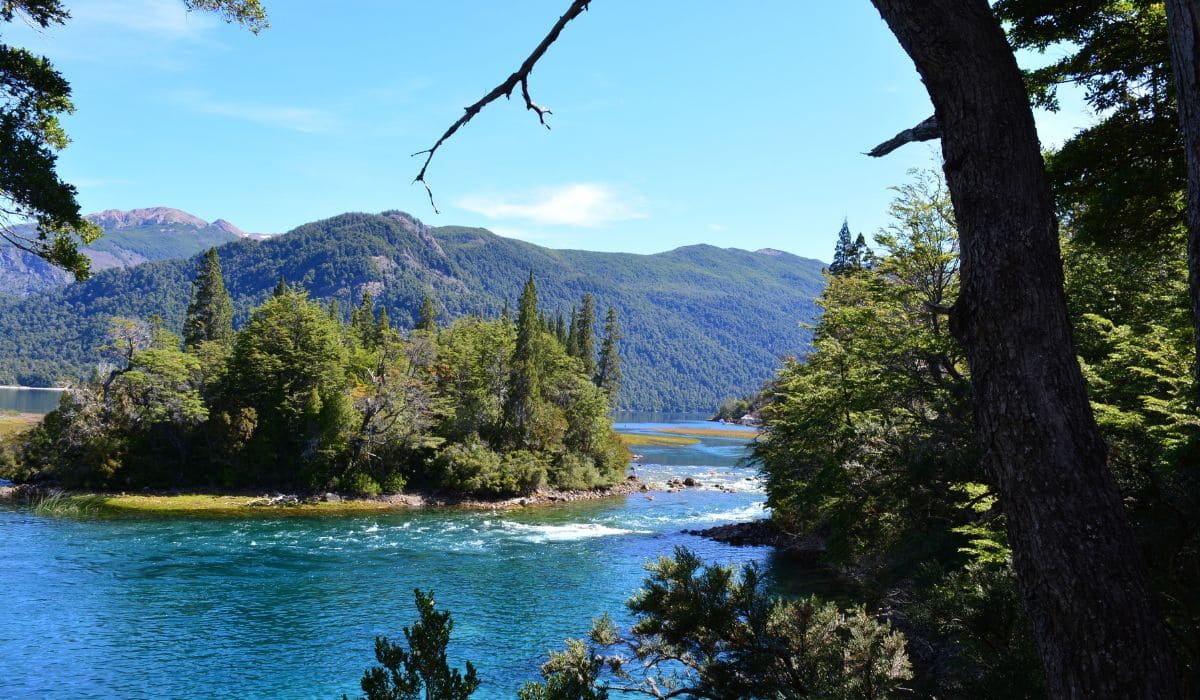
Here begins one of the most beautiful yet slowest parts of the journey. Entering Los Alerces National Park marks a clear shift: gravel roads, dense forests, turquoise lakes, and an atmosphere of environmental protection noticeable from the very first meters.
Los Alerces is a vast area declared a World Heritage Site for its natural value. Turquoise lakes and rivers, peaceful beaches, trails for all levels, glaciers, waterfalls, and the Millenary Alerce Forest—with trees over 2,500 years old—give it a unique beauty.
Inside the park, it’s essential to drive slowly, not only because of the gravel but also because the surroundings deserve to be savored. It’s the slowest part of the trip—and that’s a benefit: it gives you more time to store every detail in your memory.
Lago Rivadavia
Lake Rivadavia is one of the most visited within the park. It has rest areas, beaches, campgrounds, boardwalks, and areas suitable for picnics and kayaking. It’s easy to access and perfect for spending half a day or a full afternoon between forest and crystal-clear water.
Lago Verde
About 9 kilometers from Lake Rivadavia, you’ll find Lake Verde, one of the most striking due to the color of its waters. Surrounded by forests and mountains, it features a famous boardwalk crossing the Arrayanes River, perfect for photos and gentle walks. There are campgrounds and a glamping site, and you can go kayaking or stand-up paddling, and in permitted seasons, fly fishing.
From here, several trails lead into Los Alerces National Park. The viewpoint at Lake Verde is one of the must-see panoramic spots of the journey.
Lago Futalaufquen
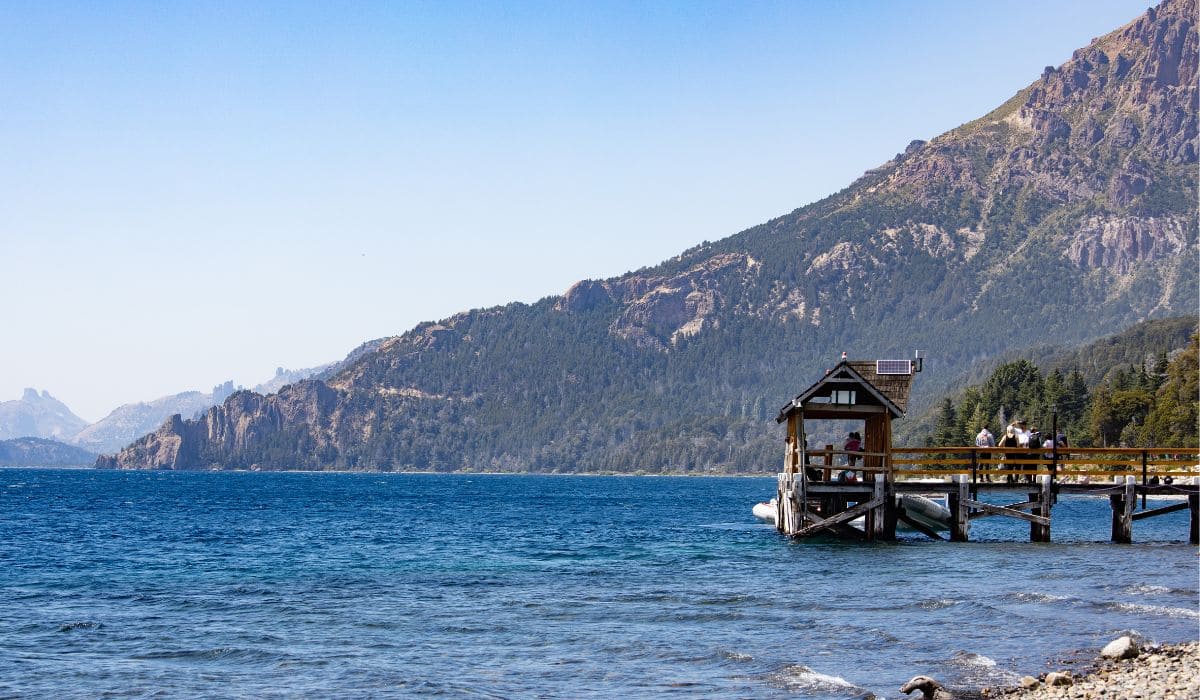
Further south in the park is Lake Futalaufquen: immense, calm, and ideal for boating, hiking, and spending the night in a nearby lodge or cabin. It’s one of the areas with the best infrastructure inside Los Alerces—with campgrounds, cabins, lodging, and services—and at the same time, one of the places where the silence of the mountains feels strongest.
This part of the park offers several hiking trails from Villa Futalaufquen, with different levels of difficulty. You can walk along the lake’s coast to the Puerto Limonao area, take the trail to Lake Krugger, or the route to Cerro Cocinero starting at the Rañinto stream.
From there, the exit to Esquel combines gravel and paved sections before returning to RN259.
Esquel
The journey from Bariloche to Esquel ends in a city that brings together history, culture, and nature. Besides its hills and viewpoints, in Esquel you can learn about the region’s history by visiting its museums and cultural centers.
Five kilometers away is La Zeta, an urban nature reserve with a lagoon, a beach area, and kayak rentals—perfect for a half-day outing.
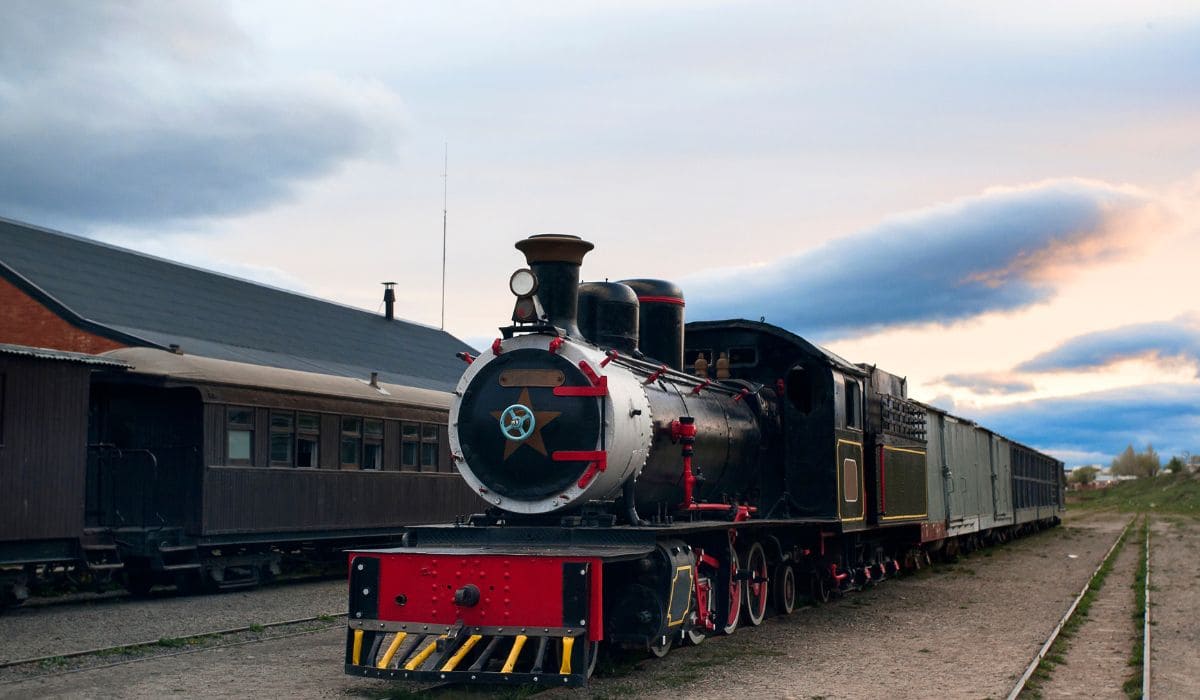
It’s also the departure point of the historic La Trochita train, a Patagonian icon that crosses part of the steppe in vintage wagons pulled by steam locomotives.
Tips for driving from Bariloche to Esquel
It’s important to note that the stretch from Bariloche to Esquel is not in good condition. Take it slowly.
- Inside Los Alerces National Park, the entire road is gravel. It’s drivable, but only at low speed.
- Avoid driving at night on gravel or in fog.
- If it has rained, check road conditions before entering the park.
- Keep your tank over half full. There are no gas stations inside the park.
- On very hot days, the gravel can kick up dust: slow down and keep distance from the vehicle ahead.
- Rest stops are essential: distances aren’t long, but they require constant attention.
- Make fires only in designated areas.
Rent a car and travel from Bariloche to Esquel
At Rentennials, we want more people to feel encouraged to discover each destination their own way—freely, connecting with local culture, and being responsible travelers.
That’s why we believe this route can be completely different if you rent a car and allow yourself to experience every kilometer at your own pace, turning the journey into something more than just a transfer.
We are Rentennials
Rentennials is the new way to rent cars from local hosts in your city, quickly, easily, and affordably. It's also your new path to starting your own car rental business and making money every month.
Discover more.

Download our App