
CO2

Car Rental in Lima: The Best Prices and How to Find the Ideal Option

Knowing the best options for car rental in Lima and finding the right price is the first step to ensuring an excellent stay in Peru’s capital and its surroundings. Getting around by car gives you comfort, safety, and most importantly, the freedom to choose your own routes and schedule. Ultimately, that’s what travel is all about: improvising and going with the flow.

Today, there are many vehicle rental alternatives, from traditional rental companies to peer-to-peer digital platforms. Of course, not all of them offer the same cost-benefit ratio.

In this article from Rentennials, you’ll find updated, clear, and strategic information about the best way to secure a car rental in Lima. You’ll also discover a complete guide to compare models, prices, and tips so you can choose the most convenient option based on the type of trip you’re planning.
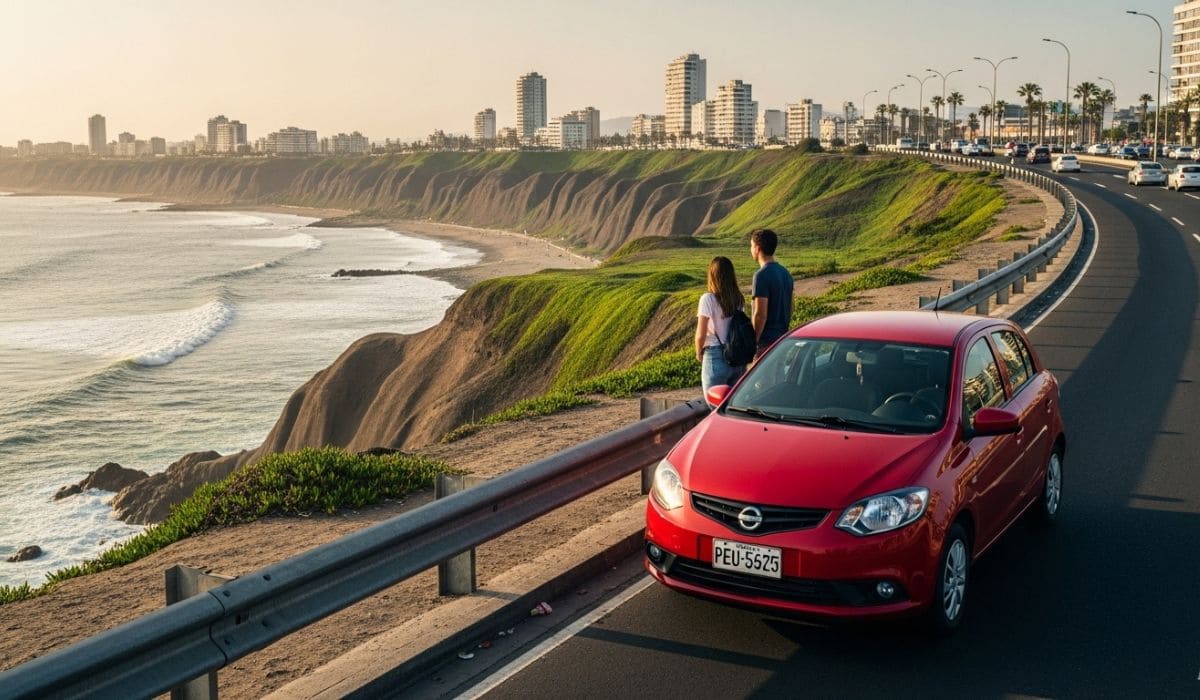
Alquiler de auto en Lima

What Is the Best Way to Get Around Lima?

Peru’s capital is huge and very dynamic. It offers a wide variety of experiences you won’t want to miss: coastal neighborhoods, historic centers, nearby beaches, and surprising natural escapes.

Each area has its own traffic patterns, peak hours, and access routes. That’s why relying solely on public transportation can significantly limit your options (and it’s not very efficient).

So, renting a vehicle is the best decision you can make. Before booking, it’s important to compare different car rental in Lima options and find the best prices to optimize your budget and make your experience unforgettable.

Driving in Lima: Traffic, Weather, and Tips

Before you hit the road—literally and figuratively—it’s important to understand where you’ll be driving so your transfers are as efficient as possible. The city has good mobility and signage, with wide avenues, urban highways, and fast roads connecting districts quickly. Rush hours typically occur between 7–10 a.m. and 5–8 p.m.

As for the weather, while Lima often has overcast skies, the good news is that it rarely rains, and extreme weather conditions are uncommon. Always keep basic precautions in mind, such as maintaining a safe driving distance, and of course, respecting traffic signs and speed limits.

What Can You Do If You Rent a Car in Lima?

Before searching for the best car rental in Lima prices, it’s important to ask why it’s worth it. The answer is simple: having your own vehicle significantly improves your experience in Peru’s stunning capital.

Lima is a city with an enormous variety of options that are difficult to enjoy if you depend on taxis, ride-sharing apps, or public transportation.

With a rental car, you can explore places like Miraflores, the iconic Barranco, the historic center, or the city’s incredible museums and cultural spaces—all in one day.

Having your own vehicle allows you to combine beach days with a vibrant nightlife, safely and while reducing travel time to make the most of your stay. If you’re willing to go a bit farther, there are amazing excursions outside the city, including the Chancay Castle or even a trip to the dunes of Huacachina.

Lima en auto

Which Car Model Should You Rent Based on Your Trip?

Car rental in Lima prices vary depending on the vehicle category. That’s why it’s important to understand which models best fit the type of trip you’re planning.

Economy cars, such as compact models similar to a Hyundai i10 or Kia Picanto, are ideal for city driving, fuel-efficient, and more affordable.

Mid-size sedans offer more space and power at moderate prices. If you’re planning to leave the city and want better suspension and comfort, SUVs are ideal for longer road trips with multiple travelers.

Should You Rent by the Day, Week, or Month?

Of course, time directly affects the cost of your rental, so it’s important to analyze the benefits based on the length of your stay. Daily rates offer flexibility, but they’re usually not the most economical option.

If you rent by the week, the average daily cost is lower, making it a smart choice for longer stays. In some cases, booking a full week is cheaper than paying for several individual days. For two weeks or a full month, prices drop significantly on peer-to-peer platforms, since owners prefer longer bookings.

What Factors Influence Car Rental Prices in Lima?

The final cost doesn’t depend only on the vehicle or number of days. Several variables impact car rental in Lima prices:

  • Advance booking: reserving about 75 days before your trip often results in below-average rates.
  • Seasonality: prices fluctuate depending on demand throughout the year.
  • Type of car: smaller vehicles are typically the most affordable and popular among travelers.
  • Total rental duration: the longer you book, the lower the daily rate.

Current Car Rental Prices in Lima: What Does It Really Cost?

In general terms, car rental in Lima prices vary widely depending on several factors. Rates can range from USD 40 per day up to USD 160 at traditional agencies, where administrative fees and additional charges are usually higher.

However, in recent years, peer-to-peer car sharing platforms, such as Rentennials, have gained popularity by offering an excellent cost-benefit ratio, with better prices averaging around USD 35 per day, along with greater flexibility and vehicle variety.
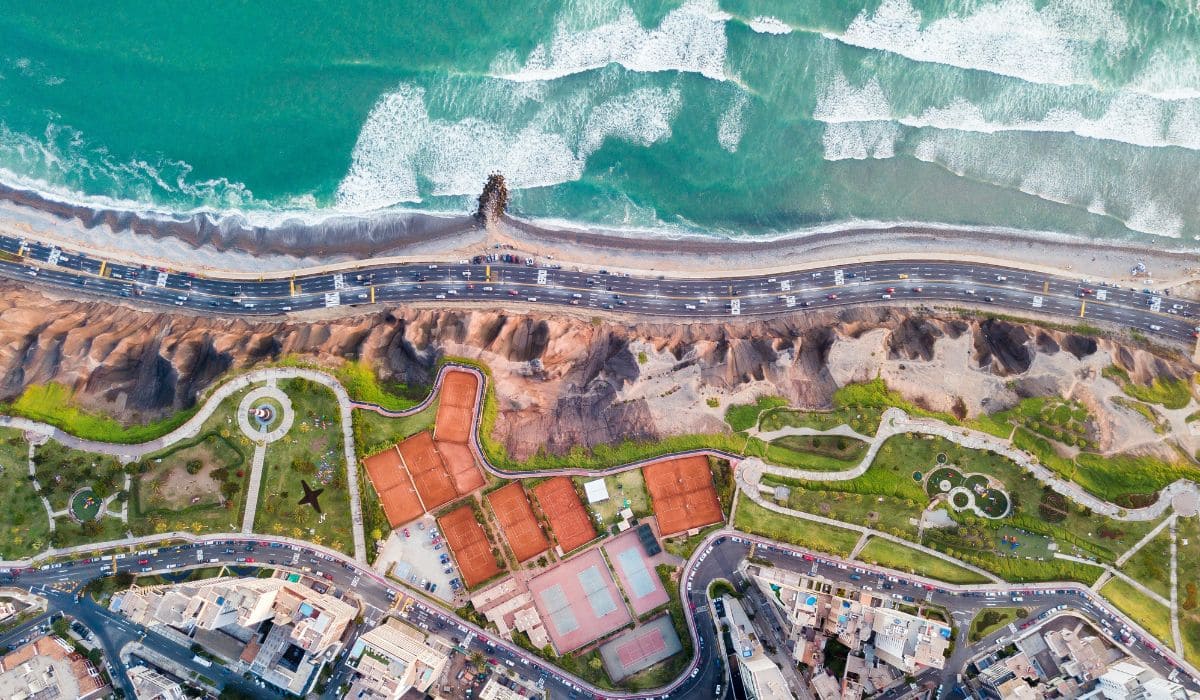
La costa de Lima

Digital Car Sharing Platforms vs Traditional Rentals: Who Offers Better Prices?

New ways of traveling and getting around introduce new factors to compare. Here are some key differences:

  • Limited fleet vs variety and availability. Traditional rental companies operate with a fixed fleet and set pricing, which limits flexibility. Collaborative platforms like Rentennials provide greater vehicle availability, more variety, and broader categories. Additionally, peer-to-peer rentals often include local tips from owners about routes, neighborhoods, and schedules.
  • Fixed rates vs supply and demand pricing. Traditional agencies offer fixed rates and often include extra charges. Collaborative platforms have lower operating costs and more dynamic pricing, which can result in better deals—especially with early bookings or longer stays.
  • Fixed business hours vs flexible scheduling. Traditional agencies usually operate during office hours, while apps like Rentennials allow you to book anytime from your phone and coordinate flexible pickup locations.

So, what’s the conclusion? Compared to traditional companies, the collaborative model combines competitive pricing with a personalized experience. It also includes integrated insurance and user verification systems, ensuring a secure experience.

Tips to Pay the Lowest Price for Car Rental in Lima

If you want to optimize your budget, consider these strategies:

  • Book in advance.
  • Choose compact cars if traveling solo.
  • Consider weekly rentals.
  • Check seasonal demand before booking.

Final Tips for Choosing the Best Car Rental in Lima

Before booking, review this checklist:

  • Compare prices and models. Choose what best fits your needs.
  • Review the fuel policy.
  • Confirm included mileage.
  • Check real photos of the vehicle.
  • Read user reviews.
  • Confirm pickup time and location.

Rent a Car and Enjoy Exploring Lima

The car rental in Lima market is broad and competitive, and prices vary depending on many factors. The key is to compare options, understand your needs, and choose the right model.

Car sharing clearly offers advantages over traditional systems thanks to greater variety, flexible pricing, and personalized experiences. For travelers seeking freedom of movement, budget optimization, and a deeper way to explore Lima, this option is one of the smartest choices available.

At Rentennials, we want more people to travel freely and responsibly. Finding the right balance between price, comfort, safety, and flexibility is what makes every trip an unforgettable experience.

[:es]

We are Rentennials

Rentennials is the new way to rent cars from local hosts in your city, quickly, easily, and affordably. It's also your new path to starting your own car rental business and making money every month.
Discover more.

Aplicación móvil

Download our App

Share this

[:]

Tips for visiting Barreal and El Leoncito by car

Barreal and El Leoncito under the most starry sky in Argentina


In San Juan you will visit Barreal and El Leoncito National Park, guardian of the best nights in Argentina.

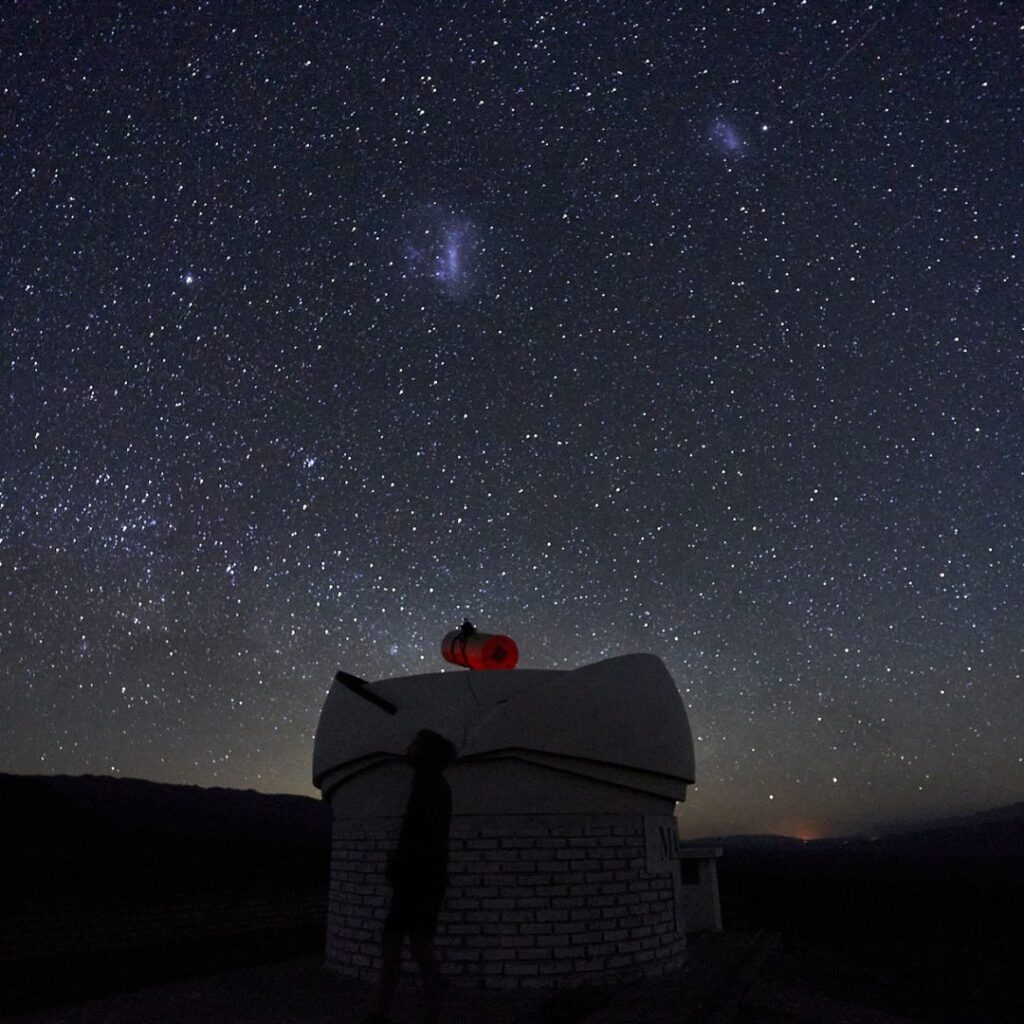
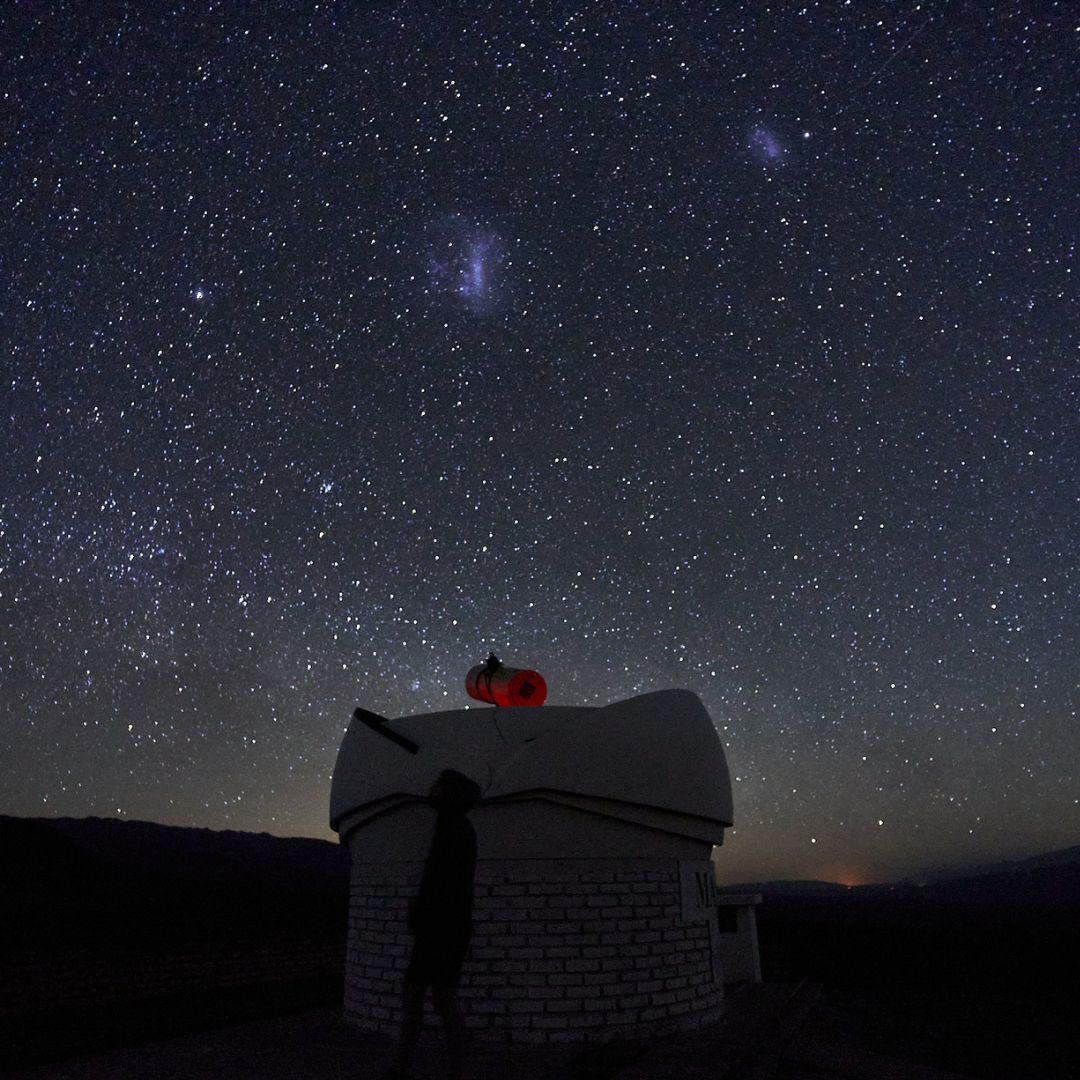
In the province of San Juan, at the foot of the imposing Andes Mountains, lies the town of Barreal. A small town where peace pervades its streets, ideal for spending a few days of complete tranquility. Just a few kilometers away is El Leoncito National Park, one of the best places for astrotourism in Argentina. On a night visit, the experience of seeing the stars in a dark sky becomes unforgettable.

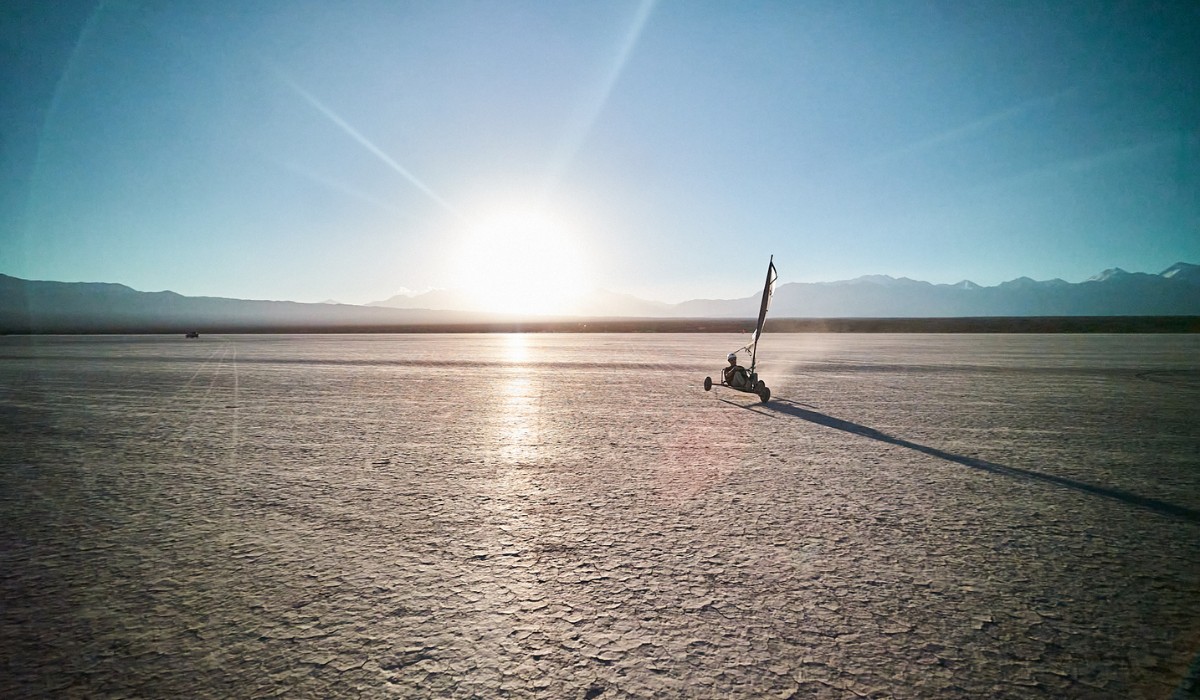
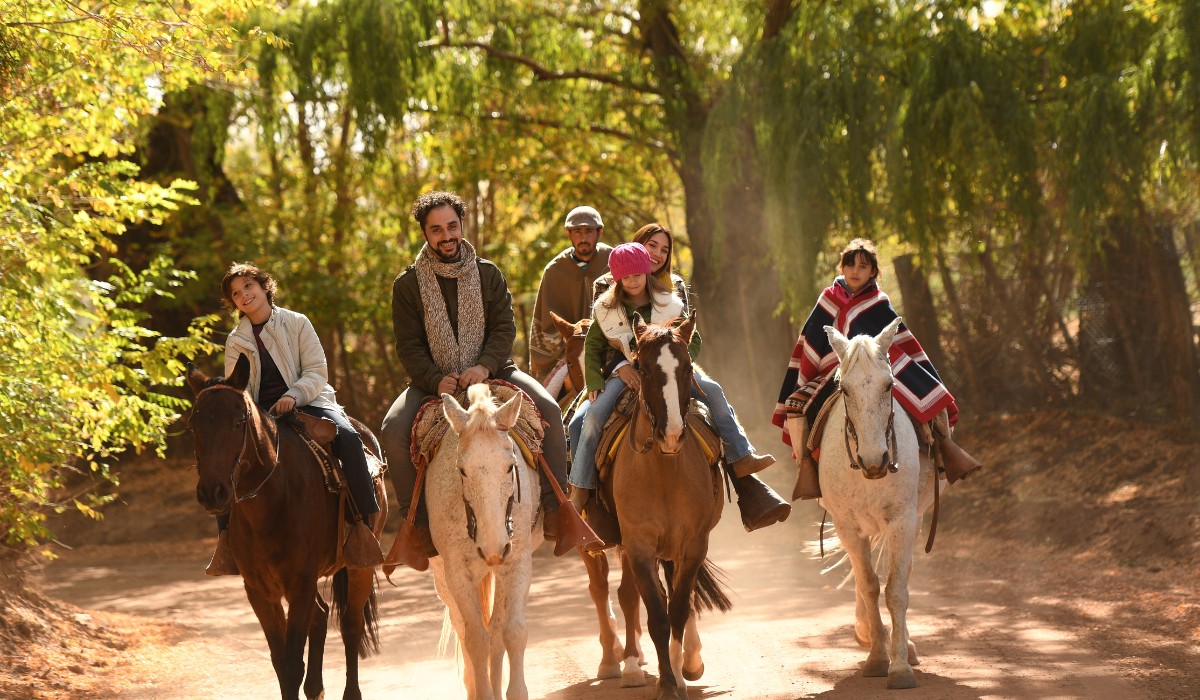
In addition, wineries, horseback riding and bicycle rides are activities that complement rest, enjoying unique views of the mountains. And if you are looking for something more adventurous, land sailing in Pampa El Leoncito and trekking to the turquoise stream are excellent options.

So that you can explore the best of Barreal by car, at Rentennials we provide you with all the information you need to know to get there and enjoy it.


Where is Barreal, San Juan

The town of Barreal is located in the southwest of the province of San Juan. Close to the border with Mendoza, this small town offers one of the best views of the Ansilta Mountain Range, a mountain range within the Andes Mountain Range system. The Patos River gives a special magic to these beautiful panoramas.

If your idea is also to do wine tourism, Barreal and nearby Calingasta are two options that meet all the expectations of travelers: good wines, gastronomy and quality service. And not only that, there is also a variety of activities, such as bike rides, horseback riding, rafting and much more.

How to get to Barreal from Mendoza

The first thing is to rent a car in Mendoza and then begin the trip to the province of San Juan. To get to Barreal, take National Route 40 to the city of San Juan. From there, continue to the intersection with Provincial Route 436 and turn left until you come across National Route 149 to Calingasta. You have to continue for about 120 km more and you will come across Barreal. About 40 km before is the town of Calingasta.

Here you can find the map to get to Barreal from Mendoza. It is 378 km and is all asphalt in good condition.

Something important to keep in mind! Google Maps suggests that the road from Mendoza to Barreal is via Uspallata and National Route 149. This route has a large stretch of gravel (even sand) that is in poor condition. Although it is shorter, with a low car you will probably have many problems getting there. If you decide to do it, it is best to go in a 4×4 truck.

 How to get to Barreal from San Juan

Another option is to rent a car in the city of San Juan and start the trip. From the capital you have to go along National Route 40 until the intersection with RP 436. From this point follow the directions explained in the section above. 

Here you can find the map to get to Barreal from San Juan. The total distance is 212 km. El Leoncito National Park

Created in 2002, El Leoncito National Park serves the function of taking care of the starry skies. It is one of the areas with the fewest cloudy days in the country: about 300 clear nights per year. This makes it a unique place for astrotourism. On the other hand, great care is taken to ensure that there is no light pollution in the surroundings so that researchers can do their work.

In addition, the Park is not only a place to enjoy astronomical tourism, but also has several trails to explore and get to know its particular environment. The mountain range is combined with plains and some oases.

Where is El Leoncito National Park?

It is located just 30 km from the city of Barreal. To get there, take National Route 149 south to the access and turn left. Then, continue along a dirt access where you have to be careful, but you can get there safely.

 What observatories are there within El Leoncito National Park?

There are two renowned observatories in the National Park: the Carlos Ulrrico Cesco Astronomical Station (CESCO) and the El Leoncito Astronomical Complex (CASLEO). Both have specific days and times to enjoy nighttime observations.

Key tip: plan your itinerary in advance so you don’t miss the opportunity to visit the National Park and its observatories.

Carlos Ulrrico (Cesco) Astronomical Station

This station depends on the Félix Aguilar Astronomical Observatory, located in the town of Barreal. It is a great alternative to enjoy astronomical tourism activities within the National Park.

Guided tours, along with night observations, take place from Thursday to Sunday, starting during the day, you can visit the observatory at 8:30 p.m. You must book a time in advance on the Cesco website. At the end of the experience, you must return to your accommodation in Barreal.

 El Leoncito Astronomical Center (CASLEO)

This observatory, which is part of CONICET, is perhaps the most outstanding of the two. During the day, you can tour its facilities, while at night, they offer astronomical observations. It is usual to arrive around 7 p.m. to take the guided tour, which includes a tour of the observatory. When night falls, you are invited to look at the sky through one of their external telescopes. At the end, you return to your accommodation in Barreal.

With some planning, there is the possibility of spending a night at CASLEO. On certain days and when there are no scientific activities, they open the accommodation for tourism, which includes dinner and breakfast.

In both cases, it is key to check the opening of quotas at the beginning of each month and make the reservation directly on the CASLEO website. On Fridays and Sundays, only observations are made, while on Mondays and Saturdays you can stay overnight.

 How to do astrotourism in El Leoncito

It is an activity suitable for the whole family and the intention is to discover an immense sky with the guidance of experts. Here are some tips to keep in mind:

Don’t go without a reservation. Since there are only a few days, the places fill up quickly. Do you already know when you are traveling? Then start making your reservation now.

Bring a coat. Observations are made at night and temperatures drop considerably. In winter, we recommend that you be well equipped.

Don’t go on nights with a full moon. The further away you are from those dates, the better.

Being open to new, unknown experiences is essential for you to enjoy this unique visit in Argentina.

What to do in Barreal

Whether before or after the astronomical tourism experience in the National Park, you can do many activities or, if you prefer, rest in the accommodations in Barreal.

Here we tell you everything you can do in this beautiful area of ​​San Juan.

Land sailing in Pampa El Leoncito

Do you like speed and wind? Then Barreal is the best option for you. In Pampa El Leoncito, a plain that was once a lagoon thousands of years ago, you can practice land sailing. It is a sailboat driven by the strong winds of the region.

 You have to do it on windy days (but not too much) and, preferably, in the afternoon. Only hire authorized providers to ensure an experience with all the safety elements.

It is located in front of the National Park, so it is very easy to get to. A few days before you will know if you can do the activity, because the wind speed is known.

Trekking to the Turquoise Creek

After about eight hours of walking (medium difficulty), you will reach one of the most impressive water courses in the Cordillera. This is a stream that falls from the mountain and, due to its mineral properties, has a turquoise color.

To go trekking, you must go with a local guide. Find out about the options for hiking to the turquoise stream.

Horseback riding, rafting and bike rides

Tranquility invades the town of Barreal, and there is nothing like touring it on horseback or by bike. There are multiple options, but they are all half-day trips to get to know the area. Some include a country-style lunch.

Another option is rafting and kayaking on the Río de los Patos. The experiences are of low difficulty and suitable for the whole family.


Trails in El Leoncito National Park

If you want silence and only to hear the sound of the fauna, then before going to the El Leoncito observatory, walk the trails in the National Park. There you can walk through the arid landscape and, perhaps, come across foxes and guanacos. 

The trails in El Leoncito National Park close at 7 pm, so it is advisable to arrive around 4 or 5 pm to be able to enjoy them in their entirety. After touring them, you can try astrotourism.

Wineries in Barreal

The wine tourism circuit in Barrial is incipient and increasingly offers better places for those who want to taste San Juan wines and have lunch with views of the mountain range. 

Here we leave you only a few options. Always call before going to make a reservation (not all offer lunch service).

Bodega Entre Tapias

Bodega Los Dragones

Bodega Cara Sur

Remember that if you drink alcohol, it is best to leave your car at your hotel and go by remise or taxi to the wineries.

Where to stay in Barreal

This is an area where tourism has grown a lot in recent years, which means that there is an increasing supply of accommodation. There is something for all budgets and styles, from hostels, boutique hotels and cabins.

Any advice? In summer, book a room One with a pool. And all year round, look for one that has a direct view of the mountain range.

When to visit Barreal and El Leoncito National Park

It is one of the destinations that can be visited all year round, but there are better times than others. In summer, as in the entire Cuyo area, temperatures tend to be high, although with a dry heat. In winter, the nights are very cold, which can make stargazing difficult.

The best time to visit Barreal is in autumn and spring. 

 Get to know San Juan and Barreal with Rentennials

Another destination that, if you don’t know yet, you have to start planning your trip now: stars, wines, horseback riding, rafting. And all very close to the city of Mendoza and the capital of San Juan.

The best way to get around Barreal is by car. At your own pace, with your interests, and knowing that there is always time for rest and for the activities that you like the most. The roads are well maintained and you will experience driving through beautiful landscapes. Renting a car with Rentennials allows you to connect with hosts and discover places you might not otherwise get to.

[:es]

We are Rentennials

Rentennials is the new way to rent cars from local hosts in your city, quickly, easily, and affordably. It's also your new path to starting your own car rental business and making money every month.
Discover more.

Aplicación móvil

Download our App

Share this

[:]
Ischigualasto y Talampaya

Guide to travel to Ischigualasto and Talampaya: everything to see and do

How to travel by car to Talampaya and the Valley of the Moon, destinations with landscapes from another planet

San Juan and La Rioja have two places with unforgettable natural scenes. Go ahead and discover them.

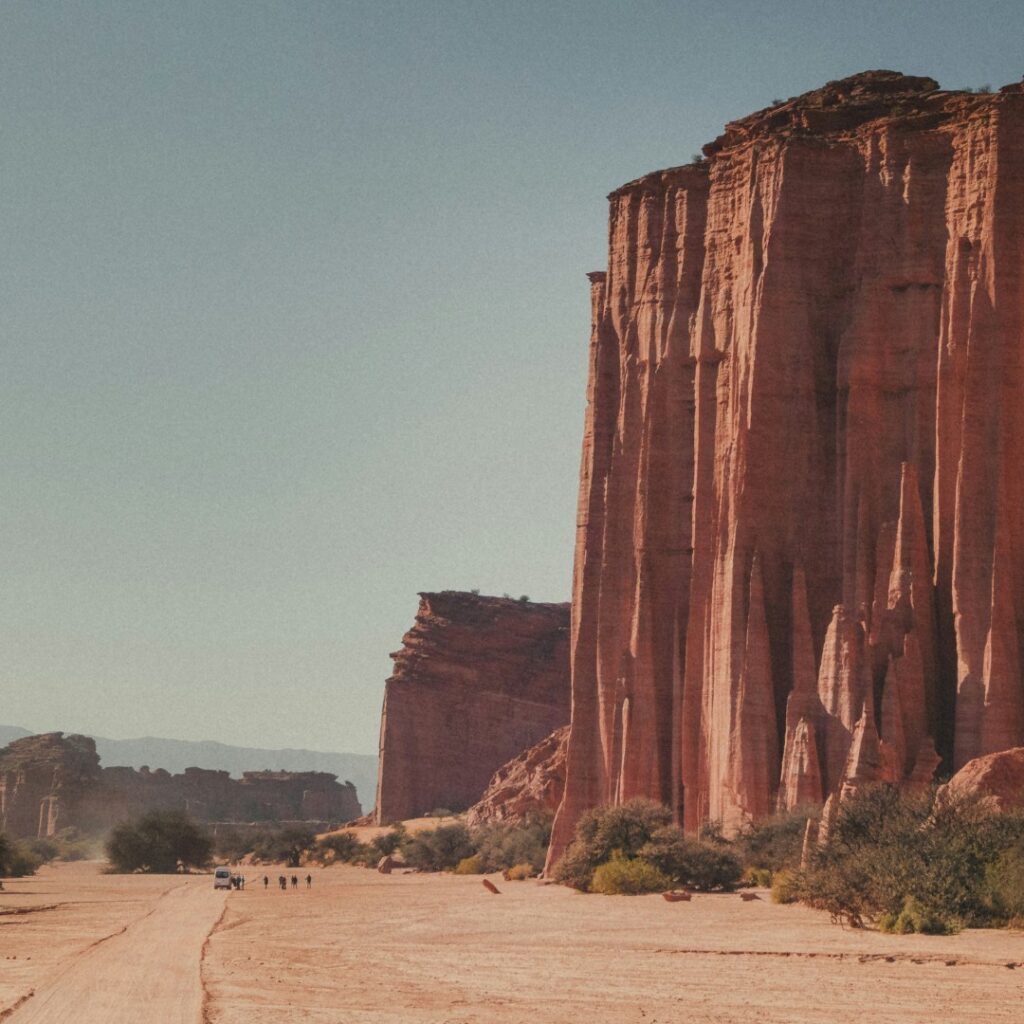
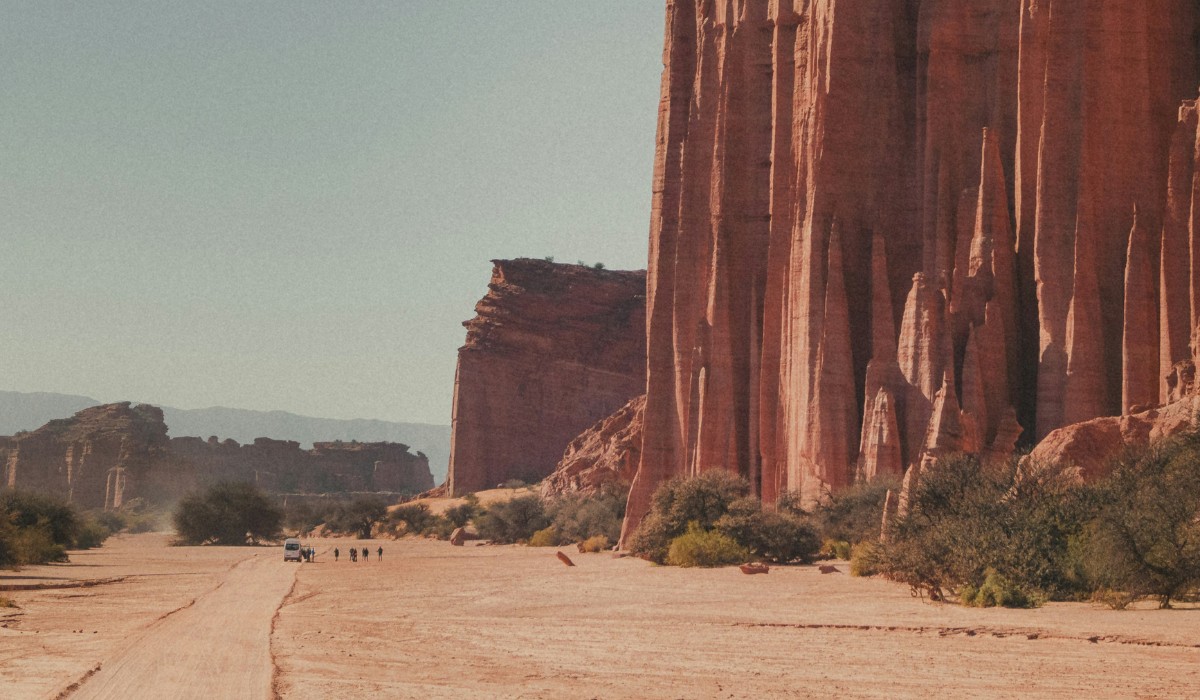
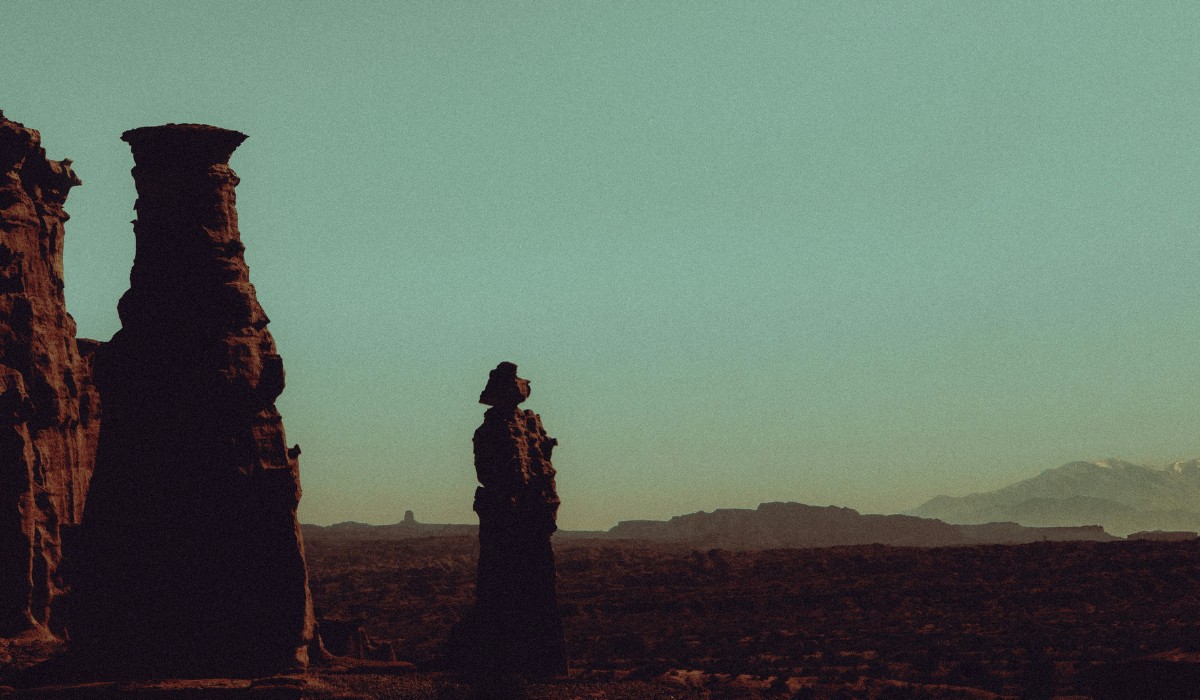
The Talampaya National Park and the Ischigualasto Provincial Park are two of the most surprising destinations in Argentina. Their high-altitude canyons, geological formations that look like the moon and colors that change in just a few kilometers. Both parks, located in La Rioja and San Juan, allow you to learn about the history of the formation of what is today our land.

Visiting them is simple and can be done in a few days if you have a car. But it’s better to take your time and explore each place. Sometimes, spending two or three more days on your trip allows you to discover places that are much more surprising than you imagined.

At Rentennials we want to help you get to know Talampaya and Ischigualasto with the best tips for planning your itinerary.

Parque Nacional Talampaya

Parque Nacional Talampaya

What are the Talampaya and Ischigualasto parks?

Each park has its own geological peculiarities and a history that are combined at all times. While the Talampaya National Park is in the province of La Rioja, its neighbor, the Ischigualasto Provincial Park, is located in San Juan.

Below, we tell you a little more about each one so you can discover which places to visit on your next trip.

Talampaya National Park

The Talampaya National Park was created in 1997 and covers some 215,000 hectares. Since 2000, it has also been a UNESCO World Heritage Site. Its rock formations are of Triassic origin, which tells us about millions of years of history. Hundreds of fossils have been discovered in the area, which can even be seen during the tour.

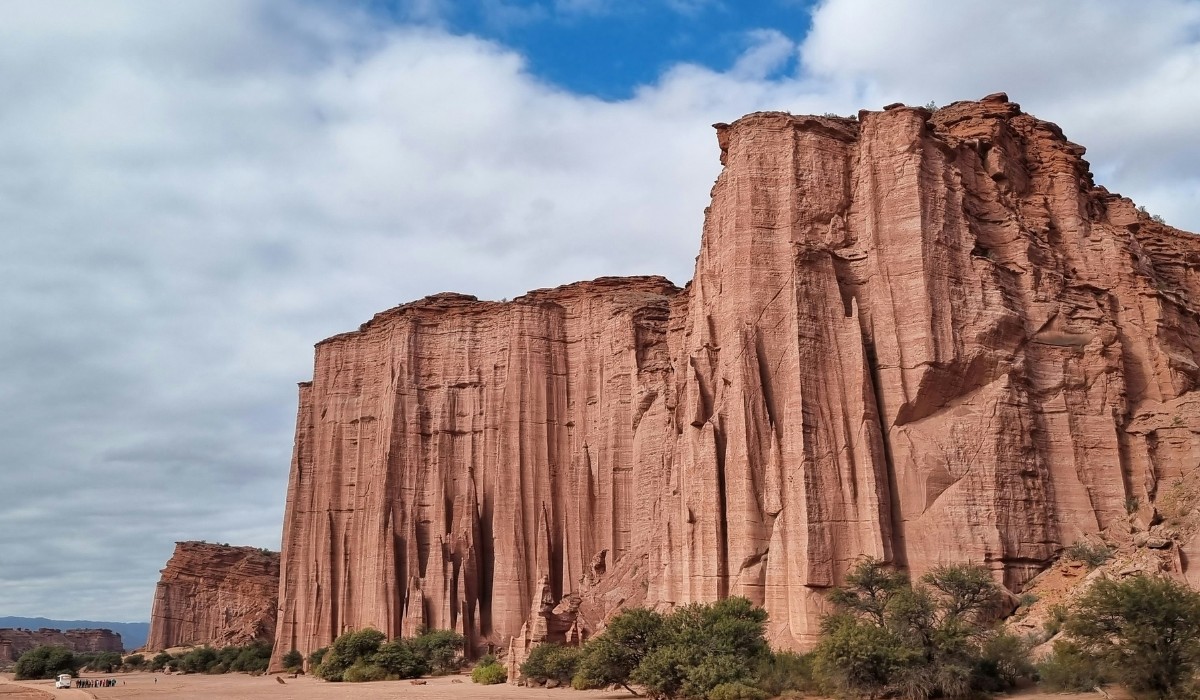
Its desert landscape and the reddish canyons of surprising height mean that thousands of travellers visit this Riojan destination every year. In addition, with a bit of luck and if you dare to take a different route, you will see the fauna of the area.

Ischigualasto Provincial Park

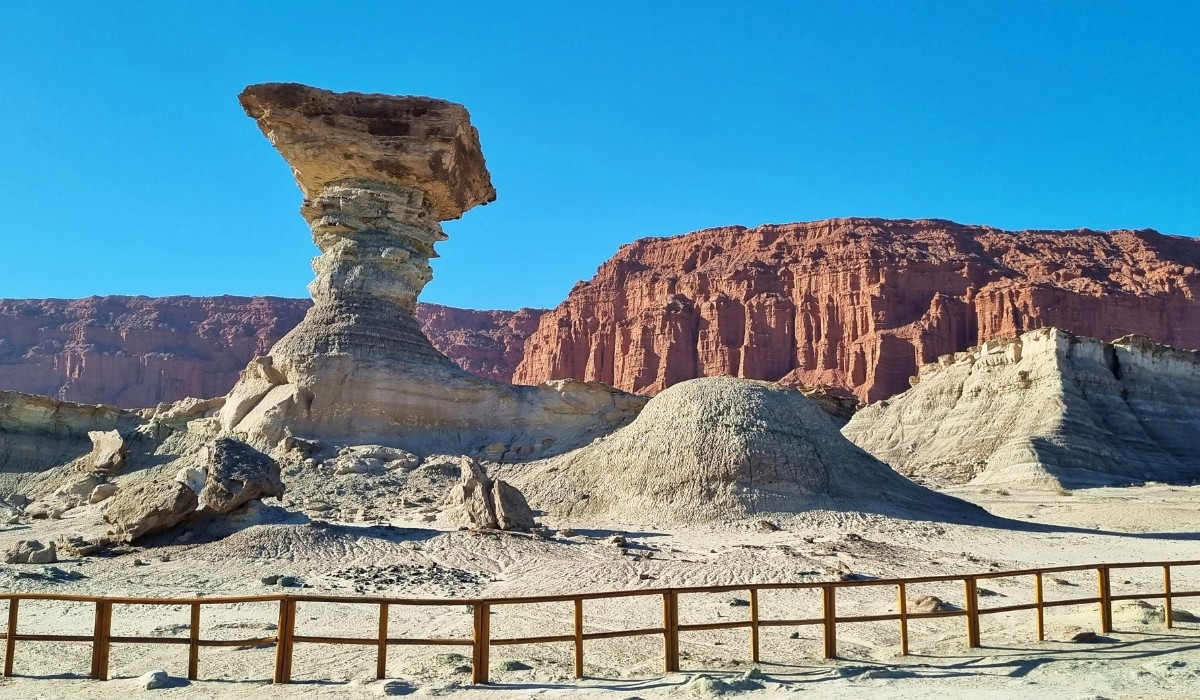
Ischigualasto is located in San Juan and is known for its greyish landscapes that remind us of the moon. Its geological peculiarity led to it being declared a World Heritage Site in 2000.

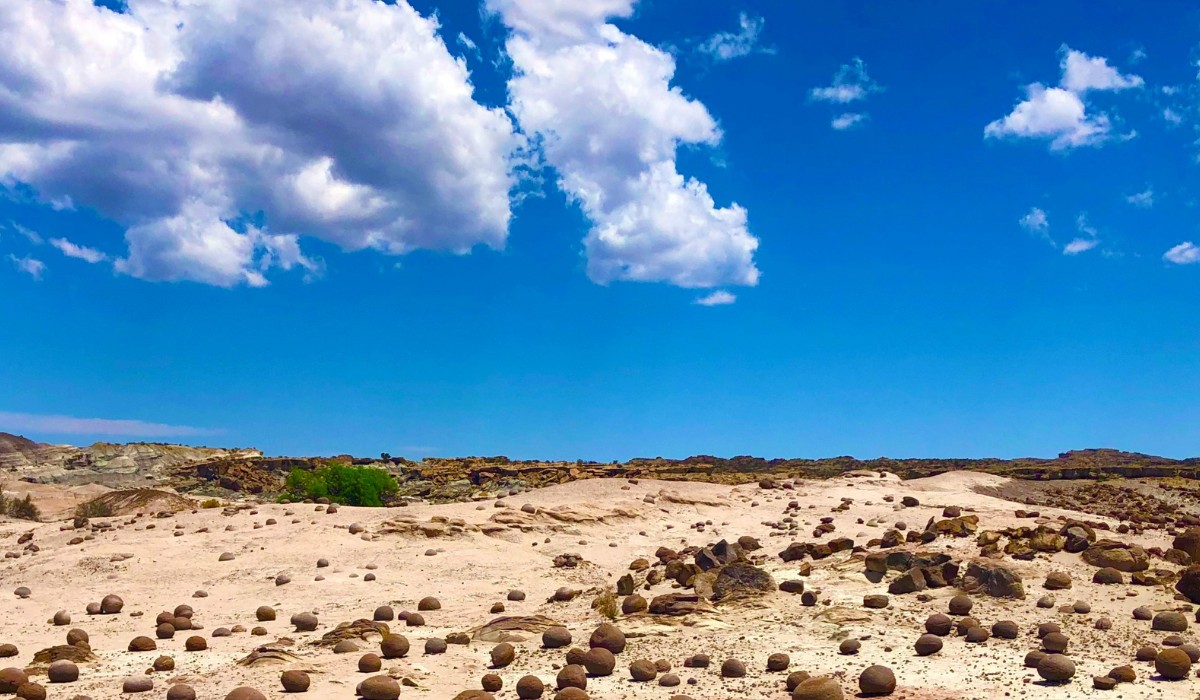
With an area of ​​62,000 hectares, this natural space protects unique formations from the Triassic period. The fossils found here reveal many key aspects to understanding the evolution of life on Earth. These sought-after photos are the formations known as “El Submarino”, “El Hongo”, or the strange “Campo de bochas”.

Parque Provincial Ischigualasto, El submarino

How to get to Talampaya and Ischigualasto by car

Depending on where you start your trip, there are three possible ways to get to Talampaya and Ischigualasto. The best way is to rent a car in Mendoza, San Juan or La Rioja and begin your journey along the Argentine roads.

From San Juan

Starting from the city of San Juan, take National Route 40 to the north. When you reach Huaco, turn right onto National Route 150, where you will find the access to the Ischigualasto Provincial Park.

To go to Talampaya, continue along the same route until the intersection of Baldecitos. There, turn left onto National Route 76 until you reach the access to the National Park.

From San Juan to Ischigualasto there are 300 km, and to the access to Talampaya it is 380 km. The road is paved and in perfect condition. Here is the map to get there.

From La Rioja

From the capital of La Rioja, take National Route 38 south to Patquía. There, turn right onto National Route 150 to the access to Ischigualasto. A few kilometers before, you will find National Route 76, which takes you directly to Talampaya.

From La Rioja to Ischigualasto there are 180 km, and to the access to Talampaya it is 240 km. This is the suggested route.

Although this route is shorter, the difficulty lies in the fact that if you fly to La Rioja you have fewer flights. This can complicate the organization of your trip.

From Mendoza

This option is longer, but is chosen by many travelers due to the excellent air connection that the city of Mendoza has with other places in the country.

The road to get to Ischigualasto and Talampaya is the same as that of San Juan, explained above. The total distance is 450 km to Ischigualasto and 500 km to Talampaya.

Distance from Talampaya to Ischigualasto

Between the entrance to the Ischigualasto Provincial Park and the entrance to the Talampaya National Park there are only 80 km. This distance allows both parks to be visited in one day.

Where to stay to visit Talampaya and Ischigualasto

There are three towns that offer hotels and restaurants: Villa Unión, San Agustín del Valle Fértil and El Chiflón. In each one, in addition to visiting the parks, you can visit some nearby places that are really worth visiting.

Parque Nacional Talampaya

Parque Nacional Talampaya

Villa Unión

The most common option is to stay in Villa Unión, the closest city to Talampaya, and prepared to receive tourists. There are only 60 km between both places. In this town, there is a wide range of accommodations and restaurants to enjoy after a tour of the parks.

Some recommended accommodations are:

In Villa Unión, all-day excursions to visit Laguna Brava depart. In addition, you can visit Cuesta de Miranda, the Famatina region and Chilecito.

San Agustín del Valle Fértil

Another option is to spend a few nights in San Agustín del Valle Fértil in San Juan. It is 72 km to Ischigualasto, and then 80 km to get to Talampaya.

This town has many other activities to enjoy nature, such as horseback riding, bicycle tours and trails.

El Chiflón

An alternative is to spend the night in El Chiflón, a place very close to both parks that has accommodation with a very attractive proposal for the area: The Hotel Chiflón Posta Pueblo. It has a restaurant with very tempting cuisine and different activities.

How to visit Talampaya and Ischigualasto

Both parks can be visited by the whole family. The ways to visit them are accessible to all travelers and very simple. However, there are alternatives out of the ordinary that require a little more planning and travel time.

Below we tell you how to do the classic and the alternative in each of the parks.

The best ways to visit Ischigualasto

By car, bicycle or on foot, the circuits are varied and can be adapted to what you are looking for. In addition to doing the traditional circuit, you can also discover the others.

Traditional circuit

There are 40 km that are done in a caravan in the visitors’ cars. Along the traditional circuit, five stops are made to see the best places in the park. The Mushroom, the Submarine and the Bowling Field are some of the classics that you will not miss.

The tour lasts 3 hours, it is on a first-come, first-served basis and there are set departure times: 8, 9, 10, 11, 16 and 17 hours.

It is the one that you definitely have to do, and you can complement it with trekking or the bike tour.

Cambo de Bochas en el Parque Provincial Ischigualasto

Cambo de Bochas en el Parque Provincial Ischigualasto

Mountain bike circuit

This way, you can reach less visited areas of the park and, at the same time, you can more easily encounter the local fauna.

It is done with a guide, the route is 12 km, with a duration of 1 hour and 30 minutes, and is for people over 14 years old. The Provincial Park provides you with bicycles for the tour. The departure time is at 4:30 pm and it is necessary to book. You can do it by WhatsApp at the numbers 264 457 0879, 264 418 6119, or by email at reservas.ischigualasto@gmail.com.

The ideal is to do the tour by car in the morning and, in the afternoon, do the tour by bike. It is important to keep in mind that it can be suspended due to weather conditions.

Cerro Morado and Río Salado hiking circuits

These are two different circuits that offer walks to further explore the park’s unique features. The Cerro Morado circuit takes you to the highest point in the Provincial Park. With the Río Salado circuit you walk along the river bed to a waterfall and an emerald-colored lagoon.

Both last 3 hours and departures are subject to availability. To book, send a WhatsApp to 264 457 0879, 264 418 6119, or by email to reservas.ischigualasto@gmail.com.

If you are going to do it, keep in mind that with these circuits you will not get to see the most famous places in the park. It is always best to do the tour by car in the morning and, in the afternoon, with lower temperatures, go on walks.

Full moon circuit

A unique experience. This tour allows you to enjoy the full moon illuminating the natural monuments of the park while you walk in the clearing of a dim light. It is like being in the middle of a lunar landscape.

It takes place on the four nights of the full moon each month, and it is very important that you make the reservation on the first day of each month. It can be suspended due to weather conditions.

You must send a WhatsApp or an email to make the reservation.

How to tour the Talampaya Ischigualasto National Park

Like Ischigualasto, the Talampaya National Park offers different circuits to get closer to these natural sculptures sculpted by water and wind. You can live a complete experience and discover landscapes outside the classic circuits.

Tickets for each of the circuits are purchased at the entrance to the park, or you can go ahead and buy them on their website.

Los cañadones del Parque Provincial Talampaya

Los cañadones del Parque Provincial Talampaya

Traditional Talampaya Canyon Tour

With this circuit you will get to know each unmissable attraction of the Talampaya Canyon. It is done in a vehicle specially designed for this purpose and with a guide. In addition to getting to know the rock formations, you will connect with the culture and history of the region.

The duration is about two and a half hours, and the departure times are at 09:00, 13:30 and 16:00. It is best to do it at the first or last hour, due to the heat and light. We recommend you book your ticket in advance.

Talampaya Canyon and Shimpa Canyon

This tour in a 4×4 truck covers the entire Talampaya Canyon and Shimpa Canyon. You will visit the same places as with the traditional excursion, but at the end you will arrive at a unique destination.

Finally, you will visit the carob forest of the Shimpa Canyon with a walk along the dry riverbed. At your sides you will have walls of more than 80 meters high.

The duration is four hours, and the departure times are at 10:15 AM and 2:30 PM. To ensure your place, reserve your ticket in advance.

Trekking through the Talampaya Canyon and Los Balcones

For adventurers and those looking to get off the beaten track. First, you will visit the park’s most famous attractions by vehicle. Then, you will hike up about 2.3 kilometers to Los Balcones de Talampaya, a viewpoint at 1,600 meters above sea level from which you will contemplate an impressive landscape.

It is done with a guide and lasts 4 hours. Departure times are at 09:00 and 13:30 (we recommend the first option due to the heat).

Don’t forget to reserve your place some time in advance.

Visit Talampaya and Ischigualasto in 1 day

Visit both parks in one day. However, we suggest you take a little more time to do some alternative excursions, such as Laguna Brava, Cuesta de Miranda or do the different activities in the parks.

If you choose this option, the ideal is to start early in the morning in one of the two parks, depending on where you are staying. After lunch, you will set off towards the other park for a more traditional visit.

How many days do you need to visit Talampaya and Ischigualasto?

For a complete visit, enjoying not only the classic circuits, at least 3 days are necessary. One day for the Ischigualasto Provincial Park, another for Talampaya and a remaining day to rest or do some alternative activities. Here are some options:

  • Excursion to Laguna Brava. This is a full-day 4×4 climb to the top of the Andes. You will find a lagoon at more than 4000 meters above sea level.
  • Cuesta de Miranda. A beautiful scenic road along National Route 40 that connects Villa Unión with Chilecito.
  • Famatina and Chilecito. It is an area of ​​vineyards and walnut production, ideal for spending the day touring the Riojan landscapes.

Get to know San Juan and La Rioja with Rentennials

Argentina has unmissable destinations that we must visit. Talampaya and Ischigualasto are places that we can visit in a simple way over a long weekend or, alternatively, spend a whole week there.

The best way to get around San Juan and La Rioja is by car. The roads are in good condition and you will have the experience of driving on routes with very little traffic. Renting a car with Rentennials is the best option for those who want simplicity, low costs and to generate a benefit in the regional economy.

[:es]

We are Rentennials

Rentennials is the new way to rent cars from local hosts in your city, quickly, easily, and affordably. It's also your new path to starting your own car rental business and making money every month.
Discover more.

Aplicación móvil

Download our App

Share this

[:]